Remember those walls? The ones plastered in neon pink posters, clashing checkerboard rugs, and shelves overflowing with plastic trinkets that screamed for attention? Back in 2022 and 2023, it felt like everyone’s living room had turned into a candy store explosion. It was loud. It was bright. And honestly? It was exhausting. We called it "dopamine decor," a term that promised instant happiness through visual overstimulation. But here we are in 2026, and something interesting has happened. The noise has settled. The neon has faded into softer pastels or deeper, richer tones. The chaos has found a rhythm.
This isn’t just a change in taste; it’s a shift in how we relate to our spaces. We realized that while a burst of color can give you a quick hit of joy, it doesn’t necessarily sustain you. A home needs to hold you, not just hype you up. The evolution from viral trend to lasting lifestyle shows us that we’re craving something deeper than just a pretty picture for social media. We want our homes to feel like us, but the calm, collected version of us. The version that breathes.
So, how did we get here? How did a trend built on excess transform into a philosophy of meaning? It wasn’t overnight. It was a slow burn, fueled by burnout, economic shifts, and a collective desire for authenticity. Let’s dig into that journey. Because understanding where this style came from helps us figure out how to make our own spaces feel truly good, not just look good for a second.
The Initial Rush: Why We Craved Visual Noise
Let’s be honest for a sec. The early days of dopamine decor were a reaction to some pretty heavy stuff. We had just come out of a period where many of us were stuck inside, staring at the same four walls for months on end. The world outside felt uncertain, even scary. So, when people started posting rooms filled with vibrant yellows, electric blues, and quirky patterns, it felt like rebellion. It felt like life. Psychologically, it made sense. Bright colors trigger the release of dopamine, the neurotransmitter associated with pleasure and reward. It was a quick fix, a visual sugar rush.
Designers and influencers leaned hard into this. The rulebook was thrown out. More was more. If you liked mushrooms, you had mushroom lamps, mushroom pillows, and mushroom art. If you loved rainbows, every surface got a stripe. It was playful, sure, but it was also frantic. There was no negative space. No place for the eye to rest. We were treating our homes like mood boards, constantly updating them to chase the next hit of visual excitement. It was fun, but it lacked depth. It was decoration without connection.
And let’s not ignore the role of algorithms. Social media platforms rewarded high-contrast, eye-catching images. A beige room didn’t stop the scroll. A room with a green shag carpet and a purple velvet sofa did. So, we designed for the feed, not for the feeling. We curated chaos because chaos performed well. But living in a space that’s designed to perform is tiring. You can’t relax in a set piece. You can only pose in it. Eventually, the novelty wore off. The sugar crash hit. And we started asking ourselves: is this actually making me happy, or is it just making me busy?
The Burnout Phase: When More Stopped Being More
By 2024, the cracks started showing. People were tired of cleaning around dozens of small knick-knacks. They were overwhelmed by the visual clutter. The initial joy of buying a new trendy item was replaced by the stress of maintaining a space that felt disjointed. This was the "dopamine fatigue." It’s a real thing. When everything is loud, nothing stands out. When every corner is fighting for attention, the brain gets exhausted trying to process it all. It’s cognitive overload, dressed up as interior design.
I remember talking to a friend during this time. She had spent thousands on colorful, eclectic pieces. Her apartment looked like a magazine spread from a psychedelic era. But she told me she couldn’t wait to leave her house. "It feels like I’m always ‘on’ in here," she said. That’s the key insight. A home should be a sanctuary, a place to recharge. If your environment is constantly stimulating you, you never get to rest. The very thing that was supposed to bring joy was causing anxiety. It’s ironic, right? We chased happiness through accumulation, only to find that accumulation was stealing our peace.
This period also coincided with a broader cultural shift towards sustainability and mindfulness. People started questioning the fast-furniture model that fueled the initial dopamine decor boom. Buying cheap, trendy items that would be discarded in six months didn’t align with growing values around environmental responsibility. We started seeing a pushback against disposable decor. The conversation shifted from "what looks cool" to "what lasts." And not just in terms of durability, but in terms of emotional resonance. Does this object mean anything to me? Or is it just filling space?
The Pivot: Introducing Intent and Personal History
So, what changed? The pivot wasn’t about abandoning color or personality. It was about adding intent. Instead of buying a yellow chair because it was trending, people started buying a yellow chair because it reminded them of their grandmother’s kitchen, or because it was the one spot where they loved to read. The focus shifted from external validation (likes, shares) to internal satisfaction (comfort, memory, identity). This is where the "meaningful" part comes in. Decor became a storytelling tool, not just a styling trick.
We saw the rise of "heirloom maximalism." This is a fancy way of saying: mix your vibrant finds with things that have history. Maybe it’s a vintage rug passed down through family. Maybe it’s a piece of art you bought on a trip that changed your perspective. These items carry weight. They have souls. When you surround yourself with objects that have stories, the space feels grounded. The color still pops, but it’s anchored by significance. It’s the difference between shouting and singing. Both are loud, but one has melody.
This approach also encouraged slower consumption. Instead of redecorating every season, people started curating. They took their time finding pieces that truly spoke to them. This slowed down the cycle of trends. It made design more personal and less predictable. Your home started to look like no one else’s because it was built on your unique experiences, not a Pinterest board. And that’s a powerful feeling. It creates a sense of ownership and pride that a store-bought ensemble never could. You’re not just decorating; you’re archiving your life.
The Role of Texture and Sensory Comfort
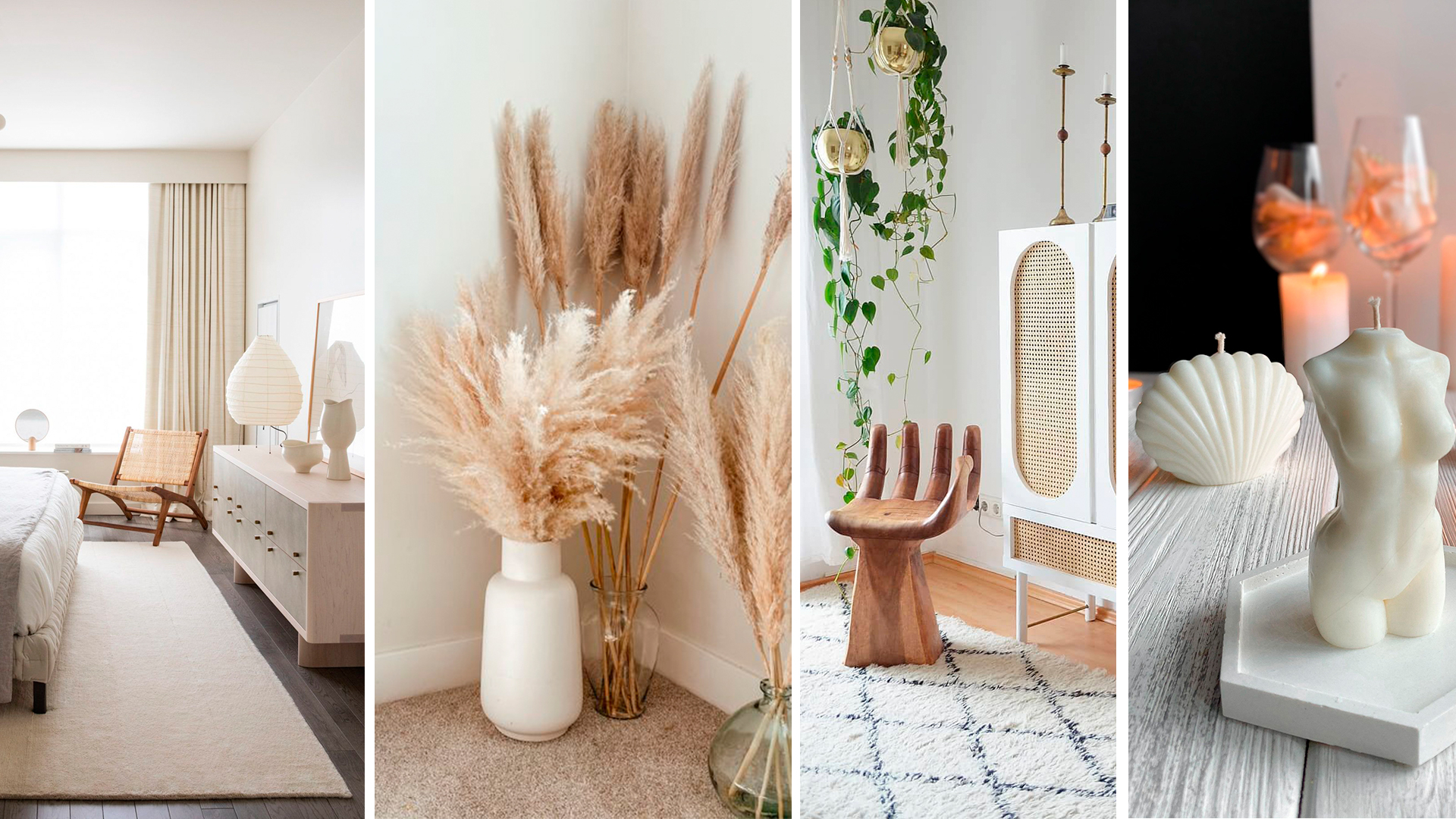
As the visual noise decreased, other senses stepped up. Texture became the new color. In 2025 and 2026, we’ve seen a massive surge in tactile materials. Think bouclé, linen, raw wood, stone, and woven baskets. Why? Because touch is grounding. When you run your hand over a rough-hewn wooden table or sink into a soft wool throw, your body relaxes. It’s a physical response to comfort. Visuals stimulate the mind, but texture soothes the nervous system. This was a crucial evolution in making homes feel nurturing rather than just exciting.
Lighting also played a huge role in this shift. Harsh, overhead lighting was swapped for warm, layered light sources. Lamps with fabric shades, candles, and dimmable fixtures created atmospheres that changed with the time of day. This flexibility allows a space to be energetic when needed and calm when desired. It’s about adaptability. A meaningful home supports different moods and activities. It’s not a static backdrop; it’s an active participant in your daily life. The glow of a lamp in the evening signals to your brain that it’s time to wind down. That’s functional empathy in design.
Even scent started getting attention. While not strictly "decor," the integration of natural elements like plants, flowers, and essential oil diffusers became part of the holistic home aesthetic. These elements connect us to nature, which has proven mental health benefits. The smell of lavender or eucalyptus can lower stress levels. Seeing greenery can improve focus. By engaging multiple senses, the modern home becomes a multi-dimensional experience. It’s not just about what you see; it’s about how you feel in your body. And that’s a much deeper form of well-being.
Balancing Color with Calm: The New Palette
Does this mean we’re back to all-beige-everything? Absolutely not. That’s a common misconception. The evolution of dopamine decor isn’t a rejection of color; it’s a refinement of it. We’ve moved from primary saturation to nuanced tones. Think earthy terracottas, muted sage greens, deep ocean blues, and warm ochres. These colors still bring joy, but they do so quietly. They harmonize rather than clash. They create a backdrop that feels stable and inviting. It’s the difference between a shout and a whisper. Both communicate, but one invites you closer.
Interior designers in 2026 are talking about "color anchoring." This means using bold colors strategically, not everywhere. Maybe one accent wall in a rich jewel tone, balanced by neutral furniture. Or a vibrant piece of art that serves as the focal point, with the rest of the room keeping a low profile. This technique allows the eye to travel and rest. It creates rhythm. Without rhythm, design is just noise. With rhythm, it’s music. And music moves us. It evokes emotion without overwhelming us.
There’s also a greater appreciation for natural light and how it interacts with color. Paint choices are being made with consideration for how they change throughout the day. A blue might look crisp in the morning and cozy in the evening. This dynamic quality adds life to a room without adding clutter. It’s subtle, but it makes a huge difference in how a space feels. We’re learning to work with our environments, not fight them. This respect for natural elements is a hallmark of the matured dopamine decor movement. It’s about harmony, not dominance.
So, how do you apply this to your own home? Start with subtraction. Look around your space. What items do you truly love? What items are just taking up space? Be ruthless. Keep the things that spark genuine joy or memory. Let go of the things that were just trendy. This clears the deck for what matters. It creates breathing room. And breathing room is luxury. Once you’ve cleared the clutter, you can start adding back with intention.
Next, audit your sensory experience. How does your home feel? Is it too bright? Add a lamp. Is it too cold? Add a rug. Is it too quiet? Add a plant. Engage your senses one by one. Think about what makes you feel safe and comfortable. Maybe it’s the weight of a quilt. Maybe it’s the sound of a wind chime. Incorporate those elements. Your home should support your well-being, not just your aesthetic preferences. These two things don’t have to be separate, but well-being has to come first.
Finally, tell your story. Display the photos that mean something, not just the ones that look cool. Put out the books you’ve actually read. Show the souvenirs from trips that changed you. Let your home be a reflection of your journey. This makes it unique. It makes it yours. And when you walk into a space that is authentically you, you feel a sense of belonging. That’s the ultimate goal. Not a viral moment, but a lasting sense of home. It takes time, but it’s worth it. Don’t rush it. Let it evolve naturally, just like you.
The journey from viral chaos to meaningful calm hasn’t been about losing fun. It’s been about finding a deeper kind of joy. One that sustains. One that heals. One that feels like a hug at the end of a long day. As we move further into 2026, this trend isn’t fading; it’s rooting. It’s becoming the standard for how we think about our living spaces. And that’s a beautiful thing. It means we’re finally designing for ourselves, not for the screen. And really, isn’t that what home is supposed to be?