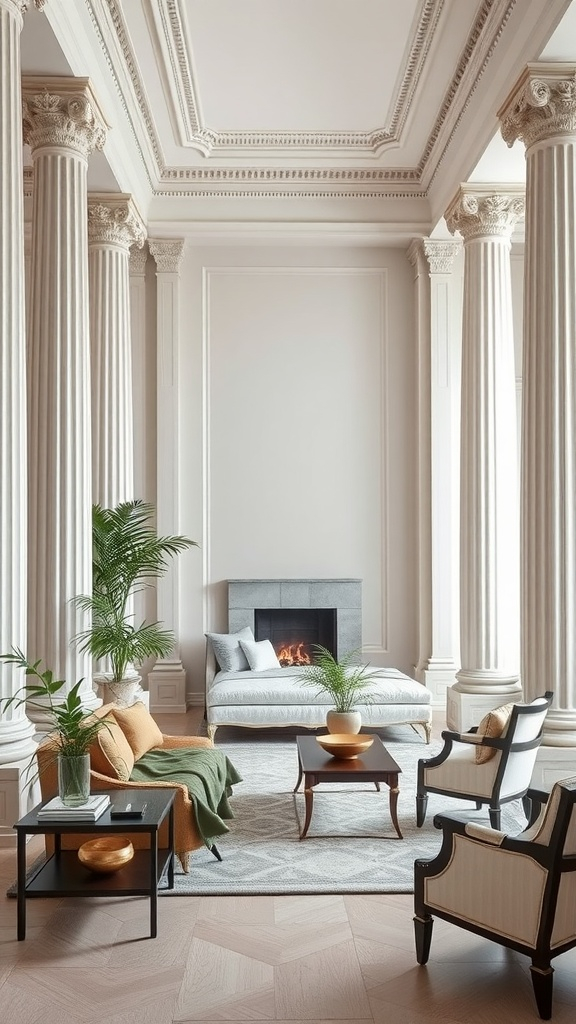
There is a specific kind of silence that falls over a room when you get the balance right. It isn’t empty silence. It’s the hush of order. Of things being exactly where they ought to be. In 2026, we are tired of noise. We are tired of trends that scream for attention only to vanish by next season. We want homes that feel like a deep breath. This is why the neoclassical style is having such a profound moment. But it’s not the stiff, museum-like version your grandparents might have known. It’s softer. Warmer. It’s about taking the grandeur of ancient Greek and Roman ideals and making them work for a Tuesday night when you’re wearing sweatpants and eating takeout.
You might wonder if "elegance" and "comfort" can actually coexist. Can a room look sophisticated without feeling like you’re afraid to touch anything? The answer is a resounding yes. The trick lies in the blend. It’s about respecting the bones of classical design—symmetry, proportion, those lovely arches—while injecting the soul of modern living. Think plush fabrics, smart lighting, and layouts that prioritize flow over formality. It’s a dialogue between the past and the present. And honestly? It’s never looked better.
The Foundation: Symmetry Meets Softness
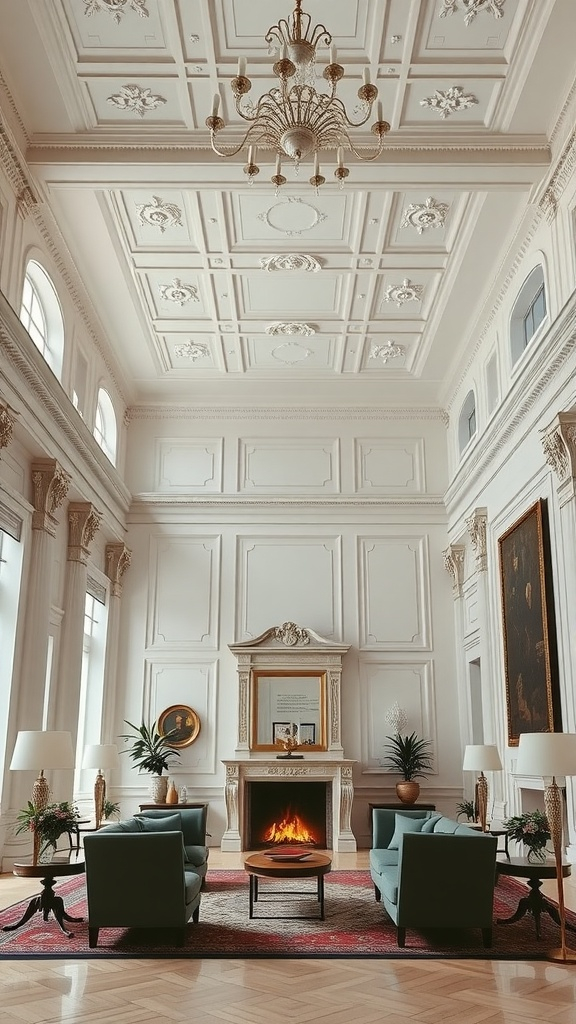
At the heart of neoclassical design is symmetry. It’s what makes our brains relax. When you walk into a room and see two matching lamps flanking a sofa, or windows aligned perfectly with a fireplace, there is an immediate sense of calm. It’s orderly. But in 2026, we don’t want rigid order. We want "soft symmetry." This means keeping the balanced layout but breaking up the stiffness with organic textures. Imagine a perfectly symmetrical wall paneling setup, but instead of a cold marble table in the center, you have a round, upholstered ottoman in a bouclé fabric. The structure is classical. The feel is cozy.
Start with your focal point. In most living rooms, this is the fireplace or the main window view. Build your furniture arrangement around this axis. If you have a sofa on one side, balance it with something of equal visual weight on the other. It doesn’t have to be an identical chair. It could be a floor lamp with a substantial base or a tall plant in a heavy ceramic pot. The goal is equilibrium, not duplication. This approach creates a space that feels intentional and grounded. It stops the room from feeling chaotic, which is essential for mental clarity in our fast-paced digital lives.
Don’t forget the vertical space. Classical design loves height. High ceilings are ideal, but if you’re working with standard heights, use vertical lines to draw the eye up. Floor-to-ceiling drapes are a classic move. Hang them high—close to the ceiling, not just above the window frame. This simple trick adds grandeur without costing a fortune. Pair this with modern, minimalist hardware. The contrast between the flowing fabric and the sleek metal rod bridges the gap between eras. It tells the story of a home that respects tradition but lives in the now.
Color Palettes: The Power of Neutral Nuance
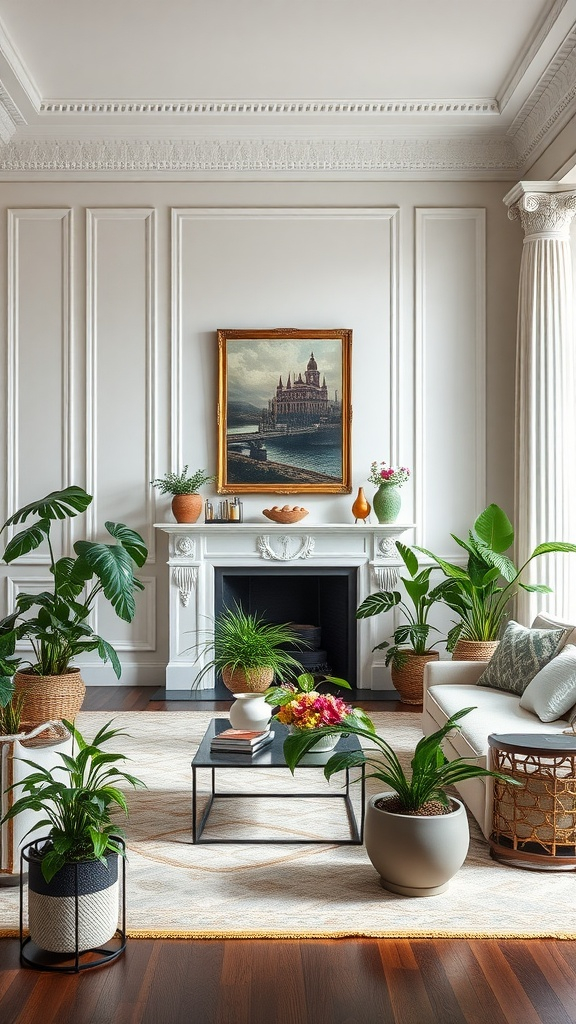
Color sets the mood. In modern neoclassical interiors, the palette is almost always neutral. But "neutral" doesn’t mean boring beige. In 2026, we are seeing a shift toward complex, layered neutrals. Think ivory, greige, soft taupe, and warm whites. These shades act as a canvas. They allow the architectural details to shine. When the walls are quiet, the moldings speak. A shade of white with a slight gray undertone can make crown molding pop without looking stark. It creates depth. It makes the room feel airy and expansive, even if the square footage is modest.
Layering is key here. You wouldn’t wear a monochrome outfit without varying textures, and you shouldn’t decorate a room that way either. Mix matte finishes with subtle sheens. A flat paint on the walls paired with a satin finish on the trim adds dimension. Then, bring in color through accessories, but keep it muted. Sage green, dusty blue, or terracotta can add warmth without disrupting the serene vibe. These earthy tones connect the interior to the natural world, reinforcing that sense of calm. It’s about creating a backdrop that feels timeless, not trendy.
Lighting plays a huge role in how these colors perceive. Natural light changes throughout the day, so test your paint samples at different times. Morning light is cooler; evening light is warmer. A color that looks crisp at noon might feel muddy at dusk. Consider adding warm-toned LED bulbs to your fixtures. In 2026, smart lighting allows you to adjust the temperature of your light based on the time of day. Cooler light for focus in the morning, warmer amber tones for relaxation in the evening. This technological ease blends seamlessly with the classical aesthetic, enhancing comfort without visible clutter.
Architectural Details: Less Is More
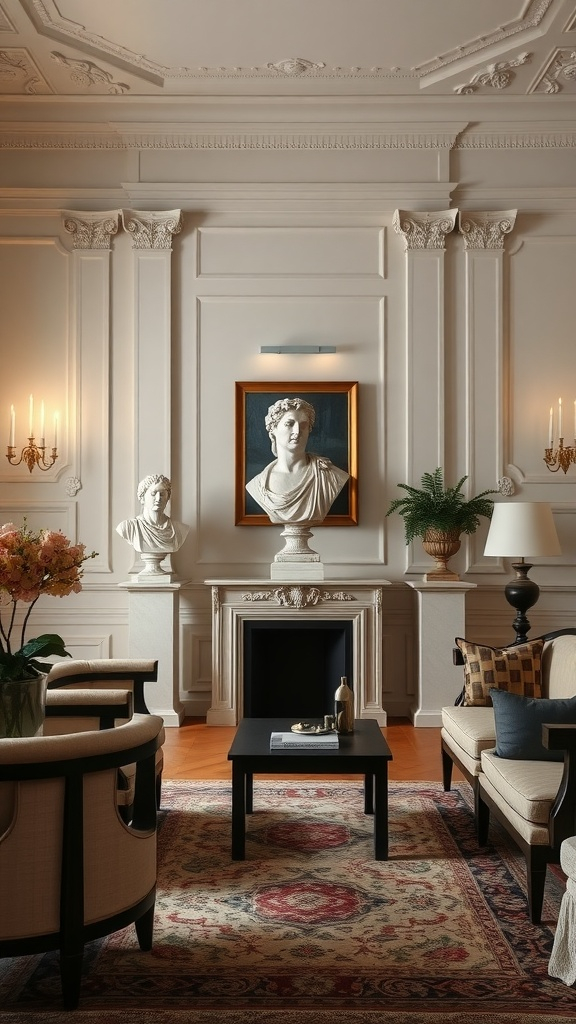
Neoclassical design is famous for its ornamentation. Columns, pediments, intricate friezes. But in a modern context, less is more. We are stripping back the excess to reveal the essence. Instead of heavy, carved columns, think of simplified pilasters. Instead of elaborate ceiling medallions, consider clean, geometric coving. The goal is to hint at the classical style without overwhelming the space. It’s about suggestion rather than declaration. This minimalism makes the style feel current and livable. It removes the visual noise that can make traditional spaces feel dated.
Molding is your best friend here. Wainscoting, chair rails, and picture frames on walls add instant character. But keep the proportions refined. In smaller rooms, avoid heavy, bulky moldings that eat up space. Opt for slender, elegant profiles. Paint them the same color as the walls for a monochromatic, sophisticated look. This technique, often called "tone-on-tone," creates a seamless flow. It makes the architecture feel like an integral part of the room, not an addition. It’s subtle luxury. The kind that you notice only when you pause to look.
Arches are another powerful tool. They soften the hard lines of rectangular rooms. If you can’t knock down walls to create real arches, consider arched mirrors or artwork. An arched floor mirror leaning against a wall reflects light and adds a classical shape without structural changes. It’s a small detail that makes a big impact. These elements break up the boxiness of modern construction. They introduce grace and movement. And in a world of straight edges and sharp corners, that curvature feels incredibly comforting to the human eye.
Furniture Selection: Bridging Eras
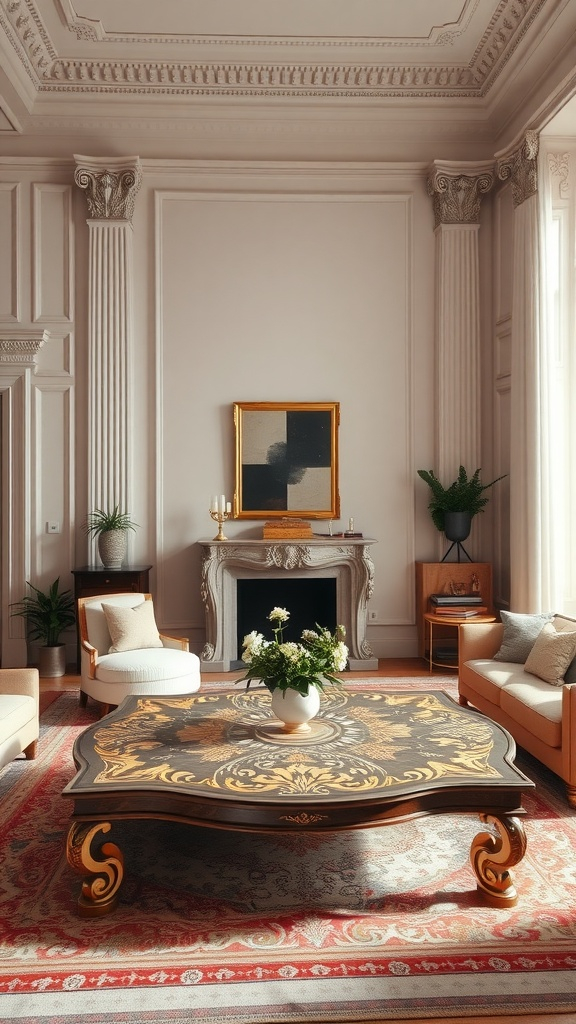
Furniture is where the rubber meets the road. This is where you truly blend the old and the new. The rule of thumb? Mix silhouettes. Pair a classic Chesterfield sofa with modern, streamlined armchairs. Or, take a traditional wooden dining table and surround it with contemporary acrylic or metal chairs. The contrast creates interest. It prevents the room from looking like a period piece. It shows that the space is curated, not copied. In 2026, people value uniqueness. They want their homes to tell a personal story, not just replicate a catalog.
Comfort is non-negotiable. A beautiful chair is useless if it hurts your back. Look for pieces with deep seats and soft cushions. Upholstery choices matter. Linen, cotton, and velvet are timeless fabrics that age well. They invite touch. Avoid stiff, formal fabrics that feel cold. Modern neoclassical is about inviting people in. It’s about hospitality. So, choose furniture that encourages lounging. A large, plush sectional can work in a neoclassical room if it’s tailored and structured. Avoid slouchy, oversized shapes that lack definition. Structure provides the elegance; padding provides the comfort.
Scale is crucial. Classical furniture tends to be large and imposing. Modern living spaces are often smaller. Be mindful of proportion. Don’t cram a massive, ornate cabinet into a tiny hallway. Instead, choose pieces with legs. Furniture that sits off the floor feels lighter and more open. It allows light to pass underneath, making the room feel bigger. This is a modern sensibility applied to classical forms. It keeps the air flowing. It keeps the energy moving. And it makes cleaning easier, which is a practical benefit we can all appreciate.
Textures and Materials: Tactile Harmony
Texture is the secret ingredient. It’s what makes a room feel rich without being flashy. In a neutral palette, texture does the heavy lifting. Mix smooth marble with rough linen. Pair polished brass with aged wood. These contrasts create a sensory experience. You want to run your hand along the surfaces. You want to feel the difference between the cool stone and the warm fabric. This tactile variety adds depth. It keeps the eye engaged. It prevents the space from feeling flat or sterile.
Natural materials are essential. Stone, wood, metal, glass. These elements ground the design. They connect the interior to the earth. In 2026, sustainability is a major concern. Choosing durable, natural materials is not just aesthetically pleasing; it’s responsible. Look for reclaimed wood beams or locally sourced stone. These pieces have history. They have character. They add a layer of authenticity that mass-produced items can’t match. They age beautifully. They develop a patina over time. This evolution is part of the charm.
Don’t forget the soft goods. Rugs, pillows, throws. These are easy ways to add warmth and color. A large area rug defines the space. It anchors the furniture. Choose natural fibers like wool or jute. They feel good underfoot. Layer smaller rugs for added interest. Pillows should be varied in size and texture. Mix embroidered classics with solid modern shapes. Throws draped over a chair add an inviting touch. They say, "Sit down. Stay a while." It’s these small details that make a house feel like a home.
Lighting is jewelry for the home. In neoclassical design, chandeliers are iconic. But you don’t need a crystal monster hanging from every ceiling. Choose fixtures with clean lines and classical motifs. A simple globe pendant in brass can echo the symmetry of the room without overpowering it. Layer your lighting. Use ambient light for overall illumination, task light for reading, and accent light for art. This layering creates mood. It allows you to change the atmosphere based on the occasion. Dimmers are your best friend. They give you control.
Art should complement the architecture. Large-scale paintings work well in symmetrical arrangements. Hang them at eye level. Center them over key furniture pieces. In 2026, there is a trend toward mixing classical art with modern abstracts. A traditional portrait next to a geometric print creates a dynamic tension. It shows confidence. It shows you don’t take yourself too seriously. Art is personal. Choose pieces that speak to you. Don’t buy art just to fill a wall. Buy it because it moves you. Because it makes you feel something.
Mirrors are also powerful tools. They reflect light and space. A large, gilded mirror can act as a focal point. It adds glamour without clutter. Place it opposite a window to maximize natural light. Or use it to darken corner. Mirrors expand the visual boundaries of a room. They make small spaces feel larger. They add a touch of mystery. In a neoclassical setting, they echo the grand halls of the past. But in a modern context, they serve a practical purpose. They are functional beauty.
Creating a modern neoclassical home is not about following strict rules. It’s about finding balance. It’s about honoring the past while embracing the present. It’s about creating a space that feels both elevated and accessible. In 2026, we crave stability. We crave beauty. We crave comfort. This style offers all three. It’s a sanctuary from the chaos outside. It’s a place to rest, to recharge, to be.
So, start small. Add some molding. Change your lighting. Swap out a pillow. See how it feels. Listen to your space. Let it guide you. There is no right or wrong. There is only what works for you. What makes you feel at peace. What makes you feel at home. That is the true essence of design. It’s not about impressing others. It’s about nurturing yourself. And in the end, isn’t that what home is all about?