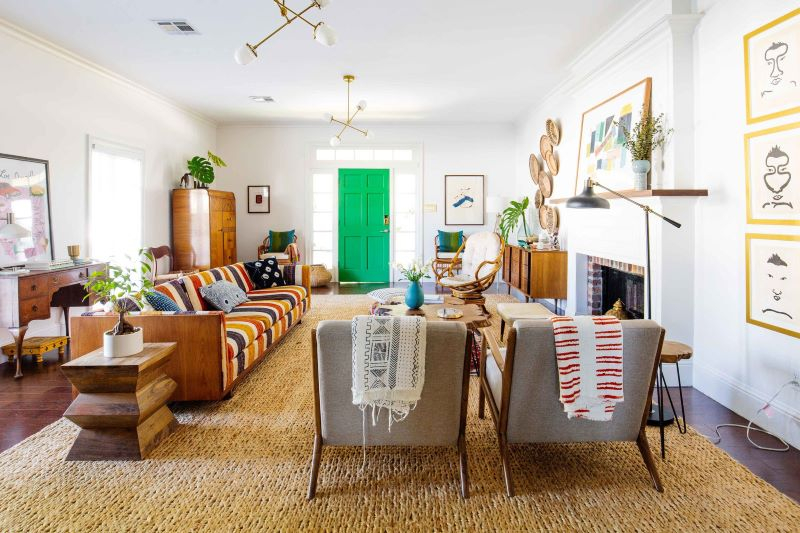
Remember when we were all told that a clutter-free counter meant a clutter-free mind? For a decade, we scrubbed our homes clean. We hid the books. We tucked away the mismatched mugs. We lived in spaces that looked like high-end hotel lobbies—beautiful, sure, but utterly devoid of pulse. It was quiet luxury. It was safe. But lately, something has shifted. Have you noticed?
Walk into a home in 2026, and the vibe is different. It’s louder. Warmer. There’s a velvet chair that’s seen better days sitting next to a sleek, modern lamp. A gallery wall isn’t curated by an algorithm; it’s a chaotic mix of postcards, family photos, and weird art finds. We are done with the museum look. We want our homes to hug us back. This isn’t just about adding more stuff. It’s about adding meaning. We are moving beyond the binary of minimalism versus maximalism into a new era: Personalized Newstalgia.
The Great Un-Editing of Home Design
Let’s be honest. Minimalism had its moment. It gave us breathing room in a world that felt too fast. But for many, it started to feel like holding your breath. You couldn’t relax because you were afraid to mess up the aesthetic. The shift we are seeing now isn’t a rejection of order, exactly. It’s a rejection of emptiness. People are tired of living in showrooms. They want spaces that reflect the messy, beautiful reality of being human.
This new approach is less about "more is more" and more about "this matters to me." It’s a personality makeover for your house. Instead of asking, "Does this fit the trend?" homeowners are asking, "Does this bring me joy?" or "Does this remind me of my grandmother’s kitchen?" It’s a full-blown embrace of imperfection. A scratch on the table isn’t a flaw; it’s a memory. A faded rug isn’t dirty; it’s history. We are finally giving ourselves permission to live in our homes, not just look at them.
The data backs this up, too. Designers report that clients are no longer asking for neutral palettes that appeal to everyone. They are asking for bold colors, clashing patterns, and pieces with provenance. It’s a reaction to the digital fatigue of the last few years. When our work lives are virtual and sterile, our physical spaces need to be tactile and rich. We crave texture. We crave weight. We crave things that feel real under our fingertips.
What Is Newstalgia, Anyway?
You might have heard the term thrown around. Newstalgia. It sounds like a marketing buzzword, but it’s actually a pretty simple concept. It’s the blend of the new and the nostalgic. It’s taking a vintage find—maybe a mid-century credenza or a 1970s ceramic vase—and placing it in a contemporary setting. It’s not about recreating the past. It’s about letting the past converse with the present.
Think of it as a dialogue between eras. A shiny, modern metal table paired with a worn, leather armchair. A crisp, white wall adorned with a tapestry that’s been in your family for generations. This interplay creates a layered aesthetic that feels both current and timeless. It stops a room from feeling too cold (too new) or too dusty (too old). It strikes a balance. It’s evocative without being stuck in a time capsule.
Why does this resonate so much right now? Because we are living through rapid change. Technology moves fast. Trends move faster. Anchoring ourselves with objects from the past provides a sense of stability. It’s comforting. But we don’t want to live in the past. We want to move forward. Newstalgia allows us to do both. It honors where we came from while celebrating where we are. It’s a design philosophy that respects heritage but refuses to be bound by it.
Storytelling Over Styling
In 2026, the most important design element in your home isn’t the sofa. It’s the story. Personal storytelling has trumped trending styles. If you walk into a room and can’t tell anything about the person who lives there, the design has failed. This is the core of the new movement. It’s about curation, not consumption. It’s about collecting moments, not just things.
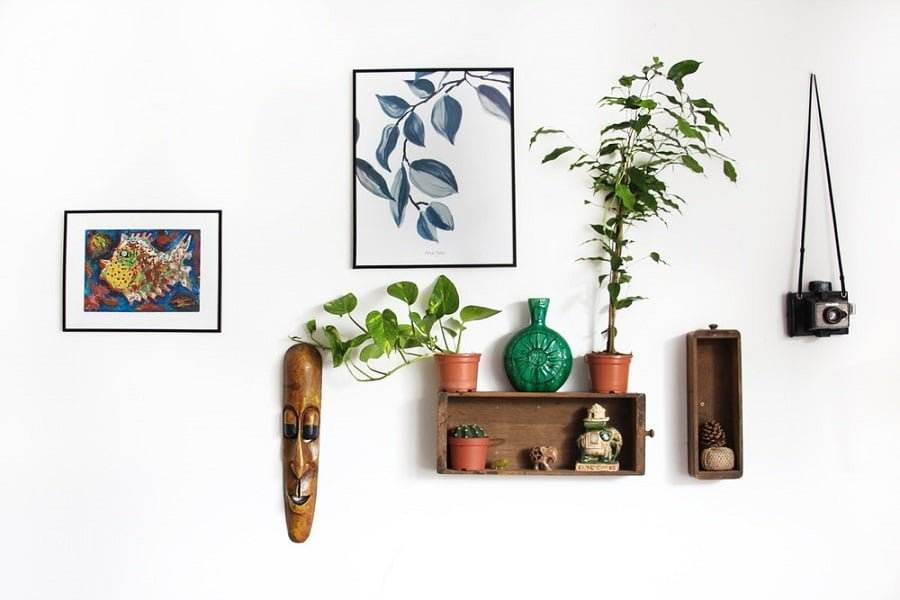
This means your home might look a bit eclectic. And that’s okay. Actually, it’s better than okay. It’s authentic. Maybe you have a shelf dedicated to rocks you collected on hikes. Maybe your kitchen features tiles from a trip to Portugal ten years ago. These aren’t just decorations. They are anchors to your life experiences. They invite conversation. They make guests feel welcome because they see you, not just a catalog page.
Designers are encouraging this visual rhythm. Instead of uniformity, they want harmony through variety. Rich textiles, sculptural lighting, mixed metals—they all work together to create a scene. But the key word is intentional. It’s not clutter. Clutter is accidental. This is thoughtful abundance. Every object has a seat at the table. If it doesn’t speak to you, it doesn’t stay. This selectivity is what keeps the space from feeling chaotic. It’s a curated chaos, if you will.
The Wellness Connection: Healing Through Space
Here’s something interesting. This shift isn’t just aesthetic. It’s therapeutic. We are starting to understand that our environments impact our mental health deeply. Sterile, minimalist spaces can sometimes feel isolating. They can increase anxiety because they demand perfection. In contrast, a personalized, layered space can feel like a sanctuary. It’s a form of self-care.
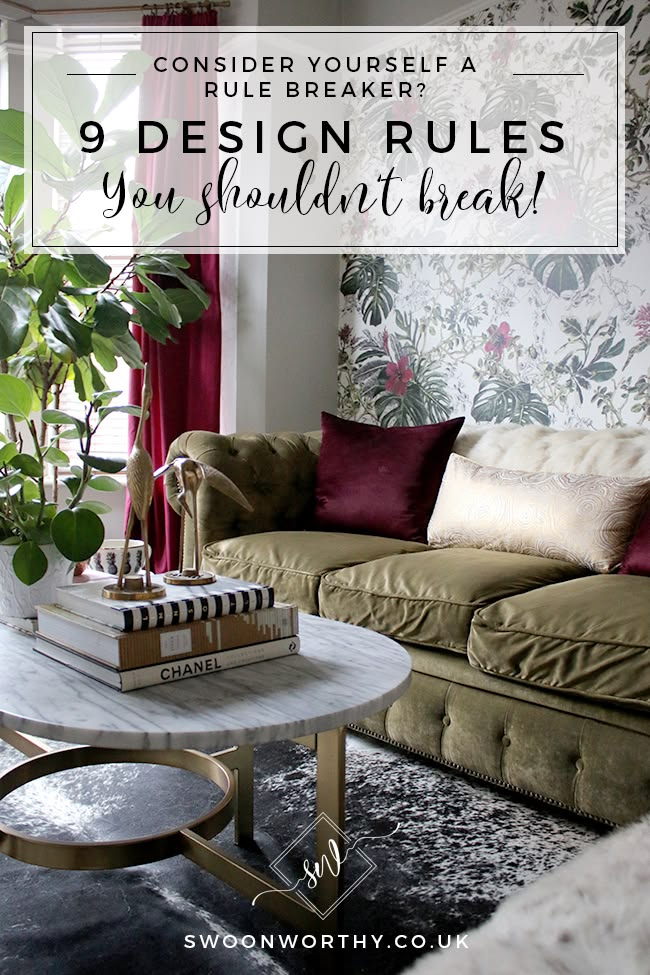
Think about the concept of "healing interiors." When you surround yourself with things you love, things that have emotional resonance, you lower your stress levels. It’s psychological comfort. A soft, worn blanket feels safer than a stiff, new one. A photo of a loved one brings more peace than a generic abstract print. This is why we are seeing a rise in "moody maximalism." Darker walls, plush fabrics, intimate lighting. These elements cocoon us. They protect us from the noise of the outside world.
It’s also about sensory engagement. Minimalism often appeals to the eye. Newstalgic maximalism appeals to all the senses. The smell of old books. The roughness of a handmade bowl. The sound of a heavy curtain closing. These sensory details ground us. They bring us into the present moment. In a world that constantly pulls our attention away, our homes are becoming places where we can truly arrive. It’s design as therapy. And honestly? We could all use a little more of that.
How to Start Your Own Newstalgic Journey
So, how do you actually do this? You don’t need to gut your house. You don’t need a huge budget. In fact, this style favors the slow accumulation of treasures over the quick buy. Start small. Look around your home. What do you already have that has meaning? Maybe it’s a quilt your aunt made. Maybe it’s a set of dishes from your first apartment. Bring those things out of storage. Put them on display.
Next, look for contrast. If you have a lot of modern pieces, try adding one vintage item. Go to a flea market. Visit an estate sale. Look for something that speaks to you, not something that matches your couch. Don’t worry about perfect coordination. Worry about connection. Mix materials. Pair wood with glass. Soft with hard. Matte with glossy. This tension creates interest. It makes the eye travel around the room.
And please, let go of the fear of mistakes. There is no wrong way to do this. If you put a bright yellow chair in a blue room and it feels good to you, then it works. Trust your gut. Your intuition is your best designer. Layer textures. Add plants. Hang art that makes you laugh or cry or think. Make your space a reflection of your inner world. It’s a process, not a project. Take your time. Enjoy the hunt. Enjoy the arrangement.
Where is this all heading? If 2026 is any indication, the future of interior design is deeply personal. We are moving away from monolithic trends. There is no single "look" anymore. There are only individual expressions. This is liberating. It means you don’t have to keep up with the Joneses. You just have to keep up with yourself.
We are also seeing a sustainability angle here. Buying vintage, keeping old furniture, repairing instead of replacing—it’s all part of this ethos. It’s conscious consumption. We are valuing quality and longevity over fast furniture. This aligns with a broader cultural shift towards responsibility and mindfulness. Our homes are becoming archives of our values. They show that we care about history, about craft, about the planet.
So, expect to see more color. More pattern. More soul. Expect to see homes that look lived-in. Books on the floor. Coats on chairs. Life happening. This is the end of the perfect home. And thank goodness for that. Because a perfect home is boring. A real home is alive. It breathes. It changes. It grows with you. And that is something worth celebrating.
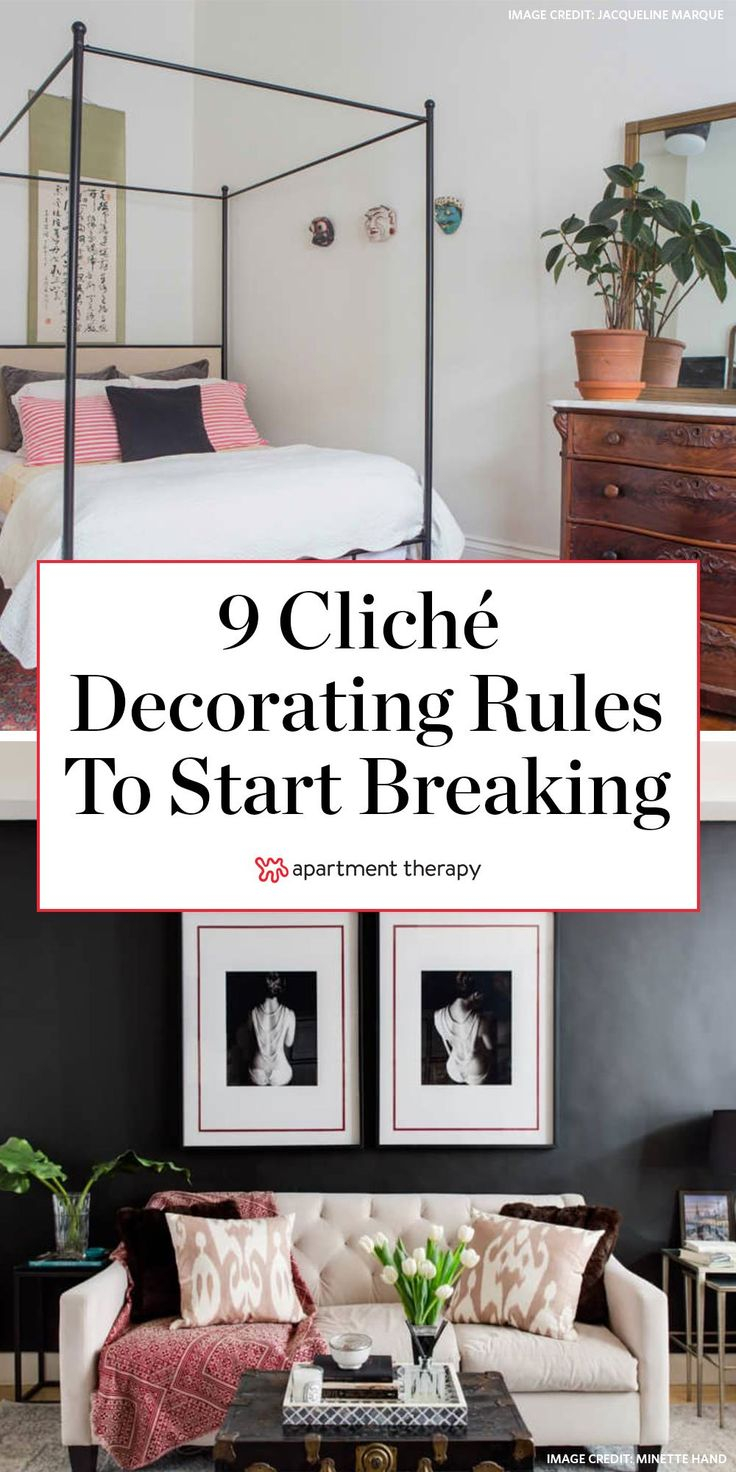
In the end, it’s not about minimalism or maximalism. It’s about authenticity. It’s about creating a backdrop for your life that supports you, inspires you, and comforts you. It’s about making your space a true extension of who you are. So go ahead. Buy the weird lamp. Hang the ugly painting if it means something to you. Mix the metals. Break the rules. Your home is your story. Make it a good one.