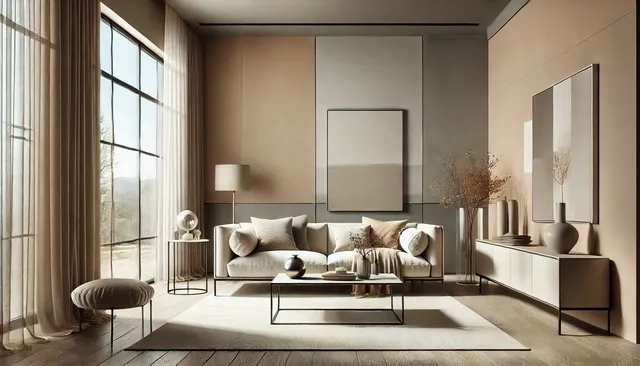
Remember those stark, white rooms we all obsessed over a decade ago? The ones that looked incredible in photos but felt a bit like waiting rooms for a very chic dentist? Yeah, those are gone. Or at least, they should be. If you walk into a truly modern home today, in mid-2026, the first thing you notice isn’t the color palette or the brand of the sofa. It’s the vibe. It’s the way the air feels heavier, warmer, safer. It’s the immediate exhale your body takes before your brain even registers why.
We are living through a quiet revolution. It’s not loud. There are no neon signs announcing it. But look around. The sharp edges are softening. The cold metals are being wrapped in wood and wool. We are collectively tired of performing for our living spaces. For years, we treated our homes like stages, curating them for an invisible audience of Instagram followers or potential buyers. Now? We’re designing for the person who actually lives there. You. Me. The dog who needs a nap spot that isn’t just "aesthetic" but actually comfortable. This shift from aesthetics to feeling isn’t just a trend; it’s a correction. It’s us finally admitting that a home is a tool for living, not just a backdrop for it.
The Death of the Perfect Photo
Let’s be honest for a second. How many times have you sat on a beautiful chair that made your back ache after ten minutes? Or avoided touching a pristine, cream-colored rug because you were terrified of spilling coffee? That tension? That’s the cost of pure aesthetics. For a long time, design was about visual purity. It was about lines, symmetry, and looking "expensive." But in 2026, we’re seeing a massive pushback against that rigidity. Sources like Victorious Interiors have noted this move toward softer, more emotional interiors, and it’s everywhere. We are rebalancing modern design to support how people actually live.
Think about it. Life is messy. It’s loud. It’s unpredictable. When our environments are too rigid, they fight against us. They demand perfection from imperfect humans. That creates a low-level hum of anxiety. You’re always on guard. You’re always cleaning, adjusting, straightening. The new wave of design rejects that. It embraces the "lived-in" look not as a failure of maintenance, but as a success of habitation. It’s about materials that age well, fabrics that invite touch, and layouts that allow for chaos. The goal isn’t to look good for a photo; it’s to feel good for a lifetime.
This doesn’t mean we’ve abandoned style. Far from it. But the definition of style has changed. It’s no longer about having the "right" objects. It’s about having the right feeling. A cluttered shelf with books you’ve actually read and souvenirs from trips that meant something to you is now considered more stylish than a perfectly styled, untouched vignette. Why? Because it has soul. It has history. It connects. And in a world that’s increasingly digital and disconnected, that connection is the most luxurious thing we can own.
Sensory Layers Over Visual Lines
So, if we aren’t focusing just on how things look, what are we focusing on? Everything else. Touch. Sound. Smell. Light. This is what experts at Istituto Marangoni call "multisensory design." It’s the idea that a room communicates with your body, not just your eyes. In 2026, designers are obsessing over texture. Not just visually interesting texture, but tactile texture. Think about the difference between running your hand over cold, polished marble versus warm, oiled walnut. One is impressive; the other is comforting. We are choosing the walnut.
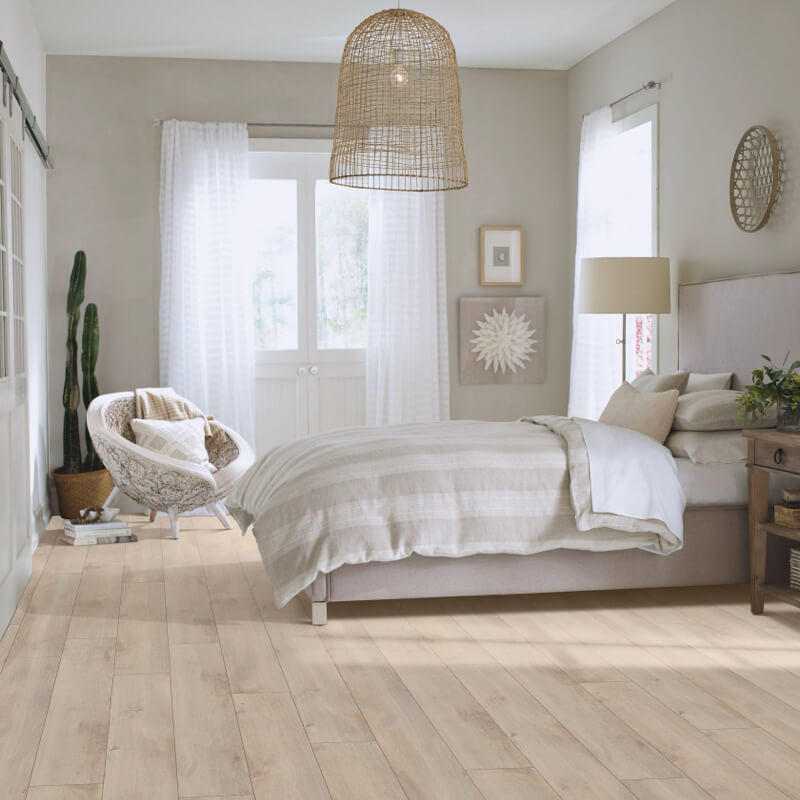
Lighting plays a huge role here too. Remember when everyone had those bright, cool-white LED downlights that made everything look like a hospital? Thank goodness those are fading out. The current approach favors layered, warm lighting that mimics the natural rhythm of the day. Dimmers aren’t an upgrade anymore; they’re a necessity. We’re using lamps with fabric shades to diffuse light, creating pools of warmth rather than flooding a room with glare. It changes the mood instantly. It tells your nervous system that it’s okay to relax. It’s a subtle cue, but our bodies pick up on it immediately.
And let’s talk about sound. Hard surfaces bounce noise around. They make a space feel chaotic and stressful. The shift toward emotional design means introducing softness to absorb sound. Thick rugs. Heavy curtains. Upholstered walls. Even the choice of plants can dampen acoustics. When a room is quiet, or at least acoustically soft, it feels intimate. It feels like a sanctuary. This is why you see so many textured textiles and organic materials in modern homes right now. They aren’t just there to look pretty; they’re there to hush the world outside. They create a buffer between you and the noise of modern life.
Biophilia as Emotional Anchor
You’ve heard of biophilic design, right? Bringing nature indoors. But in 2026, it’s gone deeper than just putting a fiddle leaf fig in the corner. It’s about forging a genuine, biological connection with the natural world. Why? Because we are stressed. We are screen-fatigued. Our brains are craving the irregular, calming patterns of nature. Studies, including those highlighted by ASID, show that these connections promote social engagement and well-being. It’s not just about aesthetics; it’s about health.
This looks like using materials that haven’t been overly processed. Stone with visible veins. Wood with knots and grain variations. Cotton, linen, wool. Materials that breathe. It also means maximizing natural light and views. If you have a window, don’t block it with heavy, opaque drapes during the day. Let the sky in. Let the rain in (visually, anyway). The changing light of the day becomes part of your interior decor. It keeps you connected to the passage of time, which is grounding. In a world of artificial deadlines and digital notifications, knowing that the sun is setting because the light in your living room is turning gold is a powerful reminder of reality.
It’s also about scent and air quality. We’re more aware than ever of what we’re breathing. Plants aren’t just decor; they’re air filters. Natural ventilation is prized over sealed, climate-controlled boxes. The smell of real wood, or beeswax polish, or fresh herbs from a kitchen garden window box—these are sensory anchors. They trigger memories and feelings of safety and abundance. This is the core of the emotional shift. We aren’t just decorating a box; we are cultivating an ecosystem that supports our mental and physical health. It’s holistic. It’s holistic in a way that feels less like a wellness trend and more like common sense.
The Rise of Imperfection and Memory
Here’s a radical idea for 2026: Your home should tell your story. Not the story you want to project to others, but the real one. This means embracing imperfection. The Japanese concept of wabi-sabi—finding beauty in the incomplete and impermanent—has fully merged with Western interior design. We’re seeing a move away from mass-produced, flawless furniture toward pieces with character. Hand-thrown ceramics that aren’t perfectly symmetrical. Vintage rugs with worn spots. Tables with scratches that mark where you ate dinner with your family for ten years.
These items do something crucial: they trigger memory. As noted in recent design analyses, contemporary approaches value the ability of a space to evoke emotions and trigger memory. A sleek, new sofa is nice. But a sofa that you inherited from your grandmother, reupholstered in a fabric you love, carries weight. It carries love. It makes a house feel like a home. This is the antithesis of the fast-furniture culture. It’s about slowing down. It’s about choosing fewer things, but better things. Things that last. Things that mean something.
This also gives us permission to be eclectic. You don’t need to stick to one "style." If you love mid-century modern but also have a collection of colorful folk art from your travels, mix them. The cohesion comes from the feeling, not the label. Does it feel right? Does it bring you joy? Then it belongs. This freedom is liberating. It takes the pressure off "getting it right" according to some magazine editor’s rules. Instead, you get to decide what matters. And usually, what matters is the stuff that makes you feel something.
Functionality as Care
Let’s talk about utility. For a long time, "functional" was seen as the boring cousin of "beautiful." If it was practical, it wasn’t stylish. That binary is dead. In 2026, functionality is a form of care. Designing a space that works well for your specific life is an act of self-love. If you love to cook, your kitchen shouldn’t just look like a showroom; it should have counter space where you actually need it, drawers that glide smoothly, and lighting that doesn’t cast shadows on your chopping board. That’s emotional design. It removes friction from your day.
Smart home technology is part of this, but not in a flashy, gadget-heavy way. It’s about invisible convenience. Lights that adjust automatically as the sun sets. Thermostats that learn your preferences so you’re never too cold or too hot. These aren’t toys; they’re tools that reduce decision fatigue. They handle the small stresses so you can focus on living. As Yanko Design pointed out, Americans are embracing practical innovations that make daily life more comfortable and sustainable. It’s not about the tech itself; it’s about the ease it provides.
Sustainability is also tied to this. Choosing durable, non-toxic materials isn’t just good for the planet; it’s good for your peace of mind. Knowing that your floor isn’t off-gassing chemicals, or that your furniture wasn’t made in a sweatshop, allows you to rest easier in your space. Ethical design is emotional design. It aligns your values with your environment. When your home reflects your values, you feel a sense of integrity and calm. You aren’t living in contradiction. That’s a huge part of the "feeling" we’re chasing. It’s the feeling of alignment.
Designing for Neurodiversity and Well-being
Finally, and perhaps most importantly, we are recognizing that everyone experiences space differently. The one-size-fits-all approach to design is obsolete. We are designing for neurodiversity. For some people, a minimalist, empty room is calming. For others, it’s terrifyingly sterile and anxiety-inducing. Some people need deep, cocooning corners to feel safe. Others need open, airy spaces to think clearly. In 2026, the best designers are asking: "How does your brain work?" before they pick a paint color.
This means creating zones for different states of being. A high-energy zone for working or playing. A low-stimulation zone for decompressing. Maybe that’s a reading nook with noise-canceling features and soft, muted colors. Maybe it’s a vibrant kitchen with bold tiles that spark creativity. It’s about customization. It’s about acknowledging that our mental health is tied to our physical environment. Ohio University’s research on interior design as a catalyst for well-being highlights this, emphasizing lighting, ergonomics, and sustainability as tools for health.
This shift is inclusive. It acknowledges that disability, age, and sensory processing differences matter. Wide doorways aren’t just for wheelchairs; they make a space feel more open and flowing. Lever handles are easier for everyone, not just those with arthritis. Good contrast helps people with low vision navigate safely. When we design for the margins, we design better for everyone. It’s a compassionate approach. It says: "You belong here, exactly as you are." And honestly, isn’t that what a home should say?
So, where does this leave us? It leaves us with homes that are softer, kinder, and more human. The shift from aesthetics to feeling isn’t about rejecting beauty. It’s about redefining it. Beauty isn’t just what looks good; it’s what feels good. It’s the warmth of a wooden floor under bare feet. It’s the glow of a lamp on a rainy evening. It’s the comfort of a chair that holds you when you’re tired. It’s the peace of a room that doesn’t demand anything from you except your presence.
As we move further into 2026, expect to see more of this. More texture. More warmth. More personality. Less perfection. We’re done with trying to impress strangers. We’re ready to nurture ourselves. And that’s a beautiful thing. It’s a return to the essence of what a home is supposed to be: a refuge. A place where you can take off the mask and just be. So, look around your own space. What feels stiff? What feels cold? What feels like it’s for someone else? Start there. Soften an edge. Add a texture. Turn down the lights. Let your home hug you back.
It’s not about doing a full renovation. It’s about small, intentional shifts. Swap a harsh bulb for a warm one. Throw a chunky knit blanket over the sofa. Put a plant on that empty shelf. Notice how it changes the feeling. Trust your instincts. If it feels right, it is right. Your home is yours. Make it feel like you. Because in the end, the best design isn’t the one that wins awards. It’s the one that helps you breathe.