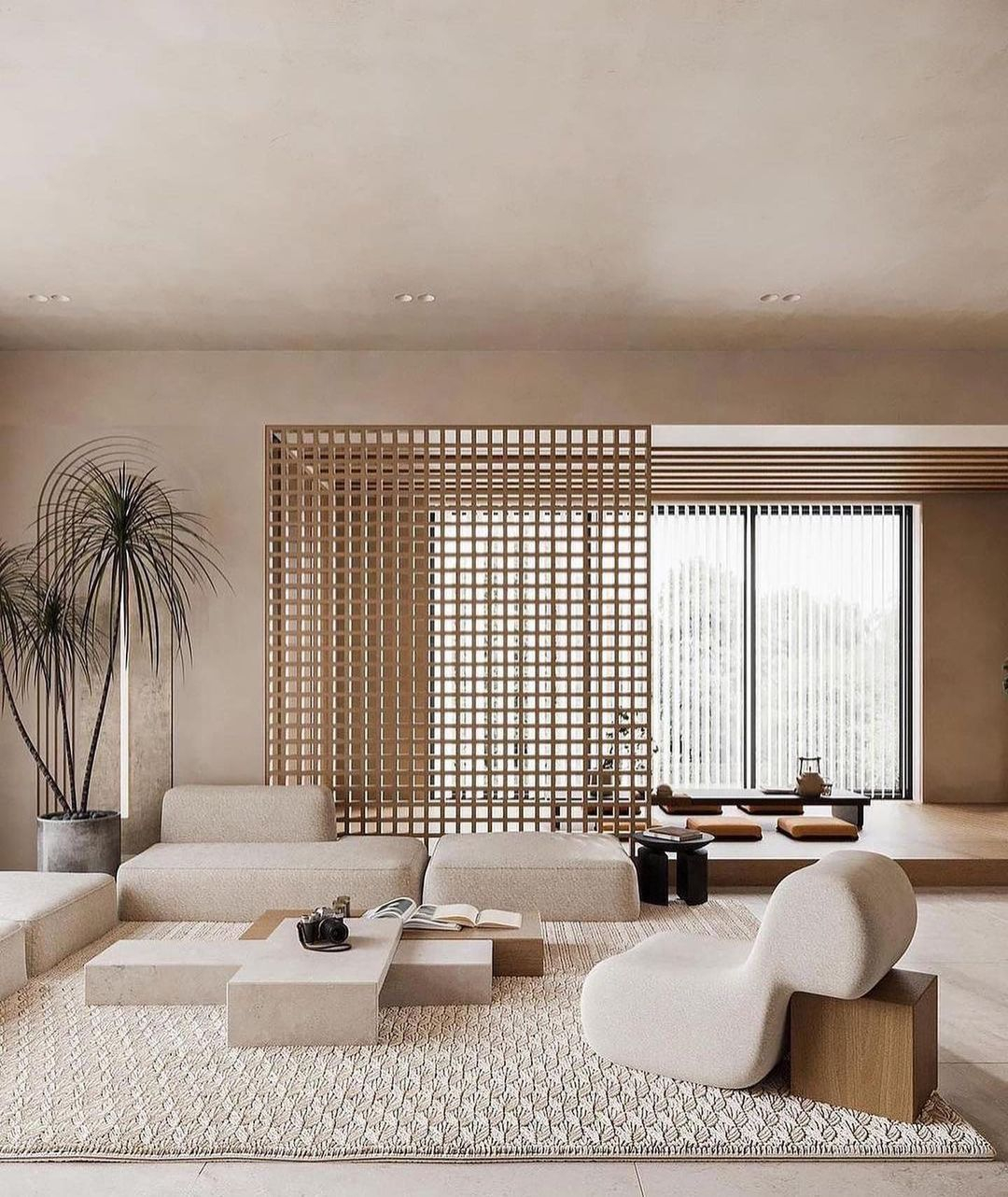
Have you ever walked into a room and felt instantly tense? Maybe it was the sharp corners of the furniture, or the rigid, boxy layout that felt more like an office cubicle than a sanctuary. It’s a strange thing, isn’t it? We spend so much time trying to make our homes look "clean" and "organized," but we forget that nature doesn’t do straight lines. You won’t find a perfect 90-degree angle in a forest or on a beach. Yet, here we are, surrounding ourselves with rectangles.
In 2026, the conversation around home design has shifted. It’s not just about adding a potted fern to the corner anymore. While plants are great—don’t get me wrong—the real magic happens when we start mimicking the shapes of nature. This is where biophilic curves come in. They aren’t just a trend; they’re a return to how our brains are wired to feel safe and calm. By softening the hard edges of our daily living areas, we can trick our nervous systems into exhaling. It’s subtle, but the impact is profound.
Let’s talk about how to actually do this without knocking down walls or spending a fortune. It’s easier than you think.
Why Our Brains Crave the Curve
To understand why we need curves, we have to look at evolution. For thousands of years, humans lived in environments dominated by organic shapes. Rolling hills, winding rivers, the arch of a tree branch. Sharp angles and straight lines are largely inventions of the industrial age. When we see a sharp corner, our primal brain sometimes registers it as a potential threat. Is something going to poke me? Is there danger around that blind corner? It’s a low-level hum of anxiety that many of us don’t even notice until it’s gone.
Research in environmental psychology has consistently shown that spaces with curved elements reduce stress and promote emotional well-being. In fact, recent studies from the mid-2020s suggest that people perceive curved interiors as more beautiful and inviting than their angular counterparts. It’s not just aesthetic; it’s physiological. When you introduce curves, you’re signaling safety to your body. You’re saying, "You can relax here."
Think about the last time you felt truly at ease. Chances are, you weren’t sitting in a rigid, upright chair in a square room. You were probably curled up on a soft, rounded sofa, or walking along a path that wound gently through a park. That feeling of flow? That’s what we’re trying to capture indoors. It’s about creating a visual rhythm that guides the eye smoothly, rather than stopping it abruptly at every edge.
Swap Hard Furniture for Soft Silhouettes
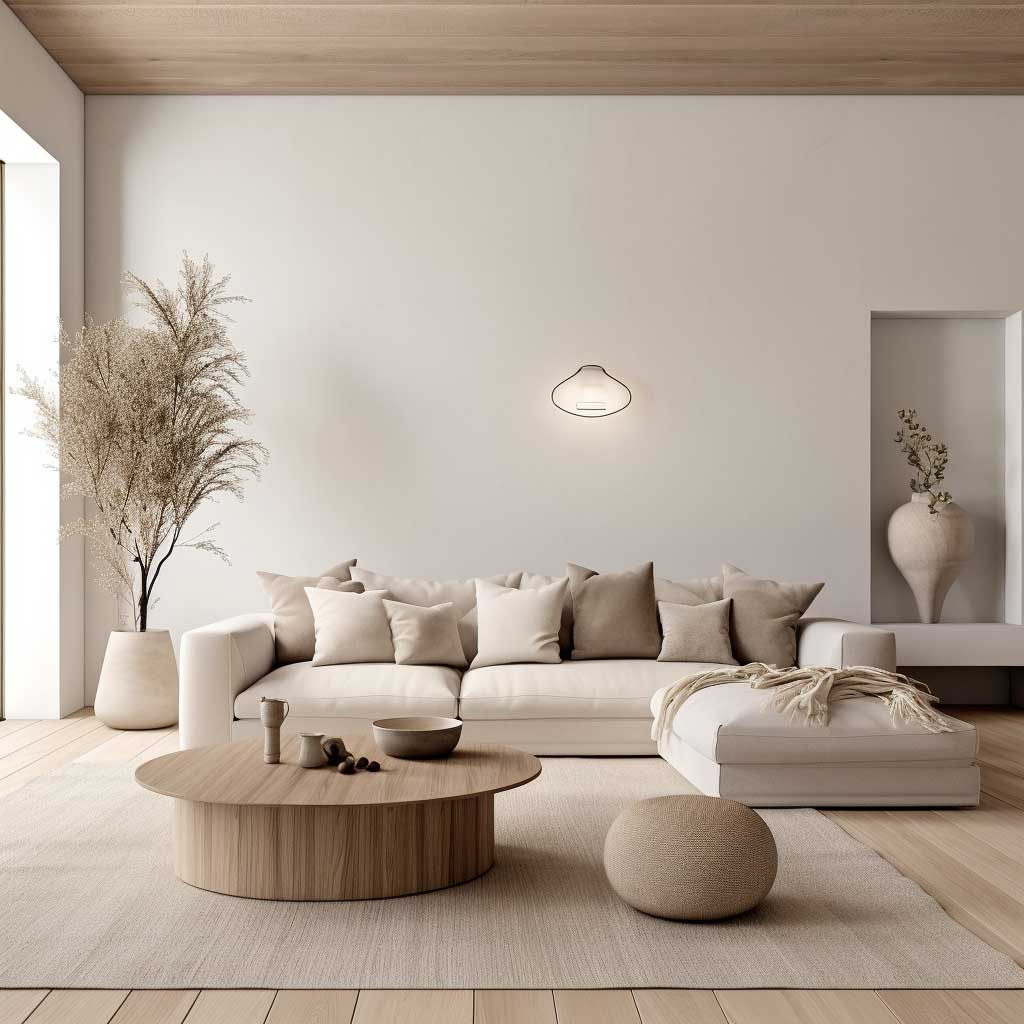
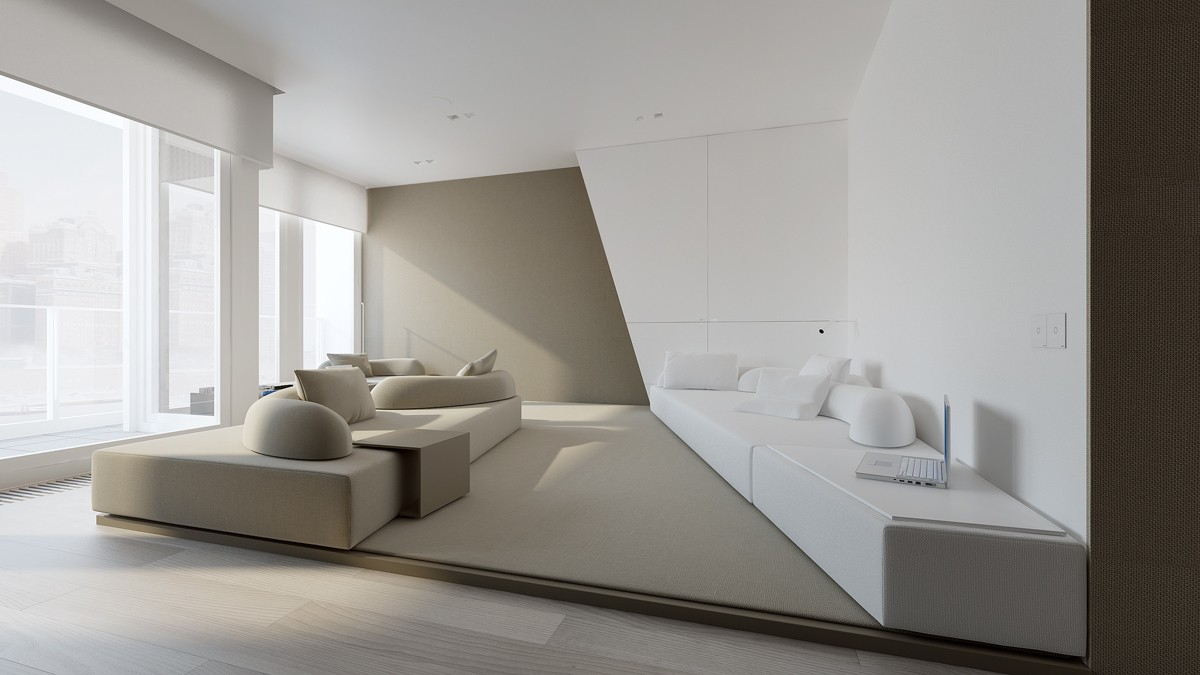
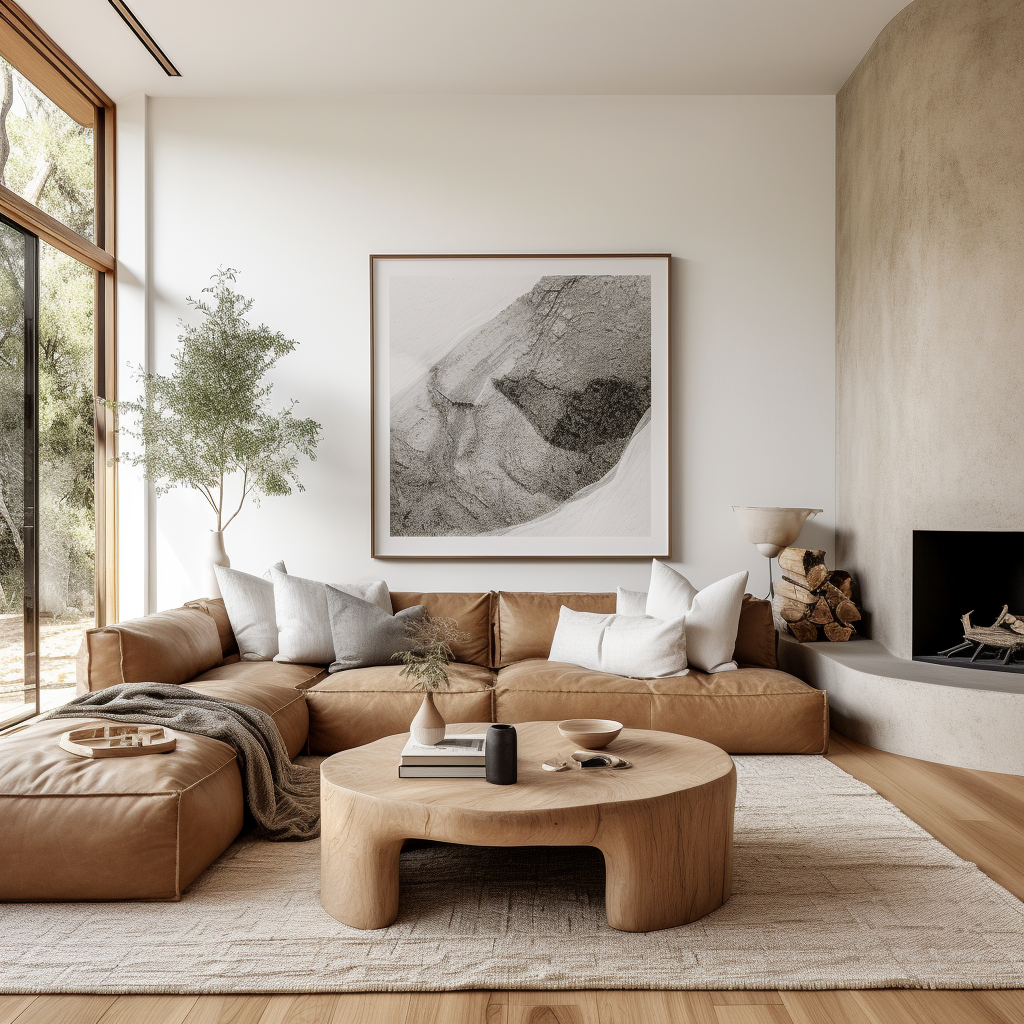
The biggest offenders in most living rooms are the big-ticket items: sofas, coffee tables, and armchairs. If you’re looking to introduce biophilic curves, this is the best place to start. You don’t need to replace everything, but consider the next time you upgrade. Look for sofas with rounded backs or kidney-bean shapes. These pieces break up the monotony of rectangular floor plans and create a more conversational, intimate atmosphere.
If buying new furniture isn’t in the budget right now, don’t worry. You can soften what you already have. Throw pillows are your best friend here. Ditch the square inserts for round bolsters or oversized, floppy cushions that slump naturally. A round ottoman can replace a sharp-edged coffee table, serving as both a footrest and a surface for your morning coffee. It’s safer for kids, too—no bruised shins.
Rugs are another easy win. A circular or oval rug can anchor a seating area and visually disrupt the grid of the room. It draws the eye inward and creates a sense of cohesion. In 2026, we’re seeing a huge rise in hand-tufted wool rugs with irregular, organic borders. They look like puddles of water or stones worn smooth by a river. Placing one under your dining table or in the living room instantly adds that layer of natural softness.
Embrace Arched Doorways and Mirrors
Architecture often feels permanent, but you’d be surprised how much you can change with simple additions. Arches are the quintessential biophilic curve. They mimic the canopy of a forest or the entrance to a cave. If you’re renting or can’t renovate, you can still get this effect. Lean a large, arched mirror against a wall. It reflects light and adds a graceful vertical curve that draws the eye upward, making the ceiling feel higher and the space airier.
Window treatments matter, too. Instead of stark, horizontal blinds, try flowing curtains that pool slightly on the floor. The fabric creates soft, vertical folds that move with the breeze. It’s a dynamic element that brings life to the window frame. If you have the ability to make small structural changes, consider rounding off the corners of drywall in high-traffic areas. It’s a small detail that makes a hallway feel less like a corridor and more like a passage.
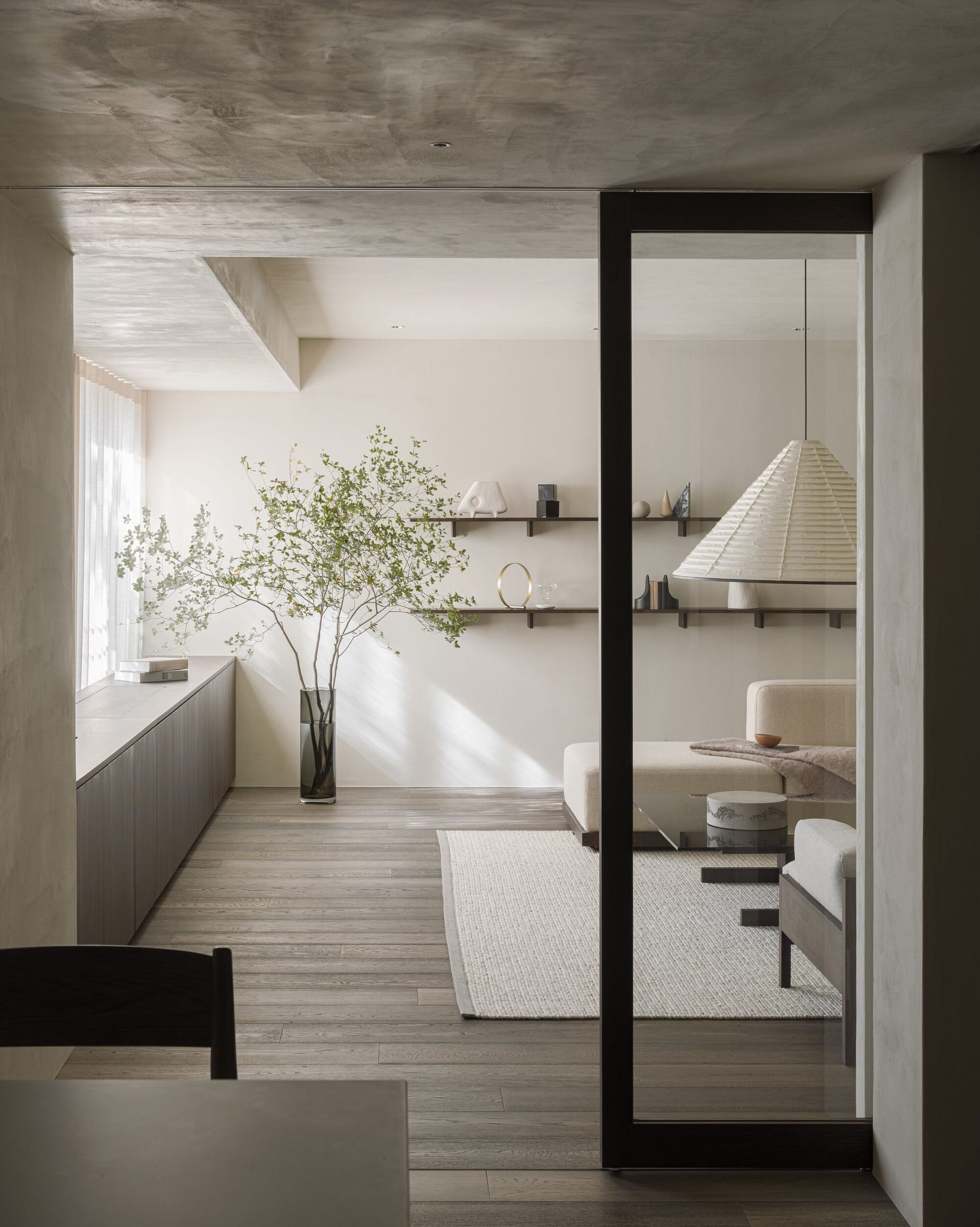
Lighting fixtures offer another fantastic opportunity. Swap out geometric, boxy lampshades for ones made of woven rattan, paper, or fabric with curved profiles. A pendant light with a bulbous, organic shape can act as a sculptural centerpiece. In the evening, the way light diffuses through these curved materials creates a warm, dappled effect, similar to sunlight filtering through leaves. It’s cozy. It’s inviting. And it costs very little to change.
Incorporate Natural Materials with Organic Textures
Biophilic design isn’t just about shape; it’s about texture. Nature is rarely smooth or uniform. It’s rough, knobby, grainy, and varied. When we bring these textures into our homes, we add depth and interest that flat, painted surfaces lack. Wood is the obvious choice, but look for pieces that highlight the natural grain and knots. A live-edge wooden shelf, where the bark is still visible, introduces an irregular, curving line that is impossible to replicate with machine-made furniture.
Stone and clay are also excellent options. Consider a ceramic vase with an imperfect, hand-thrown shape. The slight asymmetry makes it feel human and connected to the earth. In 2026, there’s a growing appreciation for "wabi-sabi" aesthetics, which celebrate imperfection. A stone tray with rounded edges, or a set of coasters made from sliced agate, can add small touches of organic curvature to your tabletops.
Don’t forget about textiles. Linen, cotton, and wool have natural fibers that drape and fold in soft ways. Avoid stiff, synthetic fabrics that hold rigid shapes. Instead, choose throws and blankets that look inviting to touch. A chunky knit blanket draped over the arm of a chair adds a tactile curve that invites you to sit and stay awhile. It’s about engaging all the senses, not just sight.
Create Flow with Layout and Pathways
How you arrange your furniture is just as important as what you buy. Most of us push our furniture against the walls, creating a large, empty rectangle in the center of the room. This feels formal and stiff. Try pulling pieces away from the walls. Float a sofa in the middle of the room, or angle a chair slightly to break the parallel lines. This creates diagonal pathways that encourage movement and exploration.
Think about how you walk through your space. Are you navigating around sharp corners? Try to create clear, sweeping paths. A curved arrangement of chairs around a fireplace, for example, fosters better conversation than a rigid row. It mimics the way people naturally gather around a campfire. The goal is to eliminate obstacles and create a sense of ease.
Plants can help define these curved zones, too. Instead of lining them up on a windowsill, group them in clusters of varying heights. Use a tall fiddle leaf fig to mark one side of a seating area, and a trailing pothos to soften the other. The visual weight of the plants creates a natural boundary that feels permeable and soft, unlike a wall or a screen. It guides the eye and the body through the space in a gentle, meandering way.
You don’t need a designer to start this process. There are plenty of quick, low-cost hacks you can try this weekend. One of my favorites is using washi tape or removable wallpaper to create curved accents on walls. You can paint a simple arch behind your bed to create a headboard effect, or draw a winding vine pattern in a hallway. It’s temporary, so there’s no pressure to get it perfect.
Another idea is to repurpose existing items. Do you have a rectangular bookshelf? Fill it with round baskets, spherical vases, and stacked books arranged in uneven piles. Break up the straight lines of the shelves with circular objects. It creates visual interest and reduces the "boxiness" of the unit. You can also hang a macramé wall hanging. The knots and fringes create a textured, irregular surface that absorbs sound and adds warmth.
Mirrors, again, are a powerful tool. If you have a small, dark corner, place a round mirror there to reflect light and open up the space. You can even frame a standard square mirror with flexible molding or rope to give it a softer, more organic border. It’s a crafty project that takes an afternoon but changes the feel of the room entirely. The key is to look for opportunities to interrupt the straight line. Every time you see a hard edge, ask yourself: how can I soften this?
Bringing biophilic curves into your home isn’t about achieving a specific look. It’s about creating a feeling. It’s about making your space feel like a refuge from the sharp, fast-paced world outside. By focusing on soft shapes, natural textures, and flowing layouts, you can transform your living area into a place that truly supports your well-being.
Start small. Pick one corner, one piece of furniture, or one wall. See how it feels. Notice if your shoulders drop a little lower when you walk in. That’s the sign you’re on the right track. In 2026, we’re learning that home isn’t just a place to sleep; it’s a tool for health. And sometimes, the simplest tool is just a curve.