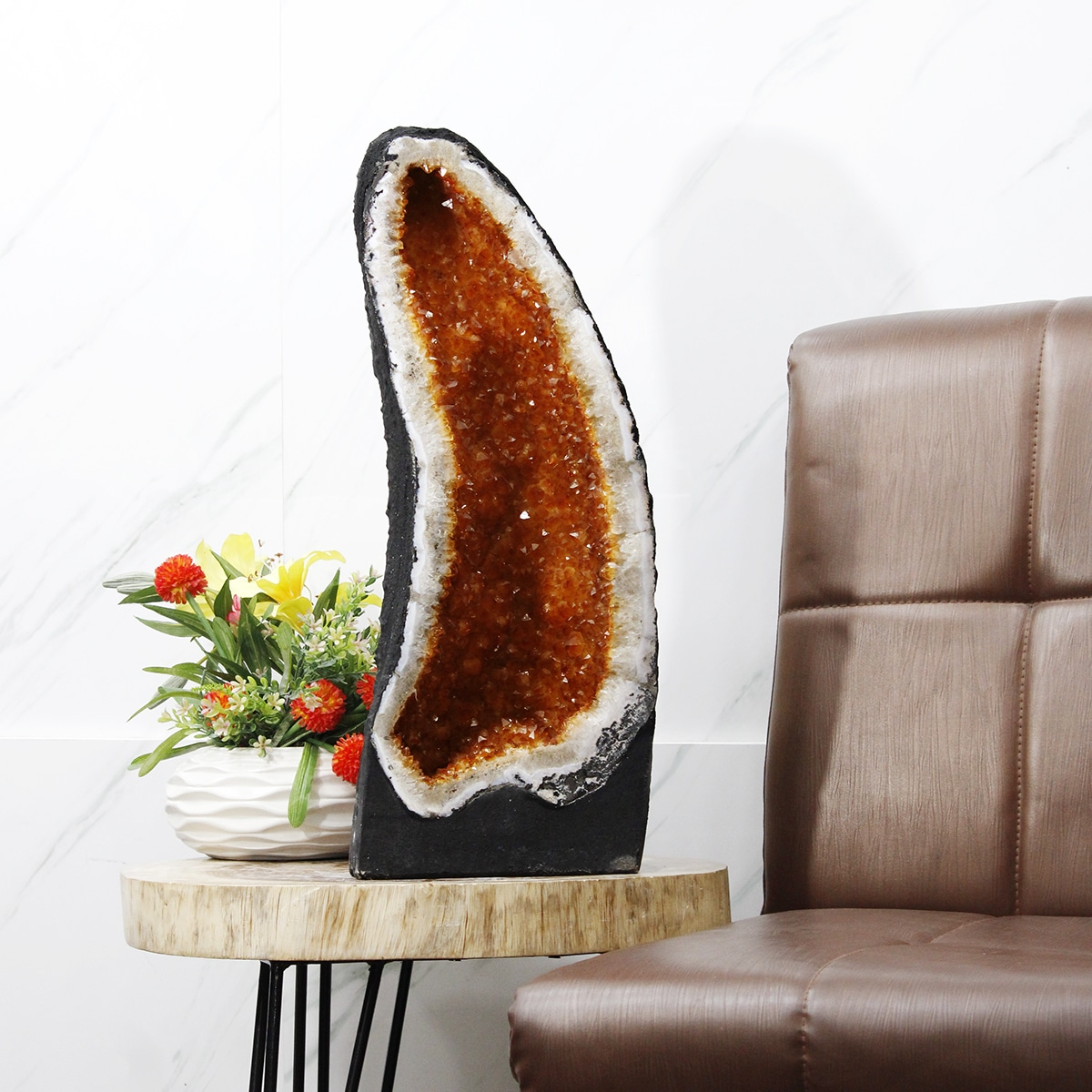
You know that feeling when you find the one? That jagged, raw, utterly unique chunk of amethyst or agate that seems to hum with its own quiet energy. It’s not polished into a perfect sphere or cut into a neat point. It’s wild. It’s freeform. And it’s beautiful. But then you bring it home, set it on your shelf, and… it just sits there. Maybe it wobbles. Maybe it looks a bit lost against the busy background of your bookshelf. It doesn’t quite command the space the way you hoped it would.
The secret isn’t in the stone itself—it’s already perfect. The secret is in what you put underneath it. A base does more than just keep your crystal from rolling off the table. It frames it. It lifts it up, literally and figuratively. It tells the eye where to look and how to appreciate the intricate details that make your piece special. In 2026, we’re seeing a huge shift away from mass-produced, one-size-fits-all displays toward custom, thoughtful presentations that honor the individuality of each stone. It’s about creating a relationship between the natural world and your living space.
Let’s be honest, picking a base can feel overwhelming. Wood? Metal? Lighted acrylic? Do you go minimalist or ornate? It’s easy to overthink it. But once you understand the basic principles of balance, contrast, and intention, choosing becomes intuitive. It stops being a chore and starts being part of the creative joy of collecting. This guide is here to walk you through that process, helping you find the perfect foundation for your natural treasures.
Understanding the Soul of Your Stone
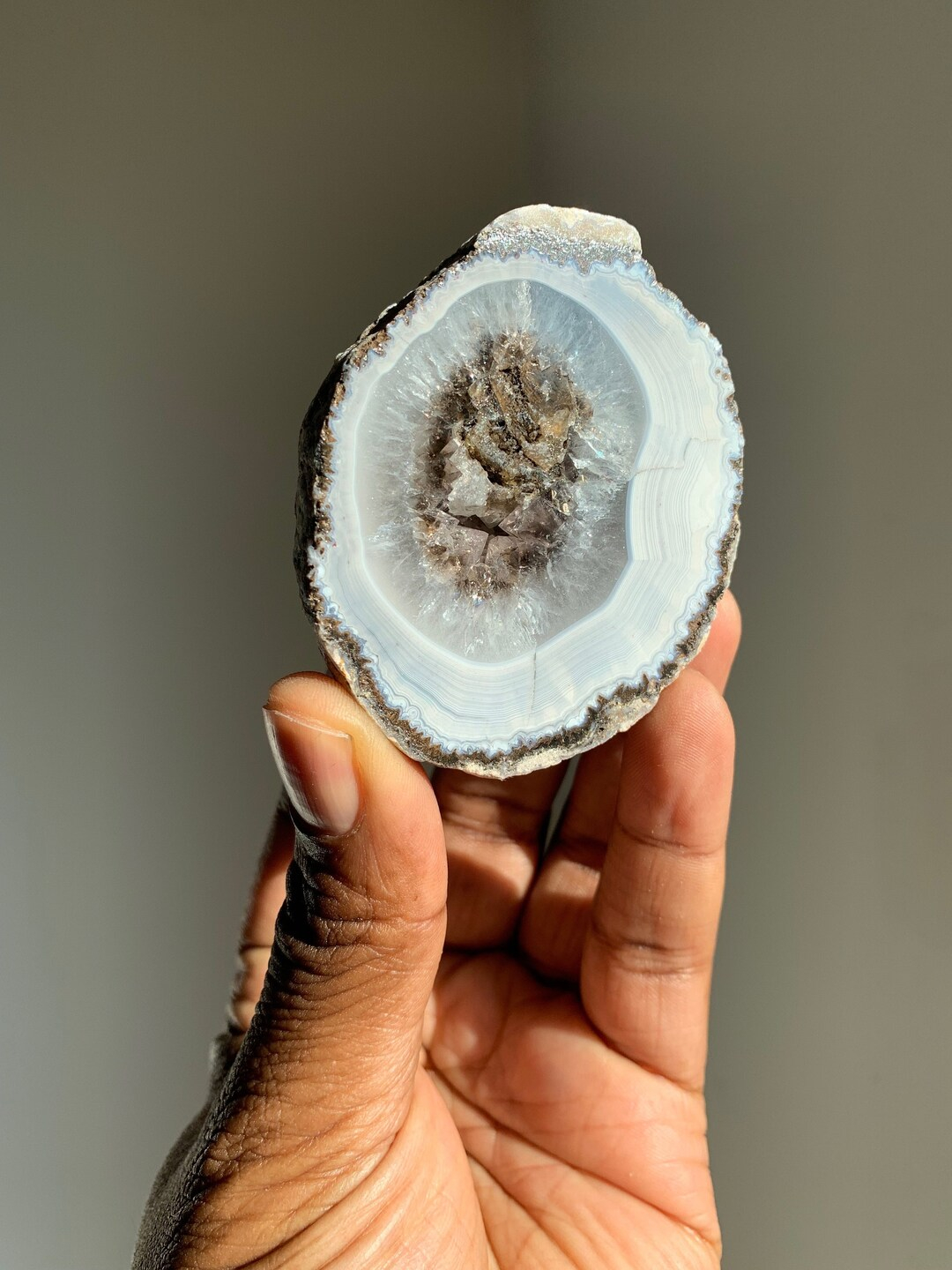
Before you even look at a single stand, you need to really see your crystal. Freeform crystals are all about organic beauty. They haven’t been forced into a shape by human hands; they’ve grown that way over millennia. This means every curve, every jagged edge, and every color variation is part of its story. When you choose a base, you’re deciding which part of that story you want to highlight.
Take a moment to rotate your crystal in your hands. Where does it feel balanced? Is there a particular face with stunning banding or inclusions that you want to face forward? For instance, if you have a piece of moonstone with a soft, ethereal glow, you might want a base that doesn’t compete with that subtlety. As noted by experts at agrainofsand.com, freeform shapes emphasize natural patterns, making each piece different. The metaphysical properties are important to many, but even if you’re just in it for the aesthetics, respecting the stone’s natural form is key.
Consider the weight and scale too. A hefty 50-pound agate slab needs a sturdy, substantial foundation, like the custom metal bases seen in high-end collections. On the other hand, a delicate, palm-sized quartz cluster might disappear on a bulky wooden block. The goal is harmony. You want the base to support the stone, not overshadow it. Think of it as a stagehand—they do the heavy lifting so the star can shine. If the base is too loud, the crystal becomes an accessory to the furniture, rather than the other way around.
The Warmth of Wood: Classic and Grounding
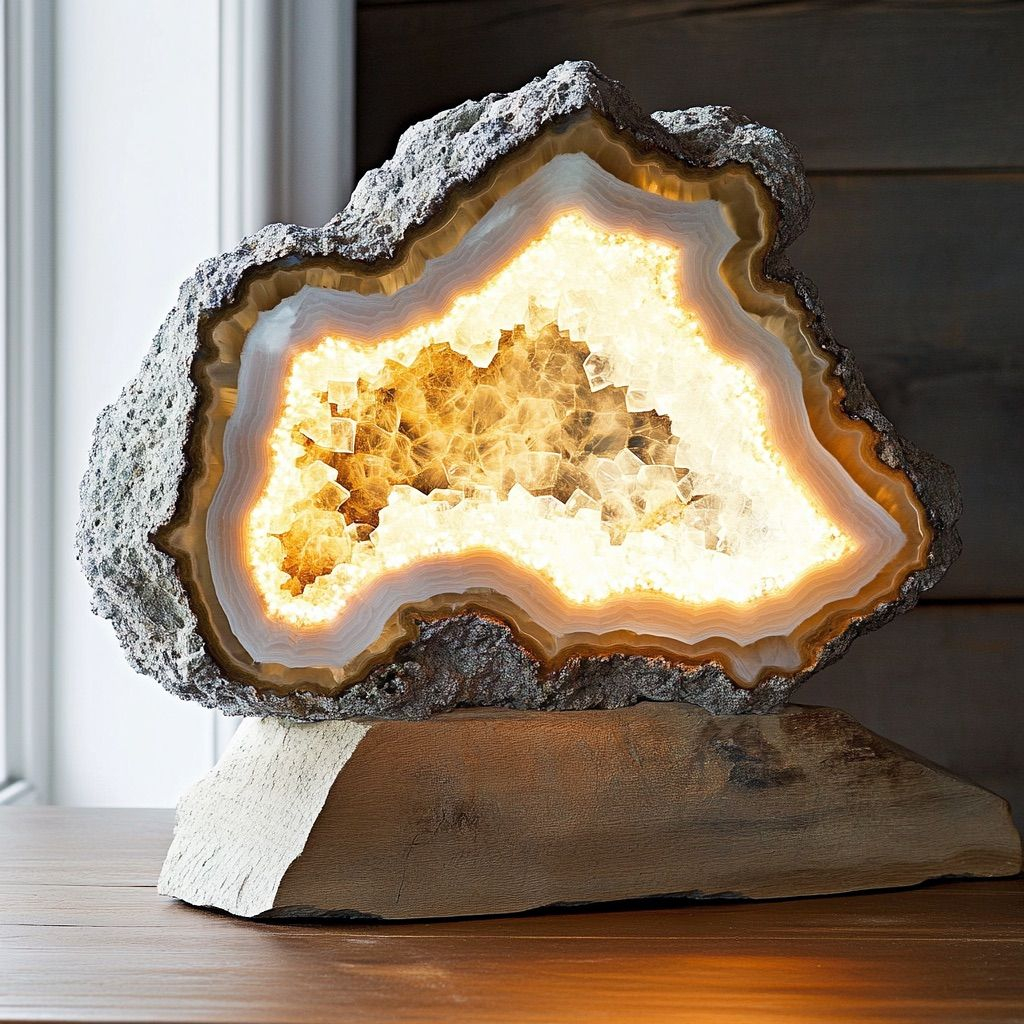
Wood is perhaps the most popular choice for crystal bases, and for good reason. It brings warmth, texture, and a sense of earthiness that complements almost any stone. There’s something deeply satisfying about the pairing of mineral and timber; both are gifts from the earth, after all. In 2026, we’re seeing a resurgence in handcrafted, live-edge wood stands that celebrate imperfection, mirroring the irregular shapes of freeform crystals.
When selecting wood, consider the tone. Dark woods like walnut or mahogany provide a rich, dramatic contrast that makes lighter stones like clear quartz or white howlite pop. They add a sense of luxury and depth. Lighter woods, such as oak or maple, offer a softer, more Scandinavian vibe that works beautifully with pastel stones like rose quartz or aquamarine. As highlighted by soulcialconnection.com, a handcrafted wooden stand can introduce tranquility and visual elegance, providing a durable and aesthetically pleasing display option.
But it’s not just about color. The finish matters. A matte, oiled finish feels more natural and tactile, inviting you to touch both the wood and the stone. A high-gloss varnish might reflect light in interesting ways, but it can also look a bit plastic-y if not done well. Custom wood bases, like those featured for amethyst freeforms, often allow you to specify the exact dimensions and curvature to fit your specific piece. This bespoke approach ensures that the crystal sits securely without needing adhesive, preserving the integrity of both the stone and the wood.
Modern Minimalism: Metal and Acrylic Stands
If wood feels too rustic for your space, metal and acrylic offer sleek, contemporary alternatives. These materials are perfect for modern interiors where clean lines and minimal clutter are the norm. Metal bases, particularly those made from brass, copper, or blackened steel, add an industrial chic element. They’re incredibly durable and can be molded into thin, elegant shapes that seem to float beneath the crystal.
A custom metal base, like the one used for large agate specimens, creates a striking blend of natural beauty and modern design. The coolness of the metal contrasts nicely with the organic warmth of the stone. It’s a juxtaposition that draws the eye and invites closer inspection. Metal is also great for heavier pieces because it can be engineered to be surprisingly strong while remaining visually lightweight. You don’t get that bulky look that sometimes comes with thick wooden blocks.
Acrylic and glass bases take minimalism to the next level. They’re virtually invisible, allowing the crystal to appear as if it’s hovering in mid-air. This is ideal for stones with complex bottom structures or vibrant colors that you don’t want to distract from. Crystocraft’s recent collection of crystal bases, for example, uses reflective surfaces and sparkling facets to create a mesmerizing display. While some purists argue that synthetic materials clash with natural stones, others find that the clarity of acrylic enhances the crystal’s transparency and brilliance. It’s all about personal taste and the vibe of your room.
Illuminating Beauty: The Power of Light Bases
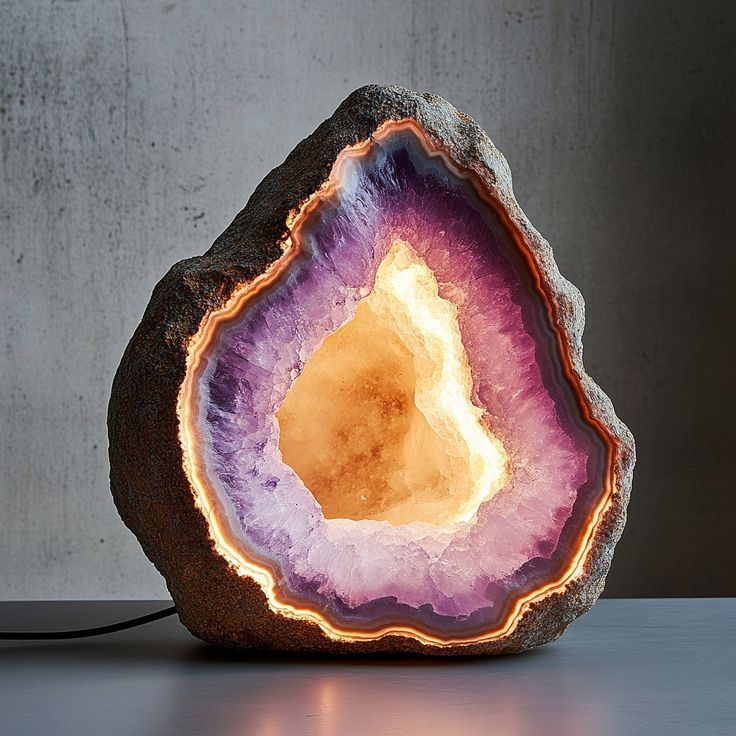
Light changes everything. We’ve all seen those stunning photos of crystals glowing from within, revealing hidden depths and colors that are invisible in standard daylight. Light bases have become increasingly popular in 2026 as collectors realize how much they elevate the viewing experience. Using a light base allows you to appreciate intricate details and vibrant colors, enhancing the crystal’s natural characteristics in a way that static displays simply can’t match.
LED bases are the most common type, offering energy-efficient, cool-to-the-touch illumination. You can choose between warm white lights for a cozy, golden glow that enhances earthy tones, or cool white lights that make blues and purples sing. Some advanced bases even offer RGB options, letting you change the color to match your mood or decor. Imagine your amethyst bathed in a soft purple hue, or your citrine glowing with a sunny yellow radiance. It turns your crystal into a dynamic piece of art.
However, lighting isn’t just about color. It’s about direction and intensity. Subtle, diffused light is usually better than harsh, direct beams, which can create glare and wash out details. Look for bases with dimmer switches so you can adjust the brightness. As noted by purityofelements.com, testing different light bases can reveal unexpected beauty in your stones. Just be mindful of heat if you’re using older incandescent bulbs, though LEDs have largely solved this problem. The key is to let the light enhance, not overpower, the stone’s natural allure.
Function Meets Form: Stability and Practicality
Let’s talk about the boring but crucial stuff: stability. A beautiful base is useless if your crystal topples over every time someone walks by. Freeform crystals are notoriously irregular, which means finding a flat spot to rest them can be tricky. Many freeforms come with a "cut base"—a flat surface polished specifically to allow the stone to stand upright. If your stone has this, your job is easier. You just need a base that matches the size and shape of that flat area.
If your crystal doesn’t have a flat base, you’ll need a stand with a customized indentation or a adjustable mounting system. Some wooden stands are carved with a slight concave dip to cradle the stone securely. Others use small, discreet pins or clear silicone bumps to prevent sliding. For very heavy or awkwardly shaped pieces, like the 50 lb agate mentioned earlier, the base needs to have a wide footprint to lower the center of gravity. Don’t skimp on sturdiness. It’s better to have a slightly larger base than one that feels precarious.
Practicality also extends to maintenance. Dust loves to settle around the base of a crystal. Open-design stands, like those with legs or rings, are easier to clean than solid blocks. Consider how you’ll clean the base itself. Wood may need occasional polishing, while metal and acrylic can usually be wiped down with a damp cloth. Think about where you’ll place the display. If it’s in a high-traffic area, durability is key. If it’s on a high shelf, visibility from below might matter more. Balancing these practical needs with aesthetic desires ensures your display remains beautiful and safe for years to come.
For many people, crystals aren’t just decor; they’re tools for healing, meditation, or spiritual practice. If this resonates with you, the choice of base can extend beyond physics into metaphysics. Different materials carry their own energetic signatures. Wood is grounding and connected to nature, making it a great choice for stones used in earth-based rituals. Metal is conductive and sharp, often associated with clarity and focus. Glass and acrylic are neutral amplifiers, allowing the crystal’s own energy to flow unimpeded.
Think about your intention for the space. Are you creating a calming corner for relaxation? A warm wood base with a soft blue sodalite might promote peace. Are you setting up a workspace for creativity? A sleek metal stand with a vibrant citrine could spark inspiration. As ethanlazzerini.com suggests, choosing the right grid boards and bases can help align your setup with your personal goals. It’s about creating a cohesive environment that supports your well-being.
Even if you’re not spiritually inclined, the psychological impact of your display matters. A cluttered, mismatched base can create visual noise that feels chaotic. A harmonious, well-chosen base creates a sense of order and beauty that calms the mind. It’s about curating a space that feels good to be in. Whether you’re drawn to the rustic charm of wood, the modern edge of metal, or the ethereal glow of light, let your intuition guide you. The right base will feel like it belongs there, as if the crystal and the stand were always meant to be together.
So, where does that leave you? With a newfound appreciation for the humble base. It’s not just an afterthought; it’s an integral part of the display. By considering the soul of your stone, the material of the stand, the play of light, and the practical needs of stability, you can create a presentation that truly honors your crystal’s natural beauty. Don’t be afraid to experiment. Try different combinations. See what speaks to you.
Remember, there’s no single "correct" answer. What works for a massive geode might not work for a delicate tumbled stone. The best base is the one that makes you stop and smile every time you walk past it. It’s the one that makes your friends ask, "Wow, where did you get that?" not just about the crystal, but about the whole ensemble. In the end, it’s about joy. It’s about bringing a little bit of the earth’s magic into your home and giving it the respect it deserves.
Take your time. Look at your collection with fresh eyes. Maybe that old wooden box isn’t doing your quartz justice. Maybe that dark corner needs a lit-up stand to bring it to life. Small changes can have a big impact. And who knows? You might just find yourself hunting for the perfect piece of driftwood or visiting a local metalworker to craft something truly unique. The journey of collecting is never really over; it just evolves. Happy displaying.