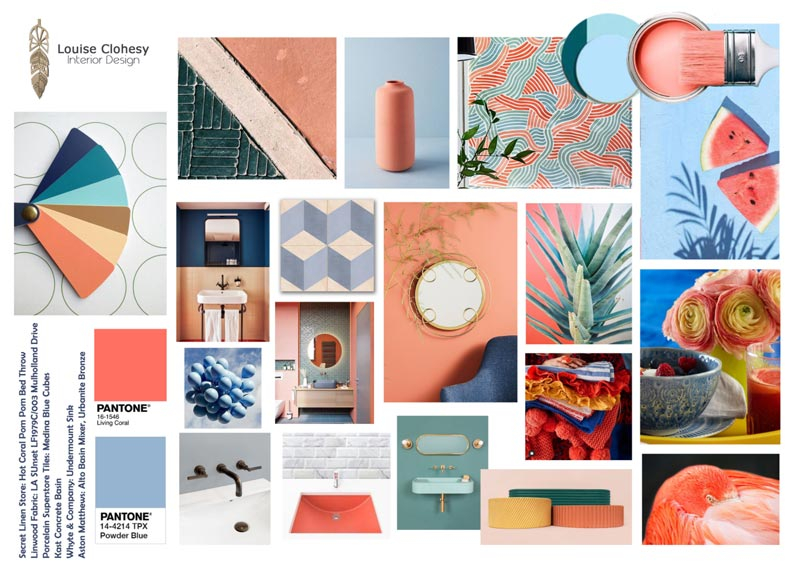
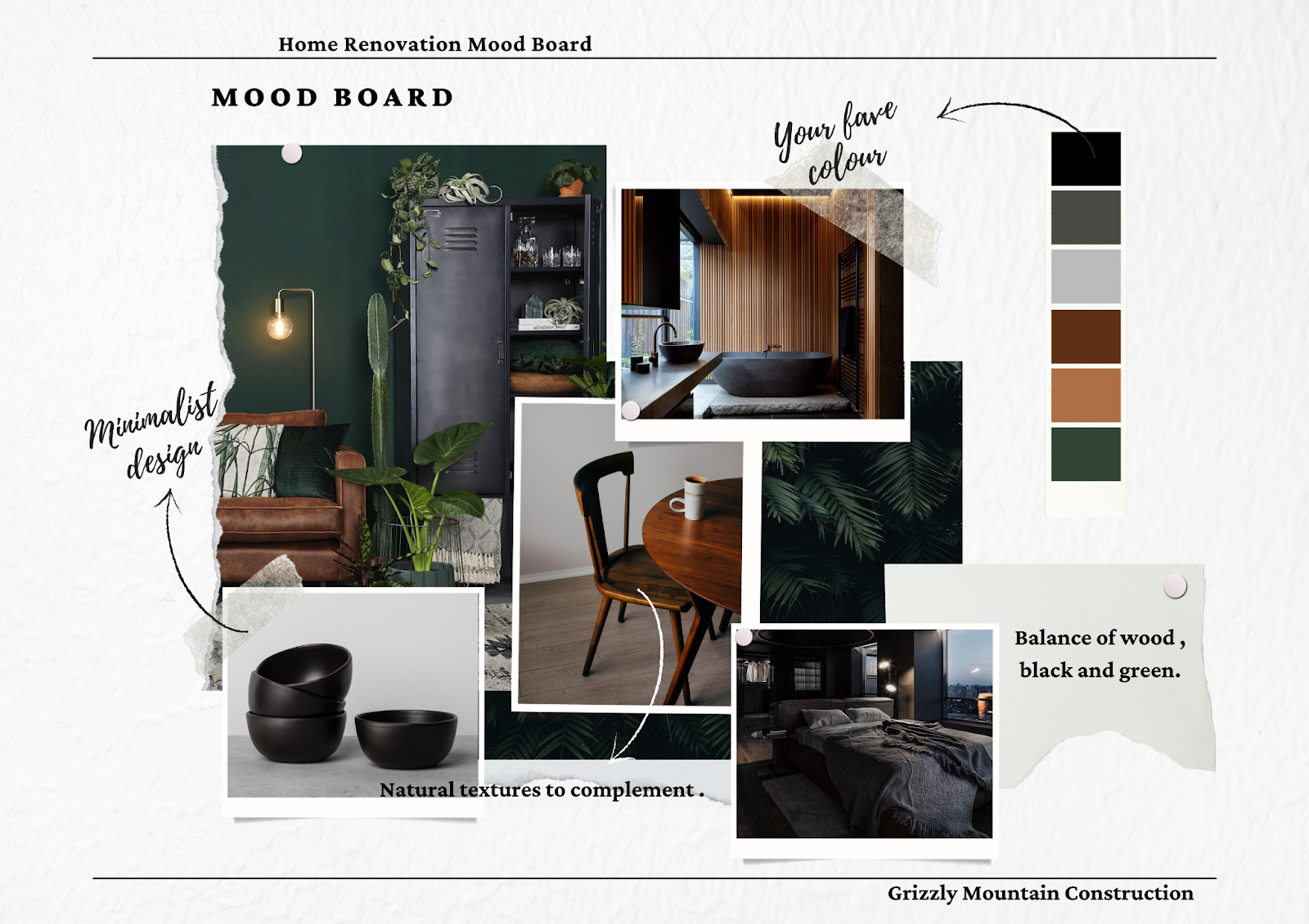
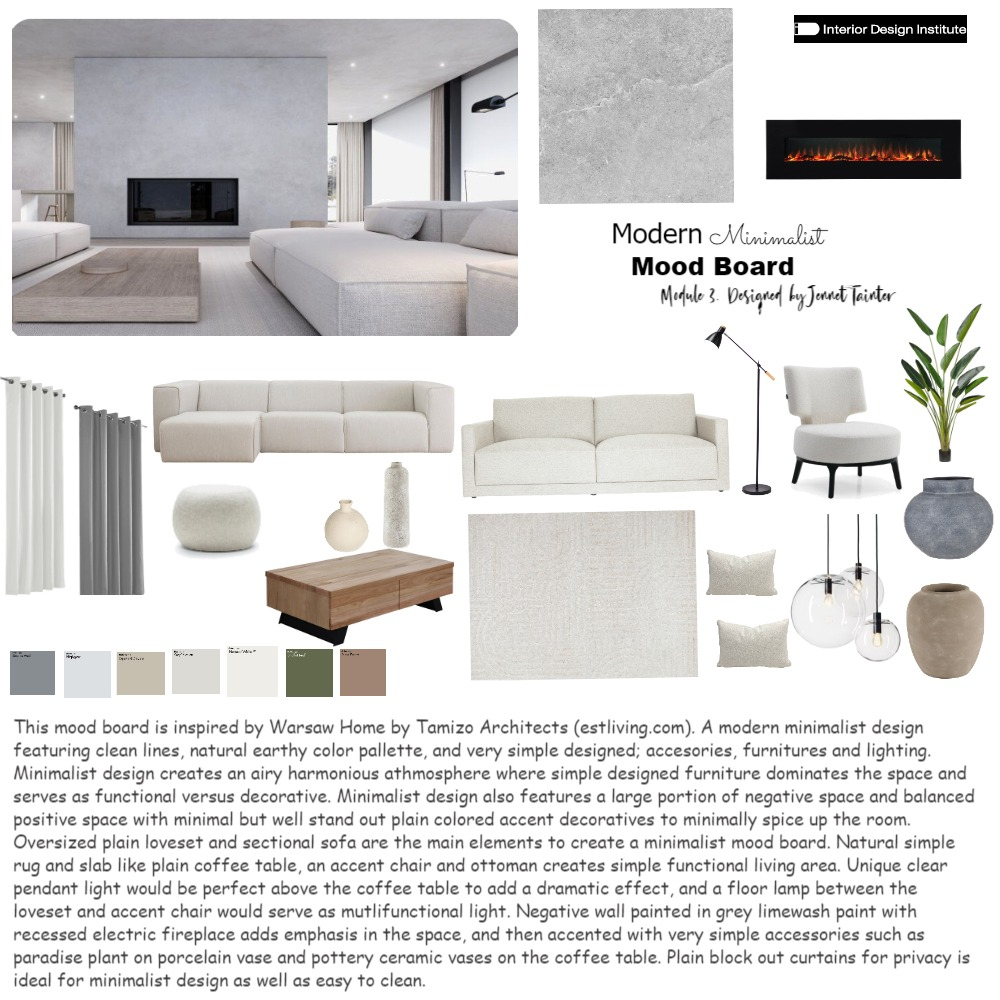
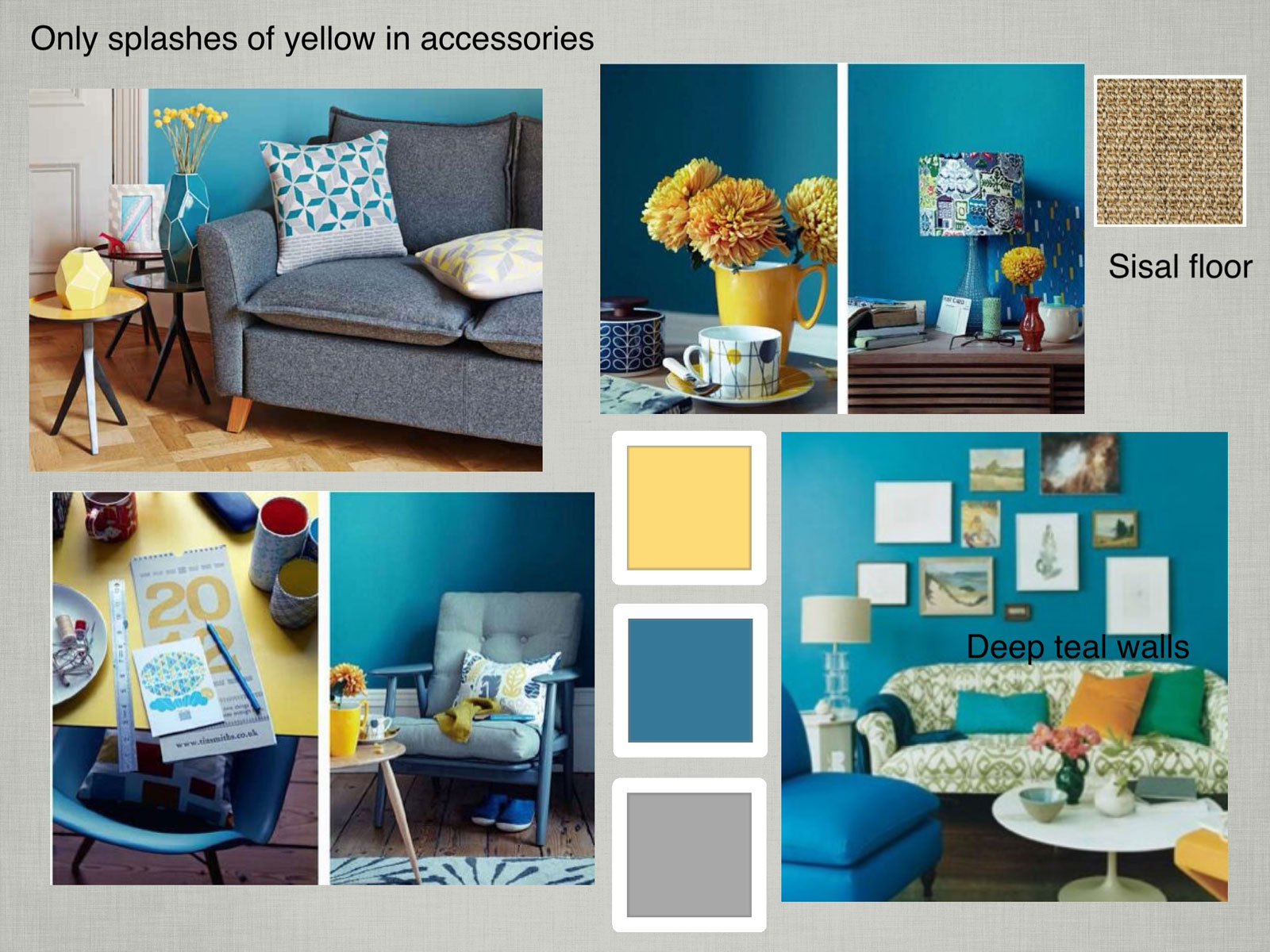
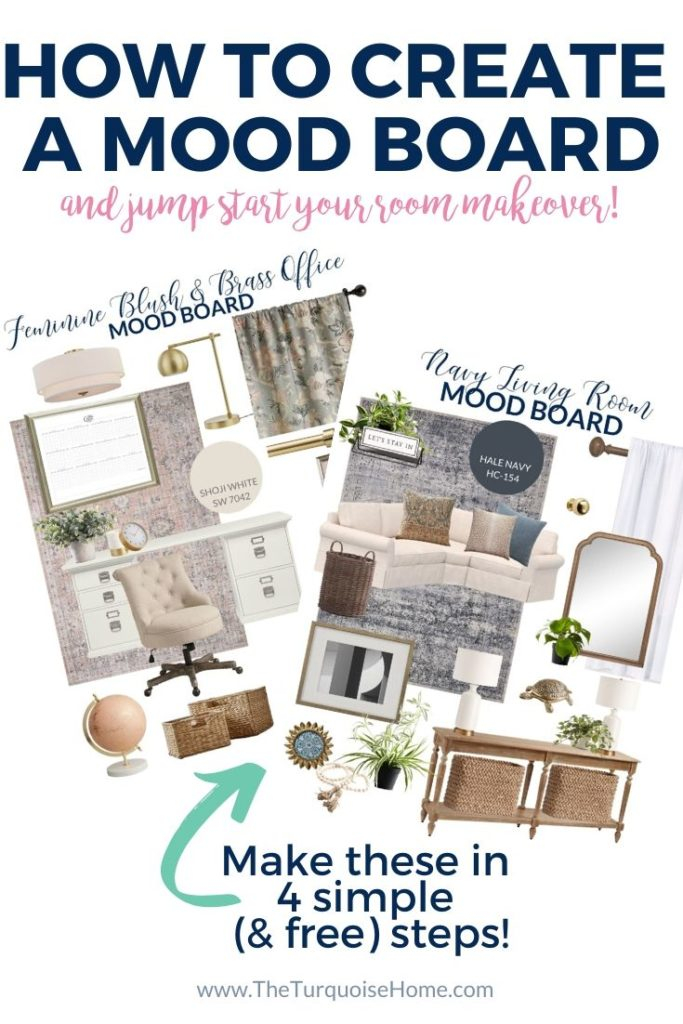
We have all been there. You spend hours scrolling through feeds, saving images of cozy corners and sun-drenched living rooms. Your phone is full of screenshots. Your Pinterest boards are overflowing. It feels like you have a clear vision. But then you try to buy the sofa. Or pick the paint. And suddenly, nothing matches. The vibe is off. The colors clash. You are left staring at a cart full of items that look great individually but terrible together. It is frustrating. It is expensive. And honestly, it is avoidable.
In 2026, the way we design has shifted. We are not just looking for pretty pictures anymore. We want spaces that feel real. Spaces that work for our lives. The gap between a digital collage and a physical room is where most projects fall apart. But it does not have to be that way. A mood board is not just a collection of nice things. It is a blueprint. It is a translation tool. When done right, it takes the abstract feeling in your head and turns it into concrete choices you can make with confidence. Let’s fix the process. Let’s make sure what you see on the screen is exactly what you get in your home.
Start With Feeling, Not Just Furniture
Most people start a mood board by picking a couch. This is a mistake. A couch is an object. A mood board needs to be about a feeling. Before you save a single image of a chair or a lamp, ask yourself: how do I want to feel in this room? Do you want to feel energized? Calm? Safe? Creative? In 2026, interior design is heavily focused on neuroaesthetics—how our brains react to our surroundings. So, start with words, not products. Write down three adjectives that describe the vibe. Maybe it is "airy, grounded, soft." Or "bold, eclectic, warm." These words are your anchor. They will stop you from drifting.
Once you have your words, look for images that evoke those emotions, not just specific styles. If your word is "grounded," you might be drawn to earth tones, heavy textures, and low-profile furniture. If it is "airy," you might look for high ceilings, light woods, and lots of natural light. Do not worry about whether the styles match yet. Just gather images that hit that emotional note. You might find a photo of a forest floor. A close-up of linen fabric. A sketch of a mid-century chair. This stage is about capturing the essence. It is about setting the temperature of the room before you start decorating it. This foundational step ensures that every item you add later serves the same emotional purpose.
Curate With Constraint and Context
Now comes the hard part. Editing. You probably have fifty images saved. You need to cut that down to ten. Maybe even five. This is where the magic happens. In the past, mood boards were often cluttered collages. But in 2026, clarity is king. Look at your images. Do they share a common thread? Is there a color that keeps appearing? A texture? A shape? If an image is beautiful but does not fit the thread, delete it. It hurts, I know. But keeping it will confuse the final result. You are looking for harmony, not variety.
Context is also crucial here. A picture of a rug in a vast, empty showroom looks different than a rug in a small, cluttered apartment. Try to find images that show items in spaces similar to yours. If you have a small bedroom, do not fill your board with images of massive master suites. It sets unrealistic expectations. Look for details. Close-ups of materials are often more useful than wide shots of rooms. Why? Because a wide shot tells you about layout, but a close-up tells you about texture and quality. And texture is what makes a room feel real. Mix your inspirational photos with actual product shots. This helps bridge the gap between "I like this look" and "I can buy this thing."
Anchor Your Palette in Reality
Color is the most powerful tool in design, and it is also the most treacherous. Screens lie. Your phone displays colors differently than your laptop. And neither displays them accurately compared to real life. In 2026, we have better tools to manage this, but the principle remains the same: never trust a digital color alone. Your mood board needs to move beyond pixels. Start by identifying your primary, secondary, and accent colors from your curated images. But then, go physical. Order swatches. Buy sample pots of paint. Get fabric samples.
Place these physical items next to each other in the lighting of the room you are designing. Does that blue look gray in the morning light? Does that beige look pink under your lamps? This step is non-negotiable. A mood board that stays on the screen is a fantasy. A mood board that includes physical samples is a plan. Take photos of these physical combinations and add them back into your digital board. This creates a feedback loop. You see how the real materials interact. You might realize that the wood tone you loved online is too orange for your floor. Catching this now saves you from returning a $2,000 table later. Ground your digital vision in physical truth.
Balance Scale and Proportion Visually
One of the biggest reasons mood boards fail to translate is scale. You might love a chunky knit throw and a delicate glass vase. But if you put them in a room without considering their size relative to the space, they will look awkward. Your mood board needs to account for volume. Are your furniture pieces bulky and heavy? Or are they leggy and light? Try to include images that show the scale of the items. If you are using a digital tool, try to resize the images of furniture to reflect their approximate size relative to each other. It does not have to be perfect engineering. It just needs to give you a sense of balance.
Think about the visual weight. If you have a large, dark sofa, you might need a lighter, airier coffee table to balance it out. If you have tall, floor-to-ceiling curtains, you might need a low-profile bed to keep the room from feeling cramped. Use your mood board to test these relationships. Arrange the images so you can see the big pieces next to the small ones. Does it feel top-heavy? Does it feel cluttered? In 2026, many AI-driven design tools can help you visualize this, but your eye is still the best judge. Step back from your board. Squint. Does the composition feel stable? If it feels chaotic, your room will feel chaotic. Adjust until the visual weight feels right.
Layer Textures for Depth and Interest
A room with flat colors and smooth surfaces feels sterile. It lacks soul. Texture is what makes a space inviting. It is what makes you want to sit down and stay. Your mood board must explicitly highlight texture. Do not just show a white wall. Show a white wall with a subtle plaster finish. Do not just show a wooden table. Show the grain of the wood. Look for contrast. Smooth against rough. Soft against hard. Shiny against matte. This interplay creates depth. It makes the room feel layered and thought-out, rather than bought in a single day from one catalog.
When building your board, dedicate a section specifically to materials. Group your fabric swatches, wood samples, and metal finishes together. Do they complement each other? Or do they compete? In 2026, sustainability is also a key part of texture. Natural materials like wool, linen, stone, and reclaimed wood are popular not just for their look, but for their environmental impact. Highlight these choices on your board. Show the imperfection in the stone. Show the weave in the linen. These details tell a story. They connect the room to the natural world. And they ensure that when you walk into the finished space, it feels rich and tactile, not just visually pleasing.
A mood board is not the end. It is the beginning of execution. The final step is to turn your board into a shopping list and a timeline. Look at your board. Identify the key anchor pieces. These are usually the largest items: the sofa, the bed, the rug. Prioritize these. They set the tone for everything else. Then, identify the secondary pieces: chairs, tables, lighting. Finally, the accessories: pillows, art, decor. Do not try to buy everything at once. That is overwhelming and often leads to budget blowouts. Use your mood board to guide phased purchases.
Keep your mood board accessible. Put it on your fridge. Save it to your phone’s home screen. When you are in a store and see something you like, check it against the board. Does it fit the color palette? Does it match the texture profile? Does it fit the scale? If the answer is no, put it back. This discipline is what separates a curated room from a cluttered one. In 2026, with the rise of augmented reality apps, you can even overlay your mood board items into your actual space using your phone camera. Use these tools to double-check your choices. But always come back to the core vision on your board. It is your compass. Stick to it, and the room will come together.
Building a mood board that works is about more than just aesthetics. It is about intention. It is about slowing down and thinking clearly about what you want your home to be. It requires effort. It requires editing. It requires moving between the digital and physical worlds. But the payoff is huge. You get a room that feels like you. A room that functions well. A room that brings you joy every time you walk in. So, take a breath. Open a new document. Start with those three words. And build something real. You got this.