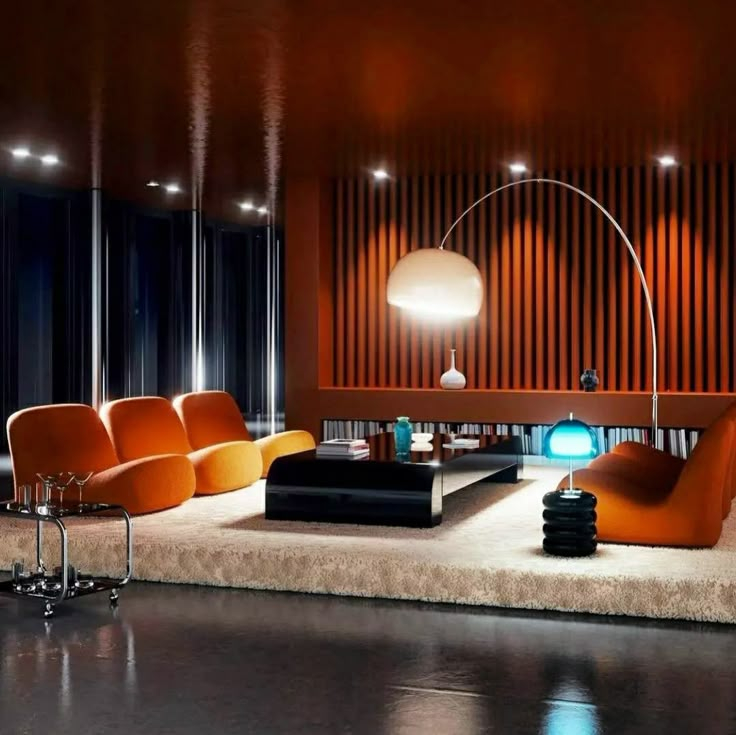
Ever walked into a room and felt like you’d stepped onto the set of a sci-fi movie from the 1970s? You know the vibe. It’s got those sleek, curvy lines that look like they belong on a spaceship, but it’s also warm, filled with wood tones and textures that feel lived-in. That’s not an accident. It’s retro futurism, and honestly, it’s having a massive moment right now in 2026. We’re tired of the sterile, all-white minimalist boxes that dominated the last decade. People want personality. They want spaces that tell a story, even if that story is a bit disjointed or chaotic.
It’s a weird mix, sure. But that paradox is exactly what makes it work. It’s not really about predicting what’s next, but more about showcasing what we value right now. We dream of push-button meals and flying cars, yet there’s a reason we stick to gas ranges and fill our garage storage with antiques. We crave the comfort of the past while wanting the convenience of the future. This style lets you have both. It’s messy, it’s bold, and it’s unapologetically human. If your current space feels a bit flat or boring, this might be the jolt it needs.
The Heart of the Paradox
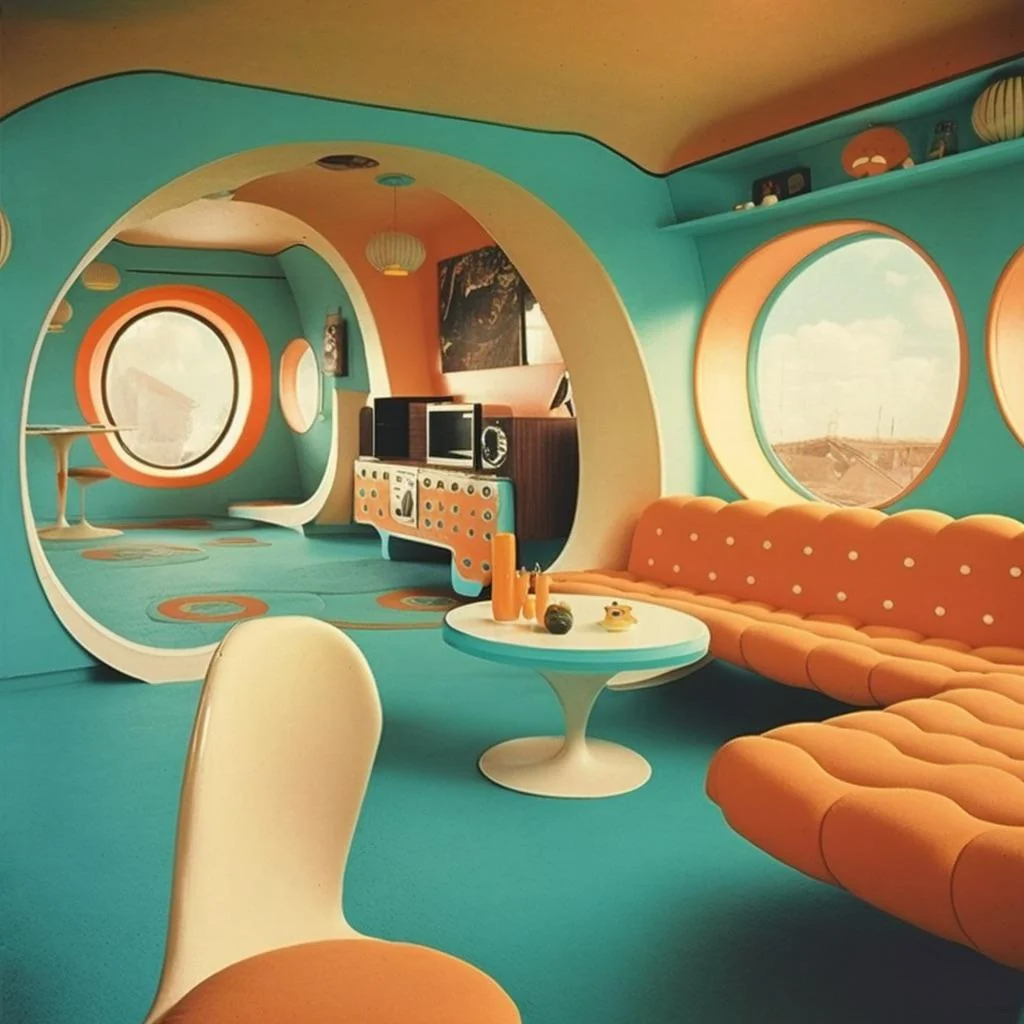
So, what is retro futurism, really? At its core, it’s a collision of two different timelines. It takes the optimistic, space-age dreams of the mid-20th century—think Jetsons-style living—and mashes them up with the actual technology we have today. It’s not just about looking back; it’s about reimagining how the past thought the future would look. In interior design, this means you aren’t trying to create a museum exhibit. You’re creating a living space that feels both nostalgic and forward-thinking.
This approach allows for a lot of creative freedom because it rejects the idea that everything has to match perfectly. In fact, mismatching is kind of the point. You might have an antique buffet from the 1950s sitting right next to a state-of-the-art smart home hub. The contrast isn’t a mistake; it’s the feature. It shows that you appreciate craftsmanship and history, but you also embrace modern conveniences. It’s a way of saying that progress doesn’t mean erasing the past. Instead, it’s about layering them together to see what sticks.
The beauty of this style is that it ages surprisingly well. Pure futuristic designs often look dated within a few years because technology moves so fast. A "futuristic" kitchen from 2010 looks clunky now. But retro futurism anchors those high-tech elements in timeless aesthetics. By grounding your space in vintage forms and materials, you give it a soul that pure modernism often lacks. It’s less about the specific gadget and more about how that gadget fits into a broader narrative of human innovation and comfort.
Space-Age Furniture with a Vintage Soul
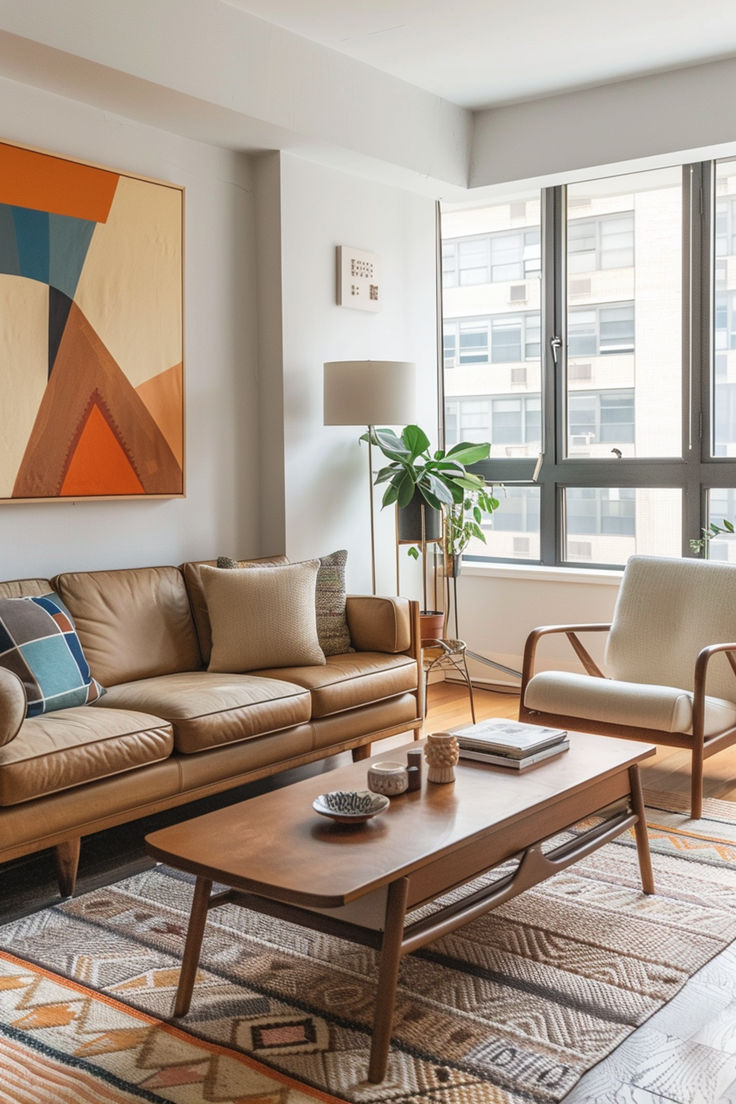
Furniture plays a pivotal role in pulling this look together. You can’t just throw any old chair in the corner and call it a day. You need pieces that speak the language of the space age. Look for clean lines, geometric shapes, and innovative materials that were popular in the mid-century modern era. Iconic designs like Eames chairs or pod-shaped sofas are perfect examples. They capture that retro charm while still feeling fresh and relevant today. These pieces often feature organic curves that mimic aerodynamic forms, hinting at speed and flight.
But here’s the trick: don’t go overboard with the novelty items. You don’t need a chair shaped like a rocket ship unless you really love kitsch. Instead, focus on the silhouette. A low-slung sofa with tapered legs gives you that mid-century base. Then, you can introduce modern upholstery fabrics or unexpected colors to bridge the gap to the present. The goal is to find furniture that feels sculptural. It should look like art, even when no one is sitting on it. This adds a level of sophistication that keeps the room from feeling like a theme park.
Mixing these vintage-inspired forms with modern functionality is key. You might find a beautiful wooden credenza at a thrift store or estate sale. These places are goldmines for retro futurism because the 1970s filtered these ideas into mainstream design, making originals surprisingly accessible. Once you have that piece, you can update it internally with modern wiring for your electronics. The outside stays classic, but the inside works for your 2026 lifestyle. It’s the best of both worlds, and it’s usually easier on the wallet than buying brand-new designer items.
Bold Colors and Geometric Patterns
If minimalism is about subtraction, retro futurism is about addition. Specifically, adding color and pattern. This style thrives on bold choices that evoke a sense of optimism and energy. Think about the color palettes of the 1960s and 70s: mustard yellows, avocado greens, burnt oranges, and deep teals. These aren’t shy colors. They demand attention. Using them in your home creates a vibrant atmosphere that feels alive. You don’t have to paint every wall neon orange, but using these hues as accents can transform a dull room into something exciting.
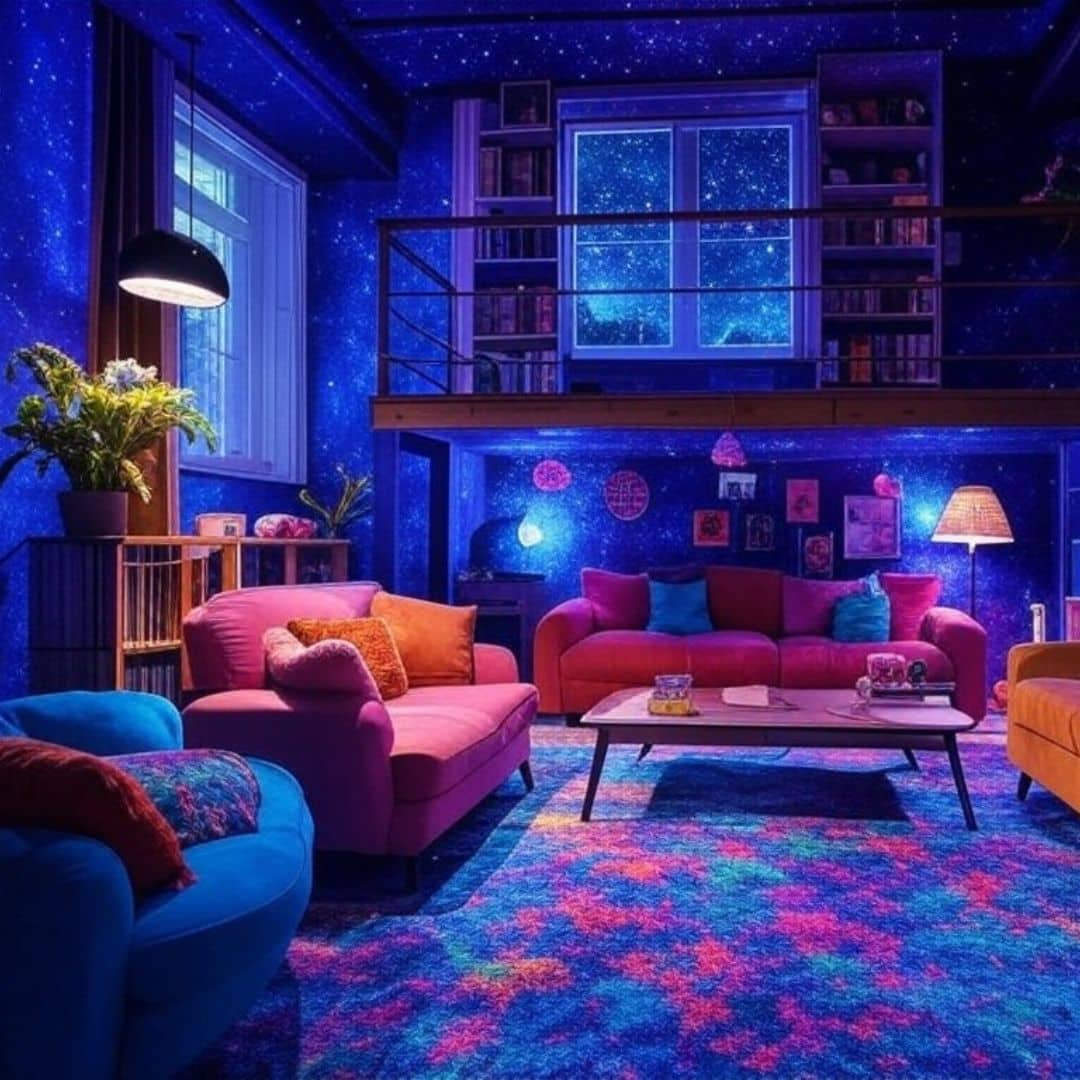
Geometric patterns are another essential ingredient. Walls, rugs, and textiles often feature repeating shapes like circles, triangles, or abstract blobs. These patterns mimic the scientific and mathematical interests of the space age. They add visual interest and movement to a space. A rug with a bold geometric print can anchor a seating area, while wallpaper with a subtle atomic motif can add depth to a hallway. The key is balance. If you go heavy on the pattern, keep the furniture lines cleaner. If your furniture is busy, let the walls breathe a bit.
Don’t be afraid to clash patterns either. Part of the chaos is mixing different eras and styles. You might pair a floral vintage curtain with a modern, graphic pillow. It sounds risky, but it works because the underlying theme connects them. The shared DNA of boldness ties it all together. This approach encourages you to trust your instincts. If it feels right to you, it probably is. Design rules are meant to be broken, especially in a style that celebrates individual expression and imaginative living.
Tech That Hides in Plain Sight
One of the biggest challenges in modern design is dealing with technology. Screens, wires, and devices can clutter a space and ruin the aesthetic. Retro futurism offers a clever solution: hide the tech, or at least integrate it seamlessly. The goal is to have state-of-the-art convenience without the visual noise. For example, you might install hidden speakers behind fabric panels that match your wallpaper. Or use a television that blends into a gallery wall when not in use. The technology is there, working hard for you, but it doesn’t dominate the visual landscape.
This integration respects the vintage elements of the room. An antique buffet isn’t ruined by having a modern sound system inside it; it’s enhanced. The wood grain and craftsmanship remain the focal point, while the tech serves a supporting role. This is a huge shift from earlier trends where tech was displayed proudly as a status symbol. Now, it’s about utility and discretion. We want our homes to feel like sanctuaries, not server rooms. By tucking away the gadgets, you preserve the emotional warmth of the space.
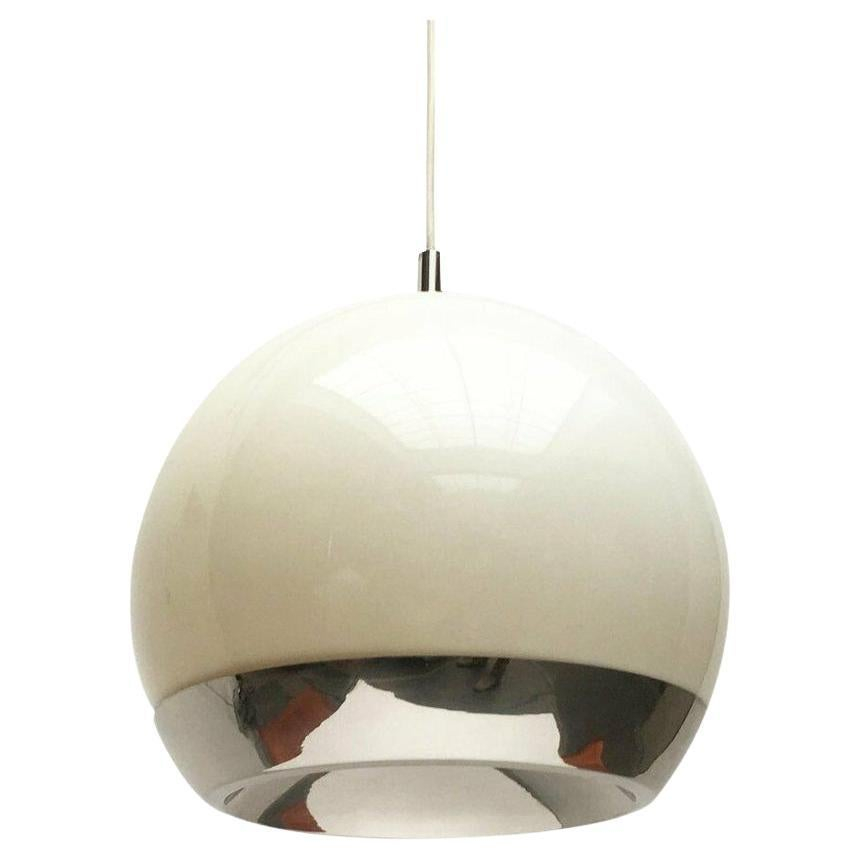
Lighting is another area where tech and retro style merge beautifully. Smart lighting systems can be installed in vintage-style fixtures. Imagine a sputnik chandelier that you can control with your voice or adjust via an app. The form is pure 1950s sci-fi, but the function is thoroughly 2026. This blend allows you to set moods and atmospheres that suit your needs without sacrificing style. It’s a practical way to keep your home feeling current without constantly replacing your decor.
Art From Different Eras Coexisting
Art is where retro futurism really gets to flex its creative muscles. In this style, funky art is integral. It allows for personal expression and echoes the bold spirit of the past alongside future innovations. You aren’t limited to one type of artwork. In fact, mixing eras is encouraged. You might display a large, abstract painting from the 1970s next to a digital art frame showing modern generative art. The juxtaposition creates a dialogue between the two pieces, highlighting their unique qualities.
Don’t shy away from eclectic objects either. Large sculptures, animal skulls, or vintage scientific instruments can add texture and intrigue. These items bring a sense of history and curiosity into the home. Placing a centuries-old skull next to a bright, colorful abstract piece might seem odd, but in a retro-futuristic home, they coexist in harmony. It reflects a worldview that values knowledge, exploration, and beauty in all its forms. It’s about curating a collection that tells your personal story.
This approach also makes decorating more affordable and sustainable. You don’t need to buy expensive, matching sets of art. You can hunt for treasures at flea markets, online auctions, or even in your own attic. Each piece has its own character. By combining them, you create a layered look that feels collected over time rather than bought in a day. It adds depth and authenticity to your space, making it feel truly yours.
Let’s talk money, because design trends can often feel exclusive. Retro futurism, however, is unusually accessible for people on real-world budgets. Since the aesthetic draws heavily from the 1960s and 70s, there is a huge supply of vintage furniture and decor available. Thrift stores, estate sales, and online marketplaces are filled with items that fit this style. You don’t need to spend a fortune on new designer pieces. In fact, some of the best finds are the ones that have been loved and used before.
This accessibility democratizes the style. It’s not about how much you spend, but how you put things together. A cheap vintage lamp can look just as good as an expensive one if it’s paired with the right surroundings. The focus is on creativity and resourcefulness. You’re encouraged to upcycle, repaint, or reupholster items to fit your vision. This hands-on approach adds a personal touch that mass-produced items often lack. It makes the process of designing your home more engaging and rewarding.
Moreover, because the style embraces chaos and eclecticism, you don’t need to replace everything at once. You can build your space gradually, adding pieces as you find them. This takes the pressure off having a perfect, finished look immediately. It allows your home to evolve with you. As you discover new items or technologies, you can integrate them into the existing mix. It’s a flexible, forgiving style that grows with your life and budget.
Embracing the chaos of retro futurism is more than just a design choice; it’s a mindset. It invites you to let go of perfection and enjoy the process of creating a space that reflects who you are. It combines the comfort of nostalgia with the excitement of the future, resulting in a home that feels both familiar and new. So, why not give it a try? Start with one piece, one color, or one pattern. See how it feels. You might just find that the chaos is exactly what your home has been missing.