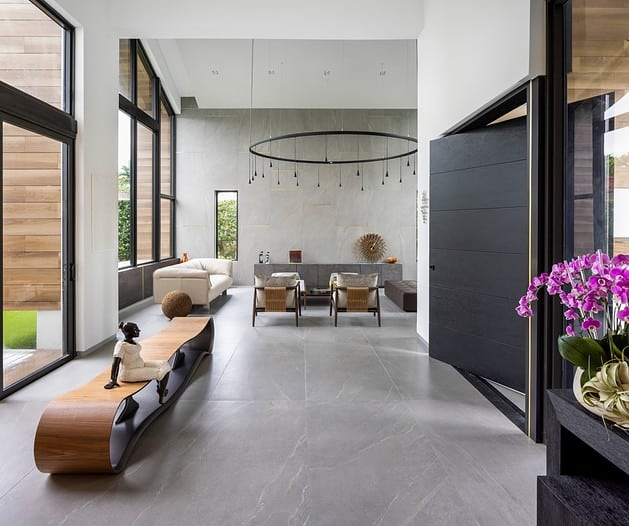
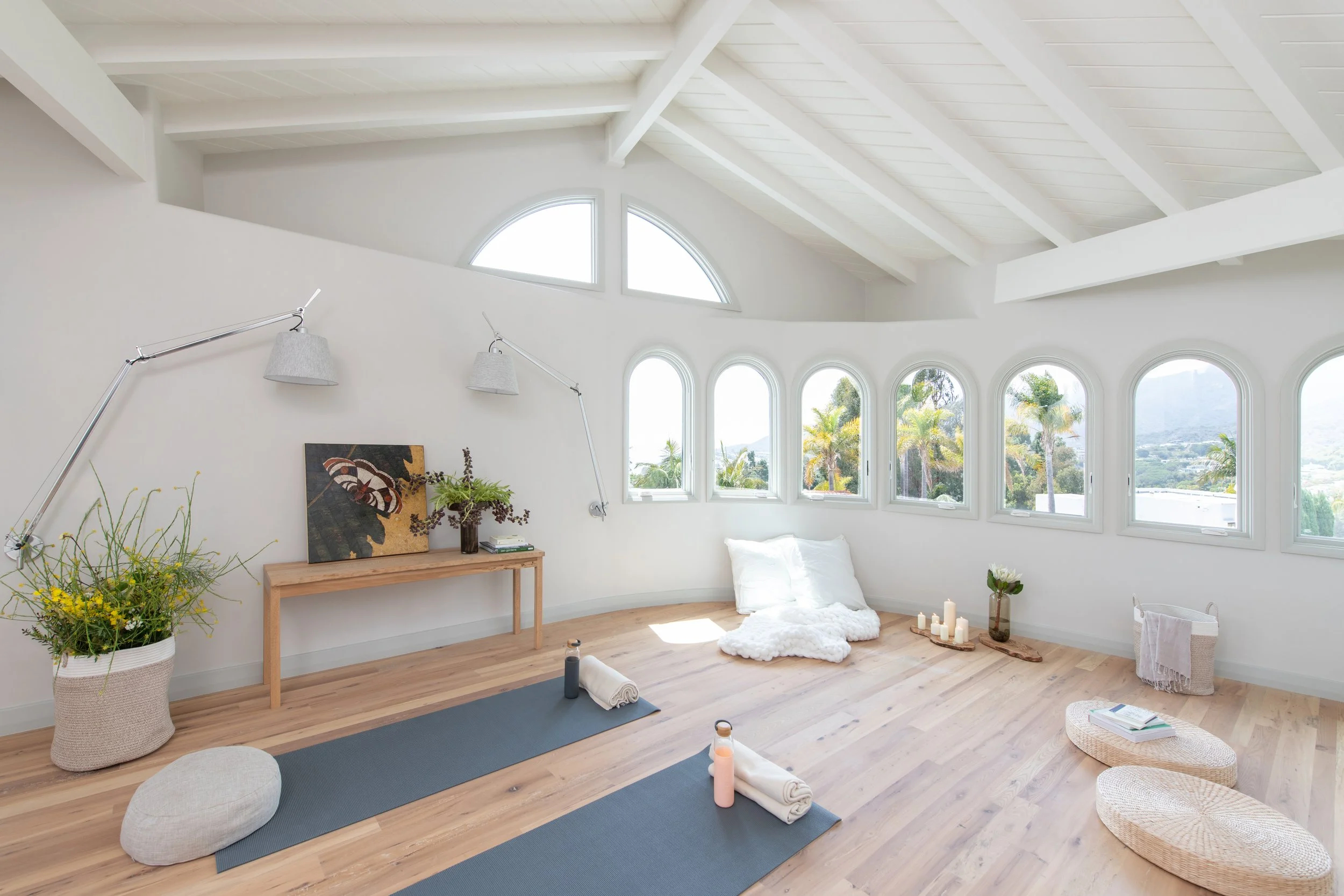
Remember those beige walls? The ones that looked like oatmeal milk had dried on the plaster? Yeah, me too. For nearly a decade, we lived in a world of "quiet luxury" and Scandinavian-inspired emptiness. We were told that less was more. That clutter was the enemy. That if you couldn’t see the floor, you were failing at adulthood. But something shifted. Maybe it was the collective exhaustion of staring at blank white screens during remote work. Or maybe we just got tired of feeling like guests in our own houses. Whatever the reason, 2026 arrived with a bang. A loud, colorful, pattern-clashing bang.
The minimalist era is officially over. It didn’t just fade away; it was pushed out by a tidal wave of personality. Maximalism has made a surprising, triumphant comeback, but it’s not the chaotic mess some people fear. It’s smarter now. It’s intentional. It’s about curating abundance rather than accumulating junk. This year, designers and everyday homeowners alike are turning up the volume. We are seeing bold colors, layered textiles, and statement furniture that refuses to apologize for existing. It’s a seismic shift in how we view our living spaces. And honestly? It feels good.
The Death of Beige and the Rise of Joy
Let’s be real for a second. Minimalism was exhausting. Maintaining a spotless, empty room requires a level of discipline that most of us just don’t have after a long day at work. In 2026, we stopped pretending we liked living in showrooms. The data backs this up. Pinterest’s 2026 home design forecast showed a massive departure from previous years, highlighting a growing desire for interiors that feel expressive and personal. People aren’t just looking for pretty pictures anymore; they want homes that feel like them.
This new wave of maximalism is often referred to as "Joycore." It’s a term that’s been floating around design circles, and even big players like IKEA are embracing it. The idea is simple: fill your space with colors, shapes, and textures that spark actual joy. If a bright yellow chair makes you smile when you walk into the room, it stays. If a dull gray sofa makes you feel sleepy and sad, it goes. It’s a psychological shift. We are shedding restraint for something more human. As noted by industry experts, design in 2026 is returning us to a world of color, character, and self-expression. It’s about wrapping yourself in things you love.
And it’s not just about buying new stuff. It’s about rediscovering what we already have. That weird vase your aunt gave you? Put it on the mantel. The rug that’s too busy for a "clean" look? Layer it under another one. The pressure to be perfect has lifted. In its place is a permission slip to be messy, to be loud, and to be happy. This isn’t about hoarding. It’s about curation. It’s the difference between a cluttered closet and a well-stocked library. One is chaos; the other is richness.
Curated Abundance vs. Clutter
There is a huge misconception that maximalism means clutter. Let’s clear that up right now. Clutter is unintentional. It’s piles of mail, clothes on the floor, and things you forgot you owned. Maximalism, specifically the 2026 version, is curated abundance. It is highly intentional. Every object has a place, and every pattern has a purpose. Think of it like styling a bold outfit. You wouldn’t just throw on every piece of jewelry you own without looking in the mirror. You layer. You mix metals. You choose a statement piece.
Designers worldwide are proving that this "more-is-more" aesthetic can be sophisticated. It’s about telling your story with the same confidence you’d bring to a fashion choice. In 2026, we see fearless layering. Statement prints are no longer kept in separate rooms. Animal prints, florals, and geometric motifs are being layered together in the same space. Sounds scary, right? But when done with intention, it works. The key is balance. If you have a wild floral wallpaper, you might ground it with a solid-colored velvet sofa. Or if you have a geometric rug, you might soften it with organic, flowing curtains.
This approach allows for a home that feels collected, not copied. In the past, people bought entire room sets from catalogs. Everything matched perfectly. It was safe. It was also boring. Today’s maximalist homes look like they were gathered over time. They include heirlooms, travel souvenirs, and modern art pieces side-by-side. This eclecticism creates depth. It invites conversation. When guests come over, they don’t just say, "Nice house." They ask, "Where did you find that lamp?" or "Tell me the story behind this painting." That connection is what modern design is craving.
Pattern Mixing and Textural Layers
If there is one rule breaking happening in 2026, it’s the death of the "one pattern per room" law. Interior designers are now encouraging the mixing of scales and styles. You can have stripes with florals. You can have polka dots with plaids. The secret sauce is varying the scale. A large-scale floral print pairs beautifully with a tiny, tight geometric check. The eye needs somewhere to rest, but it also wants to dance. By varying the size of the patterns, you create rhythm rather than noise.
Textiles play a huge role in this. We aren’t just talking about cotton sheets. We’re talking about chunky knit throws, silk pillows, rough-hewn wool rugs, and smooth leather chairs. Texture adds dimension. In a monochromatic minimalist room, texture is subtle. In a maximalist room, it’s front and center. Imagine a deep emerald green wall. Now add a mustard yellow velvet armchair. Throw a shaggy cream rug underneath. Hang a metallic gold mirror above. Each element bounces light differently. The room feels alive. It changes throughout the day as the sun moves.
This layering technique also makes spaces feel cozier. Minimalist rooms can feel cold, almost clinical. Maximalist rooms feel like a hug. They absorb sound. They hold heat. They invite you to sink in and stay awhile. It’s a sensory experience. You don’t just see the room; you feel it. The roughness of a jute basket, the coolness of a marble table, the softness of a mohair blanket. These tactile elements ground us. In a digital world where everything is flat and smooth, our homes are becoming places of physical richness.
Bold Colors and Theatrical Drama
For years, we were afraid of color. We painted everything white, gray, or "greige" because we thought it would help sell the house someday. Well, 2026 is here, and we are done waiting for someday. Bold color is back, and it’s not shy about it. We’re seeing deep jewel tones like sapphire blue, ruby red, and amethyst purple. But it’s not just dark moody colors. Bright, electric hues are also having a moment. Lime green accents. Hot pink tiles. Sky blue ceilings. The ceiling, in particular, has become the fifth wall of opportunity.
This embrace of color brings a sense of theatrical drama to everyday life. Coming home feels like entering a stage set where you are the main character. It’s empowering. Forbes noted that maximalism in 2026 has a "purposeful edge." It’s not random splashes of paint. It’s strategic. Color is used to zone areas in open-plan living spaces. A dining nook might be painted a warm terracotta to stimulate appetite and conversation, while the adjacent reading corner is a calming deep teal. Color dictates mood.
Moreover, this trend reflects a cultural shift towards individuality. Global influences are playing a bigger role. We’re seeing patterns and palettes inspired by Moroccan tiles, Indian block prints, and Mexican folk art. These cultural nods add layers of meaning and history to a space. It’s a way to honor heritage or celebrate travel memories. The result is interiors that feel worldly and sophisticated. They tell a story that goes beyond the four walls of the house. They connect us to the wider world.
Statement Furniture and Collected Accessories
Gone are the days of invisible furniture. In 2026, furniture is meant to be seen. Sculptural sofas with curved backs. Chairs with legs that look like art pieces. Tables with unusual bases. These are statement items. They anchor the room. Instead of blending into the background, they demand attention. This doesn’t mean you need to spend a fortune on designer pieces. Thrift stores and vintage markets are goldmines for unique finds. A mid-century modern credenza with a quirky wood grain can be the star of your living room.
Accessories are treated with the same respect. They aren’t afterthoughts. They are carefully selected to complement the narrative of the room. Vases, books, candles, and trays are arranged in groups. The "rule of three" is still useful, but the items themselves are eclectic. You might group a ceramic bowl, a stack of hardcover books, and a small brass sculpture together. The contrast in materials and heights creates visual interest. It looks effortless, but it’s actually quite calculated.
This mindset shifts how we shop. Instead of buying what’s trendy, we buy what resonates. We look for pieces that have soul. Maybe it’s a hand-carved wooden box from a local artisan. Maybe it’s a framed poster from a concert you loved in college. These items make the space yours. They prevent the "hotel room" feel that plagues so many modern apartments. When your home is filled with things you genuinely care about, it becomes a sanctuary. It recharges you. It reminds you of who you are.
Making Maximalism Work for You
So, how do you start? If you’ve been living in a beige box for ten years, jumping into full-blown maximalism can feel overwhelming. Start small. Pick one wall. Paint it a bold color. See how it feels. Do you love waking up to it? Great. Keep it. Hate it? Paint it back. No harm done. Next, look at your textiles. Add a patterned pillow. Swap out a plain curtain for one with a print. Mix a striped rug with your existing solid one. Test the waters.
Don’t be afraid to break rules. There are no police coming to arrest you for mixing metals. Gold and silver look fantastic together. Brass and chrome? Also yes. The only rule is that it should make you happy. If you look at a corner of your room and it makes you smile, you’ve done it right. If it makes you anxious, edit it down. Maximalism is personal. What works for your neighbor might not work for you. And that’s okay. In fact, that’s the point.
Also, remember lighting. Maximalist rooms need good lighting to shine. Use lamps with interesting shades. Install dimmers so you can control the mood. Highlight your art pieces with picture lights. Shadows and light play a huge role in how colors and textures appear. A well-lit maximalist room feels warm and inviting. A poorly lit one can feel dark and cramped. Play with different light sources. Floor lamps, table lamps, sconces. Layer your light just like you layer your rugs.
As we move further into 2026, it’s clear that this isn’t just a fleeting trend. It’s a correction. We swung too far into minimalism, stripping our homes of personality in the name of cleanliness and resale value. Now, we’re swinging back. But this time, we’re finding a middle ground. It’s not about chaos. It’s about courage. It takes courage to paint your kitchen cabinets navy blue. It takes courage to hang a gallery wall that doesn’t match. But the reward is a home that truly reflects you.
This shift is also sustainable. By valuing what we have and buying less, but better, we reduce waste. Vintage furniture is durable. Heirlooms last forever. When we stop chasing fast-furniture trends, we build homes that age gracefully. We create spaces that can evolve with us. A maximalist home can grow. You can add a new piece from a trip. You can inherit a chair from a grandparent. The style accommodates change. It welcomes history.
Ultimately, your home should be your favorite place. It should comfort you. Inspire you. Reflect your joys and your quirks. Maximalism gives us permission to be fully ourselves. So, go ahead. Buy the weird lamp. Paint the door red. Hang the posters. Layer the rugs. Turn up the volume on your life. The beige years are over. Welcome to the era of more. More color. More pattern. More you. And honestly? It’s about time.