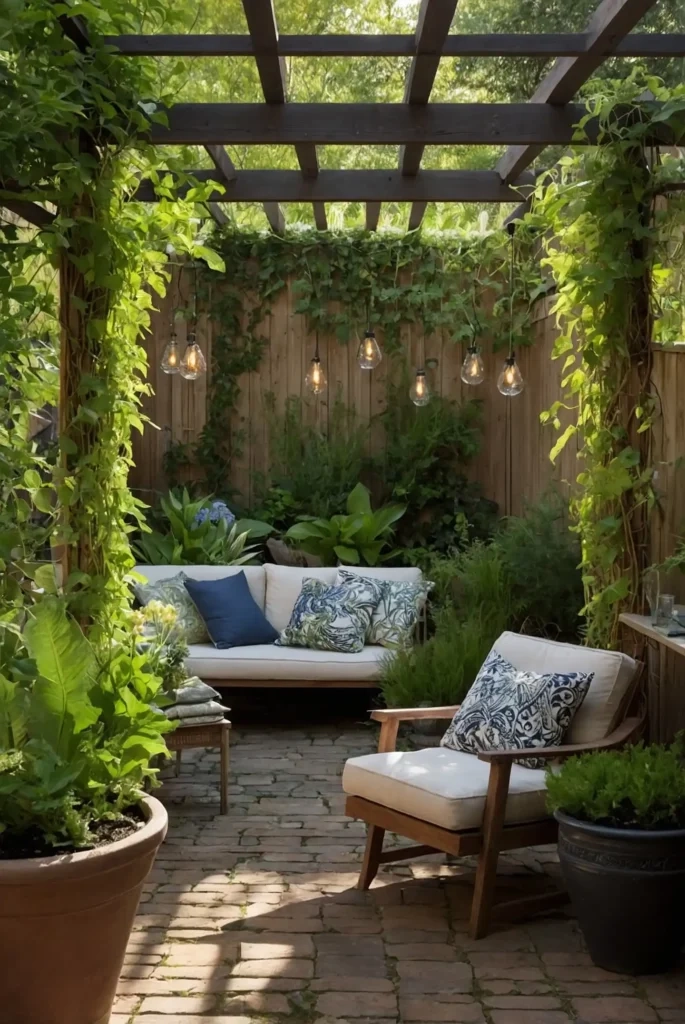
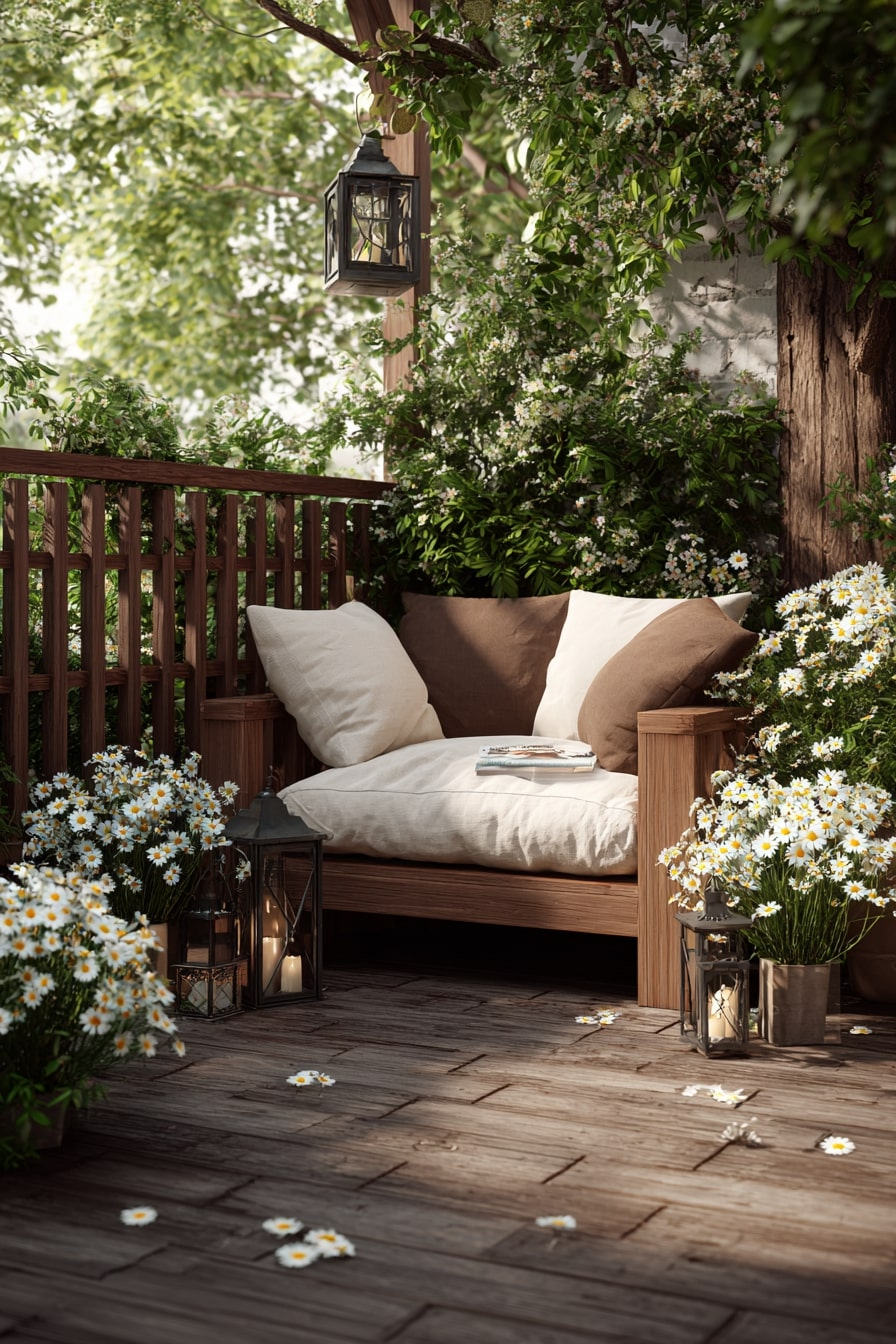
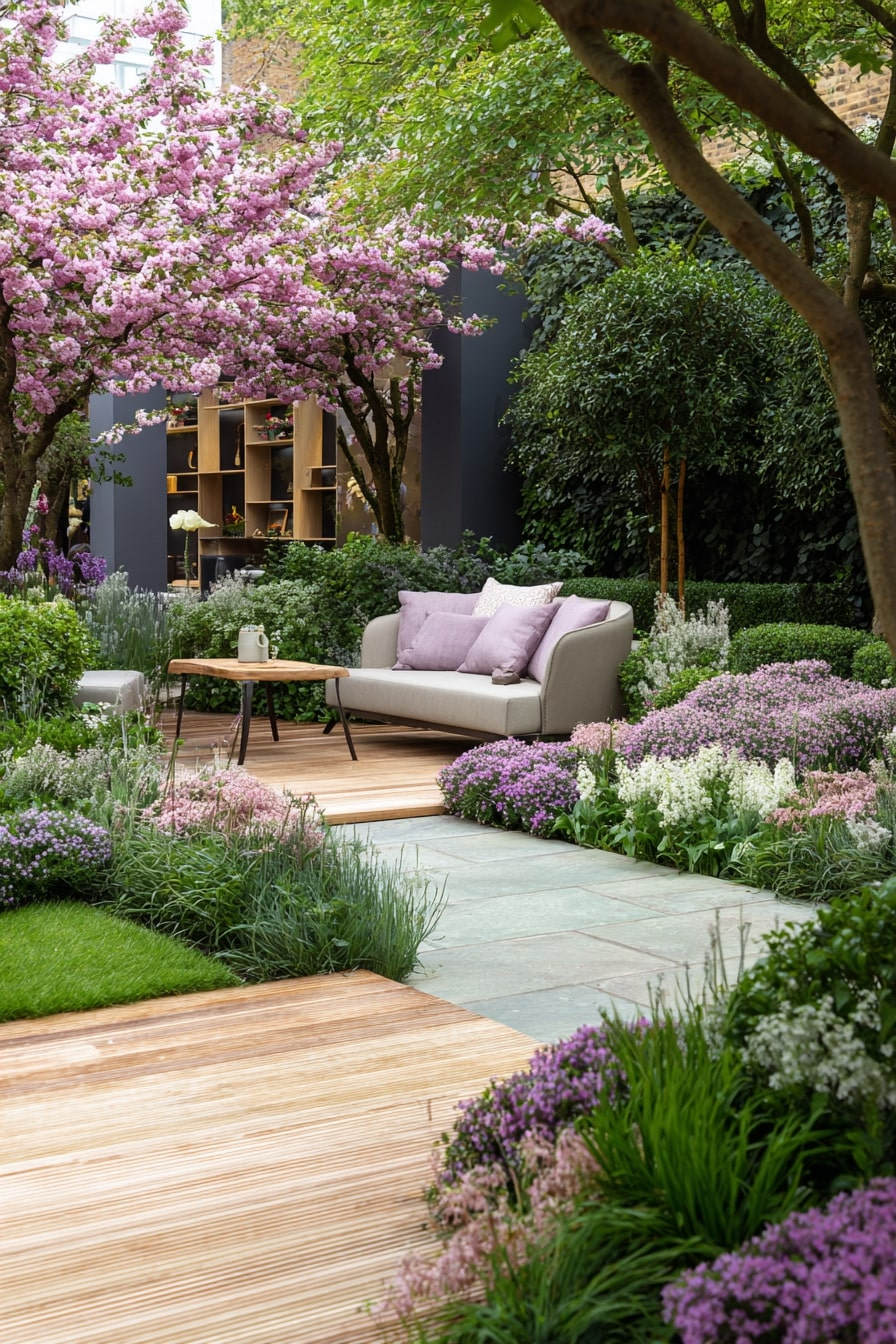
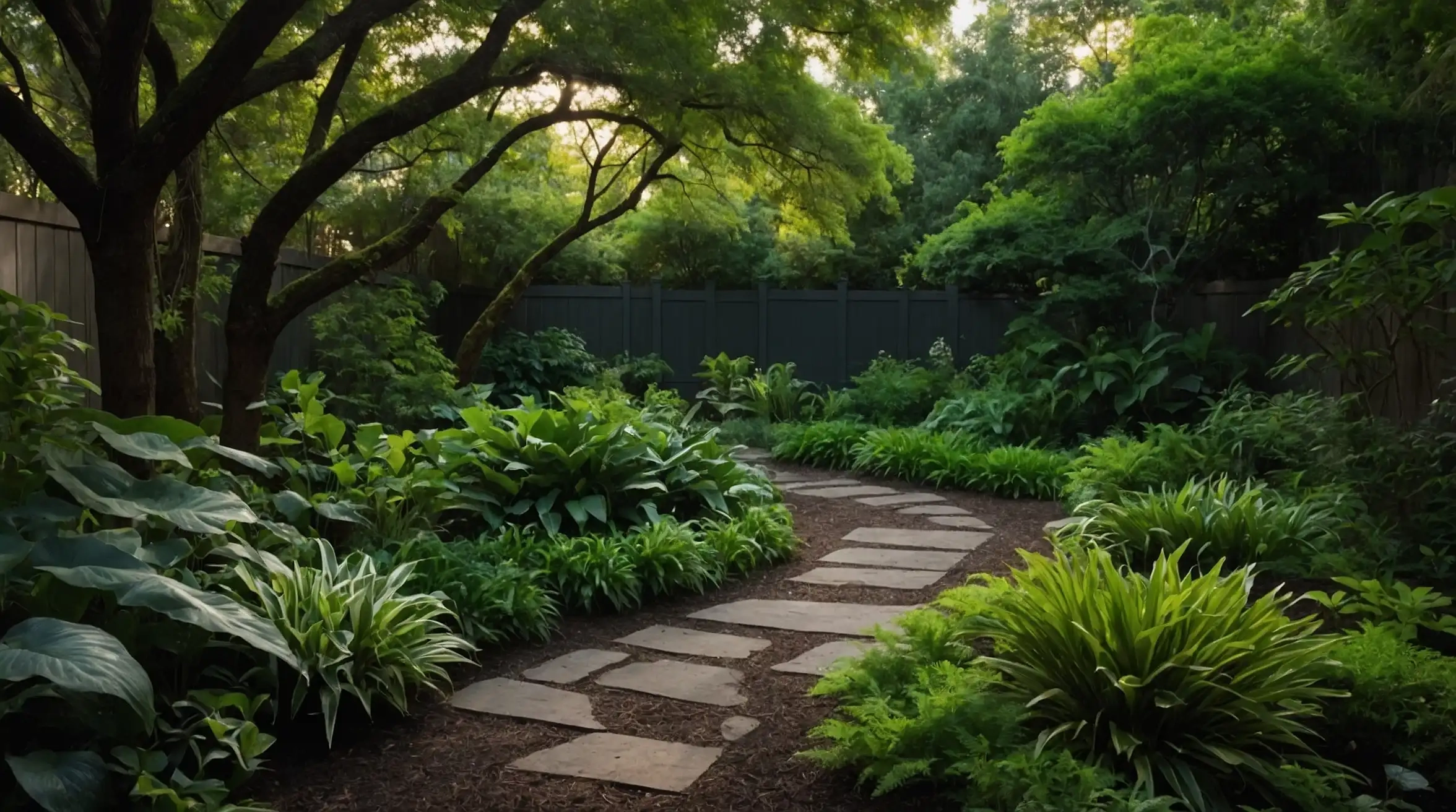
You know that feeling when you step outside after being stuck indoors all day? That deep breath you take, almost without thinking? It’s like your lungs finally remember how to work properly. Now imagine having that feeling available twenty-four seven, right in your living room. No coat needed. No rain to worry about. Just you, surrounded by green life, breathing easier.
That’s the magic of an indoor garden room. It isn’t just a trend we saw pop up on social media feeds back in the early twenties and fade away. It has stuck around because it answers a real, acheing need in our modern lives. We are spending more time inside than ever before. Our screens are brighter, our schedules are tighter, and our connection to the natural world is getting thinner. A garden room fixes that. It brings the outside in, not as a decoration, but as a lifestyle.
More Than Just Houseplants on Steroids
Let’s get one thing straight. An indoor garden room is not just a collection of potted ferns sitting on a windowsill. It is a dedicated space. A sanctuary. Think of it as a room within a room, designed specifically to support plant life and, by extension, your own well-being. It’s a place where utility meets beauty. You might keep your gardening tools organized on one wall, a cozy reading chair in the corner, and a lush canopy of pothos and monsteras overhead.
The difference lies in the intention. Regular houseplants are guests in your home. A garden room makes nature the host. According to recent design shifts noted by sources like Elle Decor, this is a choice rooted in slowness and joy. It’s about creating a zone where you can disconnect from the digital noise and reconnect with something primal. In 2026, where remote work has blurred the lines between office and bedroom, having a space that is distinctly not for working or sleeping is crucial. It’s a third space. A neutral ground for your mind.
These spaces vary wildly. For some, it’s a sun-drenched conservatory attached to the kitchen. For others, it’s a converted spare bedroom with grow lights humming softly in the background. The size doesn’t matter as much as the vibe. Whether you go for a minimalist look with a few sculptural succulents or a chaotic, jungle-inspired dense forest, the goal is the same. To create a personal slice of paradise that feels separate from the rest of the house’s demands.
The Science of Green: Why Your Brain Craves This Space
You might think this is all just aesthetic fluff. Pretty leaves for pretty Instagram posts. But there is hard science backing up the feeling of calm these rooms provide. Humans have an innate tendency to seek connections with nature. Biologists call it biophilia. We evolved in natural environments, so our brains are wired to respond positively to greenery. When we are surrounded by plants, our stress levels drop. Literally. Cortisol, the stress hormone, decreases.
It’s not just in your head, either. Plants are working hard while you relax. They act as natural air filters. While the idea that houseplants completely purify indoor air is sometimes debated, recent studies suggest that a high density of plants—like you’d find in a garden room—can indeed improve air quality by removing volatile organic compounds (VOCs). These are the nasty chemicals released by paints, furniture, and cleaning products. In a sealed modern home, those toxins build up. A garden room helps break that cycle.
Then there is the humidity factor. Modern heating and cooling systems strip moisture from the air, leading to dry skin, irritated eyes, and respiratory issues. Plants release water vapor through transpiration. A room full of them acts like a natural humidifier. In the dry winter months of 2026, stepping into your garden room feels like stepping into a spa. Your sinuses clear up. Your skin feels less tight. It’s a small physical change that makes a huge difference in how you feel overall. It’s wellness you can breathe.
Designing Your Sanctuary: Light, Layout, and Logic
So, you’re convinced. You want this space. Where do you start? The biggest hurdle is usually light. Plants are solar-powered, after all. If you have a south-facing window, you’re golden. But most of us aren’t that lucky. Don’t let that stop you. Technology has caught up. Full-spectrum LED grow lights have become sleek, affordable, and energy-efficient. They don’t have to look like ugly purple bulbs from a basement dungeon. Many now mimic natural daylight and can be integrated into stylish fixtures.
Layout is next. You need to think about flow. A garden room shouldn’t feel cluttered, even if it’s packed with plants. Use vertical space. Hanging baskets, wall-mounted shelves, and tall trellises draw the eye upward and make the room feel larger. Keep pathways clear. You should be able to walk through, water your plants, and sit down without knocking over a pot. Organization is key here. As noted by The Spruce, a garden room is a place for both utility and beauty. Have a spot for your watering can, your pruning shears, and your misting bottle. If your tools are messy, the room will feel stressful, not calming.
Climate control is the silent partner in this equation. Most tropical houseplants love warmth and hate drafts. Keep your garden room away from radiators or air conditioning vents if possible. Consistency is what plants crave. If you can maintain a steady temperature between 65 and 75 degrees Fahrenheit, most common houseplants will thrive. Consider a small hygrometer to monitor humidity. If it drops below 40%, you might need a pebble tray or a small humidifier to keep things lush. It’s about creating a microclimate that supports life.
The Mental Reset: A Refuge from Digital Burnout
We live in a world that never stops pinging. Notifications, emails, news alerts. It’s exhausting. By 2026, digital burnout is recognized as a genuine health crisis. An indoor garden room offers a rare commodity: silence. Not empty silence, but the quiet hum of life. There are no screens in a garden room. Or at least, there shouldn’t be. It’s a phone-free zone. A place where the only thing demanding your attention is the new leaf unfurling on your fiddle leaf fig.
This disconnection is therapeutic. Gardening, even on a small indoor scale, requires mindfulness. You have to look closely. Is the soil dry? Are there pests on the underside of the leaf? Does this stem need support? These small acts of care ground you in the present moment. It’s a form of meditation. You can’t worry about tomorrow’s meeting when you’re focused on mixing the perfect soil blend for your orchids. It forces your brain to slow down.
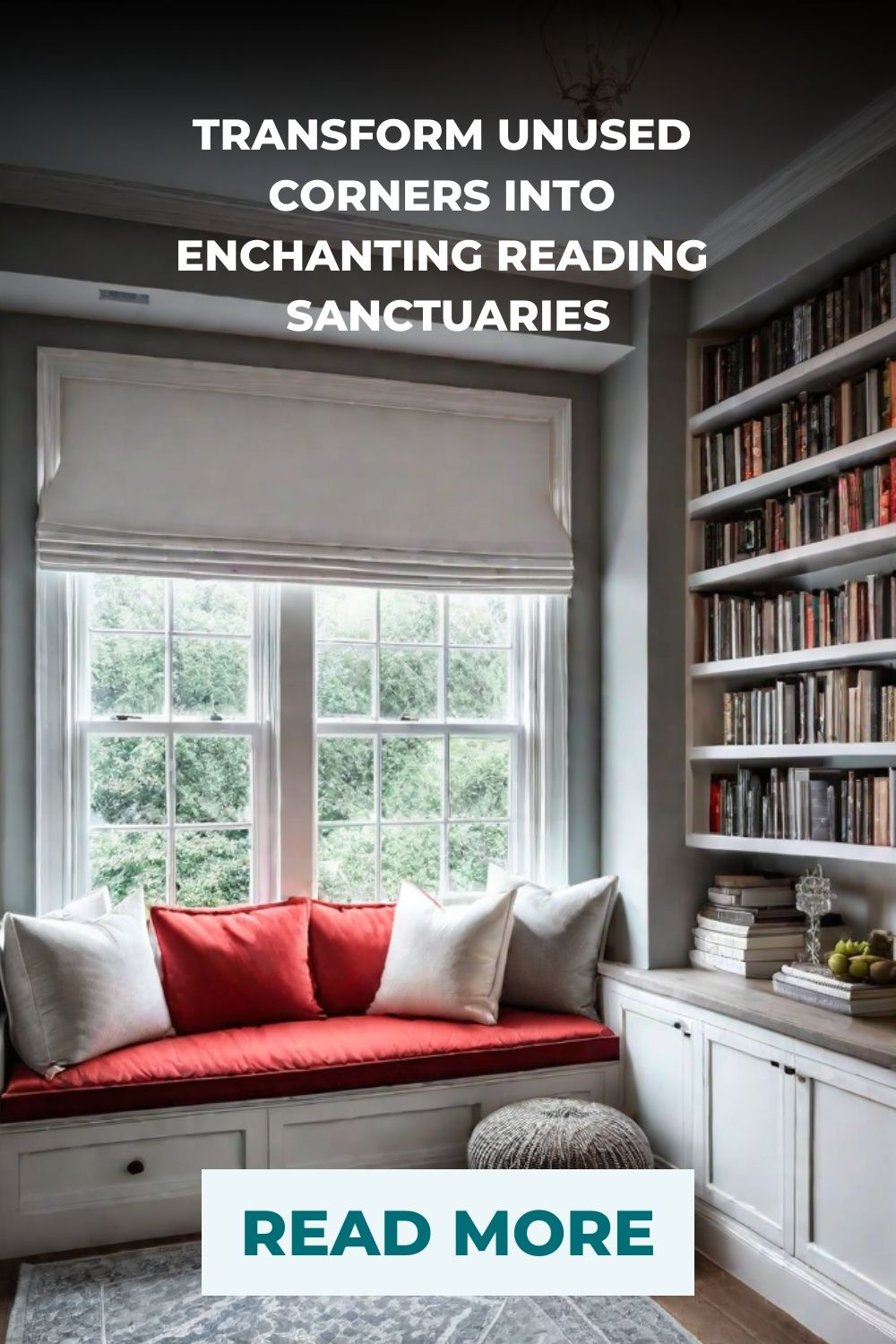
Many people use their garden rooms as reading nooks or meditation spots. The visual softness of plants reduces mental fatigue. Studies have shown that just looking at greenery can restore attention span and improve focus. So, paradoxically, taking a break in your garden room might make you more productive when you return to work. It’s a reset button. A chance to breathe, literally and figuratively, before diving back into the chaos of modern life. It’s not escapism; it’s recharging.
Practical Tips for Keeping Your Green Haven Alive
Let’s be real. Killing plants is easy. Keeping them alive takes a bit of know-how. But don’t let fear stop you. Start small. Choose plants that are forgiving. Pothos, snake plants, and ZZ plants are nearly indestructible. They tolerate low light and irregular watering. As you gain confidence, you can branch out to more demanding varieties like calatheas or ferns. The key is to learn the specific needs of each plant. Group plants with similar requirements together. Don’t put a cactus next to a fern; one will rot, and the other will shrivel.
Watering is where most people go wrong. Overwatering is the number one killer of indoor plants. Stick your finger in the soil. If it’s damp, wait. If it’s dry, water thoroughly until it runs out the bottom. Drainage holes in pots are non-negotiable. Never let a plant sit in standing water. In 2026, there are even smart sensors that can tell you exactly when your plants need water, taking the guesswork out of it. But honestly, learning to read the plant itself is more rewarding. Look for drooping leaves (thirsty) or yellowing leaves (often too wet).
Maintenance is part of the ritual. Dust the leaves occasionally so they can photosynthesize efficiently. Rotate your pots every few weeks so they grow evenly toward the light. Prune dead leaves to keep things tidy and prevent disease. It doesn’t have to be a chore. Make it part of your Sunday routine. Put on some music, grab your spray bottle, and tend to your green friends. It becomes a act of self-care. You care for them, and they care for you. It’s a symbiotic relationship that benefits both parties.
Beyond personal wellness, indoor garden rooms are becoming a smart investment. As sustainability becomes a core value for homeowners in 2026, features that align with eco-friendly living are increasingly desirable. A well-designed garden room signals a commitment to natural living. It adds square footage of usable, enjoyable space. Real estate agents are noting that homes with unique, functional spaces like garden offices or indoor sanctuaries stand out in the market. It’s not just about selling; it’s about adding value to your daily life while potentially increasing resale appeal.
These spaces also encourage sustainable habits. Growing your own herbs or small vegetables in an indoor garden reduces packaging waste and carbon footprint associated with store-bought produce. Even if you just grow basil and mint, it’s a step toward self-sufficiency. Composting kitchen scraps for your plants closes the loop. It turns waste into food for your greenery. It’s a small way to live more lightly on the earth, right inside your four walls.
Moreover, the materials used in creating these rooms often reflect eco-conscious choices. Reclaimed wood for shelves, recycled plastic pots, organic soils. Every decision can align with your values. It’s a holistic approach to home design. You aren’t just decorating; you’re curating an environment that supports both human and planetary health. In a world facing climate challenges, bringing nature indoors is a way to stay connected to what we’re trying to protect. It’s a reminder of what’s at stake, and what’s worth saving.
Creating an indoor garden room isn’t about perfection. It’s about presence. It’s about carving out a space in your home that prioritizes life, growth, and calm. In a fast-paced, digital-heavy world, that’s not just a nice-to-have. It’s essential. So, look around your home. Find that sunny corner. Clear out the clutter. Bring in a plant. Then another. And another. Watch how the room changes. Watch how you change. The ultimate wellness upgrade might just be a leaf away.