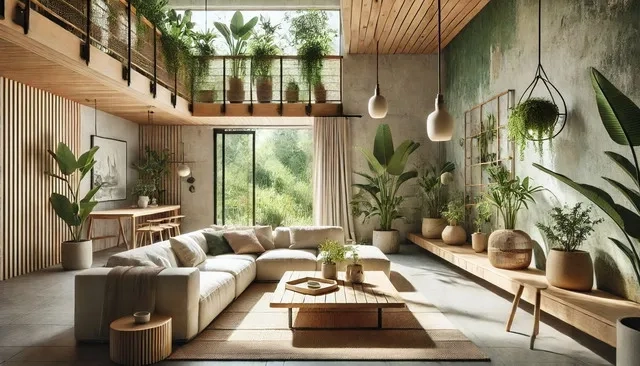
Remember when everyone’s house looked exactly the same? You know the drill. Beige walls. Gray floors. That one specific type of succulent on every coffee table. It was safe. It was clean. But it felt a bit like living in a hotel lobby that nobody actually stayed in. Well, thank goodness that era is officially over. In 2026, we are seeing a massive shift away from "Instagram perfect" and toward "actually livable."
The best part? There isn’t just one right way to do it anymore. Whether you crave the quiet calm of a warm minimalist sanctuary or the electric energy of a neo-deco party pad, the rules have changed. It’s not about following a trend blindly. It’s about finding the vibe that lets you breathe. This guide breaks down the styles defining homes this year, helping you figure out which one feels like you. Because at the end of the day, your home should support your life, not complicate it.
Warm Minimalism: The Art of Quiet Comfort
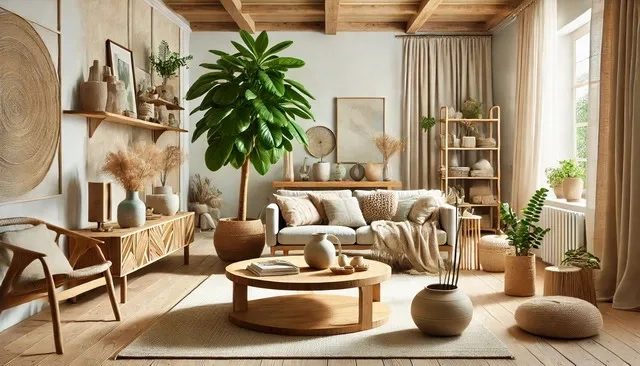
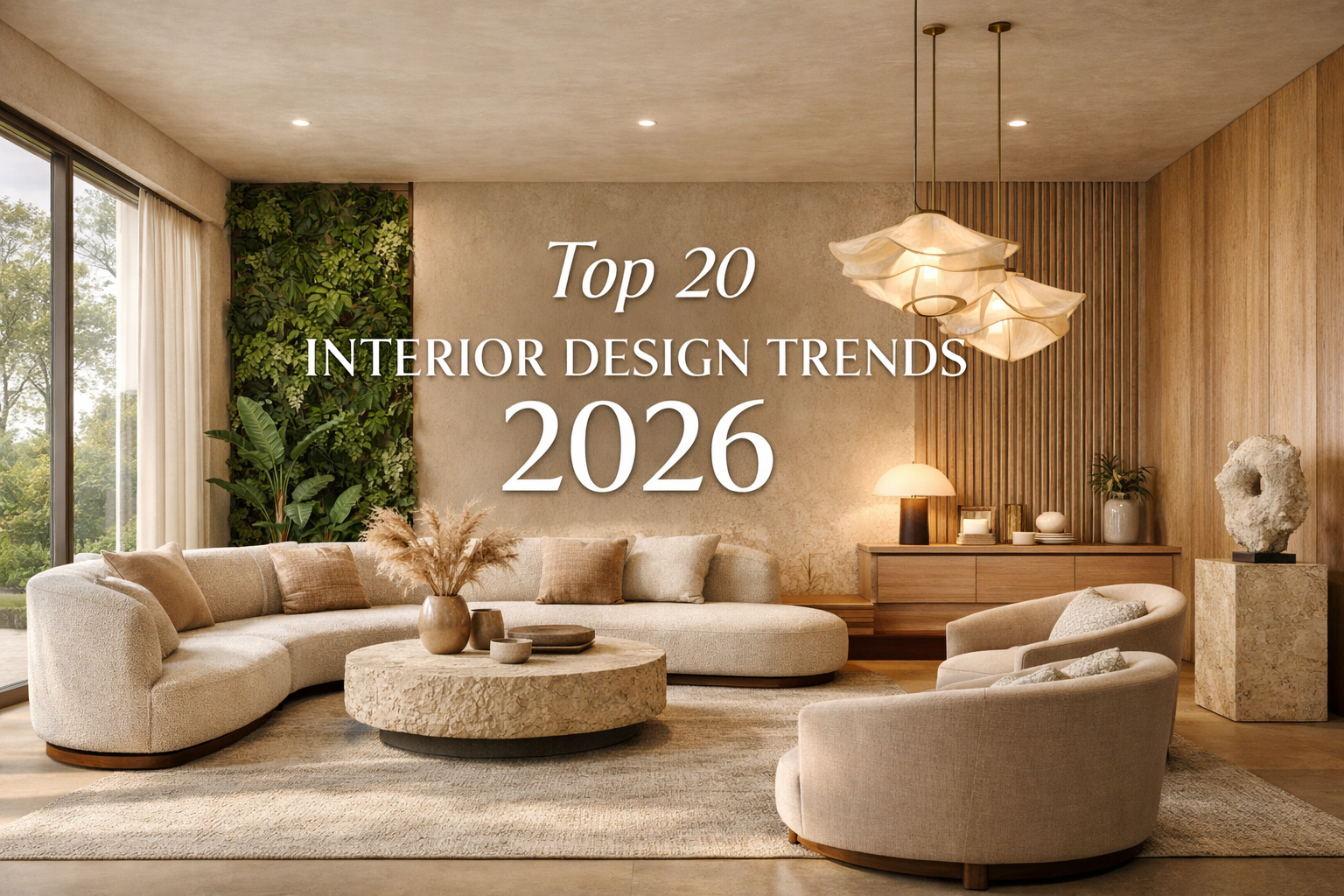
Let’s start with the style that’s quietly taking over, mostly because it feels like a deep exhale after a long week. Warm minimalism isn’t about having less stuff just for the sake of it. It’s about keeping only what matters and making sure those things feel good to touch. Think soft textures, earthy tones, and plenty of natural light. It’s the anti-clutter movement, but make it cozy.
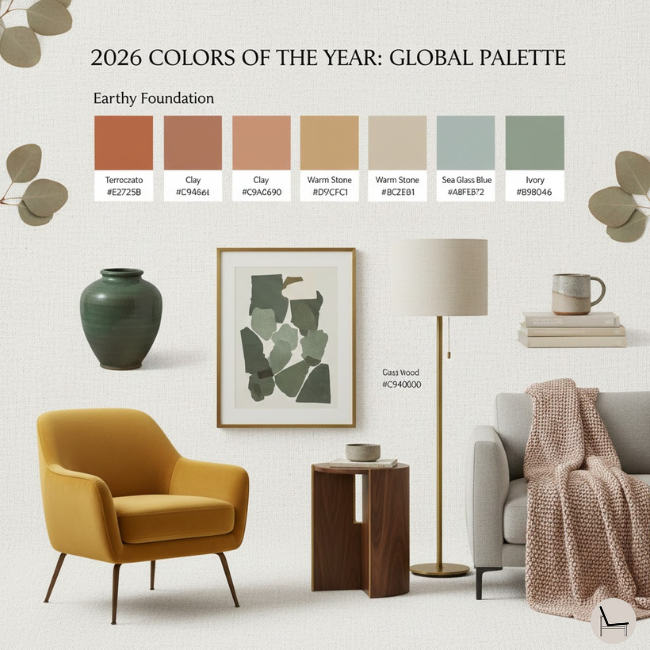
In 2026, designers are ditching the cold, sterile whites of the past decade. Instead, they’re reaching for creams, taupes, and soft terracottas. The furniture is low-profile and inviting, often made from natural materials like oak, linen, or wool. It’s not sparse; it’s curated. Every item has a purpose, either functional or emotional. If you’re someone who gets overwhelmed by visual noise, this might be your sweet spot. It creates a backdrop that lets your mind rest.
But here’s the trick to making it work without feeling boring: layering. You need texture. A chunky knit throw over a smooth leather chair. A rough-hewn wood table next to a sleek ceramic vase. These contrasts add depth so the room doesn’t feel flat. It’s about quality over quantity, sure, but it’s also about sensory experience. When you walk into a warm minimalist space, you should feel your shoulders drop. That’s the goal.
Neo Deco: Bold Glamour for the Modern Age
On the complete opposite end of the spectrum, we have the return of glamour. But it’s not your grandmother’s Art Deco. Neo Deco is sharper, bolder, and a little bit rebellious. It’s for the people who look at a blank wall and think, "That needs a mirror shaped like a sunburst," or "That corner needs a velvet armchair in emerald green." It’s dramatic. It’s confident. And honestly? It’s fun.
This style leans heavily into geometric shapes, metallic accents, and rich, jewel-toned colors. Think sapphire blues, deep purples, and gold finishes that catch the light just right. In 2026, we’re seeing this pop up in unexpected places, like kitchens with brass hardware and marble countertops that look like abstract art. It’s not about being opulent for the sake of showing off wealth. It’s about celebrating beauty and craftsmanship. It’s design as jewelry for your home.
Of course, pulling this off requires a bit of courage. You can’t be shy with Neo Deco. It demands statement pieces. A large-scale artwork. A chandelier that looks like a sculpture. But you don’t have to go all-in everywhere. Maybe it’s just the dining room. Or maybe it’s just the entryway. The key is balance. If everything is loud, nothing stands out. Pick one or two focal points and let them shine. The rest of the room can stay relatively quiet to let those stars perform.
Afrohemian: Soulful Layers and Global Stories
If you’ve been feeling like your home lacks soul, Afrohemian might be the answer. This style is a beautiful blend of African heritage and bohemian freedom. It’s vibrant, textured, and deeply personal. It’s not about buying a kit from a big box store. It’s about collecting pieces that tell a story. Hand-woven baskets from Ghana. Mud cloth pillows from Mali. Brightly patterned rugs from Morocco. Each item carries history and culture.
What makes this style so popular in 2026 is its emphasis on authenticity. People are tired of mass-produced decor that looks the same in every city. They want connection. Afrohemian spaces feel lived-in and loved. They mix patterns and colors in ways that shouldn’t work but somehow do. It’s chaotic in the best possible way. It encourages you to display your travels, your heirlooms, and your finds from local markets. It’s a celebration of diversity and craft.
To get this look, start with a neutral base—maybe white walls or natural wood floors—to let the colorful textiles pop. Then, layer in the patterns. Don’t be afraid to mix stripes with checks or florals with geometrics. The secret is keeping a consistent color palette so it doesn’t become too messy. Earth tones like rust, ochre, and indigo work well together. Add plenty of plants, too. Greenery brings life to the rich textures and makes the space feel fresh and organic.
Biophilic Living: Bringing the Outdoors In
We all know nature makes us feel better. Science says so. Our brains literally relax when we see green leaves or hear running water. Biophilic design takes this concept and builds a whole lifestyle around it. It’s not just putting a potted plant in the corner. It’s about integrating natural elements into the very structure of your home. Large windows that frame tree views. Indoor gardens. Materials like stone, wood, and cork that remind you of the forest floor.
In 2026, this trend is evolving beyond just aesthetics. It’s becoming about health and wellness. Air-purifying plants are standard. Natural ventilation is prioritized. Lighting systems mimic the circadian rhythm, changing color temperature throughout the day to help you sleep better. It’s about creating a sanctuary that supports your physical and mental well-being. If you live in a city, this style is a lifeline to the natural world you might be missing.
Implementing biophilic design doesn’t require a renovation. Start small. Swap out synthetic fabrics for cotton or linen. Add more wood elements to your furniture. Maximize natural light by removing heavy curtains. If you have the space, create a dedicated green corner with a variety of plants. Even a small herb garden on the windowsill counts. The goal is to blur the line between inside and outside. When you’re home, you should feel like you’re retreating to a peaceful grove, not a concrete box.
Lived-In Maximalism: More Is More, If It’s Meaningful
Maximalism had a moment a few years ago, but it often felt forced. Like people were stuffing their houses with stuff just to be different. The 2026 version is different. It’s called "lived-in maximalism" for a reason. It’s curated chaos. It’s about surrounding yourself with things you genuinely love, even if they don’t match. It’s books stacked on the floor. It’s gallery walls that cover every inch of space. It’s collections of vintage cameras or ceramic frogs displayed with pride.
This style is for the collectors, the readers, the travelers. It’s for people who find comfort in abundance. But here’s the crucial part: it has to be your abundance. Not what’s trendy. Not what looks good in a magazine. What makes you happy? If you love bright yellow, paint the ceiling yellow. If you have fifty posters from concerts you’ve attended, frame them and hang them all. It’s deeply personal. It’s a visual diary of your life.
The challenge with maximalism is avoiding clutter. There’s a fine line between "eclectic" and "messy." The difference is intention. Group similar items together. Use color to create zones. Keep pathways clear so you can actually move through the space. And edit occasionally. If something no longer sparks joy, let it go. But don’t be afraid to fill your space. In a world that often feels empty and disconnected, a home full of memories and personality is a powerful thing.
Yes, the 1980s are back. But before you panic, it’s not the neon and shoulder pads version. It’s the softer, more thoughtful side of 80s design. Think Memphis Group influences but toned down for real life. Pastel colors. Curved furniture. Terrazzo surfaces. It’s playful and nostalgic, but it’s also surprisingly functional. The furniture from this era was often built to last, with sturdy frames and comfortable proportions.
In 2026, we’re seeing a resurgence of these forms because they feel friendly. Sharp angles can feel aggressive. Curves feel welcoming. A rounded sofa invites you to curl up. A pastel pink kitchen cabinet feels cheerful rather than stark. It’s a reaction against the seriousness of modern design. It’s okay to have fun with your home. It’s okay to remember the past with affection. This style blends retro vibes with modern technology and comfort standards.
To try this out, look for vintage pieces or modern reproductions with curved lines. Mix in some terrazzo accessories, like a coaster set or a small side table. Use pastel accents in your textiles or paint. But keep the foundation modern. You don’t want your house to feel like a time capsule. You want it to feel like a contemporary space with a wink to the past. It’s about balancing nostalgia with today’s needs. After all, we still need our homes to work for us, not just look like a movie set.
Choosing a design style in 2026 isn’t about picking a label and sticking to it rigidly. It’s about listening to your instincts. What makes you feel calm? What makes you feel energized? What objects do you refuse to throw away? Your home should be a reflection of your answers. Don’t worry about getting it "right." There is no right. There is only what works for you.
So take a look around your space. What’s missing? What’s bothering you? Maybe you need more plants to feel grounded. Maybe you need a bold color to wake you up. Maybe you just need to clear out the junk and let the light in. Start small. Experiment. Change your mind. Your home is a living thing, just like you. Let it evolve. Let it breathe. And most importantly, let it be yours.