You know that sinking feeling. You pull a load of whites out of the washer, expecting crisp, bright freshness. Instead, you’re greeted by a sea of pale pink socks and grayish undershirts. It’s a disaster. A total laundry nightmare. We’ve all been there. Maybe it was that one red sock you thought would be fine. Or maybe you just got lazy and tossed everything in together because, hey, who has time to sort? But the cost isn’t just time. It’s your favorite white shirt. It’s that expensive pair of jeans losing their edge. It’s frustration.
In 2026, we have smarter machines and better detergents, yet the age-old problem of color bleeding persists. Why? Because technology can’t fix bad habits. The core issue isn’t the washing machine; it’s how we prep for it. Sorting isn’t just an old-school chore your grandma insisted on. It’s the single most effective way to protect your wardrobe. It saves money. It saves stress. And honestly? It saves you from having to rebuy half your closet every year. Let’s talk about how to stop the bleed before it starts.
The Psychology of the Pile
Let’s be real. Sorting laundry feels like a waste of life. You want to throw it all in and hit start. That urge is strong. But think about what happens when you ignore it. You risk ruining multiple items at once. It’s a gamble with bad odds. Most people don’t sort because they don’t see the immediate consequence. The damage is cumulative. Fading happens slowly. Bleeding happens suddenly. Both are preventable.
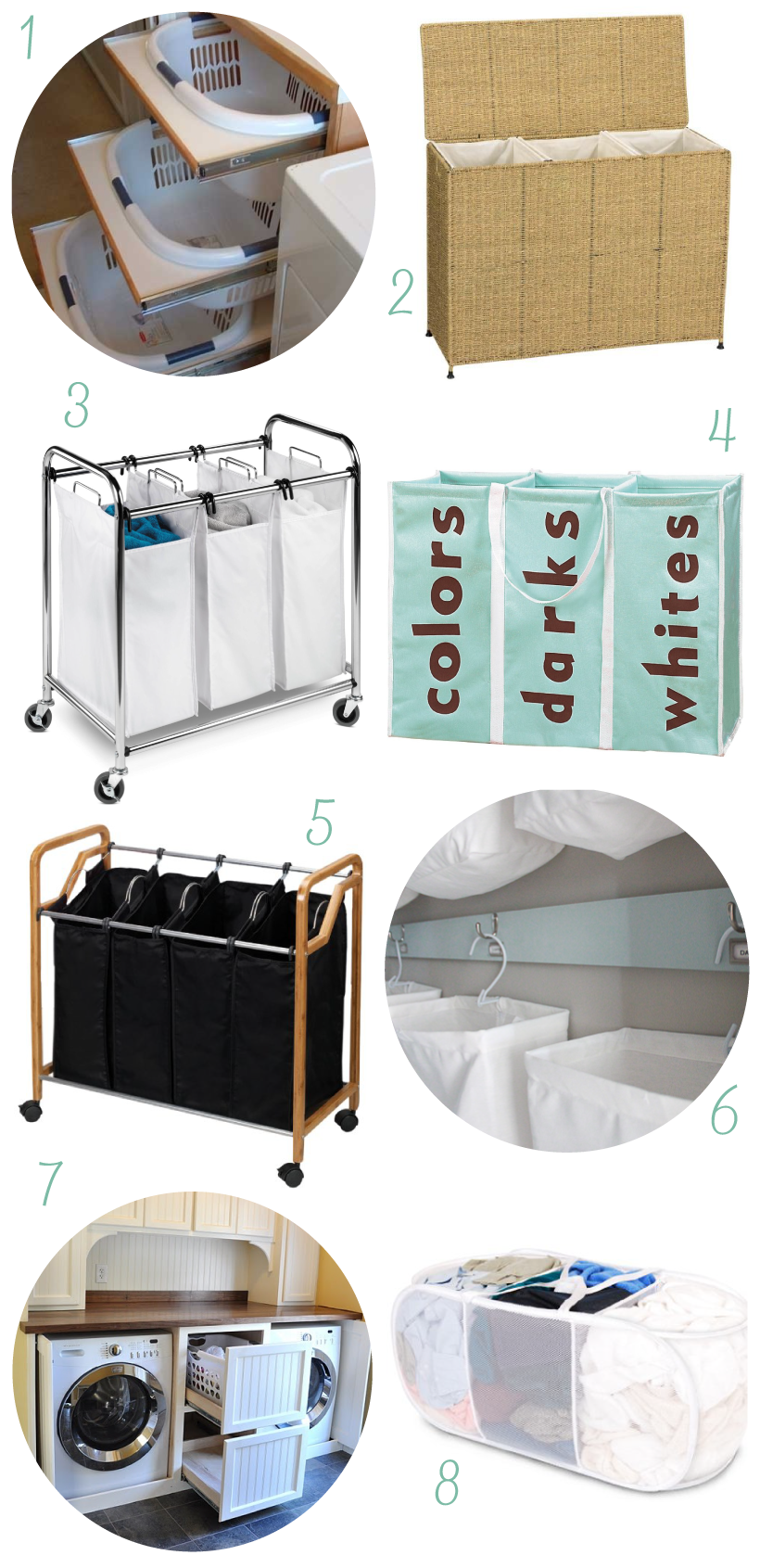
Start by changing your mindset. Don’t view sorting as a separate task. View it as part of the undressing process. When you take off your clothes, put them in the right bin immediately. Dark hamper. Light hamper. Delicate bag. This tiny shift changes everything. It removes the "chore" aspect later. You aren’t sorting a mountain of mixed laundry on Sunday night. You’re just emptying pre-sorted bins. It’s less mental load. And in our busy lives, reducing mental load is key.
Consider the environmental angle too. When clothes bleed and fade, we discard them sooner. Fast fashion is already a huge problem. By making our clothes last longer through proper care, we reduce waste. It’s a small act, but it adds up. In 2026, sustainability isn’t just a buzzword; it’s a necessity. Keeping your black jeans black means you don’t need to buy new ones next season. That’s a win for your wallet and the planet. So, the next time you toss a dark tee into the light bin, remember: you’re not just mixing colors. You’re shortening the life of your garment.
Mastering the Three-Bin System
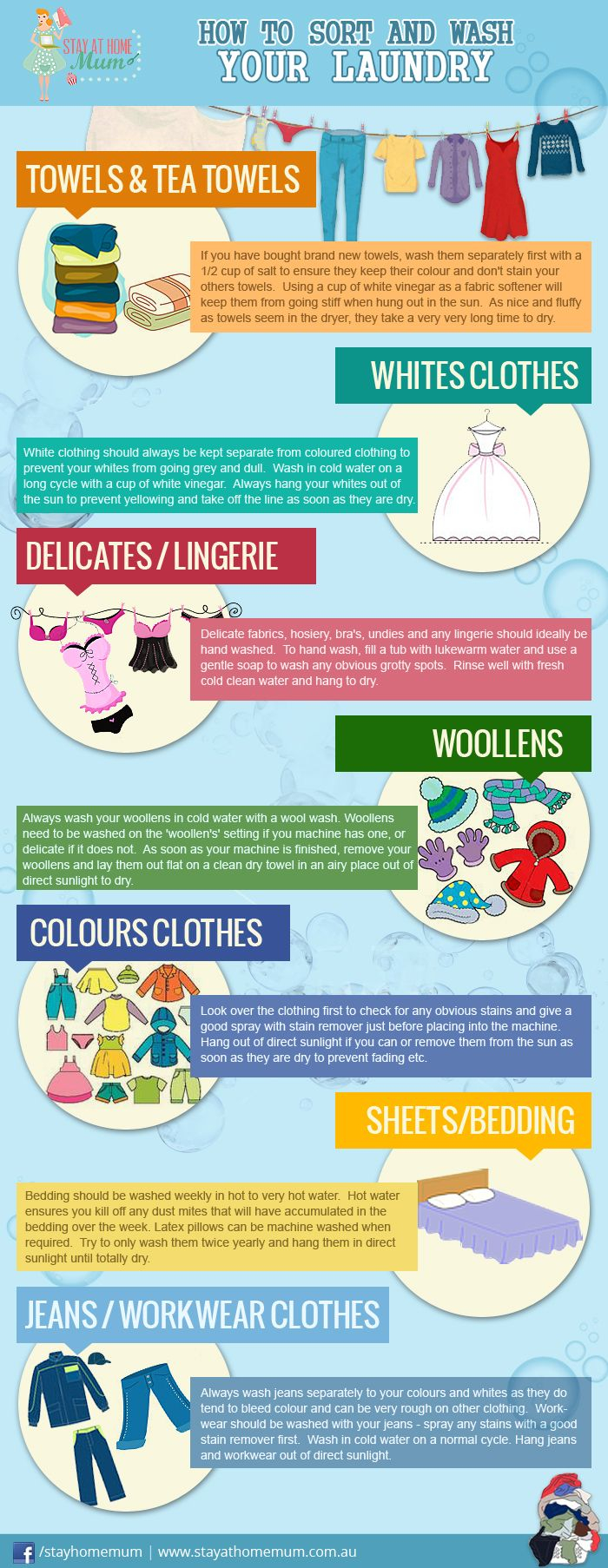
Forget complex color wheels. You don’t need to be an artist to do laundry. You just need three categories. Lights. Darks. Brights/Colors. That’s it. This simplification makes the process manageable. Let’s break it down. Lights are your whites, creams, pastels, and light grays. These are the victims. They show every speck of dirt and every drop of stray dye. Treat them like royalty. Keep them isolated.
Darks are your blacks, navys, dark grays, and deep browns. These items tend to release dye, especially when new. They also attract lint from lighter fabrics, which makes them look dingy. Keeping them separate keeps them looking sharp. Then there’s the middle ground: Brights and Colors. Reds, oranges, royal blues, greens. These are the wild cards. They are the most likely to bleed. Never mix them with lights. Ever. Some people wash them with darks, which is okay if the colors are muted, but ideally, they get their own load.
What about jeans? Denim is a special case. New jeans bleed like crazy. Indigo dye is notorious for this. For the first few washes, jeans should be washed alone or with other darks that you don’t mind getting a little blue tint. After five or six washes, they stabilize. But even then, keep them away from whites. And turn them inside out. This protects the outer fabric from friction and fading. It’s a simple trick that extends the life of your denim significantly. Don’t skip it.
The Truth About New Clothes
Here is a hard truth: new clothes are dirty. Not just from the store shelves, but chemically. Manufacturers use excess dye that hasn’t been fully set. This loose dye is what causes bleeding. The first three to five washes are the critical period. This is when the majority of color loss happens. If you can survive this phase without disaster, you’re usually in the clear. So, how do you handle it?
Test before you trust. Take a white cloth or a cotton ball. Wet it with warm water. Rub it on an inconspicuous area of the new garment, like an inside seam. If color comes off on the cloth, it will bleed in the wash. Period. Do not risk it. Wash that item alone. Or use a color catcher sheet. These sheets are like sponges for loose dye. They trap the color in the water so it doesn’t settle on other clothes. In 2026, these are more effective than ever, using advanced polymer technology to lock in dye molecules. They are cheap insurance.
Another tip: wash new brights and darks in cold water. Heat opens up the fibers and releases more dye. Cold water keeps the fibers tight and the dye trapped. It might seem counterintuitive if you’re worried about cleaning power, but modern detergents work great in cold water. Plus, it saves energy. Win-win. If you’re really paranoid about a specific item, like a bright red dress, add a cup of white vinegar to the rinse cycle. While the "vinegar sets dye" myth is partly exaggerated, it does help neutralize alkalinity and can reduce bleeding slightly. It won’t fix a poorly dyed garment, but it helps.
Debunking the Salt and Vinegar Myths
We’ve all heard the advice. Add salt to set colors. Add vinegar to stop bleeding. Your grandmother probably said it. The internet definitely says it. But does it work? Sort of. But not in the way you think. Salt and vinegar are not magic shields. They cannot fix poor manufacturing. If a shirt is going to bleed profusely, salt won’t stop it. However, they do have a place in laundry care.
Vinegar is acidic. It helps break down detergent residue and mineral buildup. This can make colors appear brighter because the fabric is cleaner. It also helps balance the pH of the wash water. In hard water areas, this is crucial. Hard water can cause dyes to fade faster. Vinegar mitigates this. So, while it doesn’t "set" dye in the chemical sense, it creates a better environment for your clothes. Use half a cup in the rinse cycle. Don’t mix it with bleach. That creates toxic gas. Just don’t do it.
Salt is similar. It was historically used in the dyeing process to help dye adhere to fabric. Adding it to your home wash might help slightly with new items, but the concentration is too low to make a huge difference. It’s not a cure-all. Relying on salt instead of sorting is a mistake. Think of these additives as supplements, not replacements for good habits. Proper sorting and cold water are the foundation. Vinegar and salt are just the cherry on top. Don’t let the myth lull you into complacency. Sort your clothes. Always.
Temperature and Cycle Selection
Water temperature matters. A lot. Hot water is the enemy of color. It agitates fibers, opens them up, and encourages dye release. It also sets stains, which is another problem entirely. For colored clothes, cold water is your best friend. It preserves vibrancy. It prevents shrinking. And it saves energy. In 2026, with rising energy costs, this is a practical benefit everyone can appreciate. Most modern detergents are enzymatic, meaning they are designed to work effectively in cold water. Trust the science.
But what about sanitization? Sometimes you need hot water. Towels. Sheets. Underwear. These items are usually white or light-colored, so bleeding is less of a concern. But if you have colored towels, wash them in warm water, not hot. Warm is a compromise. It cleans well but is gentler on dye. Always check the care label. It’s there for a reason. Manufacturers test their fabrics. They know what the material can handle. Ignoring the label is gambling.
Cycle selection is also key. Heavy-duty cycles are rough. They create more friction. Friction causes fading and pilling. For delicate colors or newer items, use a gentle or permanent press cycle. These cycles use slower agitation and slower spins. Less stress on the fabric means less dye release. It takes a bit longer, but your clothes will thank you. And remember, don’t overload the machine. Clothes need room to move. If they are crammed in, they rub against each other constantly. This accelerates wear and tear. Give them space. Breathe.
So, you messed up. You mixed the red sock with the white load. You open the door and see pink water. Panic sets in. Don’t worry. All is not lost. There are steps you can take to mitigate the damage. The key is speed. Do not let the wet clothes sit. Dye sets as it dries. The longer it sits, the harder it is to remove. Immediately rinse the affected items in cold water. Keep rinsing until the water runs clear. This removes the loose dye floating on the surface.
Next, rewash the stained items alone. Use a heavy-duty detergent and add a color remover product if you have it. These products are designed to strip loose dye without damaging the fabric. Follow the instructions carefully. For whites, you can use bleach, but only if the fabric allows it. Check the label. If the stain persists, try soaking the item in a solution of oxygen-based bleach and cool water overnight. Oxygen bleach is gentler than chlorine bleach and safer for most fabrics. It breaks down the dye molecules over time.
If the item is still stained, don’t despair. Sometimes, a professional cleaner can save it. They have stronger chemicals and techniques that aren’t available at home. It might cost money, but it’s cheaper than replacing a favorite garment. And learn from it. Next time, check pockets. Check labels. Sort properly. Mistakes happen. But they don’t have to be fatal. With quick action, you can often reverse the nightmare. Keep a color catcher sheet handy for future loads. It’s a small price to pay for peace of mind.
Laundry doesn’t have to be a source of stress. It’s a routine. A rhythm. By adopting smart sorting habits, you take control. You protect your investment. You reduce waste. It’s not about perfection. It’s about consistency. Start with the three-bin system. Wash new clothes with care. Use cold water. Ignore the myths. And if disaster strikes, act fast. These small changes add up to big results. Your clothes will look better. Last longer. And you’ll feel a little more organized. In a chaotic world, that’s a nice win. So, go ahead. Sort that load. Your future self will thank you.