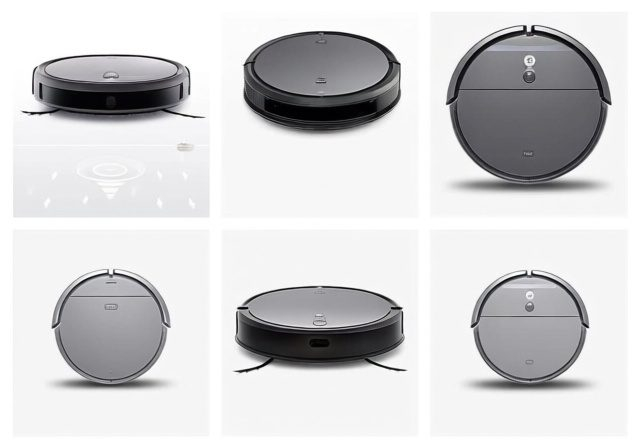
Let’s be honest. If you share your home with a furry friend, you know the struggle. It’s not just about love and belly rubs. It’s about the constant battle against hair. It’s on your clothes. It’s in your coffee. It’s definitely under the couch. For years, we’ve looked at robot vacuums as this futuristic luxury. But in 2026? They are basically survival tools for pet parents.
I talked to dozens of dog and cat owners this year. Not just casual users, but people who live with heavy shedders. Golden Retrievers. Huskies. Long-haired cats that seem to produce fur out of thin air. They didn’t care about fancy specs on a box. They cared about one thing: does it actually work without getting clogged every five minutes? The answers were surprising. Some big names fell flat. Some newer models stepped up. Here is what real people are using to keep their sanity intact.
The Tangle Problem Is Finally Solved (Mostly)
Remember when robot vacuums would just stop working because a clump of hair wrapped around the brush? That was the number one complaint for years. It was frustrating. You’d come home to a silent robot stuck in the hallway, choked by fur. In 2026, the tech has finally caught up. The biggest shift isn’t just more suction. It’s better brush design.
Many of the top-rated models now use rubber brushes instead of traditional bristles. Sarah, a owner of two German Shepherds in Ohio, told me she switched to a model with dual rubber rollers last year. "I used to spend twenty minutes cutting hair out of the old vacuum every week," she said. "Now? I maybe check it once a month." It’s a huge difference. The hair doesn’t wrap. It just gets sucked up. This simple change has made robot vacuums viable for people with long-haired pets who previously gave up on them.
But it’s not perfect. Some cheaper models still use old-style brushes. If you see a deal that looks too good, check the brush type. If it has bristles, run. You will regret it. The rubber roller technology is standard on the best units now. It’s worth paying extra for. Your time is valuable. Don’t spend it playing surgeon on a tangled brush roll.
Navigation That Doesn’t Fear the Toy Box
One of the scariest moments for a pet owner is hearing that crunching sound. You know the one. The robot found the dog’s favorite squeaky toy. Or worse, the water bowl. In the past, robots were dumb. They bumped into things until they figured it out. That doesn’t fly in 2026. The new generation of sensors is incredibly smart.
Mike, who has three cats and a clumsy Labrador, swears by the obstacle avoidance features on his current unit. "It sees the lego. It sees the chew toy. It goes around," he explained. The cameras and LiDAR systems on these 2026 models can identify specific objects. They don’t just see a blob. They know it’s a sock. This prevents the dreaded "pet waste incident" too. Several brands now advertise specific pet waste avoidance. It’s a genuine lifesaver. No one wants to clean that mess off a robot wheel.
This tech also helps with mapping. The robots create detailed maps of your home. You can tell them to avoid certain areas. Maybe the cat’s feeding station is a no-go zone during dinner time. You can set that up in the app. It gives you control. You aren’t just hoping for the best. You are directing traffic. It makes the whole experience feel less like gambling and more like having a helpful employee.
Suction Power vs. Carpet Depth
Hardwood floors are easy. Any robot can handle hair on hard surfaces. But carpets? That’s where the weak ones fail. If you have plush carpet or high-pile rugs, you need serious power. The 2026 leaders in this space boast suction numbers that would have seemed insane five years ago. But numbers on a page don’t mean much. Real performance does.
Jessica lives in a house with thick berber carpet and a Maine Coon cat. She tested three different brands before settling on her current choice. "The first one just pushed the hair around," she said. "It didn’t pull it out of the fibers." She needed a unit with adjustable suction that could ramp up automatically when it hit carpet. The best models do this now. They detect the floor type and boost power instantly.
Don’t ignore the filter either. Strong suction means nothing if the dust just blows back out. Look for HEPA filtration. It traps the tiny dander particles that cause allergies. This is crucial if you or your family members sneeze around the dog. The combination of deep-cleaning suction and good filtration keeps the air cleaner. It’s not just about visible hair. It’s about the stuff you can’t see.
The Self-Emptying Revolution
Let’s talk about the bin. A small robot vacuum fills up fast. Especially with pets. If you have to empty it every day, it’s not convenient. It’s a chore. That’s why self-emptying bases are no longer a luxury. They are a necessity for pet owners. In 2026, almost every top recommendation includes a dock that sucks the dirt out of the robot.
Tom, a dad of two kids and a Beagle, says the self-emptying feature changed his life. "I forget I even have a vacuum," he admitted. "It runs every day. It empties itself. I just change the bag once a month." The bags hold weeks worth of hair and dust. It keeps the allergens sealed away too. You aren’t dumping a cloud of dander into the trash can every night.
There are different types of bases. Some use bags. Some use bagless bins. The bagged ones are generally preferred for pets. They hold more and are cleaner to replace. Bagless bins save money on refills but can be messy to empty. Most pet owners prefer the convenience of bags. It’s a small cost for not touching the dirt. Consider it an investment in your hygiene.
Noise Levels and Pet Anxiety
Not all dogs love robots. Some are terrified. If your pup hides under the bed when the vacuum starts, you have a problem. Loud, aggressive robots create stress. In 2026, manufacturers are focusing on quieter operation. It’s not just about being polite to humans. It’s about being friendly to pets.
Lisa has a rescue dog who is sensitive to noise. She chose a model specifically marketed as "quiet mode." "It’s not silent," she noted. "But it’s a low hum. My dog barely notices it now." The best units have multiple power levels. You can run them on low when you are home. They take longer to clean, but they don’t scare the animals.
Some robots even have pet-friendly features built in. They might pause if they hear a bark. Or they can be scheduled to run when you are out. Knowing your pet’s personality is key. If they are curious, a louder robot might be fine. If they are anxious, spend the extra money for a quieter model. A clean floor isn’t worth a stressed-out dog. Peace matters.
The hardware is important. But the software makes it usable. The apps for these 2026 vacuums are much better than before. They are intuitive. You can set schedules. You can draw no-go zones. You can see where the robot has cleaned. This level of control helps you manage the cleaning around your pet’s routine.
Mark uses voice commands to start his vacuum. "Alexa, clean the kitchen," he says after the dog finishes eating. It’s seamless. The integration with smart home systems is tight. You can set it to run when your phone leaves the house. This ensures the floors are clean when you walk in. It feels magical.
Look for apps that show maintenance alerts. They tell you when to clean the sensors or check the brushes. This proactive approach keeps the robot running smoothly. You don’t have to guess when it needs care. The app tells you. It takes the mental load off. You just enjoy the clean floors. Technology should make life easier, not harder. These apps finally deliver on that promise.
So, what’s the verdict? The market in 2026 is mature. You don’t need to be a tech expert to pick a good one. Just focus on the basics. Rubber brushes. Good navigation. Self-emptying base. Quiet operation. Ask other pet owners what they use. Their real-world experience is worth more than any spec sheet.
Your home is unique. Your pets are unique. There is no single perfect vacuum for everyone. But there is a perfect one for you. Take the time to find it. Your floors will thank you. And honestly? So will your back. Less bending over to pick up hair means more time for cuddles. And that’s what having a pet is really about.