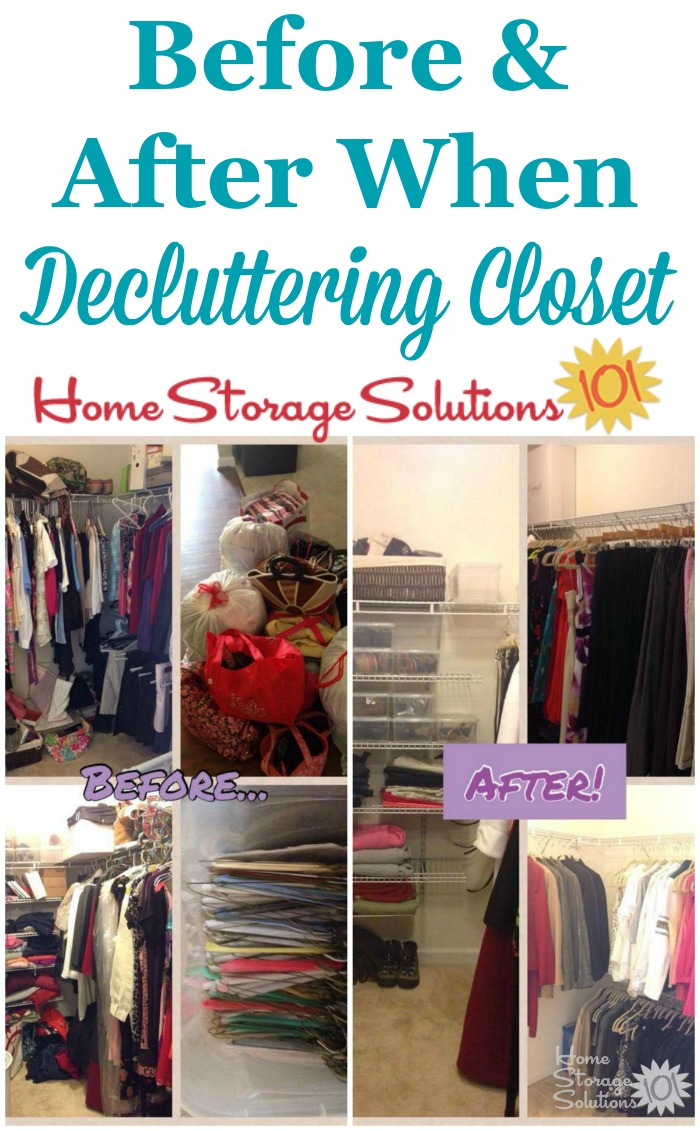
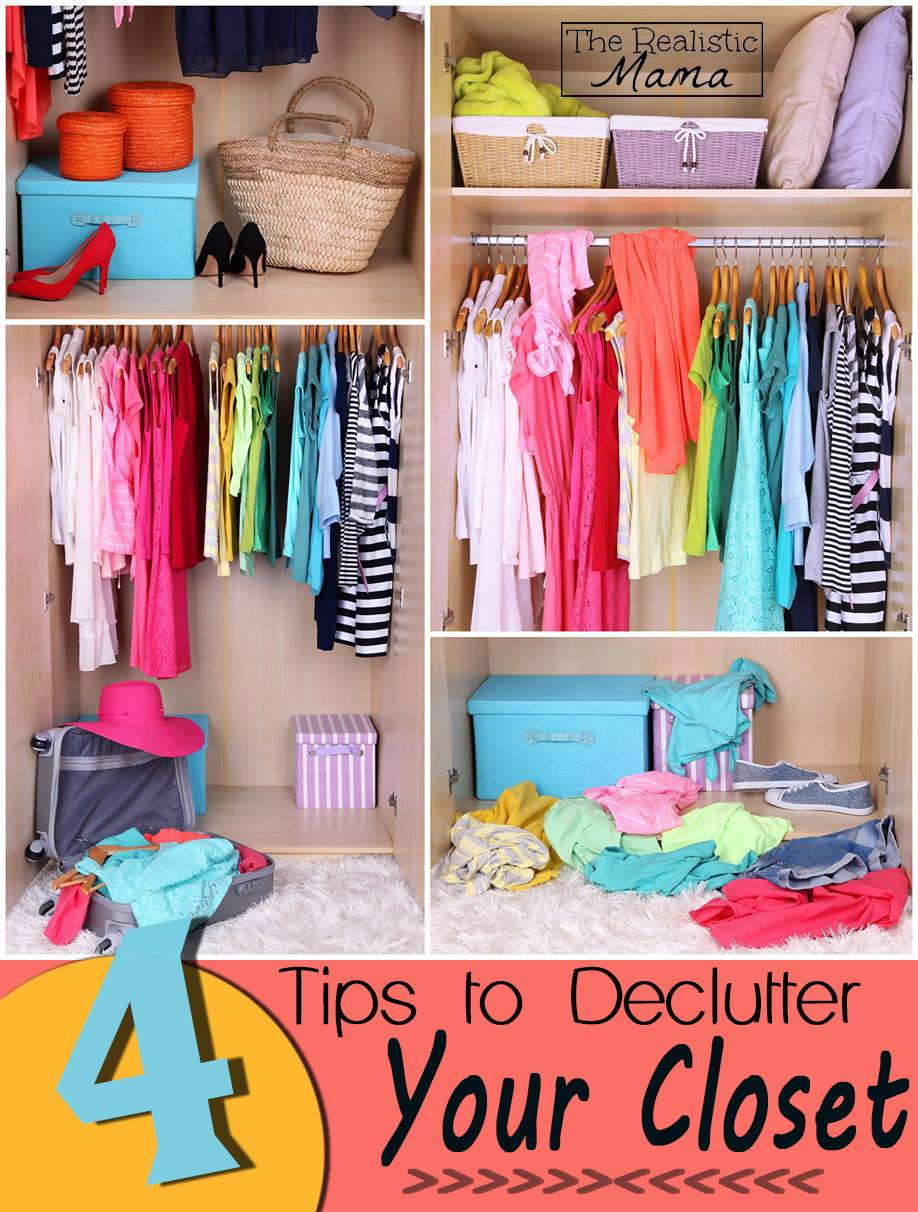
You know that feeling. It’s 7:45 AM. You’re standing in front of a closet that looks like it exploded. There are clothes everywhere. Hangers are tangled. You can’t find the one shirt you actually want to wear. Your heart rate spikes before you’ve even had coffee. It’s not just about mess. It’s about the mental load. The sheer exhaustion of deciding what to be today while fighting through a jungle of fabric.
We’ve all been there. For years, we treated our closets like storage units for every version of ourselves we’ve ever been. The yoga phase from 2019? Still there. The job interview blazer that didn’t fit then and definitely doesn’t now? Hanging on by a thread. But in 2026, the vibe has shifted. We aren’t just trying to hide the mess anymore. We are trying to cure the anxiety it causes. This isn’t about buying expensive bins or hiring a designer with a clipboard. It’s about reclaiming your morning. It’s about turning that chaotic cupboard into a source of calm confidence.
Let’s talk about how to do that. Not with perfection, but with purpose. Because a calm closet means a calmer mind. And honestly? We could all use a bit more of that right now.
The Emotional Audit: Why You Keep What You Don’t Wear
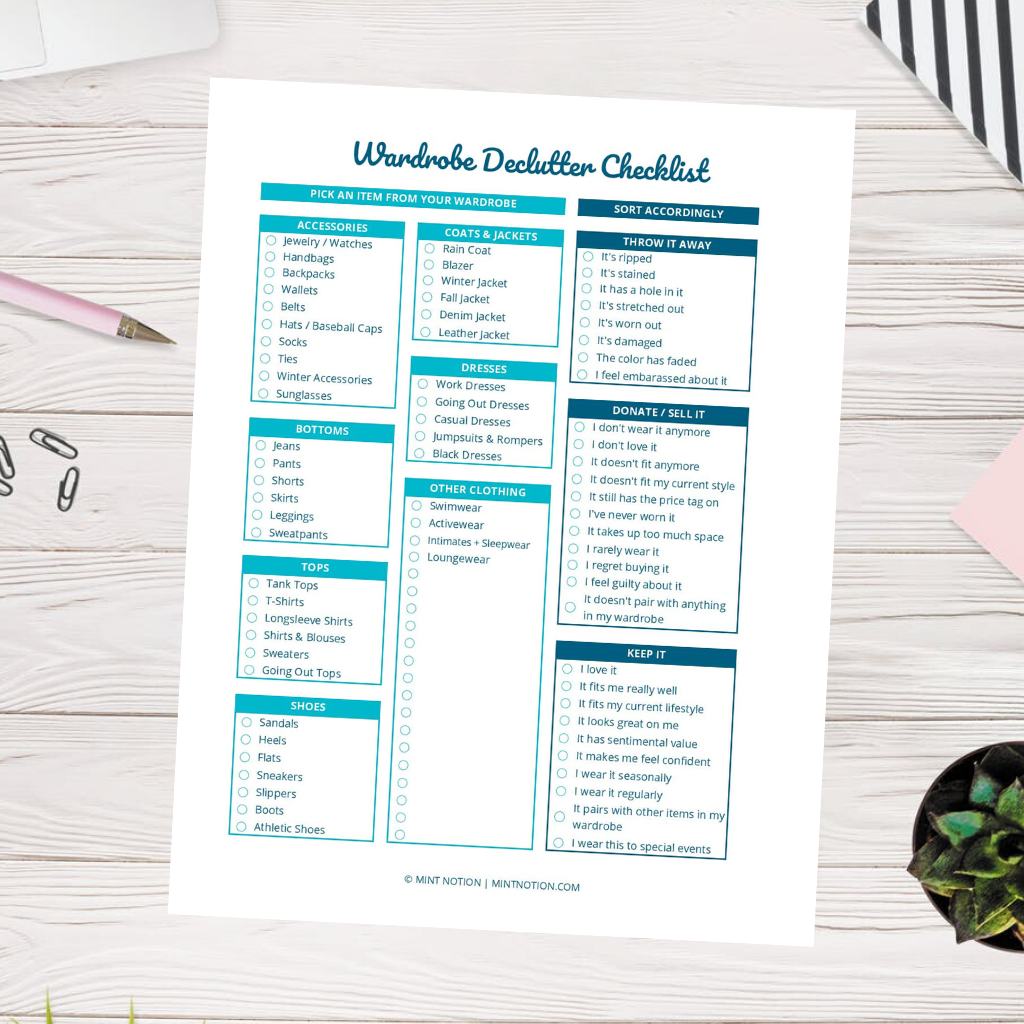
Before you touch a single hanger, you have to look at why it’s there. In 2026, experts are calling this an "emotional audit." It sounds fancy, but it’s really just asking yourself the hard questions. Why are you holding onto that dress? Is it because you love it? Or is it because you spent two hundred dollars on it five years ago and feel guilty letting it go?
Guilt is a heavy coat to wear. And it doesn’t look good on anyone.
When you start pulling items out, you’ll likely find three categories. There’s the stuff you love and wear. There’s the stuff you hate but keep for "just in case." And then there’s the stuff that represents a person you used to be. Maybe you were a party animal in your twenties. Maybe you thought you’d become a hiker. Those clothes are ghosts. They haunt your closet. Letting them go isn’t losing yourself. It’s making room for who you are right now.
Simone Oliver, a noted voice in sustainable shopping, points out that a closet purge in 2026 is less about minimalism and more about identity. If an item doesn’t fit your current life, it’s clutter. Even if it’s brand new. Especially if it makes you feel bad when you see it. That twinge of shame? That’s your cue. Let it go. Donate it. Sell it. Recycle it. Just get it out of your sight. You’ll feel lighter immediately.
Designing for Breathing Room, Not Maximum Capacity
Here is a secret that luxury designers have known for ages, but it’s finally hitting the mainstream in 2026: a full closet is a stressed closet. We used to think the goal was to fit as much as possible into the smallest space. Squeeze it in. Stack it high. Jam it deep. But that’s a recipe for disaster. When everything is packed tight, nothing breathes. And neither do you.
The new standard is "breathing room." This means leaving empty space on your shelves. It means having drawers that are only half full. It sounds counterintuitive, right? Why pay for space you aren’t using? But think about it. When you open a drawer and see just three sweaters neatly folded with space around them, it feels peaceful. When you open a drawer and see a jumbled mass of wool and cotton fighting for survival, it feels chaotic.
LA Closet Design emphasizes this shift. They note that closets filled to capacity on day one leave no room for growth. So, the 2026 edit is about adjustable systems. Use shelves that can move. Use rods that can slide. Leave twenty percent of your space empty. This isn’t wasted space. It’s buffer zone. It’s the margin that allows your life to happen without breaking your organization system. When you buy a new pair of shoes, you don’t have to perform a tetris game to fit them in. You just put them there. Simple. Easy. Calm.
The Five-Minute Ritual and Sensual Organization
Organization isn’t just visual. It’s tactile. It’s sensory. This is where the "sensual organization" concept comes in. It’s not about being weird. It’s about engaging your senses to make getting dressed a joy rather than a chore. Think about the texture of your clothes. The sound of the hanger sliding. The way the light hits your favorite jacket.
Bloggers like those at Azos Shop are pushing the "5-Minute Ritual." This isn’t a massive overhaul. It’s a daily habit. Spend five minutes each evening resetting your closet. Hang up what you wore. Put away what you tried on. Smooth out the wrinkles. It takes less time than scrolling through social media. But the payoff is huge. You wake up to a space that is ready for you.
Also, consider the flow. Group your clothes by color? Sure. But also group them by feel. Keep your softest fabrics together. Keep your structured workwear in another zone. When you reach for something, it should feel good in your hand. If a hanger is scratchy, replace it. If a drawer sticks, fix it. These small irritations add up. They create low-level stress that you might not even notice until it’s gone. By curating the sensory experience of your closet, you turn a mundane task into a moment of care. You are caring for your future self. And that feels pretty damn good.
Smart Storage Solutions That Actually Work
Let’s talk gear. You don’t need a custom-built walk-in with marble floors to have a great closet. In fact, some of the best solutions in 2026 are simple, affordable, and clever. MSN recently highlighted dozens of storage hacks, including simple shoe racks that cost ten bucks. It’s not about the price tag. It’s about the function.
The key is verticality and visibility. Can you see everything? If you have to dig to find it, you won’t wear it. Use clear bins for off-season items. Label them. Yes, label them. It saves so much time later. Use slim, non-slip hangers. They save space and keep clothes from slipping off. It’s a small thing, but it matters.
For smaller closets, think multi-purpose. A hanging organizer isn’t just for sweaters. It can hold bags, scarves, or even jeans. Over-the-door hooks are gold for robes or outfits you’re planning to wear tomorrow. The Coolist shared twenty-five ideas that focus on streamlining. One favorite? Using tension rods to create double layers of hanging space in short areas. Suddenly, you have twice the room for shirts.
But beware of buying containers before you edit. This is the classic mistake. People buy ten matching baskets, then realize they don’t have ten things to put in them. Or worse, they buy baskets that don’t fit their shelves. Edit first. Measure second. Buy third. Keep it simple. Clear acrylic is still popular because it lets you see what’s inside. But woven baskets add warmth. Mix them if you want. Just make sure they serve a purpose. Don’t organize clutter. Eliminate it.
Curating a Capsule for Effortless Mornings
Decision fatigue is real. It’s that mental exhaustion you feel after making too many choices. By noon, you’re tired because you’ve decided what to eat, what to answer in emails, and what to wear. Imagine if you didn’t have to decide what to wear. Imagine if every option in your closet was a good one.
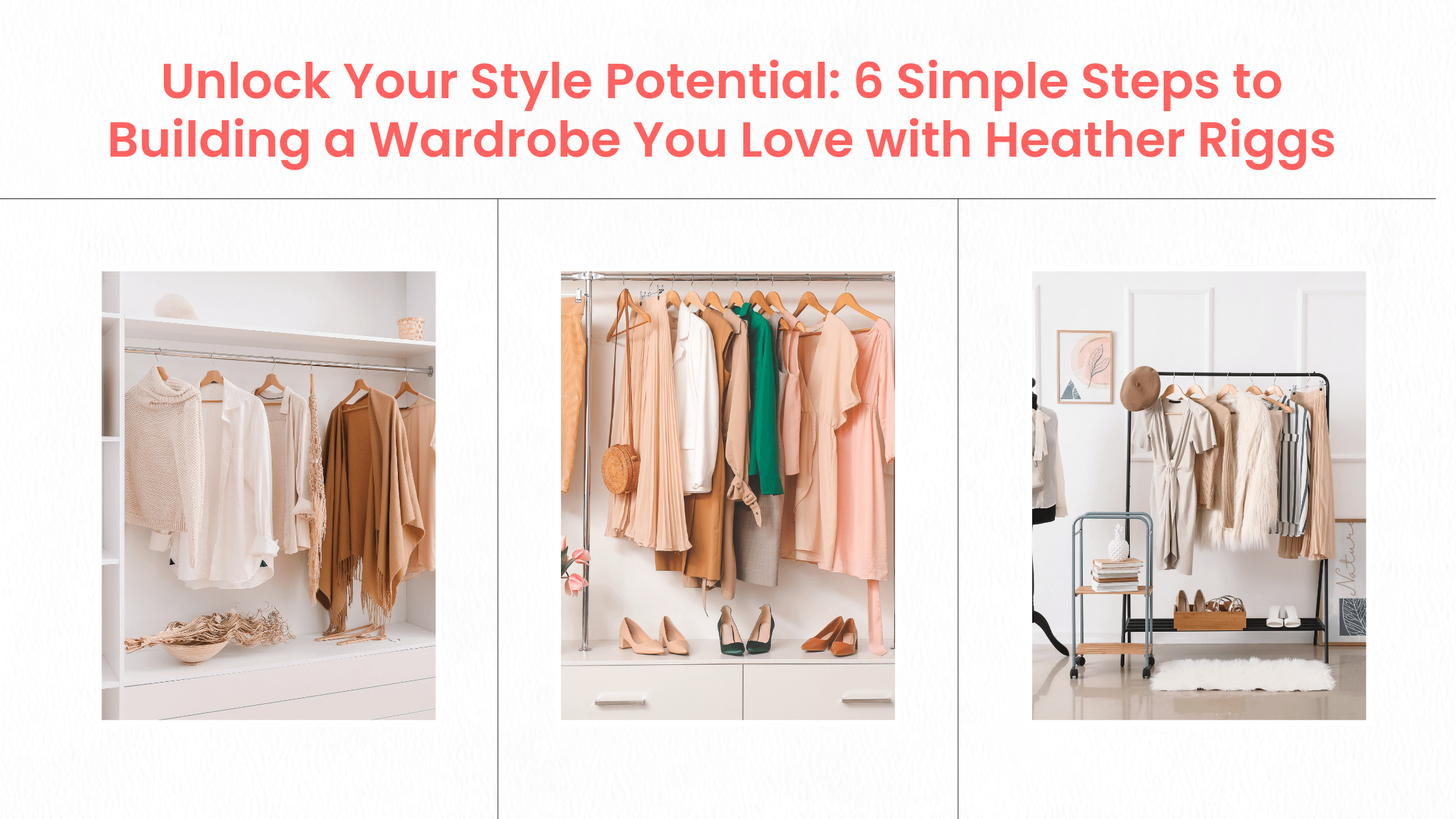
That’s the power of the capsule wardrobe. It’s not about having only thirty items. It’s about having items that work together. In 2026, the focus is on "elevated everyday style." Camille Styles suggests making easy swaps to upgrade your daily look. Instead of ten trendy tops that don’t match anything, have three great tops that match all your bottoms.
Think about your uniform. What do you reach for when you’re in a rush? Jeans and a tee? A midi skirt and a sweater? Build around that. Keep the colors cohesive. Neutrals are your friend. They mix and match effortlessly. Add pops of color with accessories if you want. But keep the base simple.
When your closet is curated, you trust it. You know that if you grab a hanger, it’s going to look good. You don’t have to second-guess. You don’t have to try on five different outfits. You just get dressed. This saves time. But more importantly, it saves energy. You start your day with a win. You feel put together. You feel confident. And that confidence carries you through the rest of the day. It’s amazing how much a simple outfit choice can impact your mood.
Maintaining the Calm: The Zero-Tolerance Policy
So, you’ve done the work. You’ve edited. You’ve organized. You’ve breathed. Now what? How do you keep it that way? The answer is a "zero-tolerance policy" for chaos. This doesn’t mean you can never be messy. It means you don’t let the mess accumulate.
Trendir highlights ideas with zero tolerance for clothes that live on the floor. If it’s on the floor, it’s either dirty or it belongs in the closet. No middle ground. No "chair of doom" where clothes pile up for weeks. Make a rule: if you take it off, it goes back immediately. Or it goes in the hamper. No hovering.
Schedule a mini-edit every season. You don’t need to dump everything out again. Just take fifteen minutes. Look at what you haven’t worn in the last three months. Ask yourself why. Did you forget it exists? Then move it to the front. Do you not like it anymore? Let it go. Seasons change. Your body changes. Your style changes. Your closet should change with you.
Also, be mindful of new purchases. The 2026 edit is about intentionality. Before you buy something new, ask: Where will it live? Do I have space for it? Does it match what I already have? If the answer is no, don’t buy it. Or, if you do buy it, let something go. One in, one out. This keeps the balance. It prevents the slow creep of clutter that sneaks up on you over years.
It’s about respect. Respect for your space. Respect for your money. And respect for your peace of mind. When you maintain the calm, you protect the confidence you’ve built. It becomes a habit. A lifestyle. And it feels incredible.
Turning closet chaos into calm confidence isn’t a one-time project. It’s a practice. It’s a way of relating to your stuff and, by extension, to yourself. In 2026, we’re moving away from the idea that more is better. We’re realizing that less, but better, is the key to a peaceful life.
Your closet is the first thing you see in the morning and the last thing you see at night. Make it a sanctuary. Make it a place that supports you, not stresses you out. Start with the emotional audit. Let go of the guilt. Design for breathing room. Embrace the sensory joy of well-organized spaces. Curate your capsule. And maintain the calm with gentle consistency.
You don’t need a perfect closet. You need a functional one. You need one that makes you feel good. So take a deep breath. Open those doors. And start editing. Your future self will thank you. And you might just find that with a clearer closet, you have a clearer mind. Isn’t that worth a few hours of work? Absolutely.