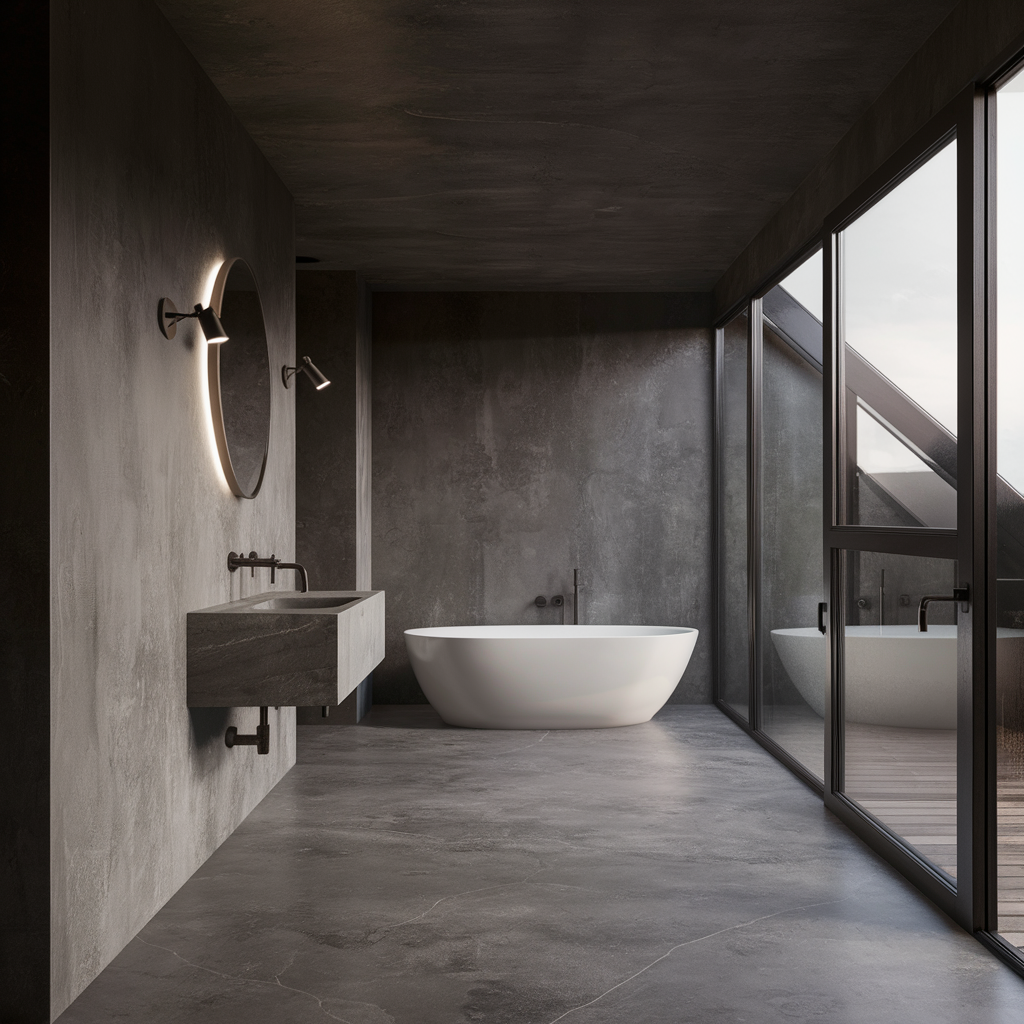
You know that feeling when you walk into a bathroom and it just feels… calm? Like the noise of the day drops away. For years, we tried to get that vibe with tiles. Big tiles, small tiles, subway tiles, hexagon tiles. But there was always something interrupting the peace. Those little lines. The grout. It’s where the dirt hides. It’s where the mold likes to throw a party when you aren’t looking. In 2026, homeowners are finally saying enough is enough. We’re done scrubbing lines. We’re done with visual clutter.
That’s why microcement isn’t just a trend anymore. It’s the standard. If you’re planning a reno this year, you’ve probably seen it everywhere. From sleek city apartments to cozy suburban retreats, this finish is taking over. And it’s not hard to see why. It looks like concrete, feels like stone, but acts like a dream. It’s smooth. It’s continuous. It wraps around your space like a second skin. No breaks. No seams. Just pure, unadulterated flow.
But let’s be real for a second. Changing your bathroom walls is a big deal. It’s wet. It’s humid. It’s high traffic. You might be wondering if this stuff can actually handle the splash zone. Can it really replace tile? The short answer is yes. The long answer is yes, but only if you do it right. This guide is here to walk you through exactly why everyone is switching to microcement in 2026, how it works, and what you need to know before you pick up a brush.
The Death of Grout and the Rise of Seamless Design
Let’s talk about the elephant in the room. Grout is annoying. I don’t care how beautiful your marble tile is, if the grout turns gray or black, the whole room looks tired. In traditional tiling, those joints are weak points. They crack. They absorb water. They require sealing every six months if you want to keep them looking fresh. Who has time for that? Not me. And apparently, not anyone else in 2026 either.
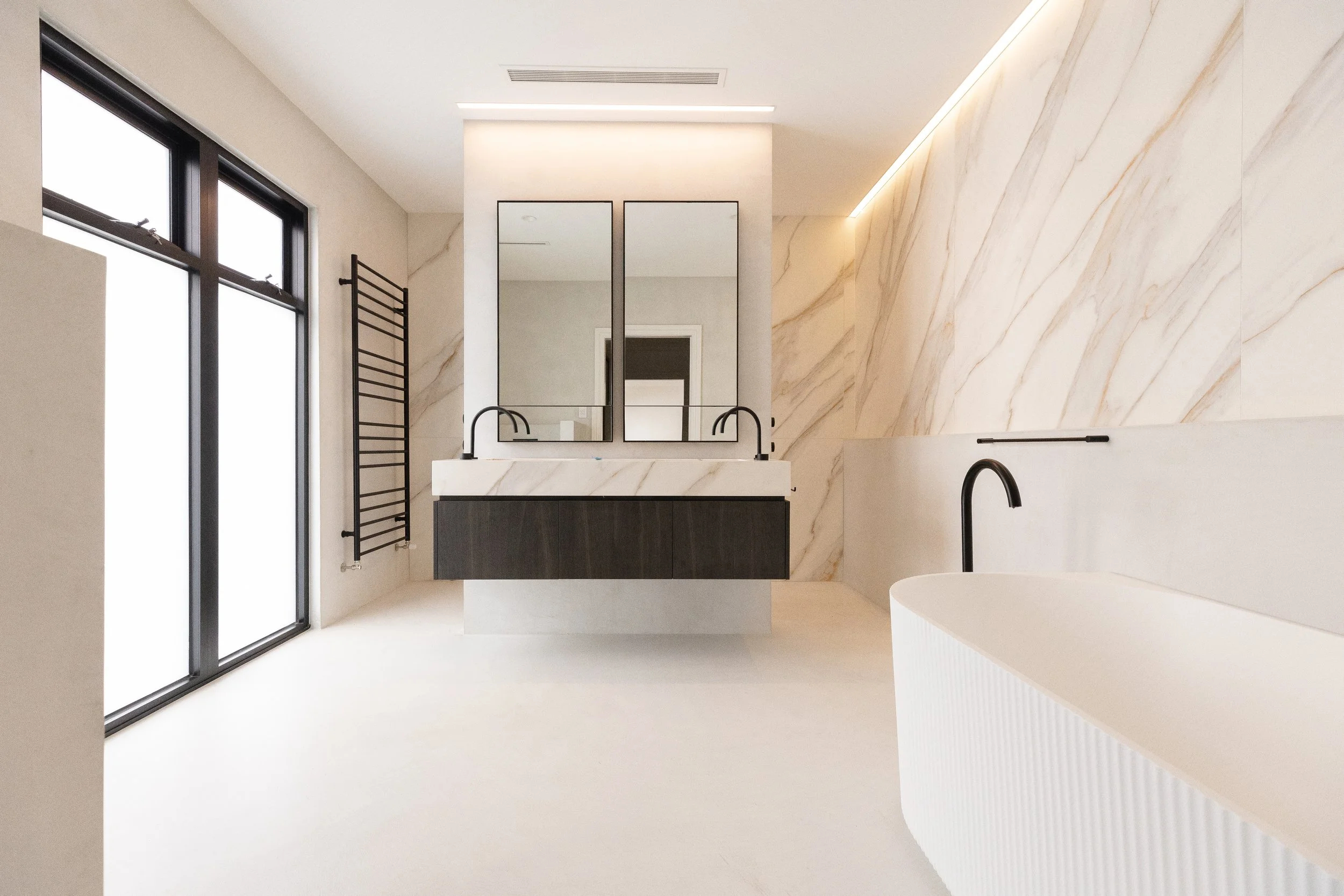
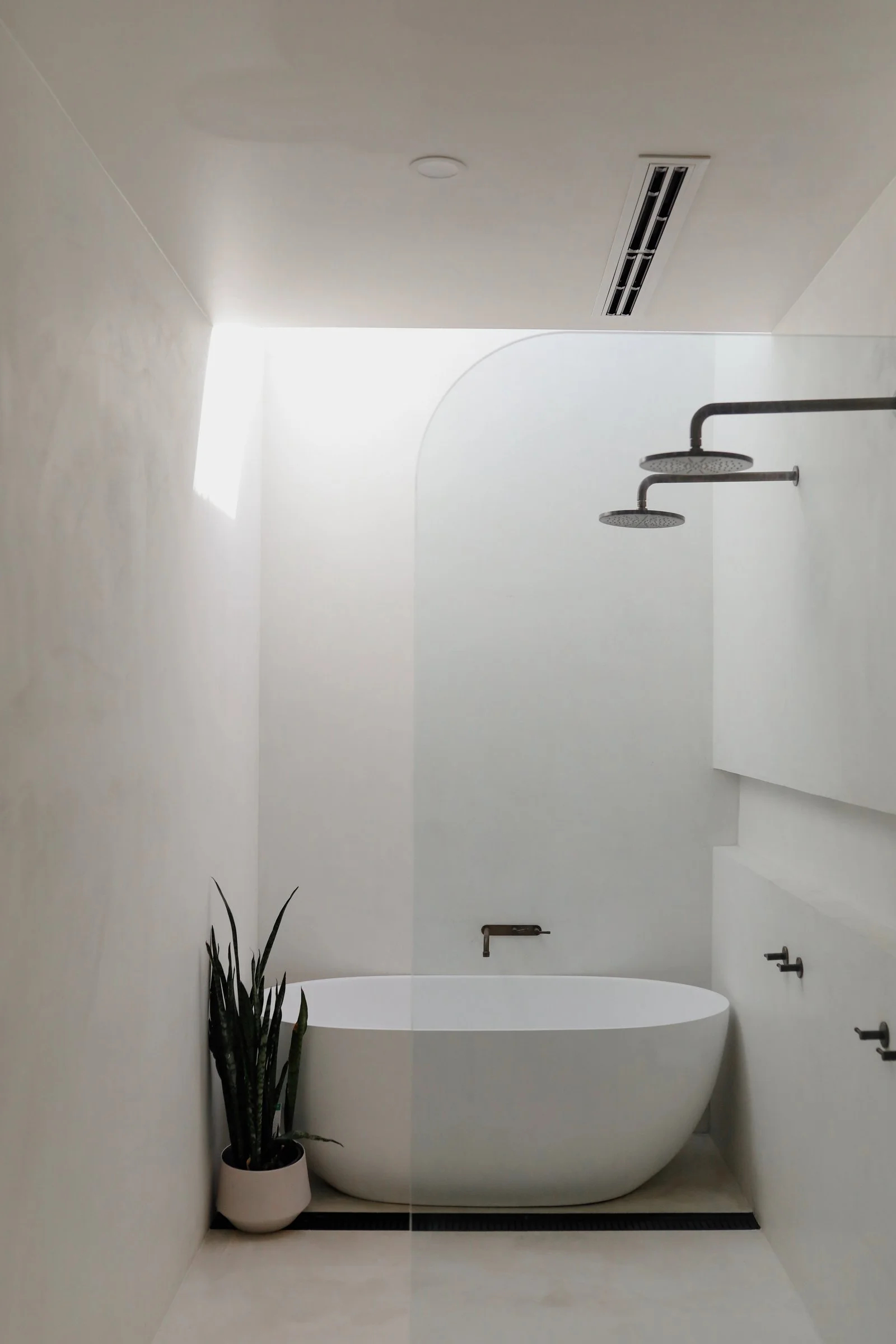
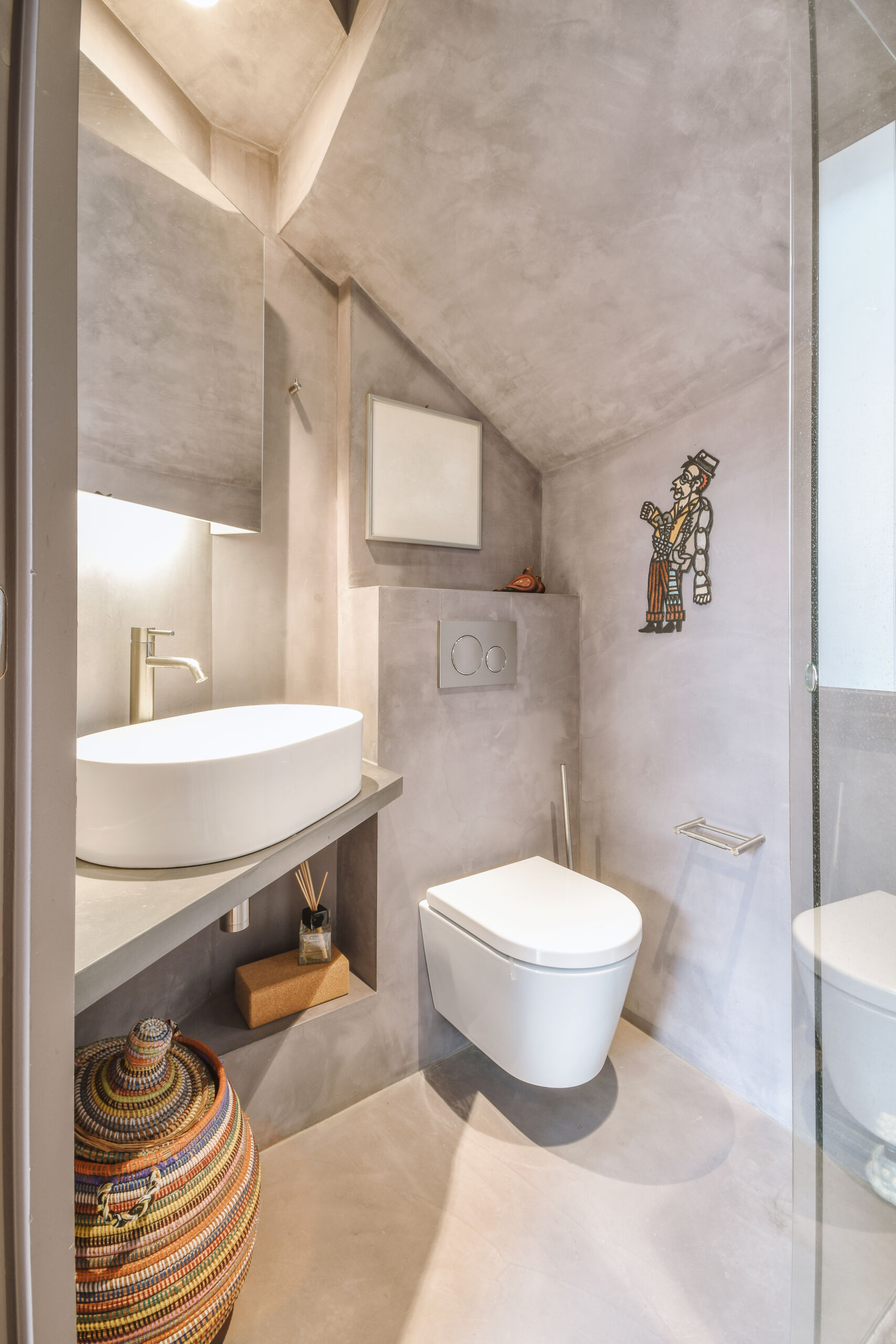
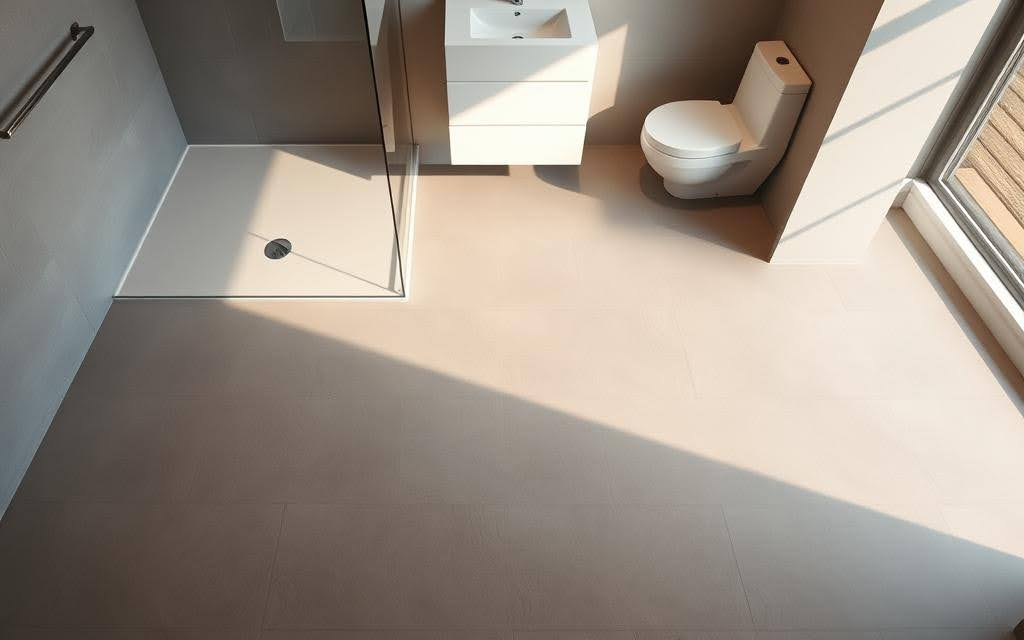
Microcement solves this by removing the joints entirely. It’s applied in thin layers, usually between 2 to 3 millimeters thick, creating a monolithic surface. This means your shower wall, your floor, and even your vanity top can all be one continuous piece. Visually, this makes small bathrooms look huge. There are no lines to chop up the space. Your eye just glides across the surface. It’s a trick interior designers have used for decades, but now it’s accessible for regular renos.
The aesthetic appeal goes beyond just size. It’s about mood. The seamless look creates a spa-like atmosphere that feels expensive and curated. Whether you go for a moody charcoal, a warm beige, or a crisp white, the lack of interruption lets the color breathe. It’s minimalist, sure, but it’s not cold. It’s inviting. And because there are no edges for gunk to collect, cleaning becomes a joke. A quick wipe down is all it takes. Seriously, think about how much time you’ve spent scrubbing corners with a toothbrush. That time is now yours again.
Waterproofing Myths vs. 2026 Reality
Here is the biggest worry people have: "Isn’t cement porous? Won’t it soak up water like a sponge?" It’s a valid question. Raw concrete? Absolutely. It would be a disaster. But microcement for bathrooms isn’t just raw cement mixed with water. It’s a sophisticated system. By 2026, the technology behind these coatings has matured significantly. We aren’t talking about DIY hacks from ten years ago. We are talking about engineered systems designed specifically for wet areas.
The secret lies in the layers. A proper microcement installation involves a mesh reinforcement, followed by base coats, and then the decorative microcement layers. But the real hero is the sealer. High-quality polyurethane or epoxy sealers are applied at the end. These create an impermeable barrier. Water beads up and rolls off. It doesn’t penetrate. When installed correctly by a pro, a microcement shower is just as waterproof as a tiled one. Maybe more so, because there are no grout lines for water to sneak behind.
However, preparation is everything. This isn’t a paint job you can rush. The substrate—whether it’s existing tile, drywall, or cement board—needs to be stable and properly prepped. Any movement in the wall can cause cracks in the finish. That’s why the 2026 standards emphasize flexible base coats that can handle slight shifts in the building. If you skip steps here, you’ll have problems. But if you follow the protocol, you get a tank-like surface that laughs at humidity. It’s robust. It’s reliable. And it stays dry where it needs to stay dry.
Durability That Handles Daily Life
Bathrooms take a beating. Hot steam, cold water, harsh cleaning chemicals, dropped shampoo bottles. Your walls need to be tough. Microcement scores high marks here, but it’s different from tile. Tile is hard and brittle. If you drop a heavy bottle on tile, the tile might chip. Microcement is slightly flexible. It has a bit of give. This means it’s less likely to crack from impact. It absorbs the shock better than rigid ceramic.
Scratch resistance is another big point. Modern microcement formulations in 2026 are incredibly dense. They resist scratches from everyday use pretty well. Of course, it’s not invincible. If you take a knife to it, you’ll mark it. But normal life? Towels, sponges, plastic bottles? No problem. It holds up beautifully. And unlike some natural stones, it doesn’t etch easily from acidic cleaners, although you should still avoid harsh acids just to be safe.
Longevity is where it really shines. A well-installed microcement bathroom can last 10 to 15 years or more without needing major work. Compare that to tile, where grout might need redoing in five years, or vinyl peeling at the edges. It’s a long-term investment. Plus, if it does get damaged, it’s repairable. You can’t really fix a cracked tile without replacing it, which is a nightmare if you don’t have spares. With microcement, a pro can sand down the spot and re-seal it. It blends in. Invisible repair. That’s peace of mind.
Installation Speed and Renovation Ease
Renovations are stressful. They’re loud. They’re messy. They take forever. One of the main reasons microcement is exploding in popularity in 2026 is speed. Traditional tiling is slow. You have to prep, butter, place, wait, grout, wait, seal. It can take weeks for a single bathroom. Microcement cuts that time down significantly. Since it’s applied directly over existing surfaces in many cases, you don’t always need to rip out old tiles.
Imagine this: You have ugly orange tiles from the 90s. Instead of demolishing them, creating dust, and hauling debris, a specialist cleans them, applies a primer, and starts coating. The whole process can be done in 3 to 5 days depending on the size and drying times. That’s it. You’re back in business. This "overlay" capability is a game changer for apartment buildings where noise and waste disposal are strict issues. It’s cleaner. It’s quieter. It’s faster.
Cost-wise, it’s competitive. While high-end artisan microcement can be pricey, mid-range options are often comparable to good quality tile installation when you factor in labor. Tiling is labor-intensive. Every single piece must be placed by hand. Microcement is troweled on. It covers large areas quickly. For complex shapes, like curved shower niches or irregular walls, microcement is actually cheaper and easier than trying to cut tiny tiles to fit. It conforms to any shape. No cutting. No waste. Just smooth coverage.
Design Versatility for Every Style
You might think microcement is just for industrial lofts. Gray, cold, stark. That was the vibe in 2015. In 2026, the palette has exploded. You can get microcement in virtually any color. Warm terracottas, soft sage greens, deep navy blues, creamy whites. It’s not just concrete-look anymore. It’s a canvas. And because it’s pigmented throughout the mix, the color is consistent. If you chip it, you don’t see a white core. You see the same color.
Texture is another variable. You can choose a smooth, polished finish that feels like silk. Or you can go for a more rustic, trowel-marked look that adds character and depth. This versatility allows it to fit into any design style. Bohemian? Go with a warm, textured beige. Modern Minimalist? Sharp, smooth white. Japandi? Soft, organic gray. It adapts. It doesn’t impose a style; it supports it.
It also plays nice with other materials. Microcement walls look stunning next to wood vanities. The contrast between the cool, smooth wall and the warm, grainy wood is chef’s kiss. It pairs well with brass fixtures, black matte taps, and glass elements. Because it’s neutral and seamless, it lets your other design choices pop. You aren’t fighting with patterned tiles. You’re creating a backdrop that elevates everything else in the room. It’s the ultimate team player in design.
Let’s address the care routine. People love low-maintenance lives. Microcement delivers. Once sealed, it’s non-porous. Soap scum doesn’t stick to it like it does to grout. Mold doesn’t have anywhere to hide. Cleaning is simple. Use a pH-neutral cleaner. Avoid bleach or strong acids, as they can dull the sealer over time. A soft cloth or sponge is all you need. No scrubbing brushes required.
Re-sealing is the only real maintenance task. Depending on usage, you might need to apply a fresh coat of sealer every few years. Some modern 2026 formulas claim to last longer, up to 5-7 years, but annual checks are smart. If water stops beading up, it’s time to reseal. It’s a simple job that keeps the protection intact. Think of it like waxing a car. You do it occasionally to keep the shine and protection going.
One thing to watch out for is standing water. While the walls are waterproof, letting water pool on the floor for days isn’t great for any material. Good drainage is key. Also, avoid dragging heavy, sharp objects across the floor. Use felt pads under toiletry bottles if you’re worried. But honestly, it’s tough. Most users report that after years of use, their microcement bathrooms look almost new. It ages gracefully. It doesn’t look "worn" like old tile does. It just looks lived-in and loved.
So, is microcement the right choice for your 2026 renovation? If you value aesthetics, ease of cleaning, and a modern feel, the answer is a resounding yes. It’s not just a fad. It’s a evolution in how we think about wet spaces. We’re moving away from fragmented, high-maintenance surfaces toward unified, resilient designs. Microcement leads that charge. It offers a blend of beauty and brawn that few other materials can match.
Don’t let the fear of the unknown hold you back. Yes, it requires professional installation. Yes, you need to respect the curing times. But the payoff is a bathroom that feels like a retreat. A space that calms you. A space that doesn’t demand constant attention. In a world that’s getting louder and more chaotic, having a sanctuary that’s simple, clean, and beautiful is worth every penny.
Take the leap. Ditch the grout. Embrace the seamlesness. Your future self, standing in a pristine, easy-to-clean shower, will thank you. The trend is here to stay, and for good reason. It’s simply better living.