You walk into a dusty estate sale or scroll through a local marketplace listing, and there it is. A mirror. Maybe it’s leaning against a wall, covered in decades of grime. Maybe it’s hanging crookedly, reflecting a distorted version of the room. Your heart skips a beat. Is this a hidden gem? Or just another piece of junk someone is trying to offload for twenty bucks?
It’s a question that haunts collectors, decorators, and casual thrifters alike. We’ve all been there. You see something old and beautiful, but you have no idea what it’s actually worth. The world of vintage mirrors is tricky. It’s not like buying a new TV where the price is printed on the box. Here, value is subjective, historical, and often hiding in plain sight.
In 2026, the market for vintage home decor has shifted again. People are craving authenticity. They want pieces with soul. But knowing how to separate a genuine antique from a clever reproduction is harder than ever. This guide isn’t about giving you a rigid formula. It’s about teaching you how to look. Really look. Because once you know what to see, you’ll never look at an old mirror the same way again.
The Glass Tells the Truth
Let’s start with the most obvious part: the glass itself. Most people assume that if the frame looks old, the mirror is old. That’s a dangerous assumption. In the vintage world, "married" pieces are common. This is when a seller takes an authentic antique frame and slips a brand-new sheet of modern glass into it. It looks nice, sure. But it kills the value instantly.
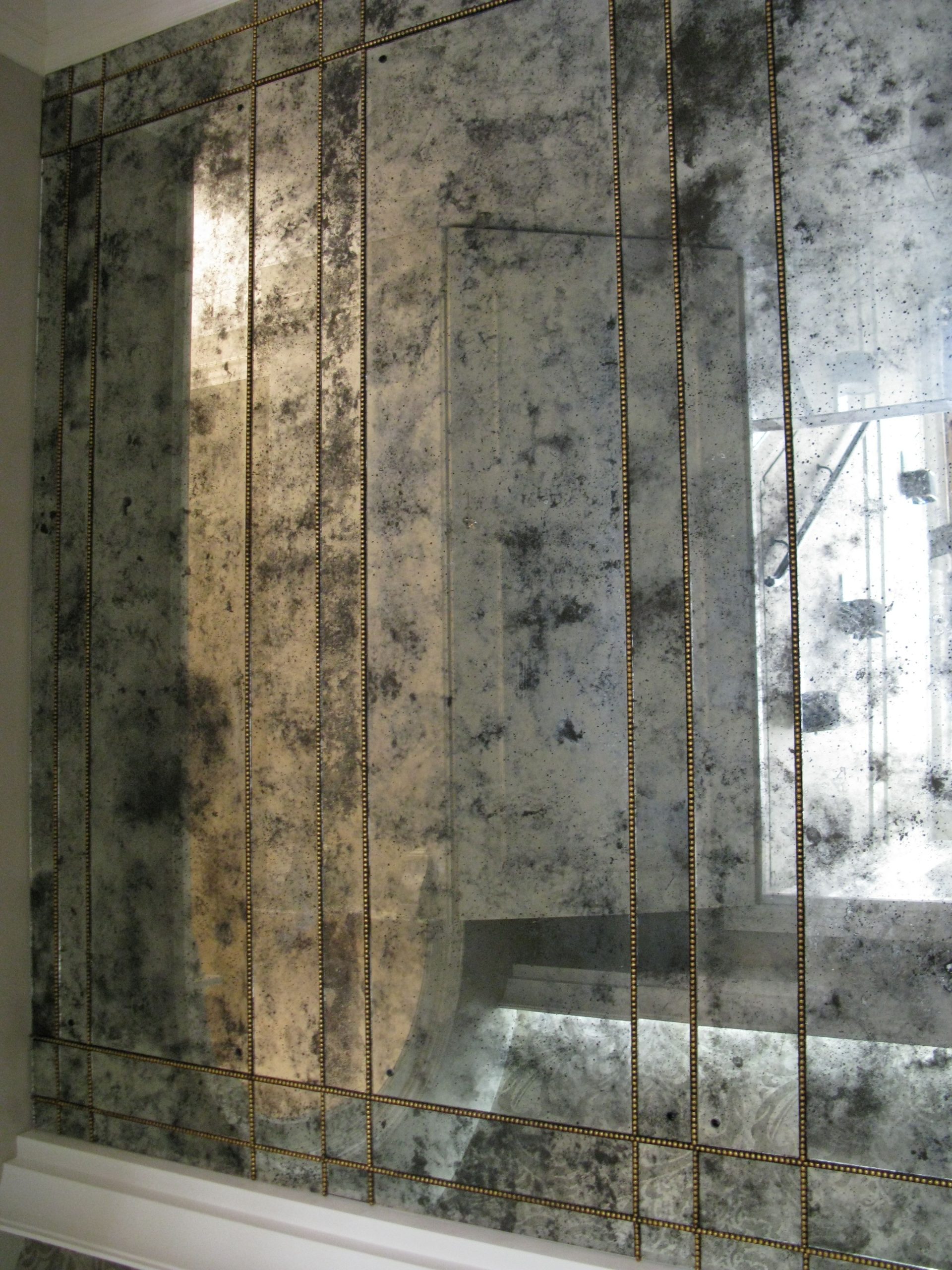
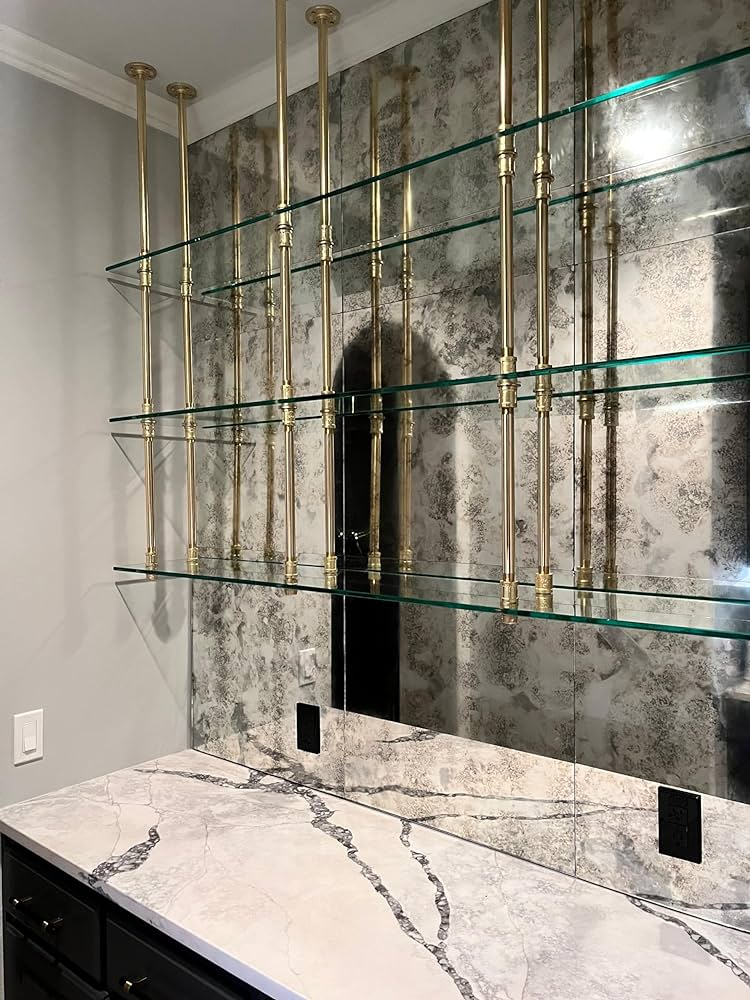
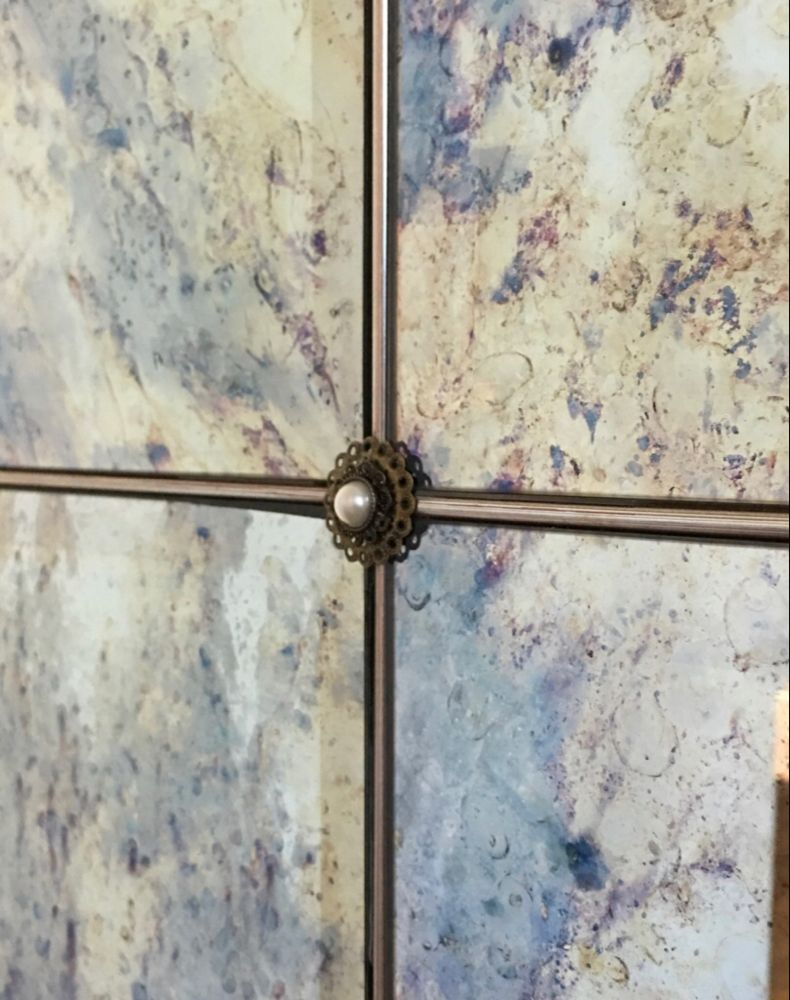
So, how do you spot the difference? Look for the silvering. Old mirrors were backed with silver or mercury, not the aluminum backing used today. Over time, this backing deteriorates. You’ll see black spots, cloudy patches, or what collectors call "foxing." It looks like little rust-colored freckles spreading across the back. To a novice, this looks like damage. To an expert, it’s proof of age. If the reflection is crystal clear and perfect, be suspicious. Perfect is rarely vintage.
Another telltale sign is the thickness and color. Glass made before the 1950s often has a slight greenish or grayish tint, especially when you look at the edge. Modern glass is brighter and clearer. Also, check for bubbles or waves in the glass. Older manufacturing methods weren’t as precise, so the surface might not be perfectly flat. These imperfections aren’t flaws; they’re fingerprints of history. If you see them, you’re likely looking at the real deal.
Frame Craftsmanship and Materials
Once you’ve verified the glass, turn your attention to the frame. This is where the money usually lies. A simple wooden frame from the 1970s might fetch fifty dollars. But a hand-carved mahogany frame from the 1890s? That could be worth ten times that, or more. The material matters immensely. Solid wood, particularly hardwoods like oak, walnut, or mahogany, holds value better than softwoods or composite materials.
Look closely at the joinery. Are the corners mitered cleanly? Is there evidence of hand carving? Machine-made frames often have repetitive, identical patterns. Hand-carved ones have slight variations. Those tiny inconsistencies are valuable. They show human touch. Gilding is another big factor. Real gold leaf gilding, even if it’s worn, is far more valuable than painted gold finish. Rub a small, inconspicuous area with a soft cloth. If it smells metallic or leaves a slight residue, it might be real gold. If it just smells like paint, it’s likely a reproduction.
Don’t ignore the style, either. Certain periods are hotter in the 2026 market than others. Mid-Century Modern sunburst mirrors are still popular, but prices have stabilized. Art Deco geometric designs are seeing a resurgence. Victorian ornate frames with heavy carving are timeless but require more space, limiting their buyer pool. Know what style you’re holding. A trumeau mirror—a tall panel with a decorative painting or carving above the glass—is highly sought after because it acts as both art and function. Rarity drives price, and unique shapes always stand out.
Condition Is King, But Not Queen
We’ve all heard the phrase "condition is king." In the mirror world, it’s more like "condition is king, but originality is queen." You want both, but if you have to choose, originality often wins. A mirror with some wear and tear but all its original parts is usually more valuable than a pristine, restored piece. Why? Because restoration can erase history. Collectors pay for provenance and authenticity, not perfection.
That said, there’s a line. Structural damage is a dealbreaker. If the frame is cracked through, wobbly, or missing large chunks of carving, the value drops significantly. Restoration costs money, and buyers will deduct that from their offer. Water damage is another killer. If the wood is warped or swollen from moisture, it’s hard to fix. But surface scratches? Minor chips in the gilding? Those are often seen as character. They tell a story.
Be wary of over-restoration. Some sellers sand down old frames and repaint them to look "fresh." This strips away the patina—the natural sheen that develops over decades. Patina is hard to fake. If a frame looks too new, too shiny, or too uniform, ask questions. Did they refinish it? If so, how? A poorly done restoration can hurt value more than leaving it alone. In 2026, buyers are smarter. They can spot a bad paint job from across the room. Honesty about condition builds trust, and trust sells.
Provenance and Historical Context
Here’s a secret: a mirror is just a mirror until it has a story. Provenance—the documented history of ownership—can double or triple the value of a piece. Did it come from a famous estate? Was it designed by a known artisan? Even a simple receipt or a letter mentioning the mirror can add weight. Without documentation, you’re relying on stylistic clues, which can be ambiguous.
Research is your best friend here. Look for maker’s marks. Some high-end manufacturers stamped their logos on the back of the frame or the glass. A quick search online can reveal if you’re holding a piece from a renowned company like Plate Glass Company of America or a European importer. Labels are fragile, so they often disappear over time. But if you find one, treat it like gold.
Context also matters. A mirror that fits the current interior design trends will sell faster and for more money. Right now, in 2026, there’s a strong movement toward "grandmillennial" style—a mix of traditional elegance and modern comfort. Ornate, gilded frames fit this vibe perfectly. Conversely, a very specific, niche style might take longer to sell because the pool of interested buyers is smaller. Understanding where your piece fits in the broader cultural conversation helps you price it realistically. It’s not just about age; it’s about relevance.
Market Trends and Pricing Strategies
So, how much is it actually worth? There’s no single answer, but there are reliable ways to estimate. Start by checking recent sold listings on platforms like eBay, Etsy, and specialized antique sites. Don’t look at asking prices; look at what people actually paid. This gives you a realistic baseline. In 2026, the online market is saturated, so standing out requires good photography and accurate descriptions.
Pricing strategies vary. If you’re in a hurry, price it slightly below market value to attract quick buyers. If you can wait, price it at the higher end of the range and be willing to negotiate. Remember, vintage shopping is often a negotiation dance. Buyers expect to haggle. Leave yourself some room to come down. Also, consider where you’re selling. A local antique shop might offer less than an online auction, but you save on shipping and hassle. Shipping mirrors is risky and expensive. One wrong move and your profit margin shatters along with the glass.
Keep an eye on seasonal trends. Spring and summer are peak seasons for home decor sales. People are cleaning out closets and refreshing their spaces. Winter can be slower, but serious collectors are still looking. Timing your sale can make a difference of 10-20% in the final price. And don’t underestimate the power of presentation. Clean the glass (gently!), dust the frame, and take photos in natural light. A well-presented mirror looks cared for, which suggests it’s valuable.
Sometimes, you just don’t know. You’ve done your research, checked the glass, examined the frame, and you’re still unsure. That’s okay. Some mirrors are simply too rare or complex for amateur appraisal. If you suspect you have a high-value piece—say, a museum-quality Art Nouveau mirror or a signed work by a famous designer—it’s worth paying for a professional appraisal.
An expert can provide a written valuation, which is useful for insurance purposes or estate planning. They can also spot details you might miss, like subtle carving techniques or specific wood types. Look for appraisers who are certified by recognized organizations like the American Society of Appraisers. Avoid anyone who offers to buy the item from you immediately after appraising it; that’s a conflict of interest.
Also, consider consulting with specialized dealers. Many antique shops have experts on staff who love talking about their niche. Bring them photos, or visit in person if possible. They might not give you a formal appraisal, but they can often give you a ballpark figure and valuable advice on where to sell. In the end, knowledge is power. The more you learn, the better equipped you are to make smart decisions. And if you’re ever in doubt, it’s better to be cautious than to sell a treasure for pennies.
Finding the true value of a vintage mirror isn’t just about money. It’s about connection. It’s about holding a piece of history in your hands and understanding the craft, the care, and the stories embedded in it. Whether you’re selling, collecting, or just admiring, taking the time to look deeper enriches the experience.
Remember, every scratch, every clouded patch, and every carved leaf has a reason for being there. Embrace the imperfections. They’re what make the piece unique. In a world of mass-produced everything, these old mirrors stand out because they’re one-of-a-kind. So next time you see one, don’t just glance. Look. Really look. You might just find a treasure hiding in the reflection.