You’ve probably stood in a stone yard, staring at two slabs of white marble, wondering if the price difference is just a marketing trick. It’s a common feeling. One looks like a cloud, the other like a stormy sky, but both are labeled "Italian White Marble." Most people stop there. They look at the veins. They pick the one that matches their mood board. But that’s only scratching the surface. Literally.
The truth is, Statuario and Carrara are as different as chalk and cheese, even though they come from the same mountains in Tuscany. By 2026, with supply chains shifting and quarry reserves dwindling, knowing the real difference isn’t just about aesthetics. It’s about longevity, value, and understanding what you’re actually buying. Let’s peel back the layers.
The Background Color: It’s Not Just White
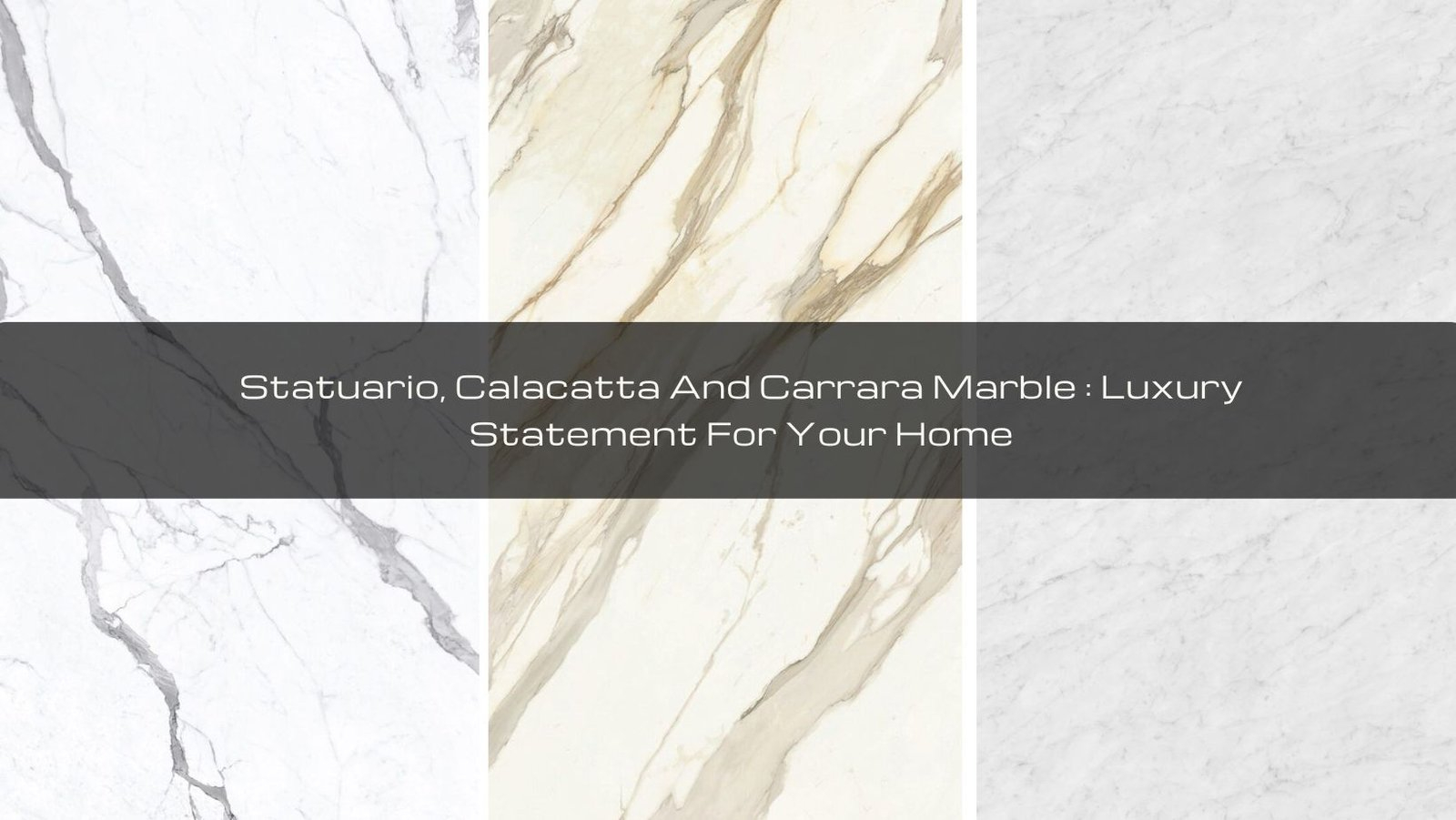
When we talk about marble, we often say "white." But in the stone world, white is a spectrum. Carrara marble, the more common of the two, usually has a blue-gray or soft gray background. It’s muted. Subtle. It feels cool to the eye. If you put it next to a pure white cabinet, you might notice the marble looks a bit dingy or shadowed. That’s not a defect; it’s its character.
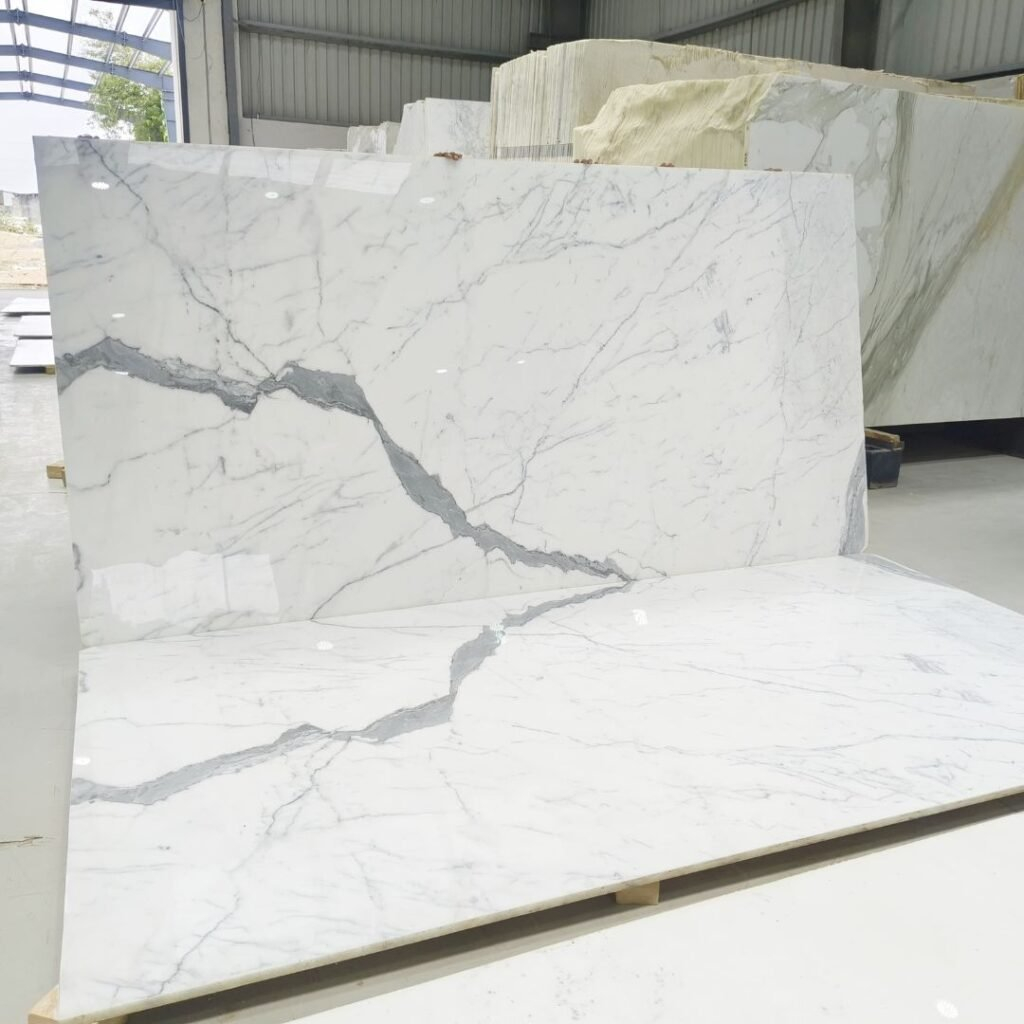
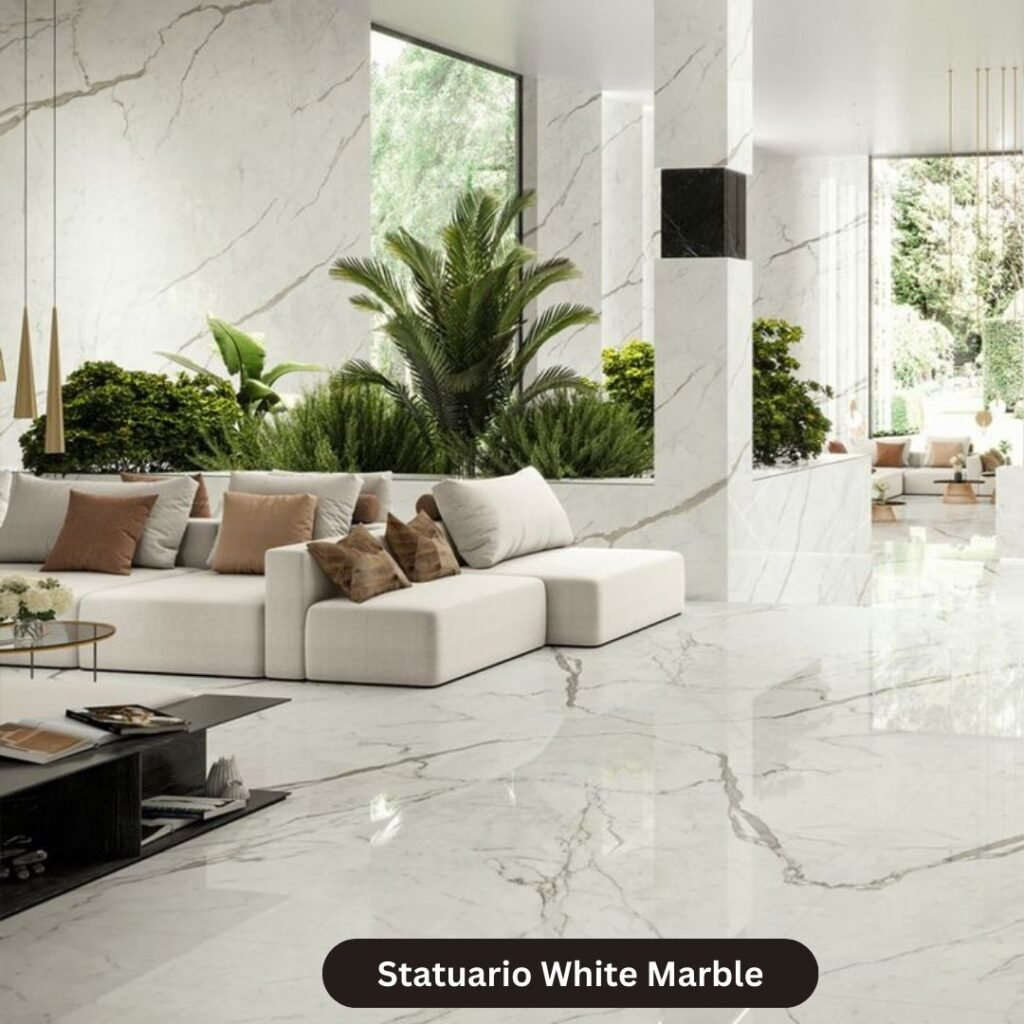
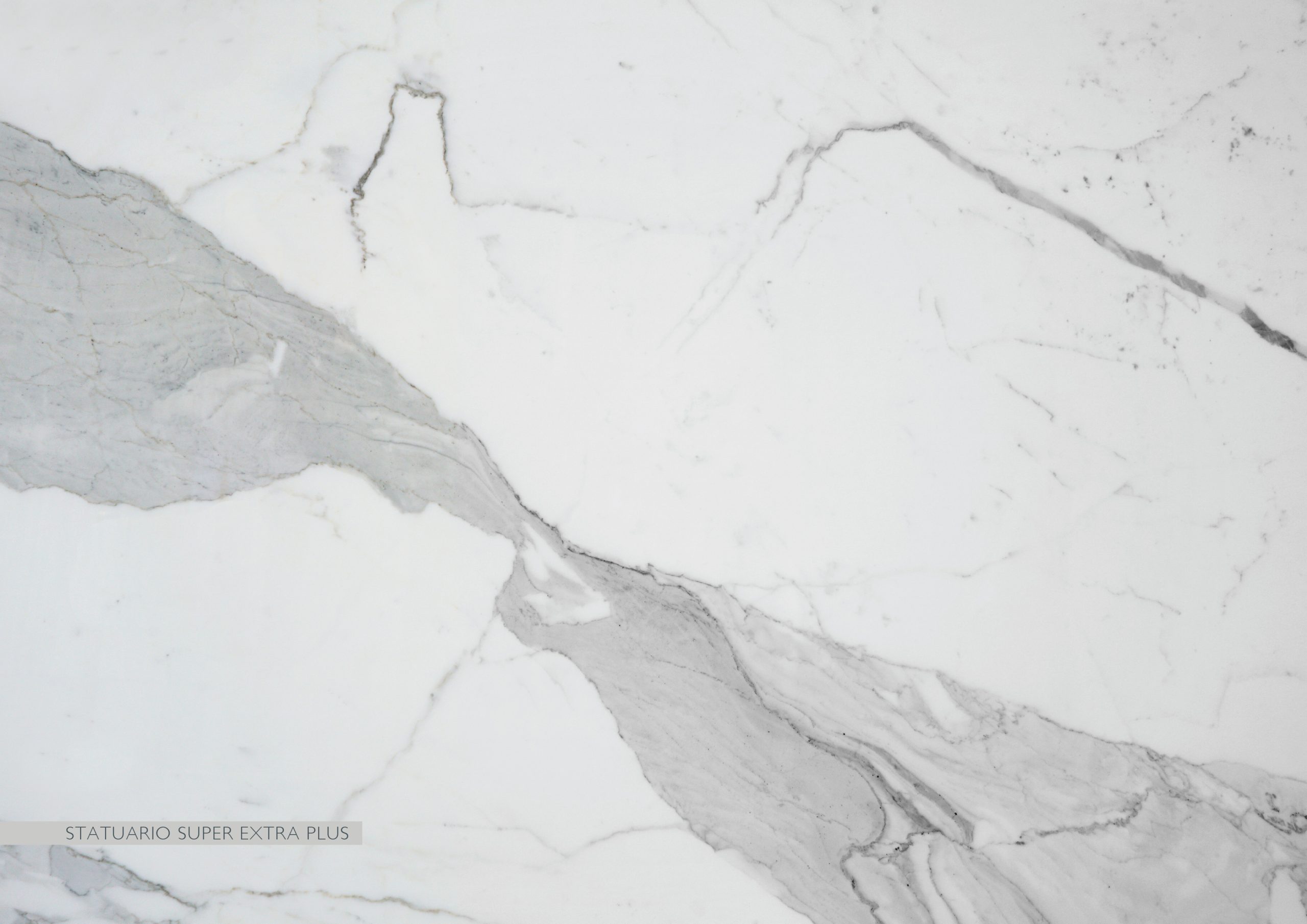
Statuario, on the other hand, is prized for its brilliant, almost luminous white background. It’s brighter. Crisper. In high-end design projects across Europe and North America this year, designers are leaning into Statuario specifically because it reflects light differently. It doesn’t have that gray undertone. This makes it feel more expansive in smaller spaces, like a powder room or a compact kitchen island. The brightness is the first clue you’re looking at something rarer.
This difference in base color affects how the stone ages, too. Carrara’s gray tones can help mask minor etching or wear over time, blending it into the natural variation. Statuario’s stark white background, however, shows every mark. It’s high maintenance, sure, but that’s part of its allure. It demands attention. It’s not a stone you install and forget. It’s a stone you live with.
Veining Structure and Drama
Okay, we said we’d go beyond veining, but we can’t ignore it entirely because the type of veining tells you everything about the stone’s origin. Carrara veins are typically feathery, soft, and linear. They look like pencil strokes or wisps of smoke. They’re evenly distributed, creating a consistent pattern that’s easy on the eyes. It’s understated elegance. You won’t find massive, jagged lines in standard Carrara.
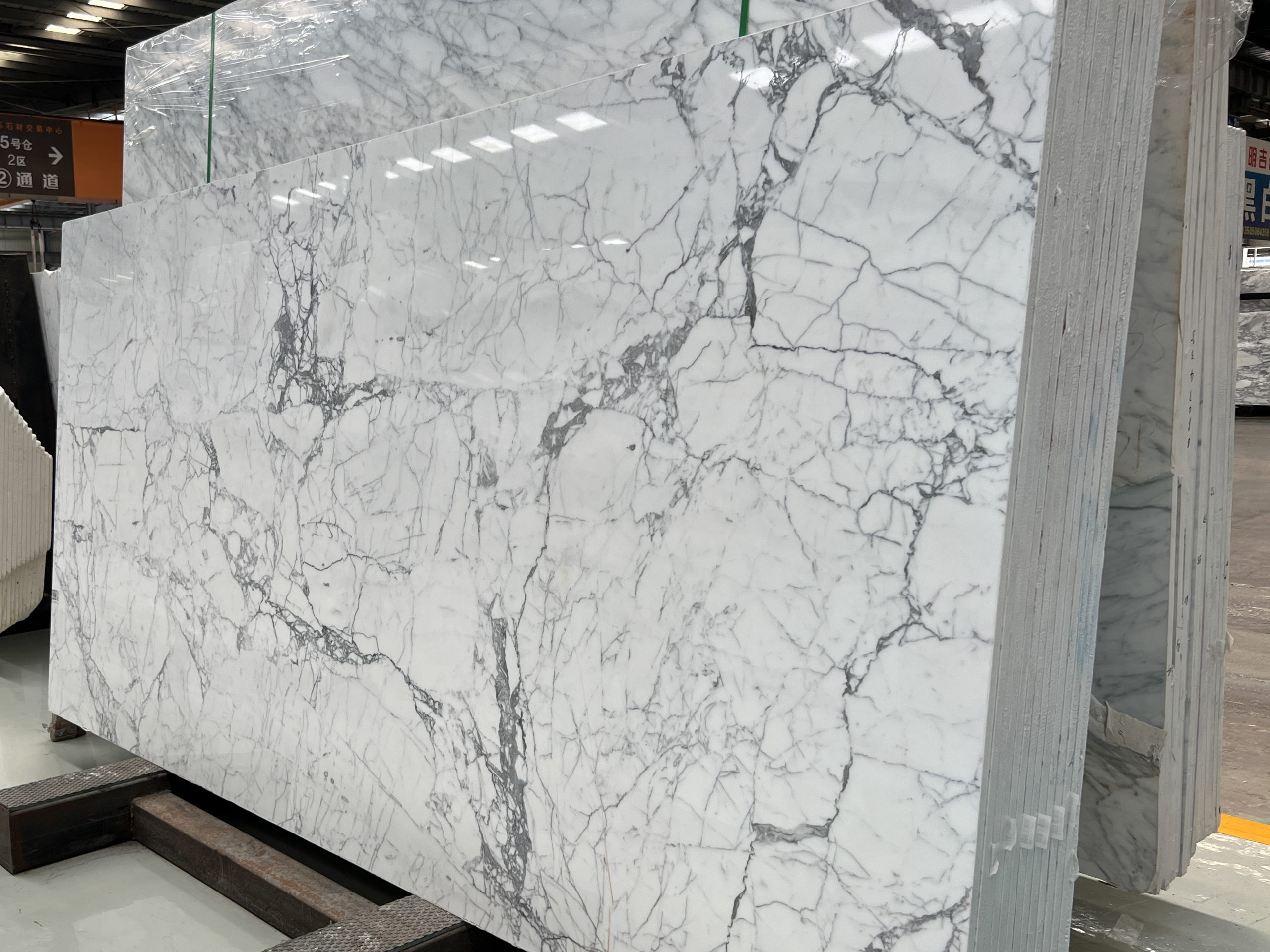
Statuario veins are bold. Dramatic. They’re often thick, gray-to-gold, and can form lightning-bolt patterns or large, sweeping arcs. The contrast between the vein and the background is much higher. This is why Statuario is often used as a statement piece. A single slab can look like a piece of abstract art. In 2026, we’re seeing a trend where homeowners book-match Statuario slabs for fireplace surrounds, turning the stone into the focal point of the entire room.
The randomness of Statuario veining also means no two slabs are alike. With Carrara, you can often predict the general look. With Statuario, it’s a gamble. You have to view the actual slab before buying. You can’t just order "Statuario" and expect it to look like the photo online. The drama is in the unpredictability. That’s why it costs more. You’re paying for the surprise.
Geological Rarity and Quarry Sources
Here’s where the science gets interesting. Both stones come from the Apuan Alps in Carrara, Italy. But they don’t come from the same quarries. Carrara is abundant. There are dozens of active quarries pulling out tons of it every day. It’s the workhorse of Italian marble. Statuario, however, is extracted from a specific, limited section of the mountain. Historically, it was reserved for sculptors like Michelangelo.
By 2026, genuine Statuario is becoming harder to find. The best veins are deeper in the mountain, requiring more expensive extraction methods. Some suppliers might try to pass off high-grade Calacatta or even certain types of Carrara as Statuario. It’s a murky market. True Statuario has a specific geological composition that gives it that bright white base. If the source isn’t clear, be skeptical.
This rarity drives the supply chain. While Carrara is readily available in most stone yards worldwide, Statuario often requires special ordering. Lead times can be longer. If you’re planning a renovation for late 2026 or 2027, you need to lock in your Statuario slabs early. Don’t wait until the last minute. The best blocks are snapped up quickly by large commercial projects or luxury residential developers.
Durability and Physical Properties
Let’s bust a myth: neither marble is "hard." They’re both calcite-based, which means they’re soft compared to granite or quartzite. They will etch if you spill lemon juice or wine. They will scratch if you drag a ceramic mug across them. But there are subtle differences in density. Statuario tends to be slightly denser and less porous than some varieties of Carrara, though this varies by block.
Does this mean Statuario is more durable? Not necessarily. It just means it might absorb stains slightly slower. But in practical terms, both require sealing. In 2026, impregnating sealers have gotten better, offering longer protection without changing the stone’s look. Still, if you’re a heavy cook who hates coasters, neither stone is your best friend. You’ll need to embrace the patina.
Carrara’s softer appearance can sometimes make wear and tear less noticeable. The gray veins and background blend with minor etching. Statuario’s high contrast makes every little mark pop. If you’re installing it in a high-traffic area, like a busy family kitchen, consider whether you’re ready for that level of upkeep. Some people love the lived-in look. Others find it stressful. Know yourself before you buy.
Price Point and Investment Value
Let’s talk money. Carrara is affordable. It’s the entry-level luxury marble. You can get a beautiful Carrara countertop for a fraction of the cost of Statuario. It’s accessible. For many homeowners, it’s the perfect way to get the Italian marble look without breaking the bank. In 2026, prices for Carrara have remained relatively stable, making it a safe bet for budget-conscious renovations.
Statuario is premium. It can cost two to three times more than Carrara, sometimes even more depending on the vein quality. You’re paying for the rarity, the brightness, and the drama. Is it worth it? That depends on your priorities. If you view your home as a long-term investment, Statuario can add significant resale value, especially in high-end markets. It’s seen as a status symbol.
But don’t just buy it for the price tag. Buy it because you love it. If you’re stretching your budget to afford Statuario, you might regret it when you see the first etch mark. Carrara offers 90% of the aesthetic for 50% of the price. For many, that’s the smarter play. However, if you want that wow factor, that gallery-like feel, Statuario is unmatched. It’s an emotional purchase, not just a functional one.
So, where do you use each? Carrara is versatile. It works in bathrooms, kitchens, floors, and walls. Its subtle nature allows it to blend with various design styles, from farmhouse to modern minimalist. It doesn’t dominate the room. It supports it. In 2026, we’re seeing Carrara used in larger formats, like full-height shower walls, where its soft veins create a calming, spa-like atmosphere.
Statuario is a diva. It wants to be the star. It’s best used in smaller doses or as a focal point. A Statuario island top. A feature wall behind a bed. A vanity top in a powder room. If you cover an entire large kitchen in Statuario, it can feel overwhelming. The bold veins compete for attention. Use it strategically. Let it breathe.
Lighting matters, too. Statuario shines under bright, direct light, which highlights its crisp white background. Carrara looks great in softer, ambient light, which enhances its cozy, gray tones. Think about how your space is lit. If you have lots of natural north light, Statuario might feel cold. If you have warm, southern exposure, Carrara might look muddy. Test samples in your actual space before committing.
Choosing between Statuario and Carrara isn’t just about picking a pretty stone. It’s about understanding the story behind the slab. It’s about knowing where it came from, how it behaves, and what it asks of you. Carrara is the reliable, understated friend who’s always there. Statuario is the exciting, high-maintenance partner who keeps life interesting.
Both have their place. Both are beautiful. But they are not interchangeable. By looking beyond the veins—into the color, the geology, the cost, and the care—you make a choice that fits your life, not just your Instagram feed. In 2026, with so many options available, clarity is power. Take your time. Visit the yard. Touch the stone. Ask questions.
And remember, imperfections are part of the deal. Whether you choose the soft gray whispers of Carrara or the bold shouts of Statuario, you’re bringing a piece of ancient history into your home. Treat it with respect, and it will reward you with beauty for decades. Or at least until you decide to renovate again.