You know that feeling when you drop a heavy cast-iron skillet? That split second of silence before the crash, followed by the wince as you check for damage? For years, homeowners have lived in fear of that moment. We tiptoe around our hardwoods. We put felt pads on every chair leg. We tell the kids to take their shoes off, again. But what if the floor didn’t care? What if it could take the hit, the scratch, and the spill without flinching?
In 2026, the answer isn’t some new synthetic miracle material. It’s bamboo. But not the flimsy stuff your aunt installed in the nineties that turned yellow and dented if you looked at it wrong. We’re talking about strand woven bamboo. It’s different. It’s tougher. And honestly, it’s probably the smartest move you can make for a house that actually gets lived in.
Let’s be real for a second. Life is messy. Dogs track in mud. Toddlers drop toys. Guests spill wine. Traditional floors struggle with this chaos. They show wear. They look tired after five years. Strand woven bamboo, however, seems to thrive on it. It’s become the quiet hero of modern renovation, blending into the background while doing the heavy lifting. It doesn’t shout about its durability; it just proves it, day after day.
The Science Behind the Strength
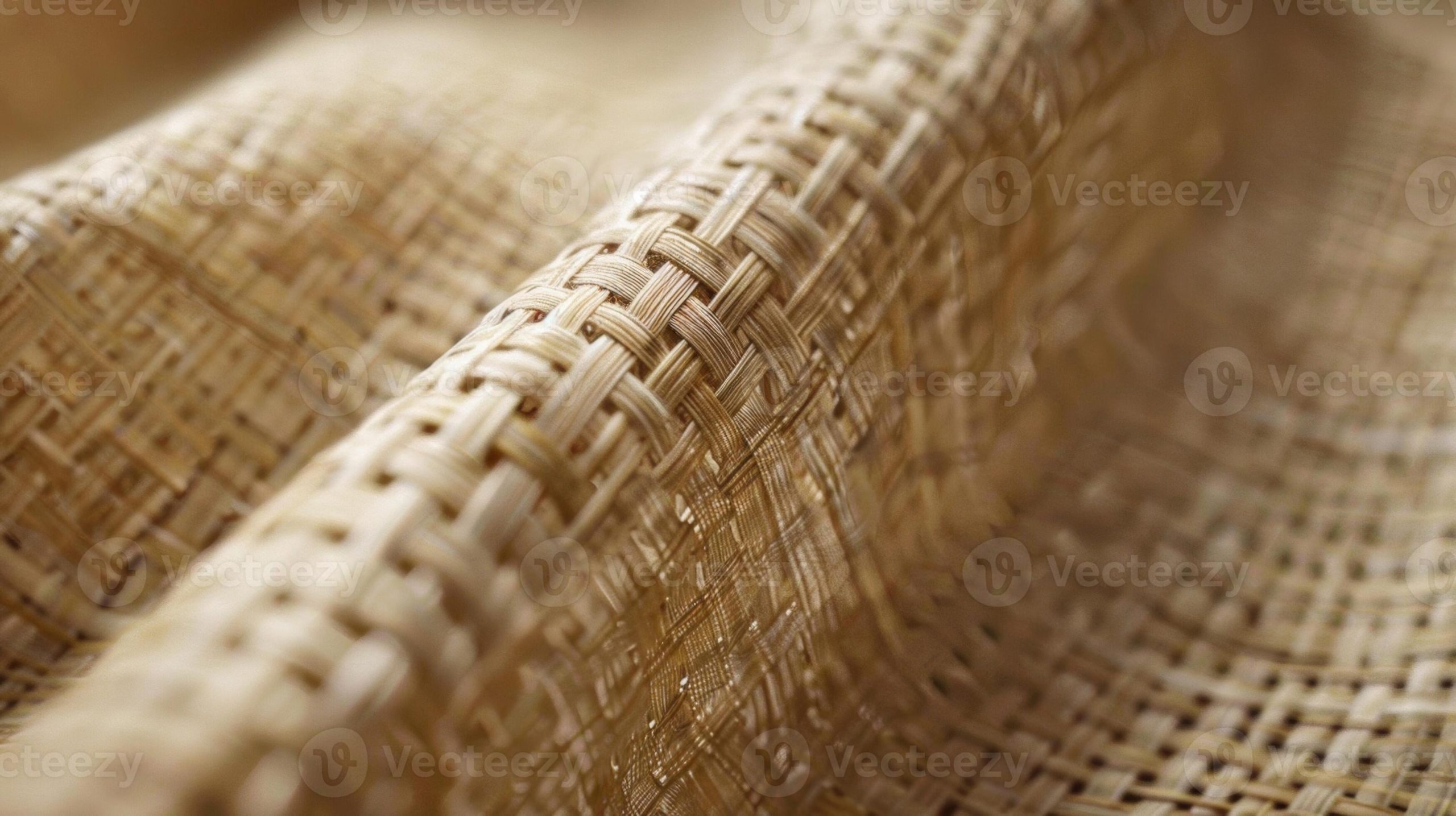
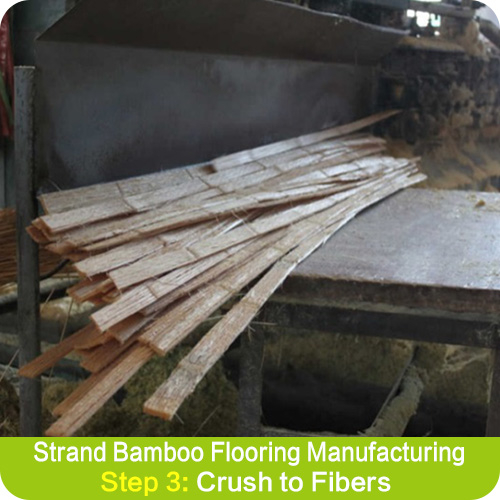
So, what makes this stuff so hard? It’s all in how it’s made. Regular bamboo flooring is basically slices of the bamboo stalk glued together side-by-side or stacked up. It’s nice, but it’s still just plant tissue. Strand woven bamboo takes a completely different approach. Manufacturers take the bamboo fibers and shred them into tiny strands. Think of it like pulling apart a cotton ball until it’s just loose fibers.
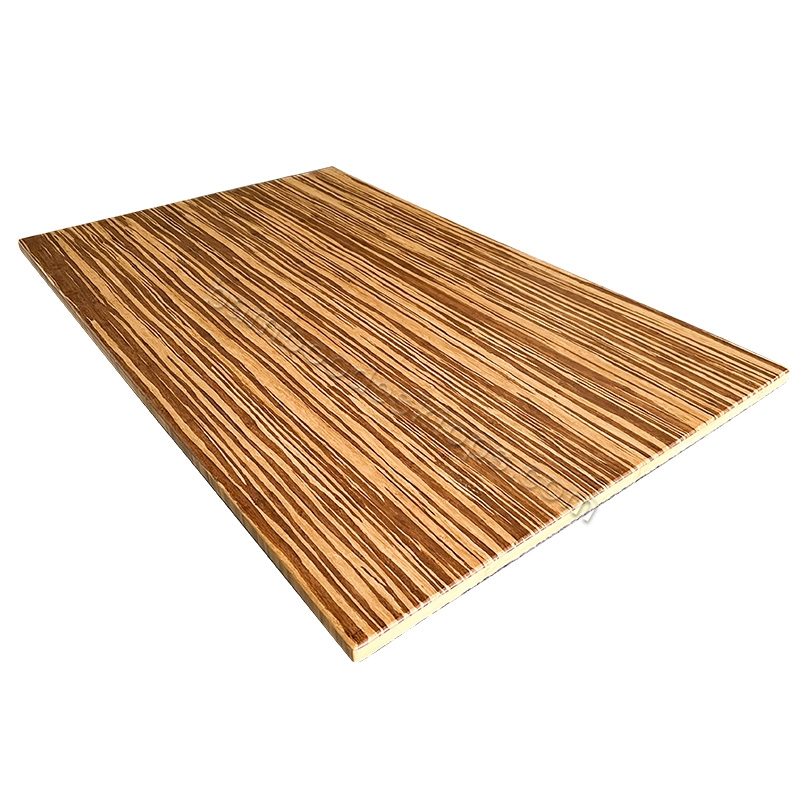
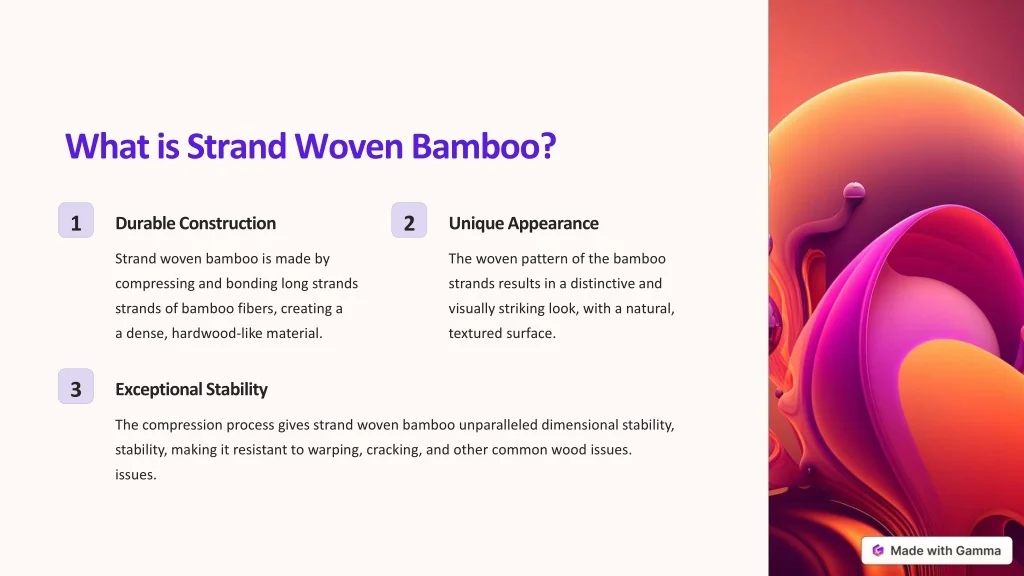
Then comes the magic. These shredded strands are mixed with a strong resin adhesive and subjected to intense heat and pressure. We’re talking about compression levels that would crush most other materials. The result is a plank that is incredibly dense. The fibers aren’t just sitting next to each other; they’re interlocked and fused into a solid, uniform block. This process creates a material that is more than three times harder than traditional bamboo.
The numbers back this up. On the Janka hardness scale, which measures resistance to denting and wear, strand woven bamboo often scores between 2,600 and 3,000+. To put that in perspective, red oak—a standard for hardwood durability—sits around 1,290. Even hard maple, known for being tough, only hits about 1,450. You’re getting a floor that is literally twice as hard as the hardwoods people have been installing for decades. It’s not just marketing hype; it’s physics.
This density also means stability. Because the fibers are randomized and compressed, the plank doesn’t expand and contract with humidity changes as much as solid wood does. In 2026, with climate variability affecting indoor environments more than ever, this stability is a huge plus. You won’t see those ugly gaps opening up in winter or the boards cupping in summer. It stays flat. It stays tight. It just works.
Real-World Durability for Chaotic Lives
Numbers are great, but how does it handle a Tuesday night? Imagine a Golden Retriever sliding across the kitchen floor after dinner. On laminate, you’d hear a screech. On soft pine, you’d see gouges. On strand woven bamboo? Nothing. Maybe a faint sound, but no mark. The surface is so dense that pet claws, which destroy so many other floors, simply bounce off. It’s a game-changer for pet owners who want their home to look nice without banning their best friends from certain rooms.
Kids are another story entirely. Toys get thrown. Trucks get dragged. Food gets dropped. I spoke with a family in Portland last year who had installed strand woven bamboo in their main living area. Three years later, with two energetic boys and a cat, the floor looked practically new. They hadn’t baby-proofed the floor. They hadn’t restricted play. They just lived. The floor absorbed the impact of falling blocks and the scrape of toy cars without showing a scratch. It’s forgiving in a way that feels almost unfair to other materials.
High-traffic areas like entryways and hallways benefit too. These are the zones where dirt and grit get tracked in. Grit acts like sandpaper on softer finishes. Over time, it wears down the coating and dulls the wood. Because strand woven bamboo is so hard, it resists this abrasion far better. The finish stays intact longer, keeping that fresh look even after thousands of footsteps. It’s not invincible—nothing is—but it’s certainly resilient.
Even furniture movement becomes less of a anxiety-inducing event. Sure, you should still use felt pads (it’s just good practice), but if you forget one chair leg, you’re not likely to wake up to a deep divot in your floor. The density distributes the weight and resists the indentation. It gives you a bit of breathing room to make mistakes, which is something every homeowner appreciates.
Moisture Resistance and Modern Living
Water is the enemy of most flooring. Hardwood warps. Laminate swells and bubbles. Carpet gets moldy. Strand woven bamboo handles moisture surprisingly well, thanks to its manufacturing process. The high-pressure compression and the resins used create a barrier that repels water better than natural wood. Recent tests in 2025 showed that quality strand woven bamboo can resist water damage for up to 30 hours. That’s a full day and a half of a spilled drink or a leaky dishwasher before permanent damage sets in.
This makes it an excellent choice for kitchens and bathrooms, places where hardwood has traditionally been a risky bet. You can mop it without holding your breath. If a glass of water tips over, you have time to clean it up without panicking. Of course, it’s not waterproof like vinyl plank, so you shouldn’t submerge it, but for everyday spills and humidity, it’s robust. It bridges the gap between the warmth of wood and the practicality of tile.
In 2026, we’re also seeing more installations in basements and ground-level rooms where moisture used to be a dealbreaker. With proper installation and a good vapor barrier, strand woven bamboo performs reliably in these damp-prone areas. It doesn’t absorb ambient moisture from the concrete slab as readily as solid wood, reducing the risk of cupping or buckling. It’s a versatile option that expands where you can put beautiful, natural-looking floors.
However, it’s important to note that "water-resistant" isn’t "waterproof." If a pipe bursts and floods the room, you’ll still have issues. But for the normal accidents of life—the overflowing sink, the rainy day boots, the humid summer air—it holds its ground. Just wipe it up promptly, and you’re good. It’s low maintenance in a high-stakes environment.
Aesthetic Versatility Beyond the Beige
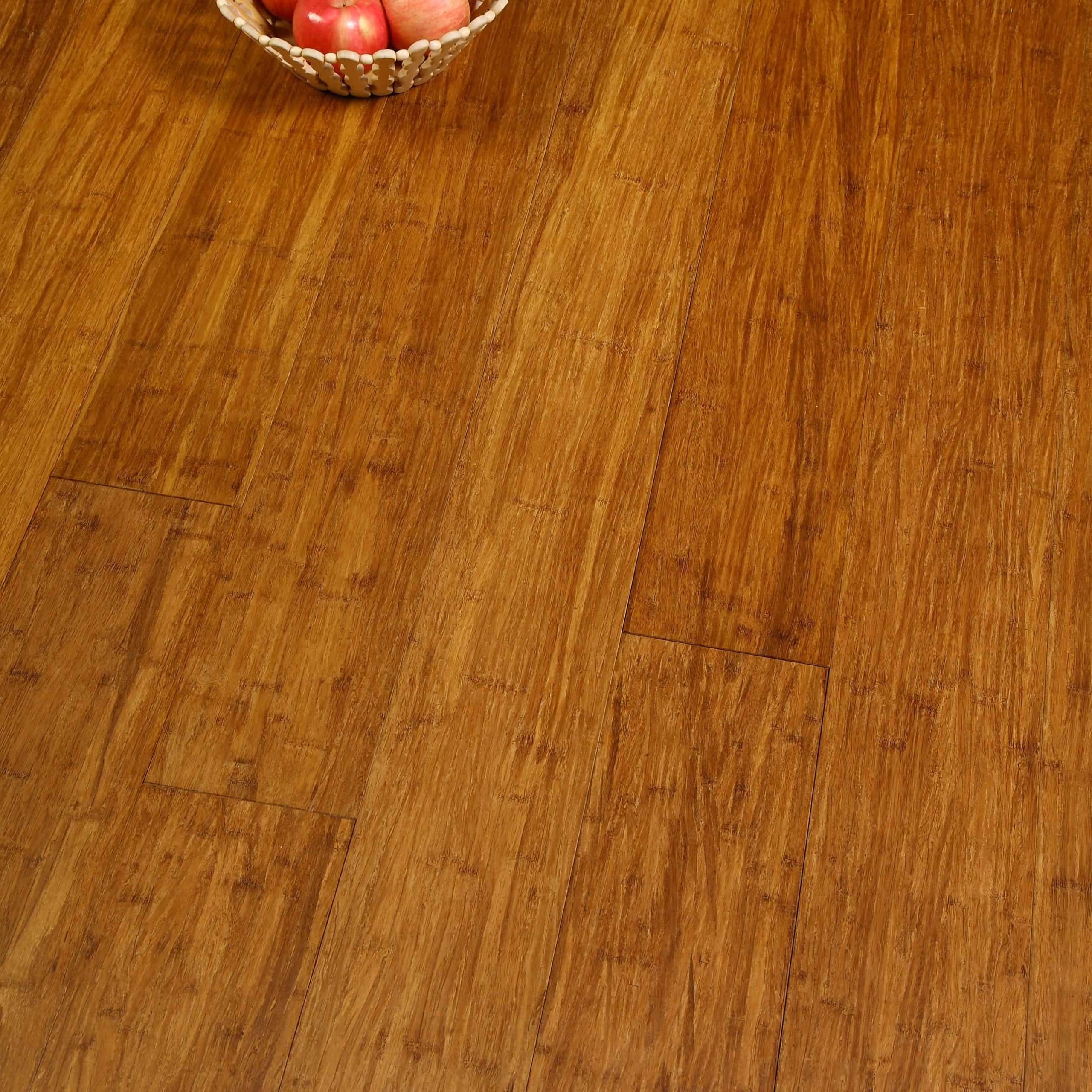
One misconception is that bamboo looks like… well, bamboo. People picture those horizontal lines with the little nodes, or the vertical grain that looks a bit sterile. Strand woven bamboo breaks that mold. Because the fibers are shredded and recompressed, the natural grain pattern is obliterated. What you get is a smooth, uniform surface that looks remarkably like exotic hardwoods. It doesn’t have the distinctive bamboo look unless you want it to.
This opens up a world of design possibilities. You can find strand woven bamboo in deep espresso tones, rich walnuts, warm honey oaks, and even cool grays. The staining process penetrates deeply because of the density, resulting in rich, consistent color that doesn’t look painted on. In 2026, the trend is towards natural, earthy tones, and strand woven bamboo fits perfectly. It adds warmth to modern minimalist spaces and complements rustic farmhouse styles alike.
The texture is also pleasing. It’s smooth to the touch but has a visual depth that flat laminates lack. It reflects light softly, making rooms feel larger and brighter. Because the planks are often available in wider widths, it creates a seamless, expansive look that enhances the sense of space. It’s elegant without being fussy. You don’t have to sacrifice style for strength.
Plus, it ages gracefully. Unlike some hardwoods that change color drastically with sun exposure, high-quality strand woven bamboo has UV-stable finishes that maintain their color over time. You won’t wake up ten years later to find sunny patches that look totally different from the rest of the room. It stays consistent, keeping your design intent intact for the long haul. It’s a set-it-and-forget-it aesthetic.
Eco-Friendly Choices for Conscious Homeowners
Sustainability is a bigger deal in 2026 than ever before. People want to know where their materials come from and what impact they have. Bamboo is a grass, not a tree, and it grows incredibly fast. Some species can grow up to three feet in a day. It reaches maturity in three to five years, compared to decades for hardwood trees like oak or maple. This rapid renewability makes it a highly sustainable resource. Harvesting bamboo doesn’t kill the plant; it regenerates from the same root system, preventing soil erosion and maintaining the ecosystem.
But it’s not just about growth speed. The production of strand woven bamboo uses almost every part of the plant. The shredding process utilizes the whole stalk, minimizing waste. Many manufacturers in 2026 are also prioritizing low-VOC (volatile organic compound) adhesives and finishes. This means better indoor air quality for your family. You’re not bringing home a floor that off-gases harmful chemicals for years. Look for certifications like FloorScore or GREENGUARD to ensure you’re getting a healthy product.
Carbon sequestration is another bonus. Bamboo absorbs more carbon dioxide and produces more oxygen than equivalent stands of trees. By choosing bamboo, you’re supporting a crop that actively helps combat climate change. It’s a small choice in your home, but it contributes to a larger positive impact. It’s guilt-free luxury. You get a premium-looking floor that aligns with your values.
It’s also worth noting that bamboo farming often takes place on marginal lands that aren’t suitable for other crops, meaning it doesn’t compete with food production. It’s an efficient use of land resources. For the environmentally conscious homeowner, strand woven bamboo checks all the boxes: renewable, low-waste, low-toxin, and carbon-positive. It’s a choice you can feel good about every time you walk across it.
Installation and Maintenance Tips for Longevity
While strand woven bamboo is tough, proper installation is key to its performance. It’s heavier and denser than traditional bamboo, so it requires a solid subfloor. Whether you choose glue-down, nail-down, or floating click-lock installation, make sure your subfloor is level and dry. In 2026, many DIYers opt for the click-lock systems because they’re user-friendly and allow for expansion gaps. But if you’re unsure, hiring a pro is worth it. A bad install can undo all the benefits of the material.
Acclimation is crucial. Before you install, let the planks sit in the room where they’ll be installed for at least 72 hours. This lets them adjust to the temperature and humidity of your home. Skipping this step can lead to gaps or buckling later on. It’s a simple step that saves a lot of headache. Treat it like letting a steak rest before cutting it; patience pays off.
Maintenance is refreshingly simple. Sweep or vacuum regularly to remove grit. Damp mop with a cleaner specifically designed for bamboo or hardwood—avoid steam mops, as the intense heat and moisture can damage the finish over time. Don’t use harsh chemicals or abrasive scrubbers. A gentle touch is all it needs. If you do get a scratch, minor ones can often be buffed out or touched up with a marker kit provided by the manufacturer.
Protective measures still help. Use rugs in high-traffic entryways to catch dirt. Put felt pads on furniture legs. Keep pet nails trimmed. These aren’t strict requirements for survival, but they extend the life and beauty of the floor. Think of it as preventive care. You don’t need to baby it, but a little respect goes a long way. With basic care, strand woven bamboo can last 20 to 25 years or more. It’s an investment that keeps paying dividends.
Choosing flooring is a big decision. It’s expensive, it’s disruptive, and you have to live with it for a long time. But strand woven bamboo simplifies the choice. It offers the hardness you need for a busy life, the moisture resistance for practical living, and the beauty you want for your sanctuary. It’s not just a trend; it’s a mature, reliable solution that has proven itself in homes across the country.
In 2026, we’re moving away from fragile perfection and towards resilient authenticity. We want homes that can handle real life. Strand woven bamboo embodies this shift. It’s strong enough for the dog, safe enough for the baby, and stylish enough for your guests. It doesn’t demand constant attention. It just sits there, looking good and taking whatever comes its way.
So, if you’re renovating or building, give it a serious look. Compare the Janka ratings. Check the warranties. Feel the weight of the plank in your hand. You’ll notice the difference immediately. It’s solid. It’s substantial. It’s ready. And once it’s down, you might find yourself worrying less about the dropped keys and more about enjoying your home. After all, isn’t that what a floor is supposed to do? Support your life, not complicate it.