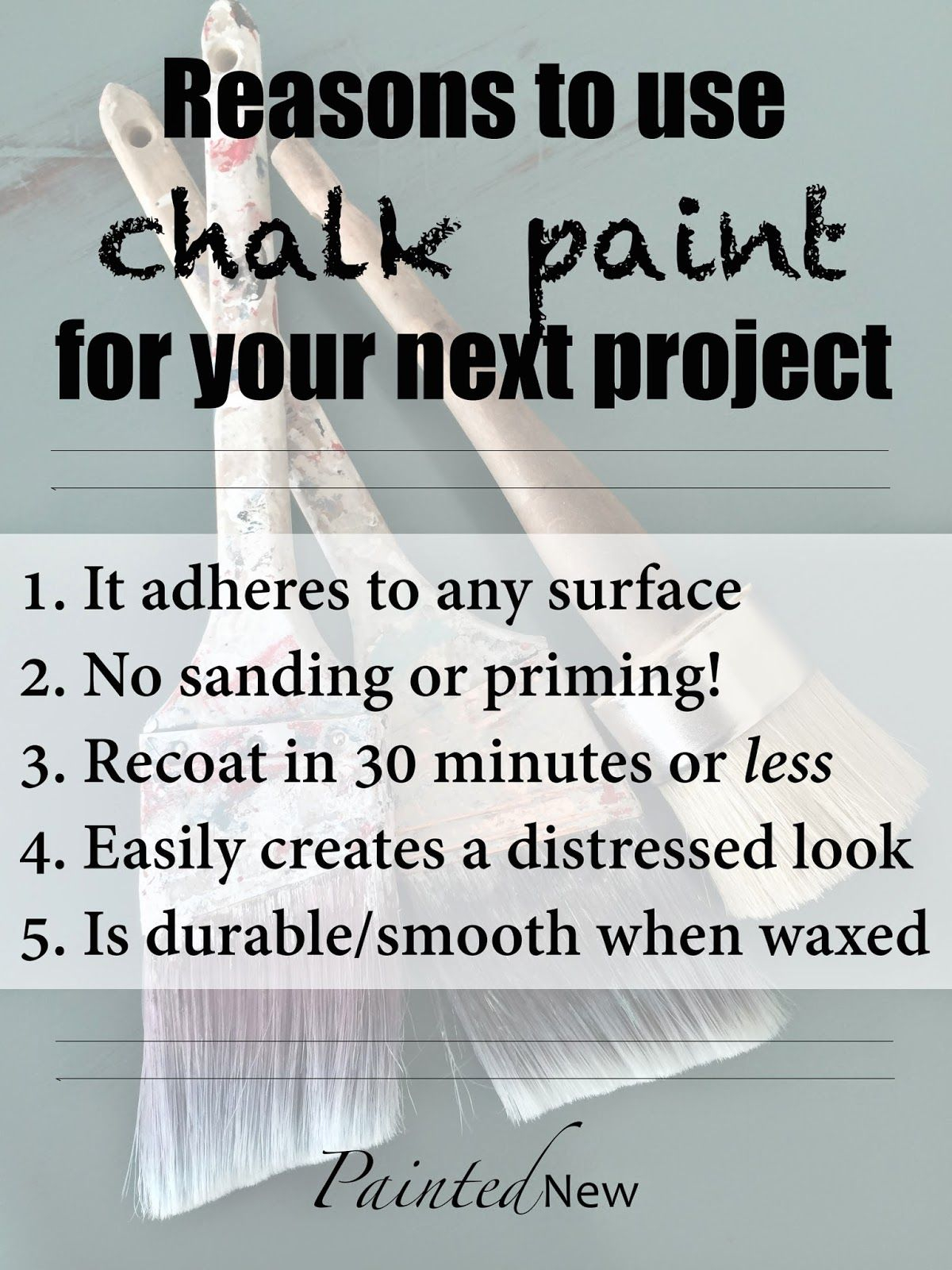
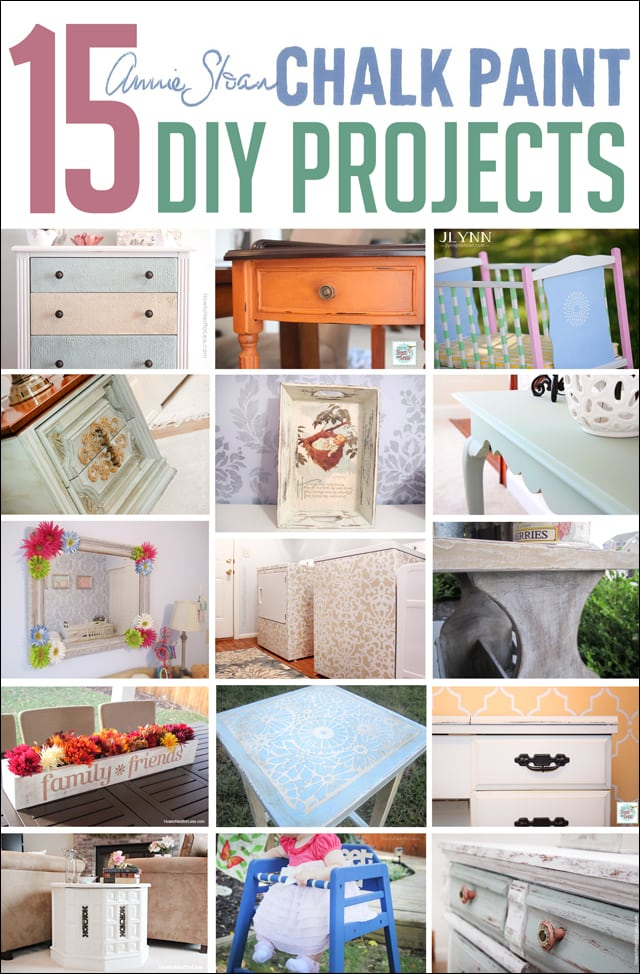
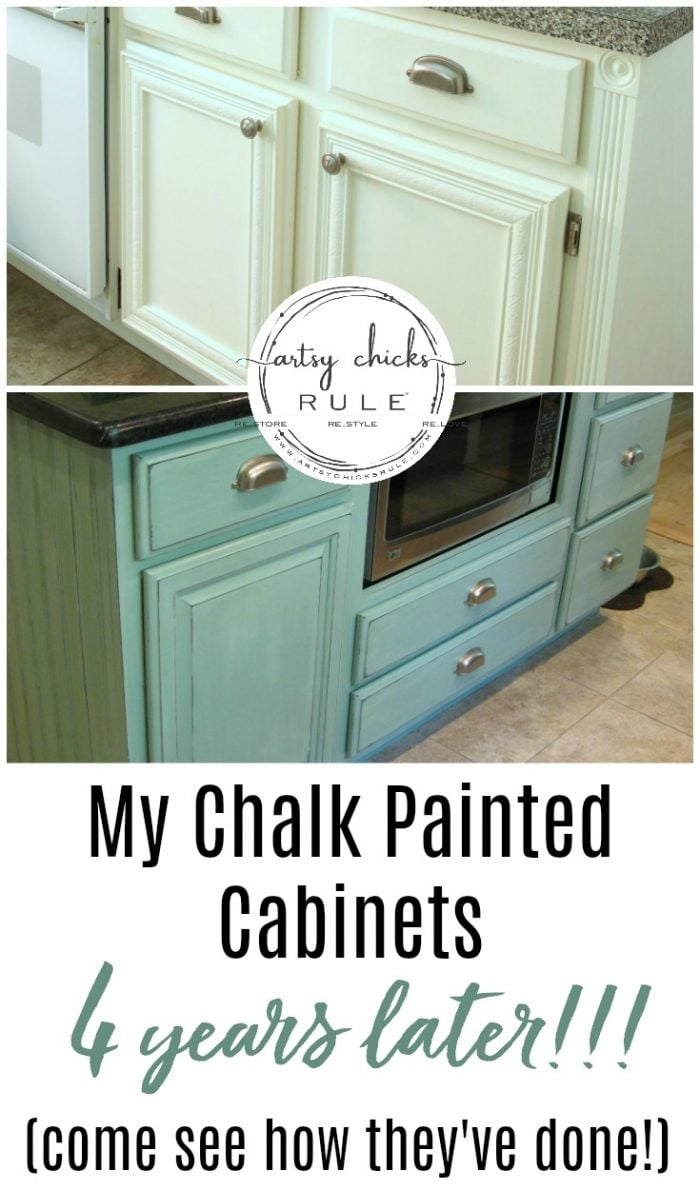
You’ve probably scrolled past those dreamy, matte-finish rooms on social media lately. They look soft, inviting, and just a little bit magical. For years, chalk paint was the go-to hero for that rustic, vintage vibe. It promised an easy life—no sanding, no priming, just slap it on and watch the magic happen. But recently, there’s been a shift. A quieter, earthier contender has stepped into the spotlight: clay paint.
It’s not just a trend; it feels like a return to basics. People are talking about "breathable" walls and "non-toxic" homes more than ever before in 2026. But is clay paint actually worth the extra effort and often higher price tag? Or is it just marketing hype wrapped in a fancy jar? If you’re standing in the paint aisle right now, staring at two very different cans, this guide is for you. Let’s cut through the noise and figure out which one deserves a spot in your home.
The Core Difference: What’s Actually Inside the Can?
At first glance, both paints look similar. They’re thick, they’re matte, and they dry quickly. But pop the lid off, and you’ll notice the difference immediately. Chalk paint is primarily made of calcium carbonate (basically crushed limestone or chalk), pigment, and a binder. It’s designed to sit on top of surfaces, creating a flat, opaque layer that hides imperfections beautifully. It’s robust and reliable.
Clay paint, on the other hand, is exactly what it sounds like. It uses natural clay as its base, mixed with mineral pigments and usually a natural binder like plant oil or casein. Because clay particles are finer and flatter than chalk particles, the finish is different. It’s not just matte; it’s velvety. Some folks even say it feels warm to the touch. While chalk paint can sometimes feel a bit powdery or plastic-like depending on the brand, clay paint feels organic. It’s less about covering up and more about blending in with the natural structure of your walls.
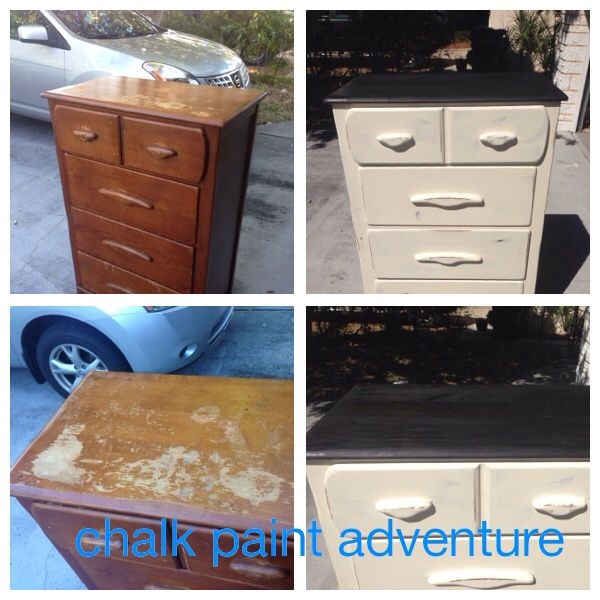
This composition matters because it dictates how the paint behaves. Chalk paint is a workhorse. It sticks to almost anything—wood, metal, laminate, you name it. Clay paint is more delicate. It thrives on porous surfaces like plaster, drywall, or untreated wood. Trying to force clay paint onto a glossy, non-porous surface without proper prep is a recipe for peeling. So, before you buy, ask yourself: what am I painting? If it’s a beat-up dresser, chalk might win. If it’s your bedroom walls, clay could be the superior choice.
Breathability and Health: Why Your Walls Need to Breathe
Here’s where things get interesting, especially if you live in an older home or care about indoor air quality. Traditional latex paints form a plastic-like film over your walls. This seals everything in, including moisture. In modern, airtight homes, this isn’t always a huge issue. But in period properties with lime plaster or solid brick walls, trapping moisture can lead to damp, mold, and structural damage over time.
Clay paint is highly breathable. It allows water vapor to pass through it easily. This means your walls can "exhale" moisture instead of trapping it against the surface. For anyone dealing with humidity issues or living in a historic building, this is a game-changer. It helps regulate the indoor climate naturally. Chalk paint is also breathable compared to standard emulsion, but clay paint takes it to another level due to its natural mineral structure. It’s like wearing a linen shirt versus a raincoat. Both cover you, but one lets you breathe.
Then there’s the health angle. Many people are switching to clay paints because they are virtually VOC-free (Volatile Organic Compounds). You know that "new paint smell"? That’s usually chemicals off-gassing into your home. Clay paints typically have little to no odor. Even straight out of the bottle, they smell earthy and mild, not chemical. For families with allergies, asthma, or small children, this is a massive benefit. Chalk paints have improved a lot in recent years, with many brands offering low-VOC options, but clay paint is naturally cleaner. It’s not just about aesthetics; it’s about creating a healthier living space.
Texture and Aesthetics: The Look You’re Going For
Let’s talk about the vibe. Because we’re decorating spaces we love, after all. Chalk paint is famous for its ability to create a distressed, shabby-chic look. It builds up nicely, allowing you to sand back edges for that worn, antique feel. The finish is flat and consistent, though it can show brush strokes if you’re not careful. It’s great for bold, solid colors that pop.
Clay paint offers a different kind of beauty. It has a subtle, natural variation in texture. Because it’s applied thinly and absorbs into the wall slightly, it creates a depth that flat chalk paint sometimes lacks. The color looks richer, more nuanced. It doesn’t scream for attention; it whispers. This makes it perfect for creating calm, serene environments. Think spa-like bathrooms or cozy reading nooks. The finish is often described as "soft matt" or "velvet." It doesn’t reflect light harshly, which reduces glare and makes rooms feel softer.
However, there’s a catch. Clay paint’s finish is usually uneven by design. Some people love this artisanal, handcrafted look. Others find it frustrating if they want a perfectly smooth, factory-like finish. If you’re a perfectionist who hates any hint of texture variation, clay paint might drive you crazy. Chalk paint is easier to control for a uniform look. Also, clay paint tends to darken slightly as it dries, so testing samples is crucial. You can’t just judge it by the wet color. Chalk paint stays truer to its wet appearance. It’s a trade-off between character and consistency.
Application and Durability: How Hard Is It Really?
We’ve all heard the sales pitch: "No prep needed!" This is largely true for chalk paint, and it’s one of its biggest selling points. You can paint over varnish, old paint, or bare wood with minimal cleaning. It adheres aggressively. Clay paint is not quite so forgiving. It generally requires a clean, porous, and stable surface. If you’re painting over old emulsion, you might need to prime it first or ensure the surface is keyed properly. It’s not difficult, but it’s not zero-effort either.
Application-wise, both are user-friendly. They don’t drip much and dry fast. But clay paint can be trickier to blend. If you stop in the middle of a wall, you might see a line where the wet edge meets the dry paint. You need to work in manageable sections and keep a wet edge. Chalk paint is more forgiving of overlaps. Once dry, durability is another point of contention. Chalk paint, while tough, often requires a wax or topcoat to protect it from scratches and stains, especially on furniture. Without it, it can mark easily.
Clay paint, once cured, is surprisingly durable on walls. It doesn’t usually need a topcoat for interior walls, which saves time and money. However, it’s not scrub-friendly. You can’t aggressively wipe down a clay-painted wall with heavy chemicals without damaging the finish. It’s best for low-traffic areas or walls that don’t get touched constantly. Chalk paint with a good wax seal can handle a bit more abuse, making it better for chairs, tables, and cabinets. So, if you’re painting a hallway used by muddy dogs, think twice about clay. For a bedroom ceiling? It’s perfect.
Cost and Availability: The Wallet Check
Let’s be real. Painting a house isn’t cheap. Historically, clay paint has been significantly more expensive than chalk paint. You’re paying for natural ingredients and often smaller-batch production. In 2026, the gap has narrowed slightly as more mainstream brands introduce clay-based lines, but it’s still a premium product. A gallon of high-quality clay paint can cost 20-30% more than a comparable chalk paint.
But here’s the thing: coverage matters. Clay paint is often applied in thinner layers because it’s meant to let the wall breathe. You might get better coverage per gallon than you expect. Chalk paint is thick and opaque, often requiring two coats for full coverage, plus the cost of wax or sealant. When you factor in the topcoat for chalk paint, the total project cost might be closer than you think. Still, for large areas like whole-house interiors, clay paint adds up.
Availability is also a factor. Chalk paint is everywhere. Hardware stores, big-box retailers, online shops—you can find it easily. Clay paint is still somewhat niche. You might need to order it online or visit a specialty store. This lack of convenience can be a hurdle. If you run out mid-project, you can’t just pop to the local store for more. You need to plan ahead. For DIYers who like spontaneity, this is a downside. For those who plan meticulously, it’s a minor inconvenience.
So, is clay paint worth the hype? The answer, annoyingly, is "it depends." If you’re restoring an old Victorian home with lime plaster, clay paint isn’t just worth it; it’s arguably the responsible choice. It protects the building’s integrity and improves indoor air quality. If you’re sensitive to smells or chemicals, it’s a no-brainer. The aesthetic is unmatched for creating calm, natural spaces.
On the flip side, if you’re flipping furniture, painting kitchen cabinets, or working on a tight budget, chalk paint is likely your better friend. It’s versatile, durable (with sealing), and easy to find. It allows for creative distressing and bold colors without the fuss. There’s no shame in choosing chalk paint. It’s a proven performer for a reason.
Don’t feel pressured to follow the trend if it doesn’t suit your needs. Mix and match if you have to. Use clay paint on your living room walls for that soft, breathable finish, and use chalk paint on your coffee table for durability. The best paint is the one that works for your specific surface, your budget, and your lifestyle. In 2026, we’re lucky to have choices. Take a sample home. Test it on a small patch. See how it looks in your light. Trust your eyes and your nose. That’s the only way to know for sure.