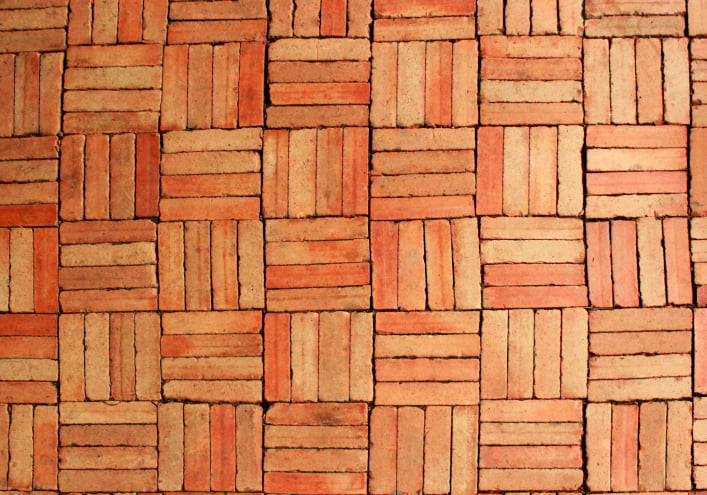
You know that feeling when you walk into a space and it just feels… right? Solid. Grounded. Maybe it’s the way the light hits the floor, or maybe it’s the texture under your feet. For decades, homeowners and designers have chased that feeling, often overlooking one of the most practical solutions sitting right in front of them. We talk a lot about sleek modern concrete or exotic stone, but there’s a quiet workhorse in the world of paving that deserves a spotlight. It’s the basketweave pattern.
It’s not just about looks, though let’s be honest, it looks fantastic. There is something deeply satisfying about that woven texture. It hints at craftsmanship without trying too hard. But in 2026, as we look for materials that can withstand the wear and tear of modern life—think heavy SUVs, constant foot traffic, and unpredictable weather—the basketweave brick pattern steps up. It’s durable, it’s forgiving, and it ages with a grace that few other materials can match. If you’re tired of cracking pavers or surfaces that look worn out after a single winter, this might be the answer you’ve been ignoring.
The Physics of Strength: How Interlocking Works
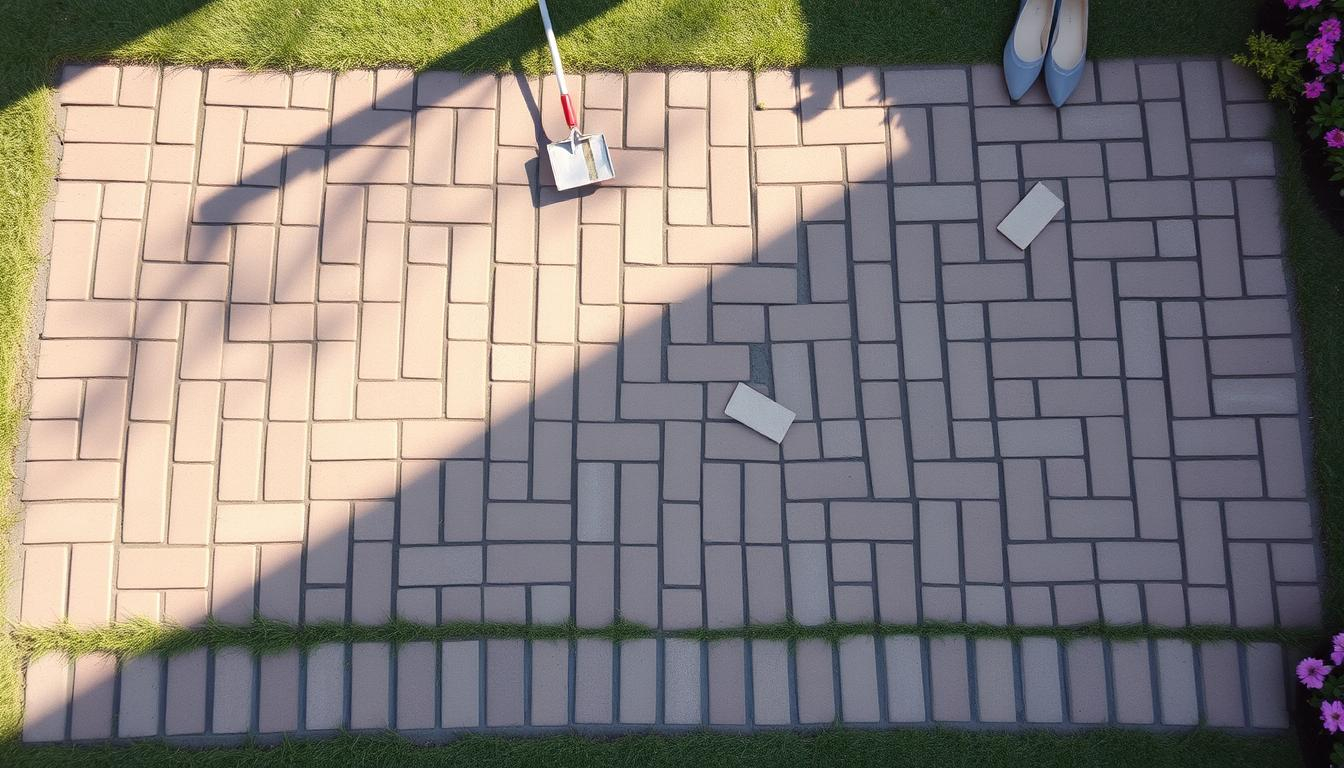
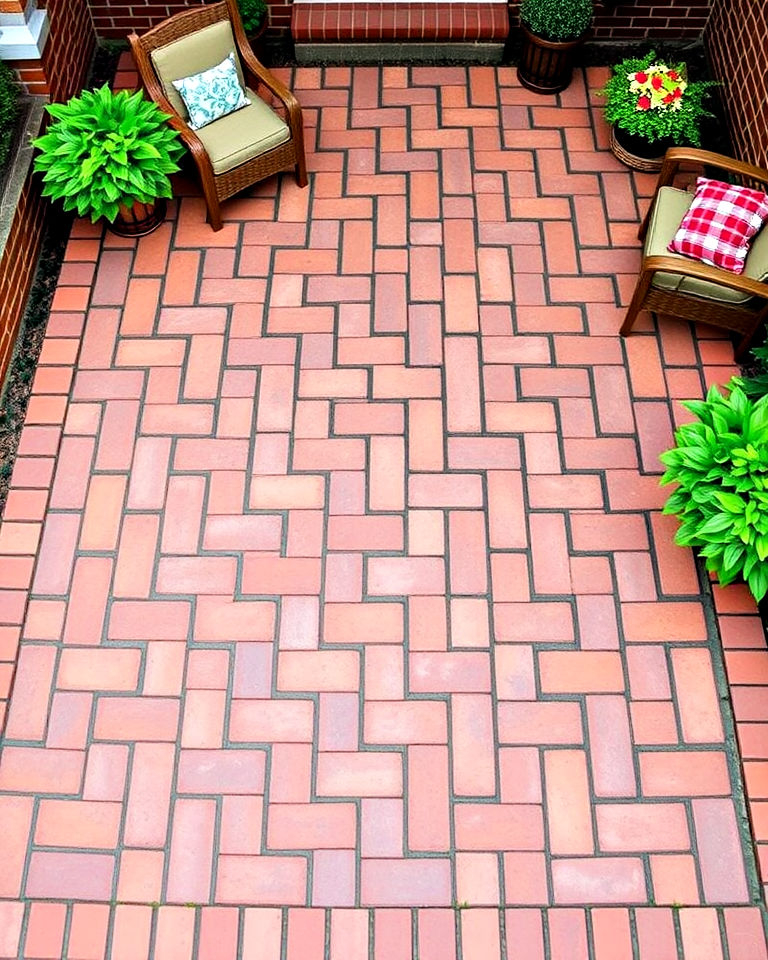
Let’s get into the nitty-gritty for a second. Why does this pattern hold up so well? It comes down to physics. When you lay bricks in a simple stack or a running bond, the weight travels in straight lines. If one brick shifts or settles, the whole line can feel it. But basketweave is different. It uses pairs of bricks laid perpendicular to each other. One pair lies horizontally, the next vertically. This creates a grid-like structure that locks everything together.
This interlocking arrangement is key. It distributes weight evenly across the entire surface area rather than concentrating it on individual joints. Think of it like a chain-link fence versus a single wire. The fence is stronger because the load is shared. In high-traffic areas like driveways or busy entryways, this means less shifting, less sinking, and fewer cracks. Studies and practical experience from landscapers show that this even distribution makes it one of the most stable choices for areas that see regular vehicle use. It’s not just pretty; it’s engineered for resilience.
And here’s the thing: you don’t need a degree in engineering to appreciate it. You just need to notice that your driveway isn’t developing those annoying potholes or uneven spots after a few years. The bricks support each other. If one tries to move, its neighbor holds it in place. It’s a community effort, literally built into the ground. This structural integrity is why many experts now recommend it for zones that take a beating, challenging the old notion that it’s only for decorative patios.
Aesthetic Versatility That Never Goes Out of Style
Trends come and go. Remember when everyone wanted stark, grey minimalist concrete? Now we’re swinging back toward warmth and texture. Basketweave has survived every trend cycle because it’s fundamentally classic. It doesn’t scream for attention; it whispers quality. Whether you have a Victorian home, a mid-century ranch, or a modern farmhouse, this pattern fits. It bridges the gap between formal and casual.
The visual appeal lies in its rhythm. The alternating directions create a sense of movement without being chaotic. It draws the eye inward, making spaces feel cohesive. In 2026, homeowners are increasingly looking for "timeless" designs that won’t date their property. Basketweave delivers that. It pairs beautifully with greenery, softening the hardscape. Imagine a walkway lined with lavender or creeping thyme peeking through the slight gaps. It feels organic.
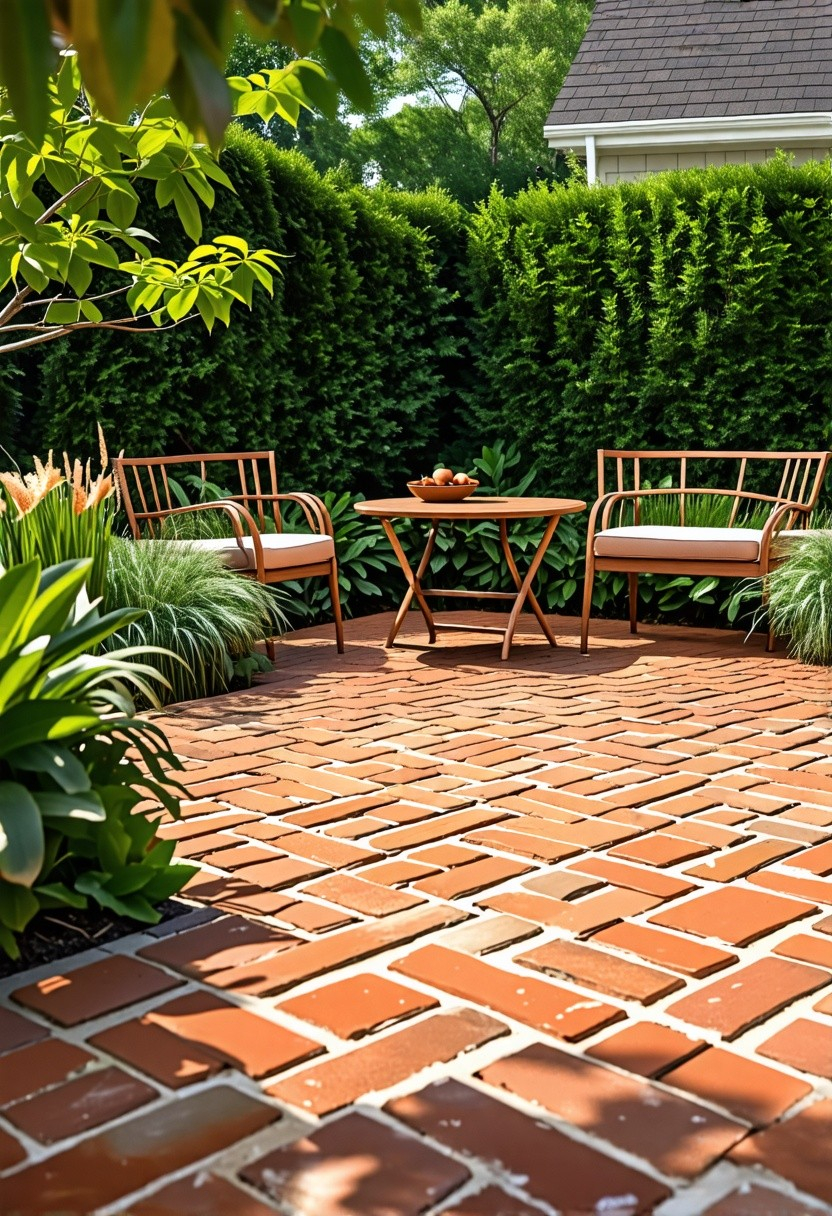
Plus, you have options. You aren’t stuck with just red clay. Today’s brick pavers come in tumbled finishes, varied earth tones, and even blended colors that mimic aged stone. You can go for a crisp, uniform look or a rustic, variegated vibe. The pattern enhances the color variations because the changing direction of the bricks catches the light differently. It adds depth. A flat surface can look dull, but basketweave has shadows and highlights that change throughout the day. It’s dynamic, yet steady.
Handling the Weight: Driveways and Heavy Loads
There’s a common misconception that basketweave is too delicate for driveways. People often point to herringbone as the "strongest" option. And sure, herringbone is tough. But basketweave is right there with it, especially when installed correctly with a proper base. The key is the unit size. By using pairs, you create larger modular units that resist lateral movement. When a car tire rolls over it, the force is dispersed across that four-brick square.
For residential driveways, which see mostly passenger vehicles and occasional delivery trucks, basketweave is more than capable. It handles the static load of parked cars and the dynamic load of moving vehicles without issue. The friction between the bricks helps keep them locked. In fact, many landscaping professionals in 2026 are citing basketweave as a preferred choice for driveways because it offers a better balance of strength and aesthetic flexibility than the more rigid herringbone.
It’s also about the edge restraint. Like any paver system, the edges need to be secure. But once that frame is set, the internal weave holds strong. Homeowners who have chosen this for their driveways report high satisfaction with its longevity. It doesn’t rut. It doesn’t shift under the weight of a sedan or an SUV. It just stays put. And if you’re worried about heavy loads, remember that the brick material itself is incredibly compressive-strong. The pattern just helps manage that strength effectively.
Low Maintenance for Busy Lives
Let’s be real: nobody wants to spend their weekends fixing their driveway. We want install it and forget it. Basketweave brick is surprisingly low-maintenance. Unlike asphalt, which needs sealing and can soften in extreme heat, or concrete, which can stain and crack unpredictably, brick is resilient. If a leaf falls, you sweep it. If oil drips, you absorb it. Simple.
One of the biggest advantages is repairability. If, by some rare chance, a brick gets damaged or stained beyond cleaning, you don’t have to redo the whole section. You just pop out the affected pair and replace them. Because the pattern is modular, finding matching replacements is usually easy, especially if you kept a few spare bricks from the initial installation. This modularity is a huge plus for long-term ownership. It’s sustainable, too, since you aren’t tearing up tons of material for a small fix.
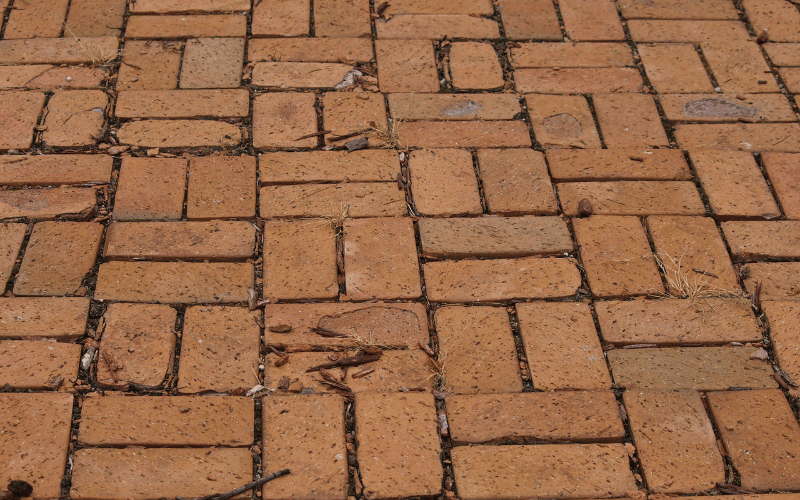
Cleaning is straightforward. A pressure washer on a low setting or just a good scrub with soap and water keeps it looking fresh. The texture of the brick hides dirt better than smooth surfaces. Dust and minor debris settle into the slight irregularities of the tumbled surface, making the area look clean even when it hasn’t been swept in a few days. For high-traffic entryways where kids and pets track in mud, this forgiving nature is a lifesaver. It doesn’t show every little speck.
Safety and Traction in All Weather
Safety is often an afterthought until someone slips. Basketweave brick offers excellent traction. The surface texture of brick, combined with the numerous joints between the pavers, provides natural grip. This is crucial for high-traffic areas that get wet. Rain, snow, ice—these elements turn smooth surfaces into skating rinks. But brick? It bites back.
The joints filled with sand or polymeric sand add to this friction. They create a micro-texture that helps shoes and tires find purchase. In climates with harsh winters, this can prevent accidents. It’s not just about preventing slips; it’s about confidence. Walking across a icy patch is scary. Walking across a textured brick surface is manageable. The pattern itself doesn’t trap water as much as solid slabs might, allowing for better drainage through the joints if the base is permeable.
Moreover, brick doesn’t get as hot as concrete or asphalt in the summer sun. If you have a patio or walkway that gets direct afternoon light, you’ll notice the difference. You can walk barefoot on brick when other materials would burn your feet. This thermal comfort is a subtle but significant benefit for areas where people linger. It makes the space usable for longer periods during the day. In 2026, with rising temperatures in many regions, this heat-mitigating quality is becoming a bigger selling point.
Getting basketweave right requires skill. It’s not the easiest pattern for a DIY novice, but for a professional, it’s standard fare. The precision matters. The pairs need to be tight. The lines need to be straight. When done well, the installation itself adds value to the property. It signals care and attention to detail. Buyers notice these things. It’s not just a driveway; it’s a feature.
Cost-wise, it’s competitive. While the labor might be slightly higher than a simple running bond due to the careful alignment required, the material costs are standard for brick pavers. When you factor in the longevity and low maintenance, the lifetime cost is often lower than alternatives that need frequent repairs or replacement. It’s an investment that pays off over decades.
In recent years, we’ve seen improvements in installation techniques. Better base materials, improved edge restraints, and advanced jointing sands have made basketweave installations even more durable. These advancements mean that the pattern performs better today than it did twenty years ago. It’s evolved. It’s not just a legacy design; it’s a modern solution refined by time. Choosing it now means benefiting from all the lessons learned by generations of masons.
So, where does this leave us? With a clear option that balances form and function. Basketweave brick isn’t trying to be the flashiest thing on the block. It’s trying to be the most reliable. It offers a blend of structural integrity, aesthetic charm, and practical ease that is hard to beat. For high-traffic areas, where durability meets daily life, it stands out as a smart, sensible choice.
Think about your own space. What do you need from it? Do you need it to hold up under the weight of daily life? Do you want it to look good without demanding constant attention? Do you want it to feel safe and welcoming? Basketweave answers yes to all of these. It’s a testament to the idea that the best designs are often the simplest ones, refined over time to serve us better.
In the end, it’s about creating a home that works for you. A place that feels solid underfoot and looks beautiful year after year. Basketweave brick offers that promise. It’s a classic for a reason. And in 2026, it’s still going strong. Maybe it’s time to give it the consideration it deserves. After all, some things are popular not because of hype, but because they simply work.