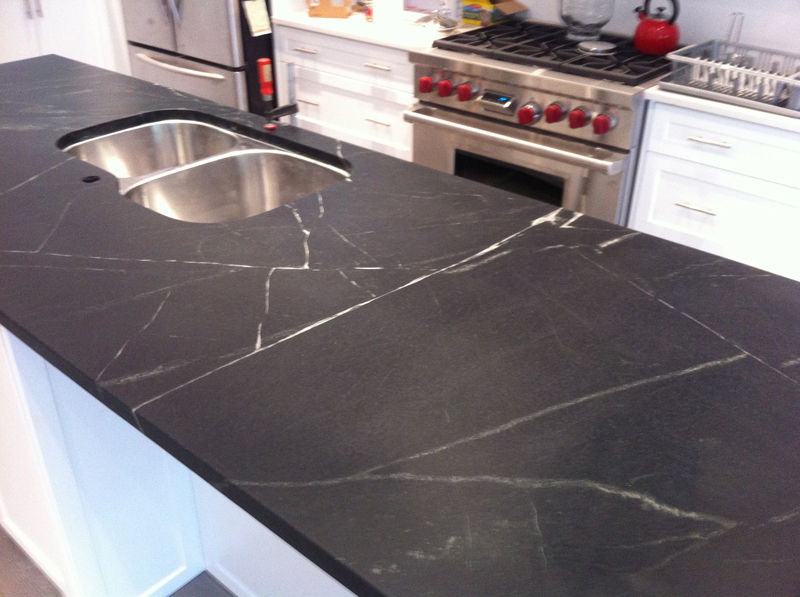
You know that feeling when you walk into a kitchen and the counters just look… right? Not shiny like plastic, but deep and rich, like a river stone that’s been smoothed by time. That is the magic of soapstone. It’s warm to the touch. It feels substantial. But lately, I’ve been hearing from folks who are panicked. They scrubbed their beautiful slate-grey surfaces with something "strong" because they saw a stain, and now the stone looks dull, patchy, or even etched. It breaks my heart a little, honestly. Because once you strip away that natural character, getting it back takes work.
We live in a world that tells us bigger is better. More foam, more scent, more power. We grab the spray bottle with the skull and crossbones warning label—or at least the one that smells like a swimming pool—and we go to town. It feels productive. It feels clean. But with soapstone, this instinct is exactly what causes the damage. The stone isn’t fighting you; it’s just being itself. And if you treat it like a ceramic tile or a laminate surface, you’re going to lose the very thing that made you choose it in the first place. Let’s talk about how to stop the madness before your counters look like they’ve been through a war zone.
Soapstone is different. It’s not granite. It’s not quartz. It’s a metamorphic rock composed largely of talc. That’s the same stuff in baby powder. This makes it incredibly soft compared to other stones, sitting around a 2 to 4 on the Mohs hardness scale. But here is the twist: that softness is also its superpower. It’s non-porous. Bacteria can’t hide in it. Acids don’t eat holes in it like they do with marble. But because it is soft, it absorbs oils and changes color over time. When you hit it with harsh cleaners, you aren’t just cleaning dirt; you are stripping the moisture and the natural oils that give the stone its dark, luxurious look. You are drying it out. And a dry soapstone counter is a sad, chalky, light-grey shadow of its former self.
The Hidden Danger in Your Cleaning Cabinet
Most of us have a cabinet under the sink that looks like a chemistry set. We have bleach sprays, ammonia-based glass cleaners, and heavy-duty degreasers that promise to cut through grease instantly. These products are designed for resilient surfaces like stainless steel, porcelain, or sealed granite. They are aggressive by design. They break down organic matter and strip away residues. On soapstone, however, they strip away too much. They disrupt the natural patina that develops over years of use.
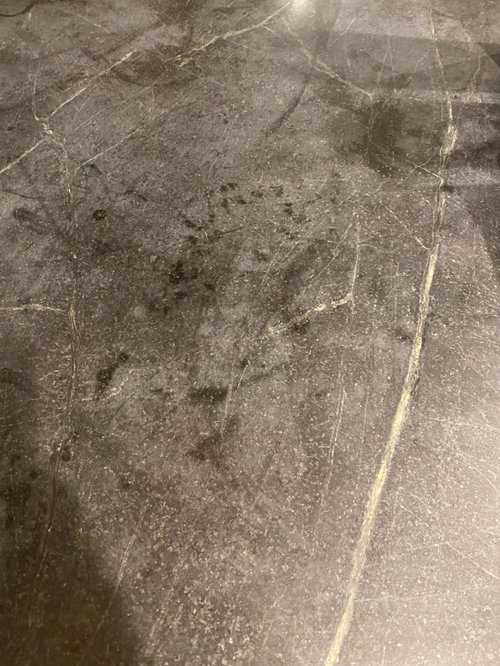
Think about what happens when you use an acidic cleaner, like vinegar or a citrus-based degreaser. While soapstone is chemically resistant to acids (unlike marble, which fizzes and etches immediately), these cleaners can still leave a residue that dulls the surface. Worse, many "all-purpose" cleaners contain abrasives or surfactants that linger. In 2026, we see more people moving toward eco-friendly cleaners, which is great, but some of those natural alternatives rely heavily on essential oils or vinegar concentrations that can be tricky. If the pH is too low or too high, it can interfere with the mineral oil treatment most homeowners use. The result is a blotchy appearance where some spots look dark and rich, and others look ash-grey and thirsty.
The real culprit, though, is often the abrasive scrubber paired with the harsh chemical. Steel wool? No way. Scouring pads with the green scratchy side? Hard pass. Even some "soft" sponges have a gritty texture that acts like sandpaper on the talc-rich surface. When you combine a harsh chemical that dries out the stone with a physical abrasive, you are essentially sanding down your countertop. You might not see it right away. But over months, the surface loses its smoothness. It becomes rougher. It catches dirt more easily. And then you scrub harder. It’s a vicious cycle that ends with a ruined finish.
What Actually Works for Daily Cleaning
So, if you can’t use the big guns, what do you use? The answer is almost laughably simple. Warm water and a mild dish soap. That’s it. Seriously. Most experts, including those cited by Martha Stewart and United Granite, agree that simplicity is key. You don’t need a specialized stone cleaner for daily wipe-downs. You just need to remove the crumbs, the splatters, and the sticky spots. A few drops of pH-neutral dish soap in a bowl of warm water is plenty.
Use a soft microfiber cloth or a sponge that is designated as "non-scratch." Wipe the surface gently. There is no need to scrub unless there is dried-on food, and even then, let the soapy water sit for a minute to loosen it up. Think of it like washing your face. You wouldn’t take a wire brush to your skin, right? Soapstone is delicate in its own way. After you wipe it down, take a dry microfiber cloth and buff it dry. This prevents water spots, which can be annoying on the dark stone, and helps maintain that subtle sheen.
Some people worry that water isn’t "clean" enough. They fear germs. Here is the good news: soapstone is non-porous. It doesn’t harbor bacteria inside the stone like wood or unsealed concrete might. So, surface cleaning is sufficient for hygiene. If you feel you need a bit more disinfecting power, perhaps after handling raw chicken, you can use a tiny amount of rubbing alcohol on a cloth. It evaporates quickly and doesn’t leave a residue. But for 99% of your daily messes—coffee spills, tomato sauce, flour dust—soap and water is not just adequate; it is superior. It preserves the integrity of the stone while keeping your kitchen sanitary.
The Role of Mineral Oil and Wax
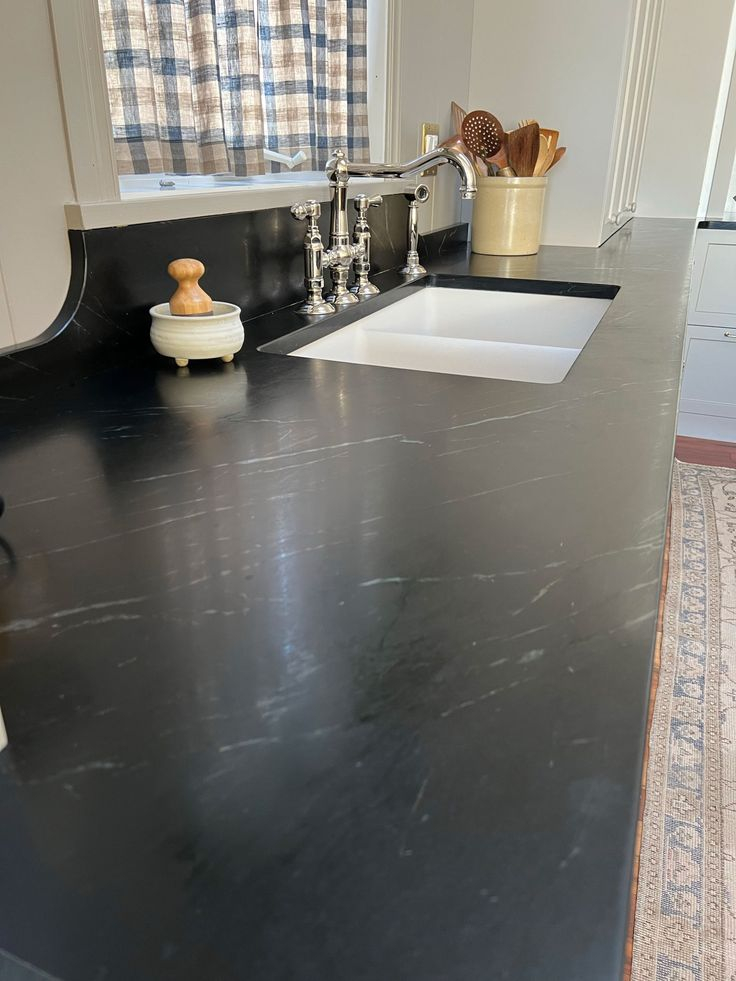
Now, let’s talk about the oil. This is where the human element comes in. Soapstone is often treated with mineral oil or a specific stone wax. This isn’t a sealant in the traditional sense. It doesn’t create a plastic-like barrier. Instead, it darkens the stone and brings out the depth of the grey and black veins. It makes the stone look wet, even when it’s dry. Many homeowners freak out when the oil wears off in spots. They think the stone is stained. It’s not. It’s just returning to its natural, lighter state.
In 2026, the trend is shifting toward beeswax-based conditioners rather than pure mineral oil. Why? Because oil can go rancid if it’s not pure, and it needs to be applied frequently—sometimes weekly in the beginning. Wax lasts longer and provides a bit more protection against minor scratches. However, the principle remains the same. You are feeding the stone. You are keeping it hydrated. When you use harsh cleaners, you strip this oil or wax away instantly. That’s why your counter looks patchy after a deep clean with a degreaser. You’ve removed the cosmetic layer that makes it look "finished."
If you’ve accidentally used a harsh cleaner, don’t panic. You haven’t destroyed the stone. You’ve just dried it out. The fix is to re-oil or re-wax. Clean the surface thoroughly with soap and water first to remove any chemical residue. Let it dry completely. Then, apply a generous coat of food-grade mineral oil or a dedicated soapstone wax. Let it soak in for 15-20 minutes, then wipe off the excess. You might need to do this a couple of times to get the color even again. It’s a forgiving material. That’s the beauty of it. It allows for mistakes, as long as you know how to nurture it back to health.
Dealing with Scratches and Dents
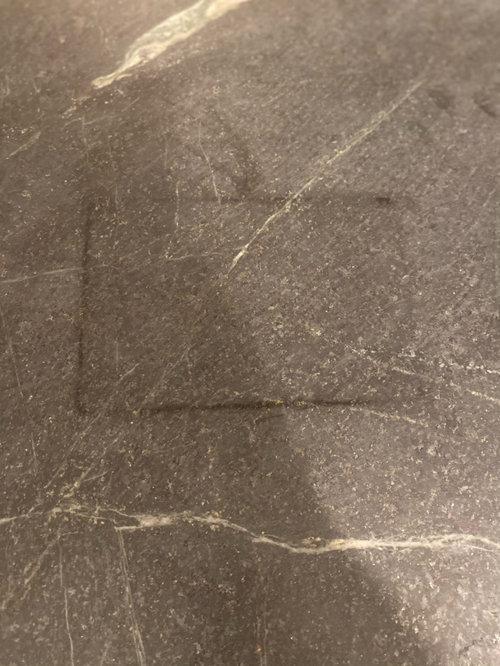
Let’s be real. Soapstone scratches. It dents. If you drop a heavy cast-iron skillet on it, you might get a chip. If you drag a knife across it, you’ll see a mark. For some people, this is a dealbreaker. For others, it’s part of the charm. It’s called "patina." It shows that the kitchen is lived in. But if the scratches bother you, or if a harsh cleaner has made them more visible by drying out the surrounding area, there are ways to fix it.
Because the stone is soft, you can sand it. Yes, you can take fine-grit sandpaper (start with 220 grit and move up to 400 or 600) and gently sand out the scratch. It’s surprisingly easy. You just sand in a circular motion until the scratch disappears. Then, you wipe away the dust and re-oil the area. The new oil will darken the sanded spot, blending it in with the rest of the counter. It’s like magic. You can’t do this with granite or quartz. With those stones, a scratch is permanent. With soapstone, it’s temporary.
However, using harsh cleaners makes this repair process harder. If the stone is coated in chemical residue or stripped of its natural oils, the sanding dust can mix with the gunk and create a muddy paste that clogs the pores of the stone. It makes the repair look messy. By keeping your cleaning routine gentle, you ensure that if you do need to sand out a scratch, the stone is clean and ready to accept the new oil evenly. It’s about maintaining a blank canvas. A clean, well-oiled surface responds better to maintenance than one that has been battered by bleach and abrasives.
Common Myths About Soapstone Care
There is a lot of bad advice out there. I’ve seen forums where people suggest using vinegar to "shine" soapstone. Don’t do it. Vinegar is acidic. While it won’t etch the stone like it does marble, it can leave a film that interferes with oil absorption. I’ve also seen suggestions to use baking soda paste for stains. Baking soda is abrasive. It’s like using fine sand. It might remove a stain, but it will also dull the finish around it, creating a cloudy spot that stands out against the dark stone.
Another myth is that soapstone needs to be sealed with a penetrating sealer like granite. It doesn’t. Remember, it’s non-porous. Sealers sit on top or try to penetrate, but since there are no pores to enter, they just sit on the surface and get sticky or gummy. This attracts dirt. Then you try to clean the sticky dirt with a harsh cleaner, and the cycle of destruction begins. Stick to oil or wax. That is the only "seal" you need. It’s breathable. It moves with the stone. It doesn’t trap moisture or chemicals underneath.
Some people also believe that darker soapstone is higher quality. Not necessarily. The color depends on the quarry and the mineral content. Some soapstone is naturally lighter. Oiling makes it darker. If you stop oiling, it will lighten up again. This is natural. Don’t let salespeople tell you that you need a specific expensive product to keep it dark. Food-grade mineral oil from the pharmacy costs a few dollars. Beeswax conditioner is a bit more, but still affordable. You don’t need the $50 boutique bottle with the French label. It’s all marketing. The stone doesn’t care about the brand. It cares about being treated gently.
Looking ahead, the best thing you can do for your soapstone counters is to establish a routine. Consistency beats intensity. Wiping down the counters every night with a damp cloth takes two minutes. Applying oil once a month (or when it looks dry) takes ten minutes. This small investment of time prevents the need for major repairs later. It keeps the stone looking uniform and rich. It also helps you spot potential issues early, like a small chip or a stubborn stain, before they become big problems.
Heat is another factor. Soapstone is heat resistant. You can put a hot pot directly on it. This is one of its biggest advantages. But sudden temperature changes can sometimes cause thermal shock, leading to cracks. It’s rare, but possible. So, while you don’t need trivets for warmth, it’s still a good idea to use them for heavy pots to avoid dropping them. And never, ever use a harsh cleaner to remove a burn mark. If you get a scorch mark, it’s usually just surface debris. Sand it lightly. Clean with soap and water. Oil it. It will vanish. Using a chemical stripper on a burn mark is overkill and damaging.
Finally, enjoy the evolution of your stone. Soapstone changes. It gets darker in areas where you cook more. It gets lighter in areas that are rarely used. This variation tells the story of your home. In 2026, we are seeing a return to appreciating natural materials for their imperfections. We are moving away from the sterile, perfect look of engineered quartz. Embrace the quirks. Don’t fight them with harsh chemicals. Work with the stone. Listen to what it needs. It needs moisture. It needs gentleness. It needs to be wiped down with love, not attacked with aggression.
So, take a look under your sink today. Take out the bleach. Put away the abrasive powders. Grab a bottle of mild dish soap and a soft cloth. Your soapstone counters will thank you. They will stay dark, smooth, and beautiful for decades. And you’ll save money on replacements and repairs. It’s a win-win. Plus, your kitchen will smell like lemons and lavender instead of chlorine. Isn’t that nicer? I think so. Let’s keep our homes healthy, and our stones happy. It’s really that simple. Just be kind to the stone.