We have all been there. You open a closet door and an avalanche of cardboard boxes tumbles out. Or maybe you are trying to find a place for your winter coats, but the spare room is already packed floor-to-ceiling with "important" things from twenty years ago. It feels heavy, doesn’t it? Not just physically, but emotionally. Those items aren’t just stuff. They are pieces of people we loved, versions of ourselves we used to be, and milestones we worked hard to reach. Letting go feels like erasing those moments. But keeping them all? That’s suffocating.
In 2026, living spaces are getting smaller while our accumulation of digital and physical memories is getting bigger. We are stuck in a paradox. We want to honor our history, but we also want to breathe in our own homes. The good news is that you don’t have to choose between being a hoarder and having amnesia. There is a middle ground. A way to keep the feeling without keeping the furniture. It requires a shift in mindset, sure, but also some clever, practical tactics that actually work.
The Psychology of Holding On (And Why It’s Okay to Let Go)
Keepsakes are where clutter and emotion collide. It is a messy intersection. You don’t want to lose the memory, but keeping every ticket stub, every child’s drawing, and every inherited vase leaves you feeling overwhelmed, crowded, and mentally exhausted. Over time, those meaningful items quietly take over closets, floors, and storage bins. They steal your space, time, energy, and even money. It is not just about square footage; it is about mental bandwidth. When your environment is chaotic, your mind often follows suit.
The first step is giving yourself permission to edit. Think of your life like a museum exhibit. A museum doesn’t display every single artifact it owns in the basement. It curates. It picks the most powerful pieces to tell the story. The rest are archived or shared. You are the curator of your own life. This doesn’t mean you are betraying your ancestors or forgetting your childhood by letting go of objects. Memories live in your neural pathways, not in a ceramic frog. Separating the object from the emotion is the key to freedom.
Try to ask yourself: "Does this item spark joy, or does it spark guilt?" Often, we keep things because we feel we should. Maybe Aunt Linda gave it to you, or you spent a lot of money on it. But if looking at it makes you feel anxious or cramped, it is serving a negative purpose. Acknowledge the feeling. Thank the item for its role in your life. And then, realize that releasing it can actually honor the memory more than letting it rot in a dark box. It frees you to engage with the present.
The Great Sort: Using the Three-Box Method
So, how do you start? The sheer volume can be paralyzing. Don’t try to do it all at once. Pick one small area. A single drawer. One shelf. Use the classic "Three-Box Method" to stay organized. It is simple, effective, and keeps you from spinning in circles. Dedicate one box for items to Keep. One box for items to Donate/Sell/Give Away. And a third box for the items that leave you feeling Undecided.
The "Keep" box should have strict limits. If you are downsizing, maybe you only get one standard-sized plastic bin for all sentimental paper items. If it doesn’t fit, it doesn’t stay. Be ruthless here. The "Donate" box is for things that are in good condition but hold no specific emotional tether to you. Maybe your kids don’t want grandma’s china, but someone else would love it. Selling is an option too, though don’t expect to get rich. The goal is dispersal, not profit.
The "Undecided" box is the secret weapon. This is where you put the things that make your heart ache to release. Seal the box. Write the date on it. Put it in a corner. Set a reminder for three months from now. If you haven’t opened it in that time, you probably don’t need it. When you finally open it, consider more than just significance. Ask: "Have I missed this?" Usually, the answer is no. This delay tactic removes the immediate pressure and lets your emotions settle. It is a gentle way to trick your brain into letting go.
Digitize to Declutter: Saving the Story, Not the Stuff
We live in 2026. Technology has given us incredible tools to preserve memories without preserving the physical bulk. This is arguably the most liberating strategy for modern keepers. Take photos. Lots of them. But don’t just snap a blurry picture and forget it. Create a digital archive. Scan old letters, children’s artwork, and report cards. There are apps now that use AI to organize these scans by date and person, making them searchable. You can read your grandfather’s handwritten letter on your phone while drinking coffee, without needing to store the fragile paper itself.
For larger items, like a quilt or a collection of sports jerseys, consider a "photo book" approach. Take high-quality, well-lit photos of each item. Write down the story associated with it. Who made it? When did you wear it? Why does it matter? Compile these into a beautiful digital album or a printed book. This transforms a pile of fabric into a narrative. You are keeping the essence, the visual, and the story, but you are freeing up cubic feet of space. It is a trade-off that usually feels worth it once you see the result.
Video is another powerful tool. Record yourself talking about an item before you let it go. Explain why it was special. Describe the texture, the smell, the moment it came into your life. This oral history is often more valuable to future generations than the object itself. Your great-grandchildren might not want your old toaster, but they might love hearing your voice explain how it made the best toast on Sunday mornings. Digitizing isn’t just about storage; it is about enhancing the memory.
Creative Display: Shadow Boxes and Vertical Space
If you do keep items, stop hiding them in bins. If they are important, they deserve to be seen. But seeing them shouldn’t mean tripping over them. The trick is verticality and containment. Shadow boxes are a fantastic solution. They create depth and allow you to group related small items together. Think wedding trinkets, travel souvenirs, or military medals. The glass cover safeguards them from dust, and the defined space inside prevents sprawl. It turns clutter into art.
You can also look at your walls differently. Install floating shelves high up near the ceiling. This draws the eye upward and utilizes "dead" space. Place your favorite books or decorative heirlooms there. Another idea is to use a pegboard system in a home office or craft room. You can hang scissors, tools, or even framed photos. It is flexible, so you can change the arrangement as your tastes evolve. The goal is to integrate keepsakes into your daily decor so they feel like part of the home, not intruders.
Consider rotating your collection. You don’t have to display everything at once. Keep a "storage" rotation of items. Every six months, swap out the photos on the wall or the items on the mantle. This keeps your space feeling fresh and allows you to enjoy different memories at different times. It also helps you realize which items you truly miss when they are gone. If you swap out a vase and never think about it again, maybe it is time to let it go for good.
Repurposing and Transforming: The Art of the Edit
Sometimes, the item itself is too big or impractical, but the material is precious. This is where repurposing comes in. Do you have a stack of old t-shirts from races or concerts? Turn them into a quilt or a set of pillowcases. There are many services online that will do this for you if you aren’t handy with a needle. You get to keep the fabric and the logos, but in a functional, compact form. A blanket takes up less mental space than a box of folded shirts.
Jewelry is another common culprit. Maybe you have inherited pieces that are not your style. Instead of letting them sit in a jewelry box, consider having them remade. A local jeweler can melt down old gold or reset stones into a modern pendant or ring. You are honoring the original gift by wearing it, rather than storing it. This transforms a static object into a living part of your wardrobe. It bridges the gap between past and present.
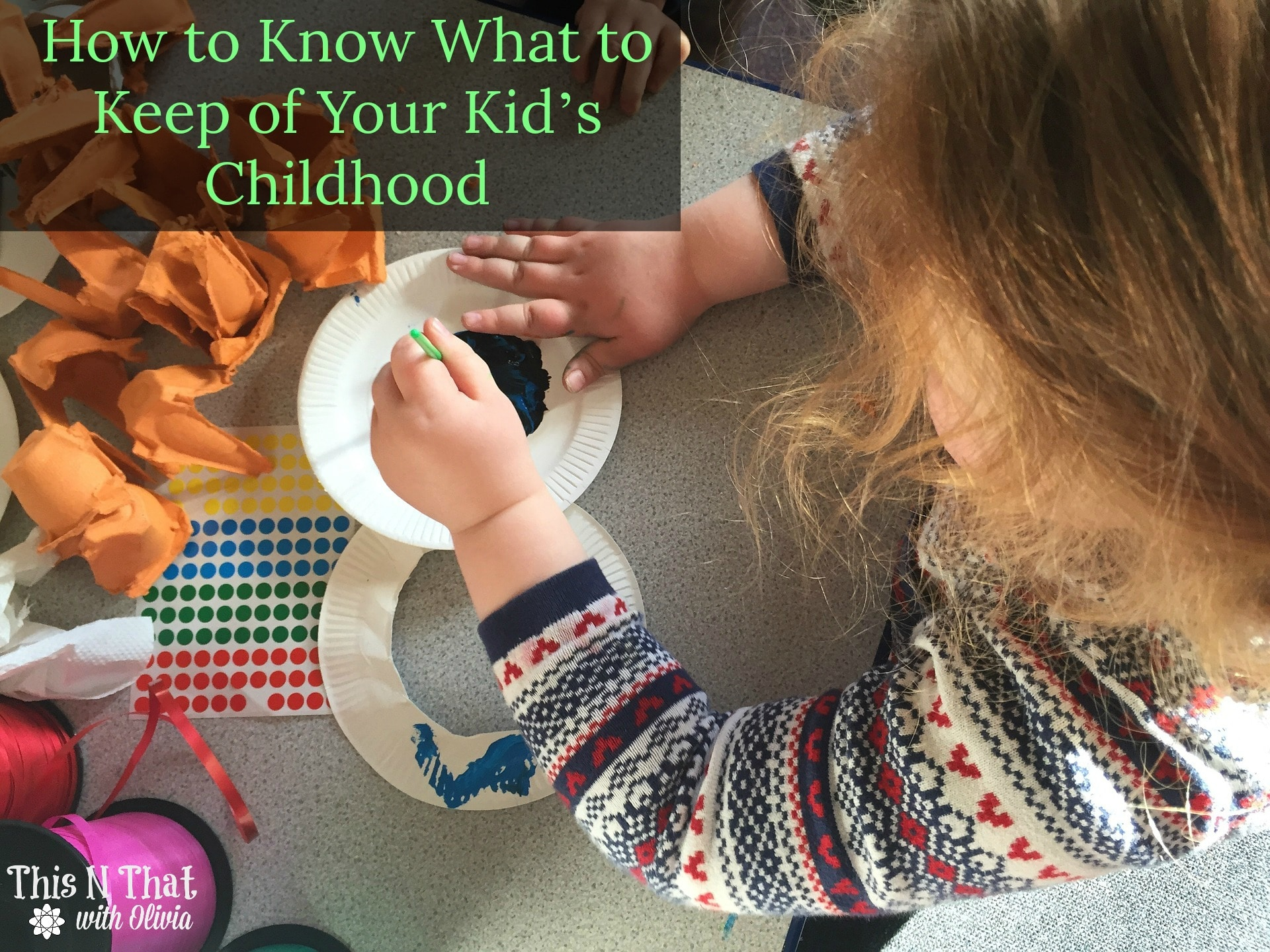
For paper-heavy collections, like your child’s school projects, try the "Best Of" method. Keep one representative piece from each year. The best drawing from kindergarten. The best essay from fifth grade. Bind them into a single, slim portfolio. You capture the progression of their growth without keeping every crumpled worksheet. This editing process forces you to evaluate what is truly significant. It turns a mountain of paper into a manageable molehill. And honestly, most of those worksheets were practice, not masterpieces. It is okay to let the practice go.
One of the hardest parts of downsizing is dealing with family heirlooms that no one seems to want. It can feel like a rejection. But remember, your relatives have their own lives, spaces, and tastes. Just because they don’t want your grandmother’s crystal decanter doesn’t mean they don’t love you. It just means they don’t have room for crystal. Pressuring them to take items creates resentment, not connection. So, how do you handle this?
Start by offering, but accept "no" gracefully. If they decline, don’t take it personally. Look outside the family. Are there younger cousins, nieces, or nephews who might appreciate the item? Sometimes skipping a generation works wonders. If no family members want it, consider donating to a historical society, a local theater group (for props), or a charity shop that supports a cause you care about. Knowing that your item is going to a good home or a good cause can ease the guilt.
You can also host a "memory party." Invite friends and family over. Put out the items you are letting go of. Share the stories behind them. Let people take what resonates with them. Often, someone will connect with an item in a way you didn’t expect. And for the rest? Sell them and use the money to create a new memory with your family. A dinner, a trip, an experience. Experiences take up zero space in your closet and create new keepsakes in your mind. It is a beautiful cycle of release and renewal.
Letting go of keepsakes is not about discarding your past. It is about making room for your future. It is about choosing to live in a space that feels light, open, and reflective of who you are today, not just who you were yesterday. By curating, digitizing, displaying creatively, and sharing generously, you can honor your history without being buried by it. The memories will remain. The love will remain. And now, you will have room to breathe.