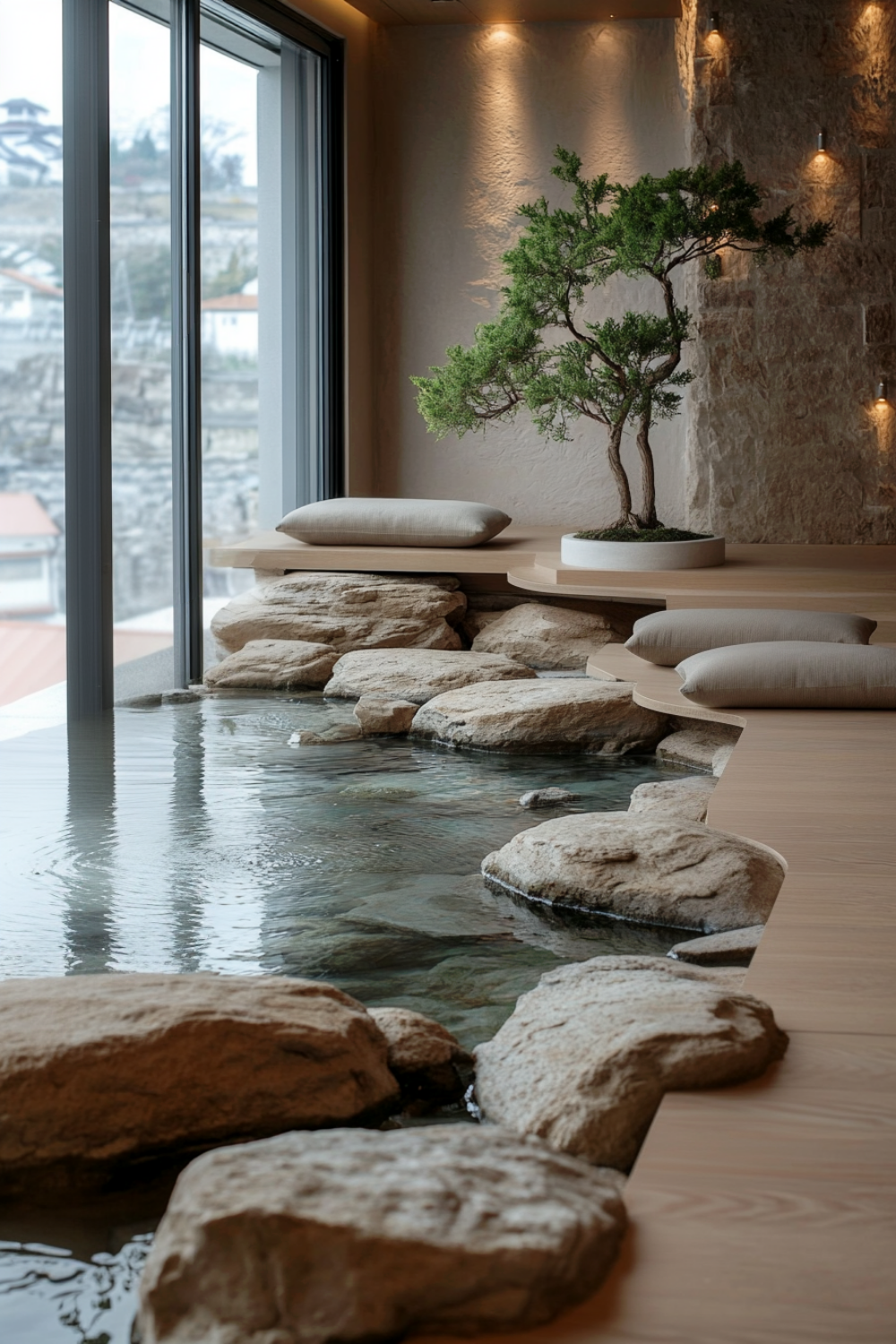
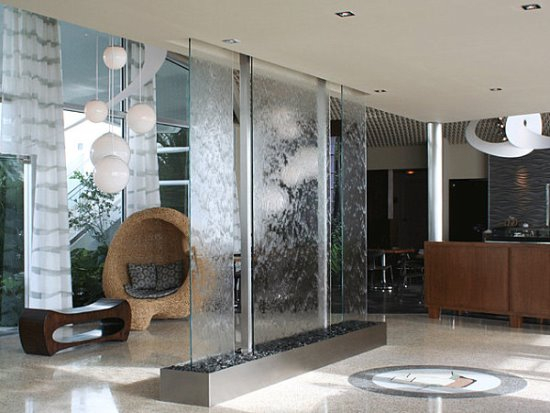
There’s a specific kind of quiet that only water can bring. It’s not the absence of noise, but rather a gentle, rhythmic hum that seems to push back against the chaos of modern life. You’ve probably felt it. Maybe you walked past a lobby with a sleek stone feature, or perhaps you visited a friend who had a small bubbling jar on their desk. For a second, your shoulders dropped. Your breathing slowed. That is the magic we are chasing here. But bringing that magic into your own home isn’t as simple as clicking "buy" on the first pretty picture you see online.
In 2026, our homes have become our sanctuaries more than ever. We work here, we rest here, and we try to find peace here. An indoor fountain can be the anchor of that peace, but get it wrong, and it becomes a source of stress. A fountain that’s too loud keeps you awake. One that’s too small gets lost in the corner. One that’s hard to clean ends up gathering dust instead of zen. Choosing the right one is less about interior design trends and more about understanding the unique personality of your space. It’s about listening to what the room needs.
Let’s be honest, walking into a store or scrolling through endless online catalogs can feel overwhelming. There are wall-mounted sheets of glass, tiered ceramic pots, modern metal sculptures, and rustic stone basins. How do you know which one belongs in your living room versus your hallway? It comes down to a mix of practical logistics and intuitive feeling. This guide isn’t just about dimensions and materials; it’s about helping you find the piece that feels like it was always meant to be there. We’ll walk through the nitty-gritty details, from measuring your walls to understanding the subtle art of water flow, so you can make a choice you’ll love for years to come.
Measuring More Than Just Inches
The first mistake most people make is eyeballing it. They see a fountain they love, guess it’ll fit, and then realize once it arrives that it dominates the entire wall or looks like a toy next to their sofa. Scale is everything. As noted by experts at Aura Waterfalls and Outdoor Art Pros, the fountain needs to breathe within its environment. If you have a high ceiling, a tiny tabletop fountain might look cute, but it won’t have the visual weight to ground the space. Conversely, cramming a massive floor-standing unit into a narrow hallway creates a bottleneck, both physically and visually.
Start by grabbing a tape measure. Don’t just measure the width of the spot where you want the fountain. Measure the height from the floor to the ceiling, and the depth from the wall out into the room. You need to leave "negative space" around the feature. Think of it like hanging a painting; you wouldn’t put a huge canvas right up against the doorframe. Leave at least six to twelve inches of clear wall space on either side of a wall-mounted fountain. For floor units, ensure there’s enough room to walk past it without brushing your hip against the stone or metal.
Consider the furniture nearby, too. If you’re placing a fountain in the living room, look at the scale of your couch and coffee table. The fountain should complement these pieces, not compete with them. A good rule of thumb is that the fountain should be roughly two-thirds the height of the adjacent furniture if it’s sitting on a console, or proportional to the wall expanse if it’s mounted. In 2026, minimalism is still strong, but "warm minimalism" is taking over. This means spaces are curated but cozy. Your fountain should feel like a natural extension of that coziness, not an intruder. If the room feels cluttered, go smaller. If it feels empty, go bigger. Trust your eyes, but verify with the tape.
The Symphony of Sound Levels
Water sounds are subjective. What one person finds meditative, another finds irritating. This is arguably the most critical factor to get right because you can’t return a fountain just because the noise drives you crazy after three days. The sound is determined by two things: the height of the water fall and the volume of the flow. A tall waterfall crashing into a shallow basin will create a louder, more splashing sound. A short, gentle spill over a smooth surface creates a soft gurgle or whisper.
Think about the function of the room. Is this fountain for your bedroom? If so, you want silence or near-silence. Look for "tabletop" or "low-profile" designs where the water barely moves, creating a visual effect rather than an auditory one. Some modern fountains even use hidden pumps to recirculate water with almost zero noise. On the other hand, if you’re putting this in a busy entryway or a large open-plan living area, you might want a bit more presence. A moderate splash can help mask background noises like traffic outside or the hum of the refrigerator. It acts as white noise, smoothing out the acoustic rough edges of your home.
Before you buy, if possible, listen to a video review or visit a showroom. Listen closely. Is there a high-pitched trickling sound? That can get annoying fast. Is there a deep, resonant glug? That’s usually more soothing. Also, consider the material of the basin. Metal basins tend to amplify sound, making it brighter and sharper. Stone, resin, or ceramic basins absorb some of the vibration, resulting in a duller, softer tone. If you’re sensitive to noise, you can often adjust the pump flow rate. Most quality pumps have a dial to slow down the water. Start low. You can always speed it up, but you can’t make a roaring waterfall quiet if the design inherently requires high pressure.
Material Matters for Style and Durability
The material of your fountain dictates not just how it looks, but how it ages and how much work you’ll have to do. In recent years, we’ve seen a shift away from cheap, lightweight plastics toward more authentic, tactile materials. People want things that feel real. Stone, metal, glass, and ceramic are the big four. Each brings a different vibe and a different set of maintenance requirements. Stone, like slate or granite, is heavy and grounded. It fits beautifully in rustic, industrial, or earthy modern spaces. It’s durable, but it can be porous. If you live in an area with hard water, stone can show mineral deposits (white crusty stuff) more easily than smooth surfaces.
Metal fountains, particularly those made from copper, bronze, or stainless steel, are having a moment in 2026. They offer a sleek, contemporary look. Copper develops a patina over time, changing color from bright orange to a verdigris green or dark brown, which many people find charming. However, if you prefer the shiny look, you’ll need to polish it occasionally. Stainless steel is low-maintenance and reflects light, which can make a small, dark room feel larger. Glass fountains are elegant and airy. They work well in modern, minimalist decor. The downside? Water spots. Glass shows every little droplet and mineral streak, so if you’re not keen on wiping it down weekly, maybe skip the clear glass.
Then there’s resin and ceramic. These are versatile and often more affordable. High-quality resin can mimic the look of stone or concrete without the immense weight, making it easier to move and install. Ceramic offers a warm, handmade feel, perfect for bohemian or traditional interiors. When choosing, think about the humidity. Indoor fountains add moisture to the air, which is great in dry climates or winter months. But if you choose a material that isn’t sealed properly, constant exposure to water can cause degradation. Check the product description for terms like "sealed," "weather-resistant," or "indoor-rated." Don’t assume outdoor fountains will work indoors; they might be too bulky or have pumps that are too loud for interior comfort.
Placement and the Flow of Energy
Where you put the fountain changes how it interacts with your daily life. It’s not just about finding an empty corner. Placement affects visibility, sound distribution, and even the perceived energy of the home. For those interested in Feng Shui, the entryway is a prime spot. It’s believed that water at the entrance invites positive energy and abundance into the home. Even if you don’t subscribe to Feng Shui, there’s a psychological benefit to greeting guests (and yourself) with the sight and sound of moving water. It sets a calm tone immediately.
However, avoid placing the fountain directly in front of a door where it blocks the path, or in a high-traffic zone where it might get knocked over. Hallways are tricky. As Coohom suggests, a hall fountain needs to balance proportion and durability. A narrow hallway needs a slim, vertical wall fountain. A wide foyer can handle a substantial floor piece. Keep in mind that water features need access to electricity. You don’t want a tangled mess of extension cords running across the floor. Plan your placement near an outlet, or be prepared to hire an electrician to install a discreet one. Hiding the cord is part of the aesthetic; a visible black wire ruins the illusion of nature.
Lighting is another crucial element of placement. Many modern fountains come with built-in LED lights. These can transform the feature at night, turning it into a glowing sculpture. If your fountain has lights, place it where you can enjoy the glow in the evening, perhaps in a dimly lit corner of the living room or bedroom. But be careful with glare. You don’t want the light reflecting off a TV screen or shining directly into your eyes while you’re trying to read. Test the lighting at different times of day. Natural light during the day highlights the texture of the water and the material. Artificial light at night creates mood. The best placements leverage both.
Maintenance: The Reality Check
Let’s talk about the unglamorous part: cleaning. Every indoor fountain requires maintenance. If you ignore it, the water will get cloudy, algae will grow, and the pump will clog. This isn’t a "set it and forget it" appliance. But the level of effort varies wildly depending on the design. Before you buy, ask yourself: How often am I willing to clean this? If the answer is "never," don’t buy a fountain. If the answer is "once a month," you’re in good shape. Most fountains need a full drain and scrub every few weeks. Some smaller, simpler models might need it weekly if they are in a sunny spot (sunlight promotes algae growth).
Look for features that make cleaning easier. Removable pumps are a must. You want to be able to take the pump out, rinse it, and check for debris without dismantling the entire structure. Wide, open basins are easier to wipe down than intricate, multi-tiered designs with nooks and crannies where gunk can hide. In 2026, many manufacturers are using antimicrobial coatings or materials that resist algae buildup, which is a huge plus. Check the warranty and customer support, as mentioned by Beautiful Garden Shop. A good warranty often indicates a company stands behind the durability of their pump, which is the heart of the system.
Water quality matters, too. Tap water contains minerals that build up as scale. Using distilled water reduces this significantly, meaning less scrubbing for you. If you have hard water, consider adding a small amount of white vinegar to the cleaning routine to dissolve deposits. Also, think about evaporation. In dry climates or heated homes, water evaporates quickly. You’ll need to top it off every few days. If the pump runs dry, it burns out. Some newer models have auto-shutoff sensors that turn the pump off when the water level is too low. This is a fantastic feature that saves you from accidental damage. Prioritize models with this safety net if you’re prone to forgetting things.
Finally, the fountain has to look like it belongs. It should feel like a curated part of your interior design, not an afterthought. Look at the lines in your room. Are they sharp and angular? A rectangular, modern metal waterfall fountain will echo those lines. Are your spaces soft and curvy? A rounded ceramic bowl or a organic-shaped stone feature will blend in seamlessly. Color is also key. If your room is neutral—whites, beiges, grays—a fountain with a bold material like black slate or copper can act as a striking focal point. If your room is already colorful and busy, a simple, transparent glass or white resin fountain might provide a necessary visual break.
Don’t be afraid to mix styles, but do it intentionally. A rustic stone fountain can look amazing in a ultra-modern loft because of the contrast in textures. The roughness of the stone plays against the smoothness of the concrete floors. But a cheap, plastic-looking fountain in a high-end traditional library will just look out of place. Quality shows. Invest in materials that age well. In 2026, sustainability is also a consideration. Look for companies that use recycled materials or energy-efficient pumps. It feels good to know your tranquil oasis isn’t costing the earth.
Think about the emotional response you want. Do you want drama? Go for height and movement. Do you want subtlety? Go for low flow and simple forms. Your fountain is a piece of functional art. It should spark joy every time you walk past it. If you’re unsure, start small. A tabletop fountain is a low-risk way to test the waters (pun intended). If you love the presence of water in your home, you can always upgrade to a larger statement piece later. But if you jump straight to a six-foot wall unit and hate the noise, you’re stuck with a very expensive problem. Let your intuition guide you, but let these practical tips steady your hand.
Choosing the right indoor fountain is a journey of balancing logic and emotion. It’s about measuring the space, yes, but also measuring how the sound makes you feel. It’s about picking a material that looks good today and will still look good in five years. It’s about accepting that a little maintenance is the price of admission for daily tranquility. Take your time. Visit stores. Touch the materials. Listen to the water. When you find the one that makes you pause and take a deep breath, you’ll know. That’s the one. Bring it home, plug it in, and let the calm begin.