It’s a question that keeps landlords awake at night and tenants holding their breath. How long until it’s over? Whether you’re the one serving the notice or the one receiving it, the clock starts ticking the moment things go sour. But here’s the thing: there is no single answer. In some places, you could be out in two weeks. In others, you might have half a year to figure out your next move. It feels unfair, doesn’t it? Like the rules of the game change depending on which side of the state line you live on.
In 2026, the landscape is more fragmented than ever. Courts are still catching up from post-pandemic backlogs in certain counties, while others have streamlined digital filing systems that speed things up considerably. If you think eviction is just a matter of changing the locks, you’re in for a rude awakening. It’s a legal marathon, not a sprint. And knowing exactly how many miles are in that marathon can save you money, stress, and a whole lot of heartache. Let’s dig into what’s really happening on the ground this year.
The Great Divide: Fast States vs. Slow States
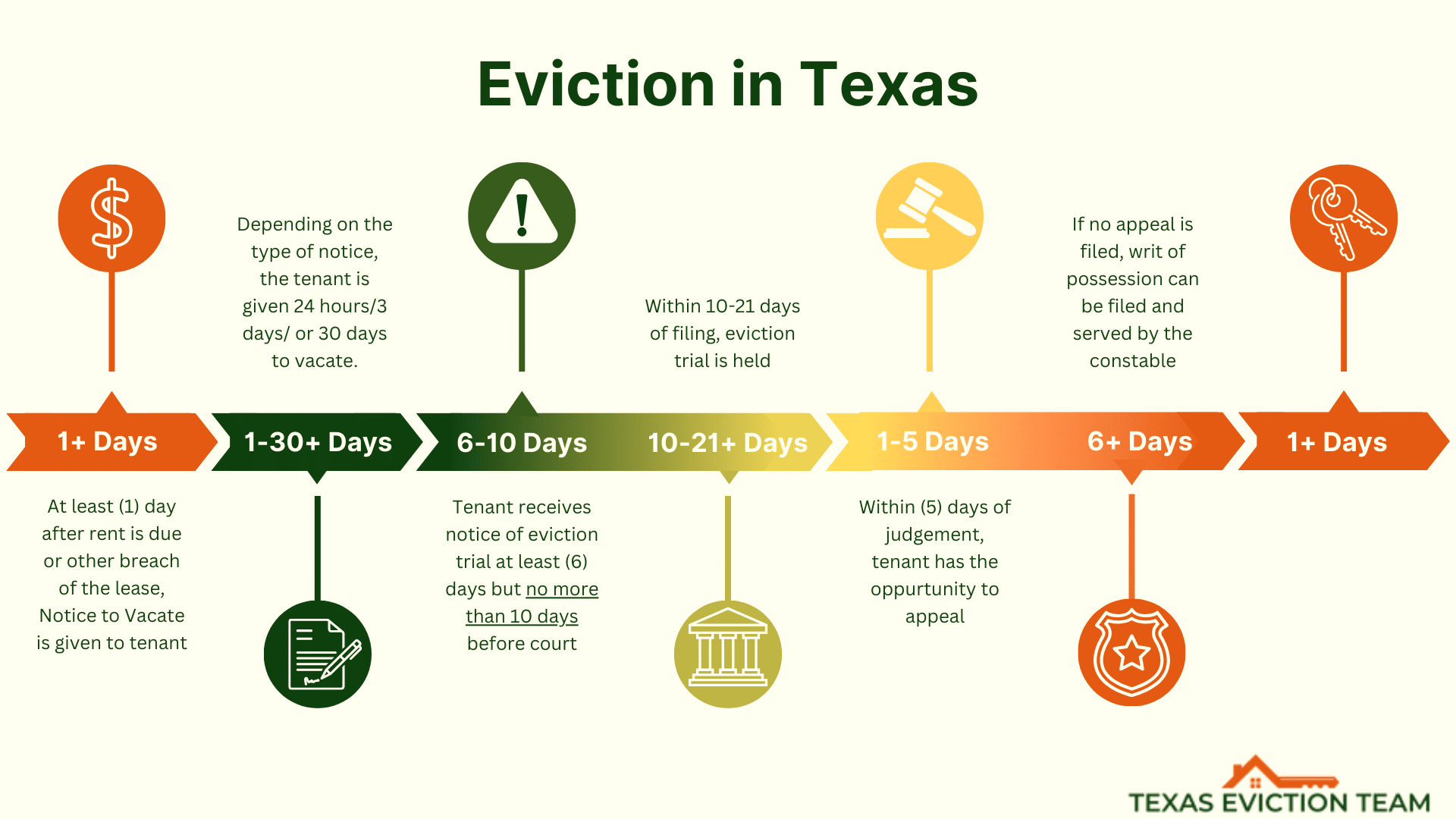
Let’s cut to the chase. If you’re in Texas or Florida, the process moves with startling speed. We’re talking about timelines as short as 15 to 30 days in Florida, and maybe 21 to 40 days in Texas. These states are often labeled "landlord-friendly," which basically means the law prioritizes the property owner’s right to regain possession quickly. For a landlord, this is a relief. For a tenant, it’s a terrifyingly short window to find new housing, pack up a life, and move on. There isn’t much room for error or delay. One missed payment, one ignored notice, and the machinery starts grinding forward immediately.
On the flip side, you’ve got places like California and New York. Here, the timeline stretches out to 3 to 6 months, and sometimes even longer if things get complicated. Why the difference? It’s mostly about tenant protections. These states have laws designed to give people ample time to rectify issues, find legal help, or secure alternative housing. It’s not necessarily that the courts are slower (though they can be), but that the procedural steps are more rigorous. Judges often look for strict compliance with every single rule. If a landlord misses a comma in the wrong place, the case might get tossed out, resetting the clock entirely. It’s a high-stakes game of precision.
Then there’s the middle ground, like Ohio. It’s considered moderately landlord-friendly. The process here is structured but not as rushed as Texas nor as prolonged as New York. Under Ohio Revised Code Chapter 5321, the steps are clear. You get a notice, you have a few days to respond, and then court happens. It’s predictable. Predictability is good. It allows both sides to plan. But don’t let the moderate label fool you; even in Ohio, if a tenant contests the eviction, those few weeks can turn into a couple of months pretty fast. The key takeaway? Geography is destiny when it comes to housing stability.
The First Hurdle: Notice Periods Matter
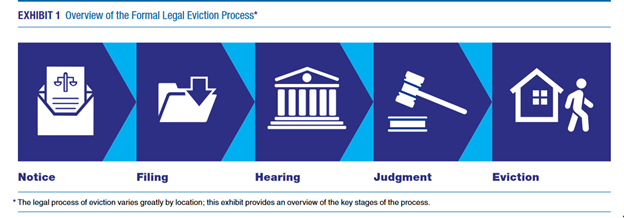
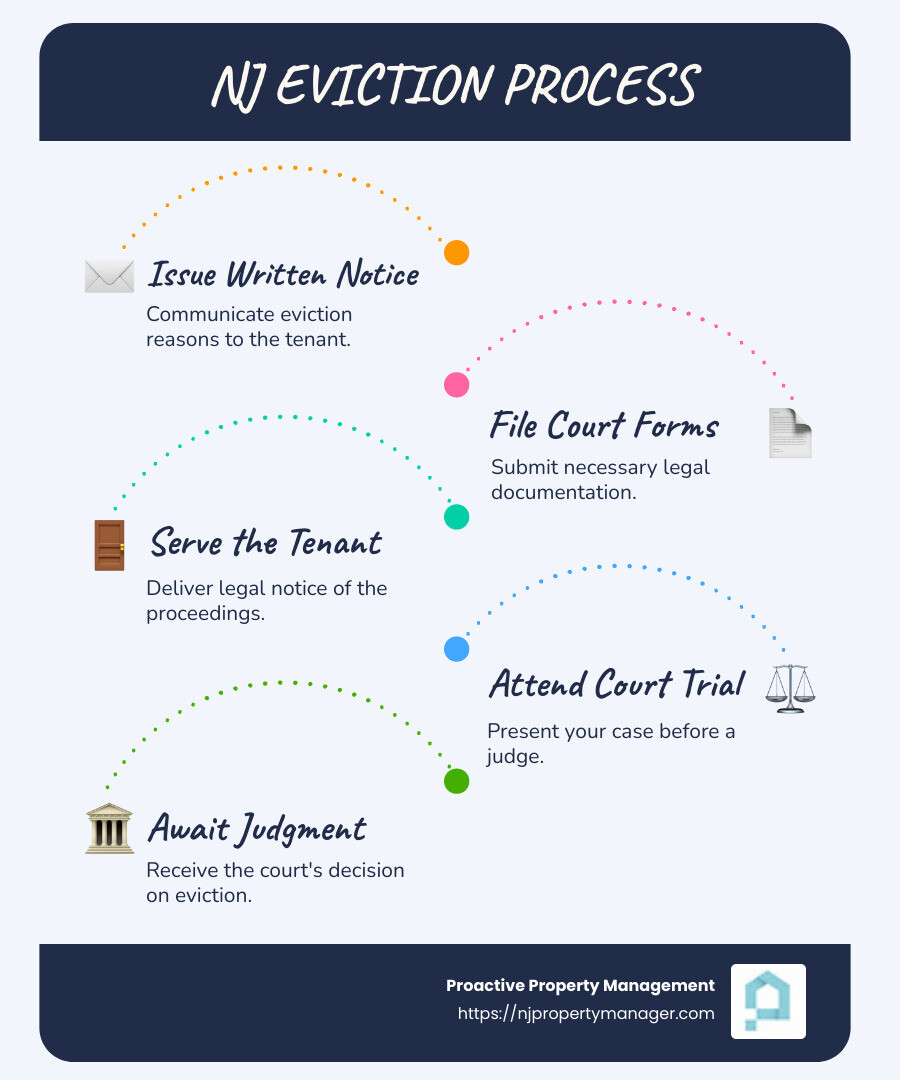
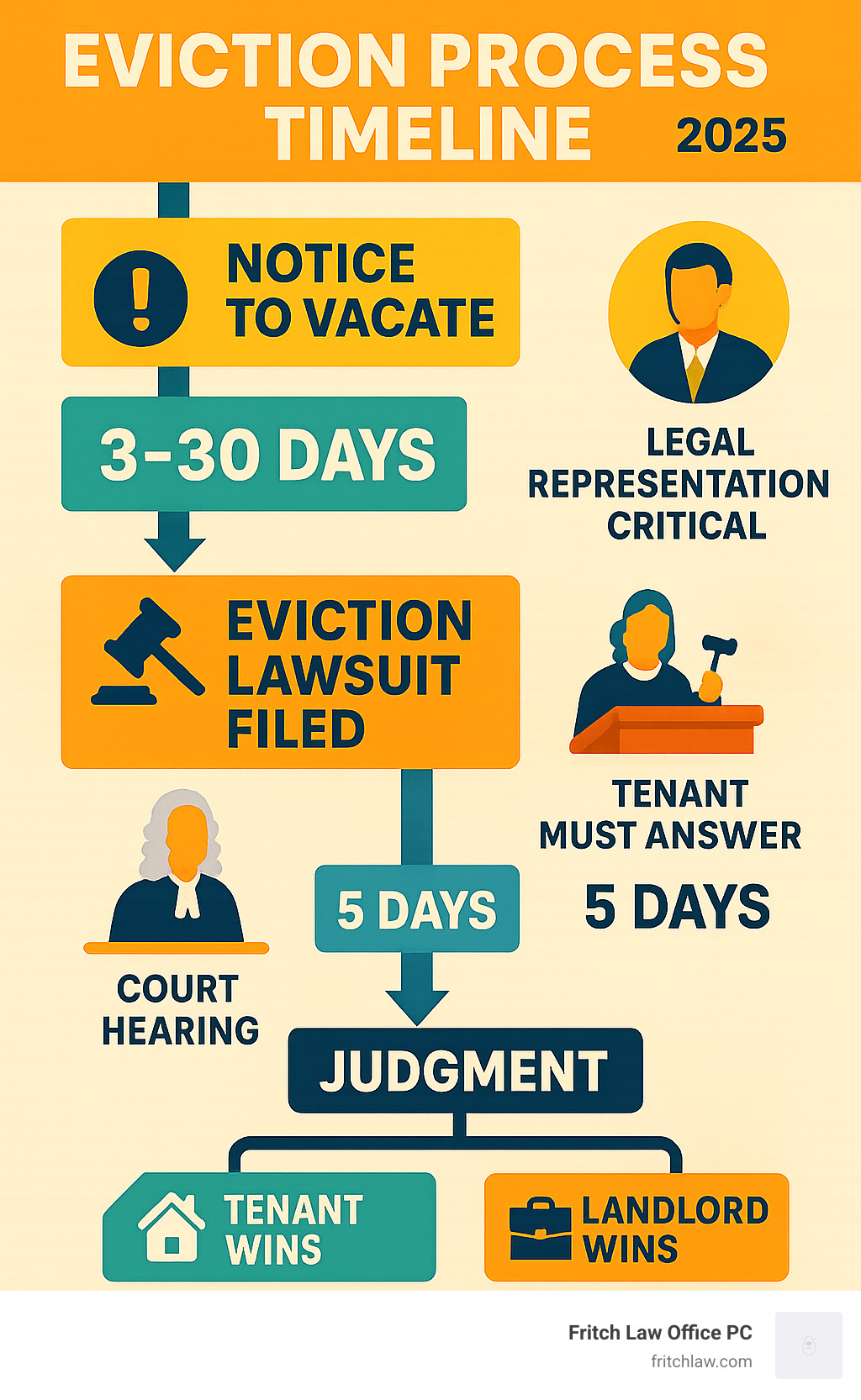
Before any judge sees your case, there’s the notice. This is the formal warning. And it’s where most mistakes happen. In 2026, the required notice periods vary wildly. Some states require a 3-day notice for non-payment of rent. Others demand 30 days for lease violations. If you’re a landlord and you send the wrong notice, or send it the wrong way (yes, certified mail matters), you’ve wasted weeks. Imagine waiting a month only to hear, "Sorry, you used the wrong form." That’s real life for many property owners who try to DIY this process.
For tenants, that notice period is your golden ticket. It’s not just a countdown to doom; it’s a chance to act. Did you get a 3-day notice in Ohio? Don’t panic, but do move. That’s three days to pay up, fix the violation, or start looking for a lawyer. In states with longer notice requirements, you have time to breathe, but don’t mistake breathing for sleeping. Use that time. Reach out to local legal aid. Check if the notice is valid. Sometimes, landlords bluff. Or sometimes, they just don’t know the law as well as they think they do. A invalid notice stops the clock dead in its tracks.
Also, consider the reason for the eviction. Non-payment is usually the fastest track. Lease violations, like having an unauthorized pet or too many occupants, can take longer because they often require proof and sometimes a chance to "cure" the violation. Illegal activities? Those notices are often shorter, but the court scrutiny is higher. The nuance here is critical. Understanding why you are being evicted tells you how much time you actually have. It’s not just about the number of days on the paper; it’s about what those days allow you to do.
Court Backlogs and Local Realities
Here’s a secret: the state law is only half the story. The other half is your local county court. You could be in a "fast" state, but if your specific county has a six-month backlog for hearing dates, guess what? You’re waiting six months. In 2026, this disparity is still a major factor. Urban centers like Los Angeles or New York City have notoriously clogged dockets. Rural counties might clear cases in a week. It’s a lottery of location. Landlords often underestimate this. They think filing the paperwork means the sheriff shows up tomorrow. Nope. You file, you wait for a date, you go to court, you wait for a judgment, you wait for the writ, and then you wait for the sheriff.
Tenants should know this too. If you need time, understanding your local court’s schedule can be a strategic advantage. If hearings are booked out for two months, that’s two months of housing security, provided you show up and follow procedure. However, relying on backlog is risky. Some courts have implemented emergency expedited tracks for certain types of cases, especially those involving safety hazards or severe lease breaches. So, don’t assume you have time just because the court is busy. Check the current status. Many courts now have online portals where you can see upcoming docket loads. It’s worth a look.
Costs also play a role here. Filing fees, service of process fees, and attorney costs add up. In slower jurisdictions, these costs balloon because of the extended timeline. For a small landlord, this can be prohibitive. For a tenant, the threat of accumulating debt can be overwhelming. This financial pressure often leads to settlements. Maybe the landlord agrees to let the tenant leave in exchange for dropping the eviction record. Maybe the tenant agrees to a payment plan. These deals happen in the shadows of the court system, driven by the sheer exhaustion of waiting. It’s messy, but it’s human.
When Tenants Fight Back
Not everyone rolls over. And honestly, why should they? If you believe the eviction is wrongful, fighting it is your right. But fighting changes the timeline dramatically. In a straightforward non-payment case where the tenant admits they didn’t pay, the hearing might take 15 minutes. The judge asks, "Did you pay?" Tenant says, "No." Judge says, "Eviction granted." Done. But if the tenant raises a defense—like the landlord failed to make repairs, or the notice was improper, or the rent was withheld legally due to habitability issues—the case gets complex.
This is where the 2-3 week timeline turns into 3-6 months. Motions get filed. Discovery happens. Witnesses are called. The judge needs time to review evidence. In states like California, this is common. Tenants have robust defenses available to them. In other states, defenses are narrower. But even a narrow defense buys time. Every motion filed requires a response. Every response requires a hearing. It’s a procedural dance that slows everything down. For landlords, this is frustrating. They want their property back. For tenants, it’s survival. It’s the difference between homelessness and having a roof while they search for the next place.
However, fighting without merit can backfire. If a judge sees that a tenant is just stalling, they might impose sanctions or accelerate the process. Plus, an eviction judgment on your record is hard to erase. Even if you win the case, the filing itself might show up on background checks unless it’s expunged. So, the decision to fight shouldn’t be taken lightly. It requires evidence, patience, and often, legal help. Pro bono services are stretched thin in 2026, so finding representation isn’t easy. But for those who qualify, it’s a lifeline. It levels the playing field, if only slightly.
The Final Step: The Sheriff and Lockout
So, the judge has ruled. The eviction is granted. Is it over? Not quite. This is the part that surprises people. The landlord cannot just change the locks. They cannot throw your stuff on the lawn. That’s illegal self-help, and it can land the landlord in hot water, including paying damages to the tenant. Instead, they must get a writ of possession. This is a court order directing the sheriff or constable to remove the tenant. And guess what? The sheriff has their own schedule.
In some counties, the sheriff will come out within 24 hours of receiving the writ. In others, you might wait two weeks. This final gap is crucial. It’s the last sliver of time. For tenants, it’s the absolute deadline. Pack. Move. Go. There are no more extensions. For landlords, it’s a waiting game. They’ve paid the fees, waited for the court, and now they wait for law enforcement. It’s anticlimactic. But it’s necessary. This step ensures that the removal is peaceful and lawful. It prevents violence. It protects property. It’s the state’s way of saying, "We handle this, not you."
During this phase, communication often breaks down completely. Landlords stop answering calls. Tenants stop answering doors. It’s a tense standoff. But remember, once the sheriff posts the notice of lockout, the clock is truly at zero. Ignoring it won’t make it go away. It just means you’ll be removed forcibly. And that’s a traumatic experience no one wants. Knowing this final step exists helps manage expectations. It’s not immediate, but it is inevitable if the judgment stands. Prepare for it. Don’t wait until the deputy knocks.
Whether you’re holding the lease or the keys, there are ways to navigate this mess with a bit more dignity. First, communicate early. Most evictions start because of silence. A tenant who says, "I’m short this month, but I’ll pay next week," is often treated differently than one who ghosts the landlord. Landlords, listen to that. Sometimes a payment plan is better than a $2,000 eviction process that takes three months. It’s basic math. But pride and anger often get in the way. Try to keep emotions out of the ledger.
Second, document everything. Texts, emails, letters, photos. If you’re a tenant, keep records of every repair request. If you’re a landlord, keep records of every notice sent. In court, he-said-she-said rarely wins. Paperwork wins. In 2026, digital trails are stronger than ever. Use them. Third, know your local resources. Legal aid societies, tenant unions, landlord associations. They exist for a reason. They offer templates, advice, and sometimes representation. Don’t try to be a lawyer if you aren’t one. You’ll likely miss a detail that costs you dearly.
Finally, have a backup plan. Tenants, start looking for new housing the moment you get a warning, not after the judgment. Landlords, screen tenants thoroughly to avoid this situation in the first place. Prevention is cheaper than cure. It’s cliché, but it’s true. Eviction is a failure of the rental relationship. It’s costly, stressful, and damaging for everyone involved. By staying proactive, organized, and humane, you can often avoid the courtroom altogether. And if you can’t, at least you’ll be prepared for the ride.
Navigating the eviction process in 2026 is less about memorizing statutes and more about understanding the human and logistical realities behind them. The timelines vary, yes, but the stress is universal. From the lightning-fast proceedings in Texas to the protracted battles in New York, the core issue remains the same: housing security. For landlords, it’s about protecting an investment. For tenants, it’s about protecting a home. Both are valid. Both are vital.
The key is to respect the process. It’s not designed to be easy, but it is designed to be fair—or at least, as fair as a legal system can be. By knowing what to expect, you remove the fear of the unknown. You replace panic with preparation. Whether you’re counting days or months, use that time wisely. Seek help. Stay calm. Keep your records. And remember, while the law dictates the timeline, your actions dictate the outcome. It’s a tough road, but you don’t have to walk it blindfolded.