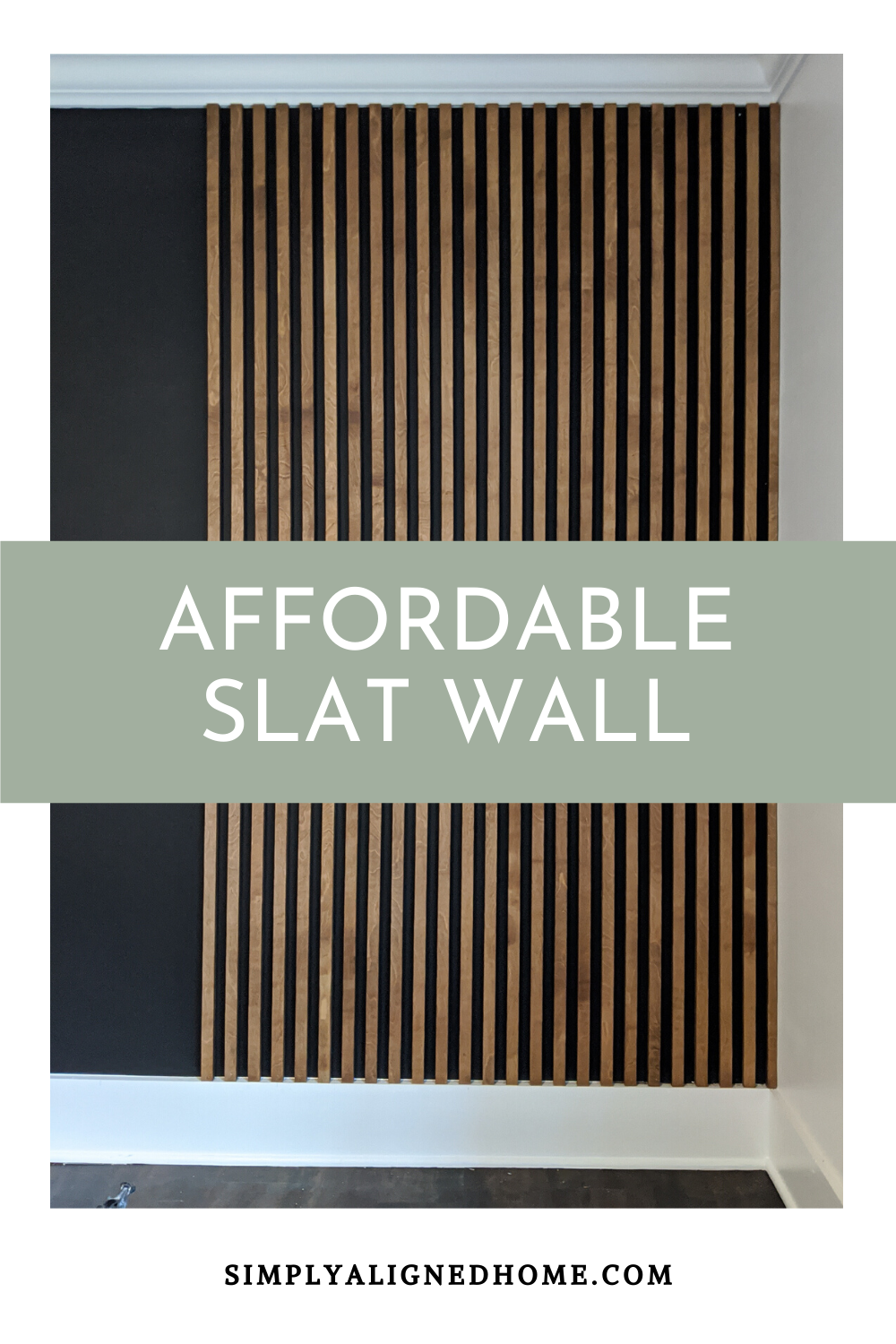
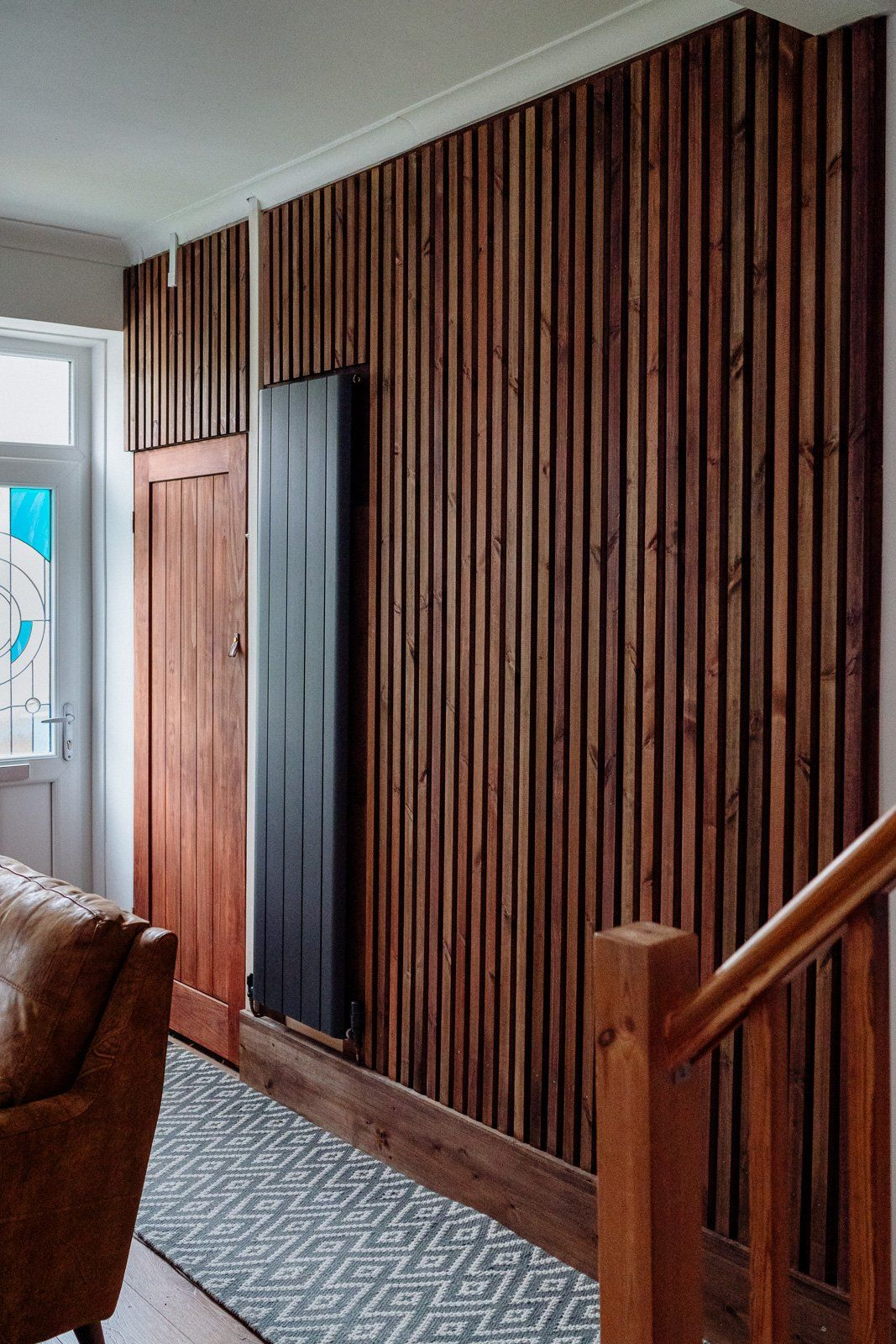
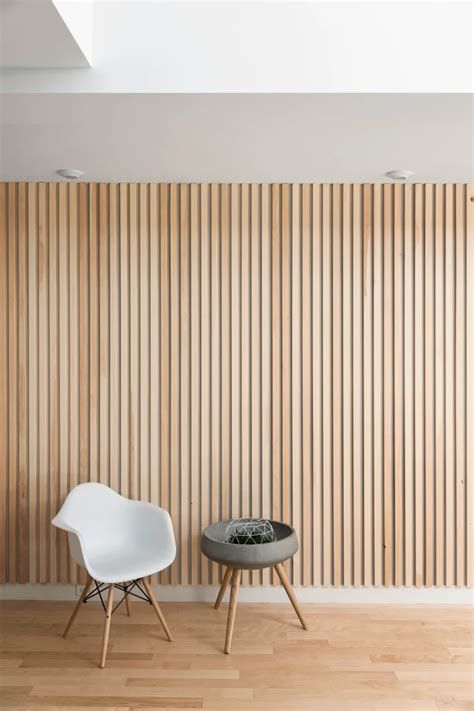
You’re standing in front of a blank wall. It’s flat. It’s boring. It’s screaming for some personality. You’ve seen those gorgeous, rhythmic wooden lines on Instagram or Pinterest—the ones that make a room feel warm, expensive, and oddly calming. You want that. But then you start digging into the details, and suddenly, it’s not just about "wood." It’s about veneer versus solid. It’s about MDF cores, PET felt, composites, and something called WPC. Your head starts spinning.
It’s okay to feel overwhelmed. The market in 2026 is flooded with options that look identical from five feet away but behave very differently once they’re on your wall. Do you go for the authentic touch of real wood veneer? Or do you opt for the low-maintenance, durable ease of composite slat panels? This isn’t just a design choice; it’s a lifestyle decision. One requires care and feeding; the other is practically indestructible. Let’s cut through the noise and figure out which one actually belongs in your home.
The Soul of the Material: What Are We Actually Talking About?
First, let’s clear up the confusion. When we say "real wood veneer," we aren’t talking about those flimsy stickers from the nineties that peeled off if you looked at them wrong. Modern veneer is a thin slice of actual hardwood—oak, walnut, ash—glued onto a stable core like high-density fiberboard (MDF) or plywood. It’s real wood. It has grain, pores, and imperfections. It breathes. If you run your hand across it, you feel the texture of the tree. It’s honest. In luxury residential projects and high-end hospitality design, this "material honesty" is exactly why designers still swear by it. It brings a warmth that synthetic materials struggle to replicate.
On the other side of the ring, we have composite slat panels. These are often what people mean when they talk about "acoustic slats." Typically, these consist of thin strips of wood veneer (or sometimes a printed laminate that looks like wood) mounted onto a backing of black acoustic felt (usually made from recycled PET plastic). But there’s another type gaining traction: Wood-Plastic Composites (WPC). These are engineered materials where wood fibers are mixed with plastics. They are tough, uniform, and don’t really care about humidity. While veneer is about authenticity, composite is about performance and consistency. It’s the difference between wearing a tailored wool suit and a high-tech athletic jacket. Both look sharp, but they serve different purposes.
The key takeaway here? Veneer is nature, refined. Composite is engineering, optimized. If you crave the story of the material—the fact that it came from a forest—veneer wins. If you want a product that looks perfect every single time and doesn’t warp if you leave a window open, composite might be your friend. It’s not about one being better; it’s about what you value more: the soul of the wood or the reliability of the build.
The Look and Feel: Texture, Grain, and Imperfection
Let’s talk aesthetics, because that’s probably why you’re here. Real wood veneer has depth. Because it’s a natural product, no two sheets are exactly alike. You’ll get color variations, mineral streaks, and knots. For many, this is the selling point. It feels alive. In a living room or a bedroom, this variability adds character. It stops the space from feeling like a showroom and makes it feel like a home. However, this also means you have to accept inconsistency. If you’re a perfectionist who wants every slat to match perfectly, veneer might drive you crazy. You’ll see differences in tone from panel to panel. That’s not a defect; it’s nature.
Composite panels, especially the high-quality ones available in 2026, have come a long way. The printed finishes on laminates are incredibly realistic now. From a distance, you’d be hard-pressed to tell them apart from real wood. Up close? Well, that’s where the illusion breaks. The grain is repetitive. It lacks the tactile depth of real timber. But here’s the twist: for some designs, that uniformity is a feature, not a bug. If you’re doing a large commercial space or a sleek, minimalist modern interior, the consistent look of composite can create a cleaner, more controlled visual rhythm. It’s predictable. And in design, predictability can be soothing.
Then there’s the acoustic felt backing on most slat panels. This adds a layer of visual contrast—the dark gaps between the wood strips create shadow lines that emphasize the texture. Whether you choose real veneer slats or composite slats, this structure changes how light hits the wall. It creates depth. But remember, if you go with real veneer slats, you’re getting that natural wood texture plus the shadow play. With composite, you’re mostly getting the shadow play and a printed texture. If you’re someone who likes to touch your walls (and let’s be honest, we all do), the real wood will always feel warmer and more inviting under your fingertips.
Durability and Maintenance: The Daily Reality
Here’s where the rubber meets the road. How much work do you want to do? Real wood veneer is delicate. It’s thin. If you scratch it, you’ve scratched the wood. If you spill red wine on it and leave it, it might stain. It needs to be sealed, usually with a lacquer or oil finish, and even then, it’s not invincible. In a hallway with kids running around with toy cars, or a dining room where spills happen, veneer requires vigilance. You need to coasters. You need to be careful. It’s like owning a classic car; it’s beautiful, but you don’t take it off-roading.
Composite panels, particularly WPC or high-pressure laminates, are tanks. They resist scratches, moisture, and stains far better than natural wood. You can wipe them down with a damp cloth and a mild cleaner without worrying about damaging the finish. This makes them ideal for high-traffic areas, kitchens, bathrooms, or even exterior cladding if you’re looking at outdoor options. In 2026, with busy lifestyles being the norm, the low-maintenance aspect of composite is a huge selling point. You install it, and then you basically forget about it. It doesn’t warp in humidity. It doesn’t fade as quickly in sunlight. It just sits there, looking good, asking for nothing.
But don’t think veneer is hopeless. It’s durable enough for most residential uses if you treat it with respect. And if it does get damaged? It can be sanded and refinished, though with thin veneer, you only have so many chances before you hit the core. Composite, on the other hand, can’t really be repaired. If you dent it or scratch it deeply, you’re replacing the panel. So, it’s a trade-off: veneer offers repairability but requires care; composite offers resistance but demands replacement if things go wrong. Think about your daily life. Are you neat? Do you have pets? Do you live in a humid climate? These factors matter more than you think.
Acoustics and Function: More Than Just Pretty Walls
One of the biggest reasons slat panels exploded in popularity is sound. Hard, flat walls bounce sound around, making rooms echoey and loud. Slat panels, with their grooved structure and acoustic backing, help break up those sound waves. But not all panels are created equal. Most slat panels, whether veneer or composite, use a backing of PET felt. This felt is porous and absorbs mid-to-high frequency sounds. It’s great for reducing that "clattery" feel in a dining room or a home office. It makes conversations clearer and TV audio crisper.
However, the core material matters too. Real wood veneer panels mounted on MDF cores tend to be denser and heavier. This mass helps block sound transmission (stopping noise from going through the wall) slightly better than lighter composite options. But for pure absorption (stopping echo within the room), the thickness of the felt backing is key. In 2026, you’ll see options with 9mm felt versus 15mm felt. Thicker felt equals better absorption. Whether you choose real wood or composite slats, make sure you’re paying attention to the backing. A cheap panel with thin, sparse felt won’t do much for your acoustics, regardless of how nice the wood looks.
If you’re building a home theater, a podcast studio, or just a quiet reading nook, the acoustic benefit is a major bonus. But don’t expect miracles. These panels aren’t professional-grade soundproofing. They’re ambient noise reducers. They take the edge off. Real wood veneer slats often feel more "premium" in this context because the wood itself resonates slightly differently, adding a warmth to the room’s sound profile that plastic-based composites can’t quite mimic. It’s subtle, but audiophiles and designers notice it. If you’re just trying to stop your living room from sounding like a gymnasium, either option will work, provided the felt backing is decent quality.
Cost and Installation: What’s the Damage?
Let’s talk money. Generally, real wood veneer panels are more expensive than composite or laminate alternatives. Why? Because you’re paying for a natural resource that takes decades to grow, plus the skilled labor required to slice and bond it without breaking. The price gap has narrowed a bit in recent years as manufacturing has improved, but veneer is still the premium option. You’re also paying for the uniqueness. Each batch is different. Supply chains for specific wood species can fluctuate, affecting cost. If you’re on a tight budget, veneer might force you to compromise on the size of the area you can cover.
Composite panels are typically more affordable. They’re manufactured in controlled environments, using recycled materials and engineered processes that scale easily. This consistency keeps costs down. Plus, they’re often lighter, which can save on shipping. But the real savings might come in installation. Many composite slat panels are designed with DIY-friendly click-lock systems or simple adhesive backs. They’re forgiving. If you cut them slightly wrong, it’s less likely to ruin the whole look because the pattern is uniform. Real wood veneer requires more precision. You have to match grains. You have to be careful with adhesives so they don’t bleed through. Mistakes are costlier.
That said, don’t underestimate the value of professional installation for veneer. A bad install can make expensive wood look cheap. Gaps, misaligned grains, or visible glue lines ruin the effect. Composite is more forgiving for the weekend warrior. If you’re handy and want to save on labor costs, composite might be the smarter financial play. But if you’re hiring a pro anyway, the labor cost might be similar, leaving the material cost as the main differentiator. Always get samples. Not just to see the color, but to test how easy they are to cut and handle. Your installer’s opinion on the material matters too. Some carpenters love working with wood; others prefer the ease of composites.
Sustainability and Ethics: The Hidden Impact
We can’t talk about wood in 2026 without talking about the planet. Real wood veneer is often marketed as the eco-friendly choice because it uses less wood than solid lumber. One log can produce thousands of square feet of veneer. That’s efficient. But you need to check the source. Is it FSC-certified? Does it come from responsibly managed forests? The adhesives used in the MDF core can also be a concern, though many manufacturers now use low-VOC or formaldehyde-free glues. Veneer is biodegradable at the end of its life, assuming the core isn’t full of toxic resins. It’s a natural product returning to the earth.
Composite panels have a complex sustainability story. On one hand, many use recycled PET felt (from plastic bottles) and recycled wood fibers. That’s great for keeping waste out of landfills. WPC products also last longer, meaning you replace them less often. But they are harder to recycle at the end of their life. Mixing plastic and wood fibers creates a material that doesn’t easily separate back into raw components. So, while they might have a lower initial carbon footprint due to recycled content, their end-of-life impact is trickier. It’s a trade-off between renewable resources (wood) and waste reduction (recycled plastic).
Your choice here depends on what values you prioritize. If you want a natural, biodegradable material and can verify responsible sourcing, veneer is a strong ethical choice. If you want to support the circular economy by using recycled plastics and ensuring long-lasting durability, composite has merit. There’s no perfect answer. But transparency is key. Ask manufacturers about their supply chains. Ask about the glue. Ask about the recycled content. The more you know, the better you can align your purchase with your conscience. Don’t just buy the "green" label; dig into what it actually means for that specific product.
So, where does this leave you? Standing in front of that blank wall, hopefully with a bit more clarity. If you’re designing a space where emotion, warmth, and authenticity are the top priorities—like a master bedroom, a cozy library, or a high-end boutique hotel lobby—real wood veneer is worth the investment. It brings a soul to the room that synthetics can’t fake. You’re willing to care for it. You appreciate the variations. You want to connect with nature inside your home. It’s a choice for the romantic, the purist, and the patient.
But if you’re outfitting a busy family home, a rental property, a commercial office, or a humid bathroom, composite slat panels are the pragmatic hero. They’re tough, consistent, and easy to live with. You don’t have to worry about every little scratch. You get a clean, modern look without the anxiety. It’s a choice for the realist, the busy parent, and the practical designer. Neither choice is wrong. They’re just different tools for different jobs.
Take a deep breath. Order samples. Hold them in your hands. Look at them in your light, at different times of day. Imagine your life happening around them. Spills, kids, parties, quiet mornings. Which material feels like it can handle your life? Which one makes you smile when you look at it? That’s your answer. Trust your gut, but arm it with facts. You’ve got this.