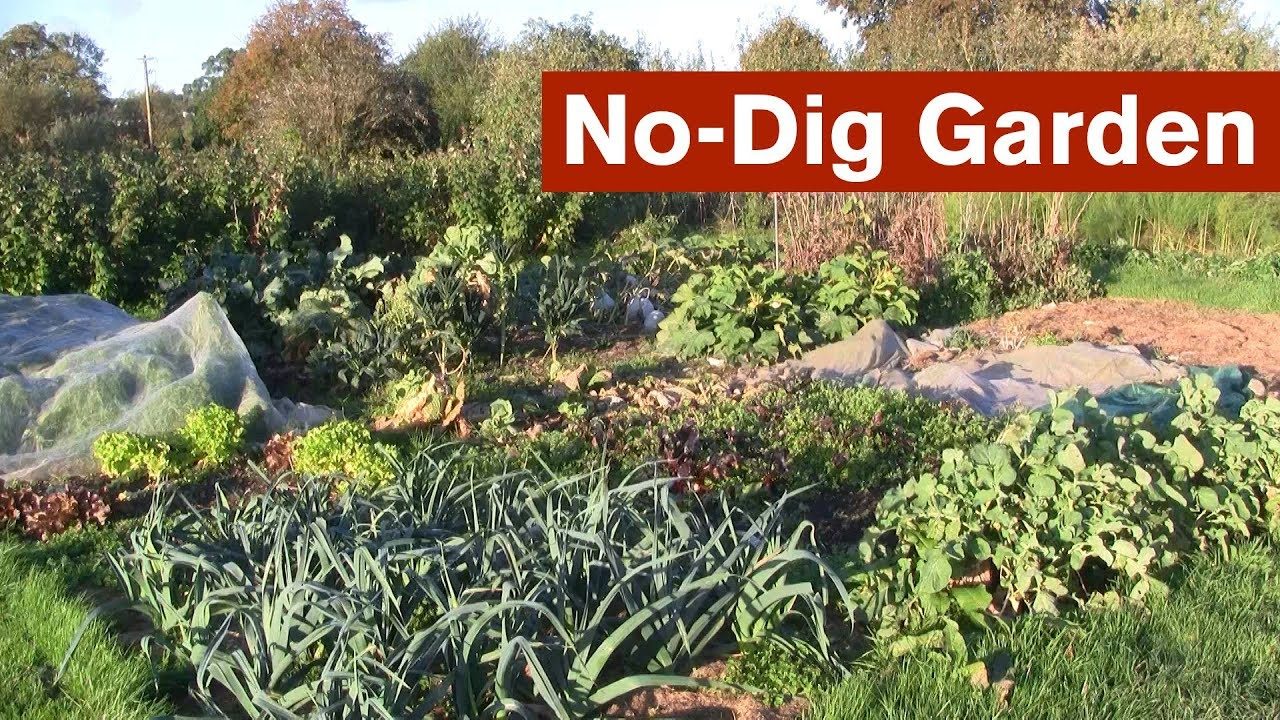
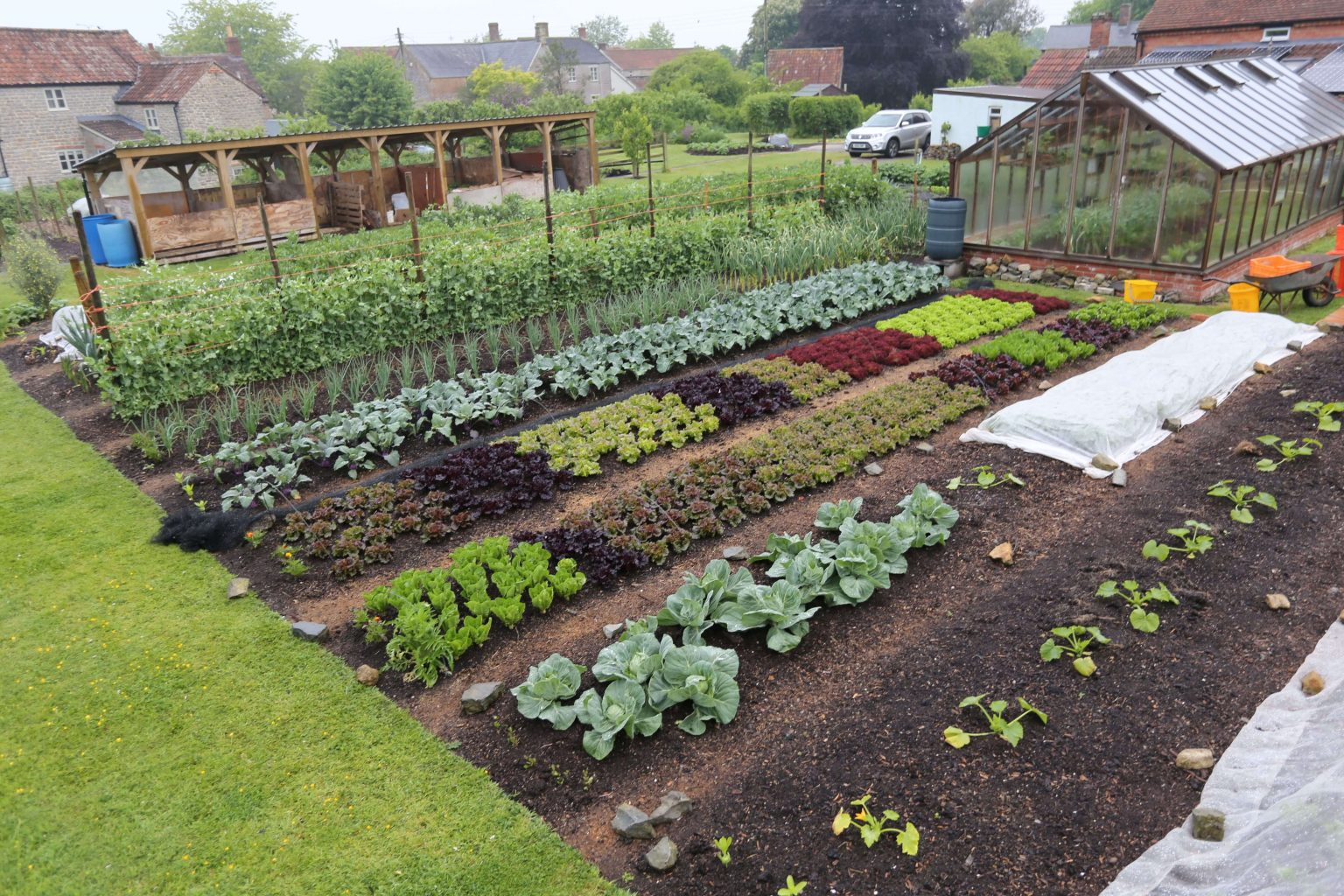
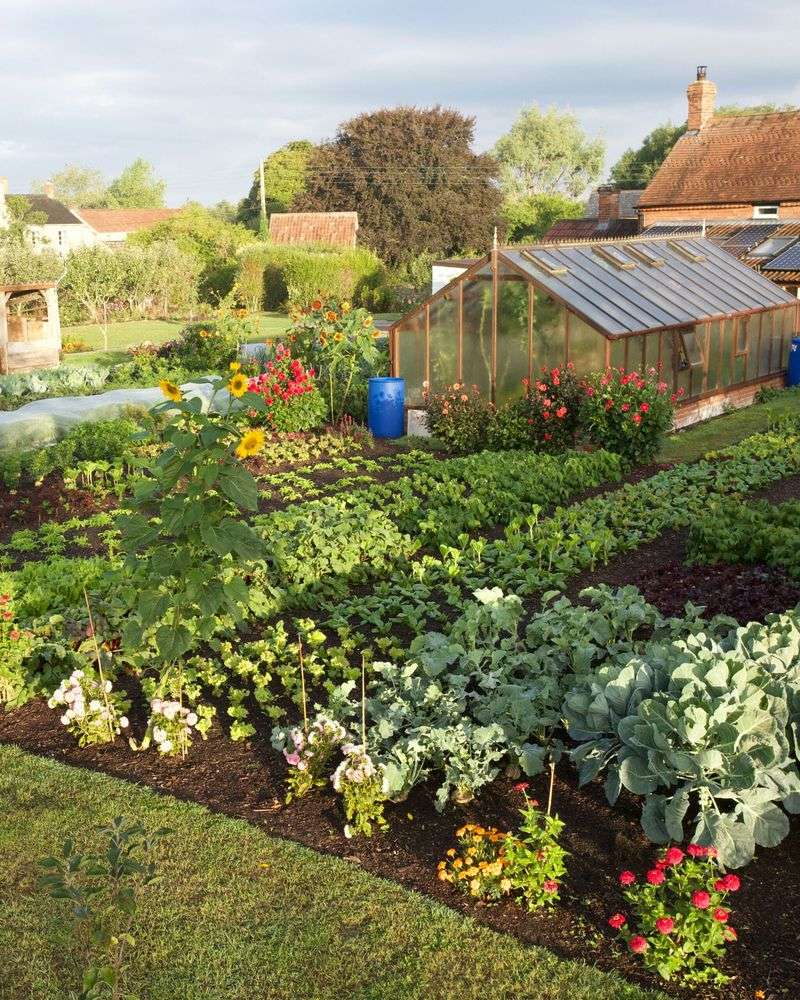
You remember that feeling, don’t you? The one where you’re standing over a patch of ground that looks more like concrete than earth. It’s dry, it’s cracked, and the idea of turning it over with a spade makes your lower back ache just thinking about it. For decades, we were told that good gardening meant hard labor. We were taught to dig, till, and churn the earth until our arms burned. But here we are in 2026, and the secret is finally out: digging is actually hurting your soil.
It feels counterintuitive at first. We want to fix things by doing something active. But nature doesn’t dig. Nature layers. Think about a forest floor. Leaves fall, branches drop, animals pass through, and over time, that mess becomes the richest soil on the planet. No shovels required. By switching from digging to layering, you aren’t just being lazy (though let’s be honest, it’s nice); you are working with biology instead of against physics. This shift changes everything. It turns gardening from a chore into a conversation with the land.
So, why are so many of us making this switch right now? Because it works. And because in a world that feels increasingly chaotic, there is something deeply calming about letting natural processes do the heavy lifting for you. You stop fighting the weeds and start feeding the worms. You stop worrying about perfect rows and start building a living ecosystem. Let’s talk about how you can start today, without buying a single new tool.
Why Your Spade Is the Enemy of Good Soil
For years, the standard advice was to turn the soil every spring. The logic was that it aerated the ground and mixed in nutrients. But we now know that tilling destroys the very structure that makes soil healthy. When you dig, you break up the tiny, thread-like networks of fungi called mycorrhizae. These fungi are the internet of the soil world. They connect plant roots, helping them share nutrients and water. When you shred those connections with a shovel, you’re cutting the phone lines.
In 2026, with heatwaves becoming more common and rainfall patterns shifting, soil structure is more important than ever. Undisturbed soil holds water like a sponge. Tilled soil compacts and runs off. By stopping the digging, you allow those fungal networks to grow deep and wide. They create stable aggregates—little clumps of soil that hold air and water. This is the "glue" that keeps your garden resilient. If you’ve ever noticed your plants wilting quickly after a hot day, it’s likely because the soil structure has been broken down by years of cultivation.
Think of it this way: would you shake up a snow globe and expect the scene inside to stay clear? That’s what tilling does. It creates chaos. Layering, on the other hand, builds stability. It allows earthworms to do their job. Earthworms are nature’s plows, but they work gently. They pull organic matter down, creating channels for air and water without destroying the microbial life. When you stop digging, you invite them in. And trust me, a garden full of worms is a garden that takes care of itself.
The Lasagna Method: Building Beds from Scratch
If you have a patch of grass or weeds where you want a garden, you don’t need to strip it away. You just need to cover it. This is often called lasagna gardening because you build it in layers, just like the pasta dish. It’s simple, effective, and requires zero digging. Start by mowing the area as low as you can. Don’t remove the clippings; just leave them there. They are your first layer of green material.
Next, cover the entire area with cardboard or thick newspaper. This is the most critical step. The cardboard blocks light, which kills the grass and weeds underneath. But more importantly, it acts as a barrier that eventually breaks down, allowing roots to penetrate deeper. Make sure the cardboard overlaps by at least six inches so weeds can’t sneak through the gaps. Wet it down thoroughly. A dry cardboard layer won’t decompose properly, and it might blow away. You want it soggy, like a wet dog.
Now comes the fun part: adding the layers. Alternate between "browns" (carbon-rich materials like dried leaves, straw, or shredded paper) and "greens" (nitrogen-rich materials like kitchen scraps, fresh grass clippings, or coffee grounds). Start with a thick layer of compost if you have it, then add your browns and greens. Aim for about four to six inches of total material. It might look like a messy pile at first, but don’t worry. Over the next few months, this pile will shrink dramatically as it decomposes. By the time you’re ready to plant, it will have turned into dark, crumbly, beautiful soil.
Choosing the Right Materials for Your Layers
One of the biggest questions people have is, "What can I use?" The answer is: almost anything organic. In 2026, we are more aware than ever about waste, and layering is a great way to recycle yard and kitchen waste. Brown materials provide carbon, which gives energy to the microbes. Think fallen leaves, straw, hay, shredded newspaper, and even old cotton clothes (if they are natural fiber). Avoid glossy paper or colored inks, as they can contain toxins.
Green materials provide nitrogen, which helps build protein for the microbes. This includes vegetable peelings, fruit scraps, coffee grounds, tea bags, and fresh grass clippings. Coffee grounds are particularly powerful. They are acidic and rich in nitrogen, making them a favorite for earthworms. If you have access to local coffee shops, ask for their used grounds. It’s free fertilizer that boosts the microbial activity in your layers. Just don’t use too much at once, or it can get slimy. Mix it with browns.
Avoid meat, dairy, and oily foods in your layers. These can attract pests like rats and raccoons, and they smell bad as they decompose. Stick to plant-based materials. Also, be careful with weeds that have gone to seed. If you put seeded weeds in your layer, you might just be planting a future weed problem. However, if the layer gets hot enough during decomposition, it might kill the seeds. When in doubt, throw them in the municipal green bin instead. The goal is to feed the soil, not frustrate yourself later.
Timing and Maintenance: The Art of Doing Less
Here is the hardest part for most gardeners: waiting. When you first build a lasagna bed, it looks high. It looks messy. You might feel the urge to tidy it up or dig into it to see what’s happening. Resist that urge. The decomposition process takes time. In warmer climates, it might take three to four months. In cooler areas, it could take six. The best time to start is in the fall, so the bed is ready for spring planting. But you can start anytime.
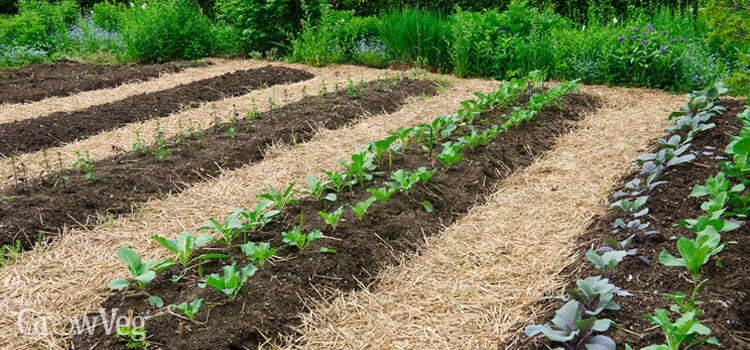
Maintenance in a no-dig garden is minimal. You don’t need to weed often because the cardboard suppresses most growth. If a weed does pop through, just pull it. The soil is loose, so it comes out easily. You also don’t need to fertilize heavily. The layers are slowly releasing nutrients as they break down. If you want to boost the process, you can add a thin layer of compost on top every season. This is called "top-dressing." It mimics the natural leaf fall in a forest.
In 2026, many gardeners are adopting a "stop hovering" protocol. This means resisting the DIY instinct to constantly fix or tweak the garden. Let the soil breathe. Let the microbes work. If you see white threads in the soil, that’s a good sign. Those are fungal hyphae, the glue holding your soil together. They prevent erosion and help retain moisture during those intense summer heatwaves. If you keep digging, you kill them. If you keep layering, you feed them. It’s a simple choice with huge results.
Dealing with Clay and Compacted Soils
Clay soil is tough. It’s dense, heavy, and drains poorly. Many people think the only way to fix it is to till in sand or gypsum. But tilling clay often makes it harder, creating a concrete-like slab when it dries. Layering is the gentle antidote. By placing organic matter on top, you encourage earthworms to pull it down into the clay. As they move through the soil, they create channels that improve drainage and aeration.
The Amish Humus Layering Method, which has gained popularity recently, is a testament to this. It focuses on building humus—the stable, organic part of soil—through consistent layering of manure, straw, and leaves. This method turns rock-hard clay into rich, black, crumbly soil without back-breaking labor. It takes patience, but the results are permanent. Unlike tilling, which needs to be done every year, layering builds soil health that lasts.
If you have existing clay beds, you can still switch to no-dig. Just stop tilling. Add a thick layer of compost and mulch on top each year. Over time, the boundary between the clay and the organic matter will blur. Roots will follow the worm channels deeper into the ground. You’ll notice that after a rain, your clay soil doesn’t stay soggy for days anymore. It absorbs water faster. That’s the power of structure. You aren’t changing the clay particles; you’re changing how they interact.
So, how do you actually plant in this layered mess? It’s easier than you think. For small seeds, you’ll want to add a thin layer of fine compost or potting mix on top of your mulch. This gives the tiny seeds a soft place to germinate. For larger transplants like tomatoes or peppers, you just push aside the mulch, make a hole in the compost layer, and plant directly into the soil below. The roots will quickly move into the rich, undisturbed earth beneath.
Harvesting is also simpler. Because the soil is loose and friable, root vegetables like carrots and potatoes come out clean and straight. There’s no hard pan to twist them into weird shapes. You’ll likely find that your plants are healthier and more resistant to pests. Healthy soil produces healthy plants, and healthy plants have their own defense systems. You might still get some bugs, but you won’t have the catastrophic losses that come from stressed plants.
As you continue to garden this way, you’ll notice a change in your relationship with the land. It becomes less about control and more about partnership. You provide the materials; nature provides the magic. In 2026, this approach isn’t just a gardening trend; it’s a necessity for sustainable living. It saves water, reduces waste, and sequesters carbon. And it gives you more time to sit on your porch and enjoy the view. After all, isn’t that why we started gardening in the first place?
The journey to rich soil doesn’t require a strong back. It requires a shift in perspective. By stopping the digging and starting the layering, you align yourself with the natural rhythms of the earth. You build resilience against climate extremes. You create a habitat for life. And you get to grow food that tastes better because it was grown in soil that was allowed to be alive. So, put down the shovel. Pick up a box of cardboard. And let’s start building something better, one layer at a time.