Ever feel like you’re living in a fishbowl? You step out onto your patio with a cup of coffee, hoping for a quiet moment, and suddenly you spot movement next door. A neighbor glancing over the fence. A kid playing catch who seems to be aiming right at your sun lounger. It’s exhausting. We all crave that sense of sanctuary, a place where we can just be without feeling watched. But building a solid wood fence is expensive, often ugly, and frankly, it can make your yard feel smaller than it is.
That’s where nature steps in. In 2026, the trend isn’t just about blocking views; it’s about creating living walls that breathe, smell good, and actually improve your mental health. The best part? You don’t have to wait decades for them to grow. Thanks to improved horticultural varieties and smarter planting techniques, you can get serious coverage in just a couple of seasons. Imagine turning that exposed, awkward strip of lawn into a lush, green fortress that keeps the world at bay. It’s not magic, it’s just picking the right plant for the job.
Let’s be real though. Not every tree is created equal. Some grow fast but drop leaves everywhere. Others get so wide they eat your entire garden. And some? Well, they die if you look at them wrong. So, how do you choose? We’ve dug into the latest data from growers and landscaping pros to bring you the definitive guide on stopping those prying eyes with style. Whether you have a tiny urban plot or a sprawling suburban backyard, there’s a fast-grower here that fits your life.
The Speed Demons: Leyland Cypress and Green Giant Arborvitae
If you need privacy yesterday, these two are your go-to guys. They are the heavy lifters of the privacy world. The Leyland Cypress is legendary for a reason. It can shoot up three to four feet in a single year. That’s insane growth. I’ve seen bare patches of dirt transform into six-foot walls in under eighteen months. It creates a thick, dense barrier that blocks not just sightlines, but also street noise. It’s an evergreen, so you get that protection winter and summer. But here’s the catch: it needs room. If you plant them too close to your house, their roots might cause issues later. Give them space to breathe.
Then there’s the Green Giant Arborvitae. This one is a bit more forgiving. It’s a hybrid, basically the best bits of two different cedar species mixed together. It grows almost as fast as the Leyland—about three feet a year—but it’s way more resistant to disease and deer. If you live in an area where wildlife loves to snack on your landscaping, this is your hero. It stays narrow, which is huge for smaller yards. You don’t want a tree that spreads out twenty feet wide when you only have ten feet of space. The Green Giant stays columnar, reaching high without getting bulky. Plus, it smells amazing when the sun hits it.
Both of these options are low maintenance once they’re established. You really just need to water them regularly in the first year. After that, they’re pretty tough. Just remember, because they grow so fast, you might need to trim them once or twice a year to keep them neat. If you let them go wild, they can look a bit shaggy. But a quick trim with hedge shears keeps them looking sharp and professional. It’s a small price to pay for instant solitude.
The Narrow Champions: Emerald Green and Sky Pencil Holly
Sometimes, you don’t have the width for a massive tree. Maybe you’re dealing with a slim side yard or a tight boundary line. That’s where the narrow specialists come in. The Emerald Green Arborvitae is a classic for a reason. It only gets about three to four feet wide but can reach twelve to fifteen feet tall. It’s like a natural pencil skirt for your property line. Elegant, slim, and effective. It doesn’t require much trimming to keep its shape, which saves you time on weekends. The foliage is a bright, vibrant green that looks fresh even in the dead of winter.
On the other hand, if you want something a bit more formal, check out the Sky Pencil Holly. This thing is weirdly vertical. It grows straight up like a column, barely spreading out at all. It’s perfect for those super tight spots where even the Emerald Green might be too wide. It’s also an evergreen, so you get year-round coverage. The leaves are glossy and dark green, giving your yard a polished, upscale look. It’s slower growing than the cypress varieties, maybe one to two feet a year, but it’s incredibly dense. You won’t see through this one at all.
One thing to note with holly is that it can be prickly. That’s actually a bonus if you’re trying to keep pets or kids from running into the boundary. It acts as a gentle deterrent. Just make sure you wear gloves when you’re pruning it. These narrow trees are great for layering too. You can plant a row of them close together to create an impenetrable wall that still feels light and airy because of the vertical lines. It’s less oppressive than a solid fence and adds a lot of architectural interest to your landscape design.
The Flowering Beauties: Crape Myrtle and Magnolia
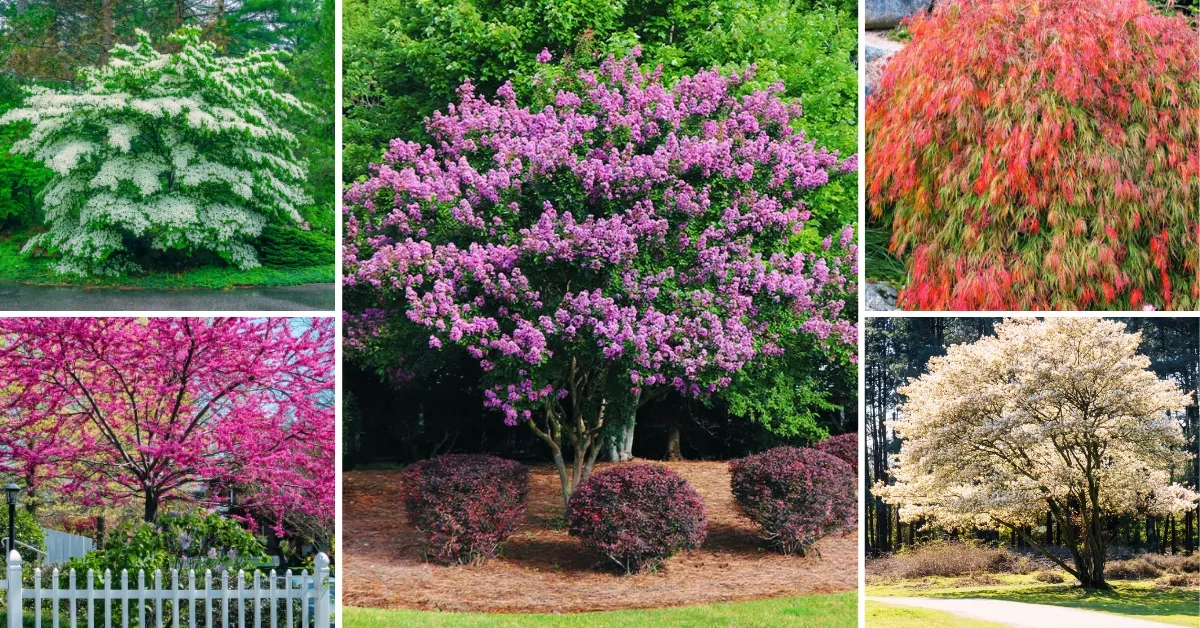
Who says privacy has to be boring green? If you want to block the neighbors while adding a splash of color, flowering trees are the way to go. The Crape Myrtle is a superstar in warmer climates. It grows fast, especially the newer varieties bred for speed. Some can put on two to three feet of growth annually. But the real draw is the blooms. In summer, they explode with pink, purple, red, or white flowers. It turns your privacy screen into a garden feature. People will stop staring because they’re too busy admiring the flowers.
Then there’s the Southern Magnolia. Okay, this one is a bit slower, but it’s worth mentioning for its sheer presence. The leaves are huge, thick, and glossy. They create a solid visual block that’s hard to see through. And the flowers? Massive, creamy white, and they smell like heaven. It’s a statement tree. If you have the space, planting a few of these along your border creates a luxurious, resort-like vibe. It’s not just about hiding; it’s about elevating your outdoor experience. In 2026, homeowners are increasingly choosing trees that offer multi-sensory benefits, and the Magnolia delivers on scent, sight, and sound dampening.
The downside with flowering trees is that many are deciduous, meaning they lose their leaves in winter. If winter privacy is crucial for you, stick to the evergreens or mix these in with some taller shrubs. However, the trade-off is beauty. A blooming Crape Myrtle hedge is a joy to behold. It attracts pollinators too, so you’ll get bees and butterflies dancing around your private oasis. It makes the yard feel alive. Just make sure you pick a variety that suits your hardiness zone. Some Crape Myrtles are tougher against cold than others, so check the tag before you buy.
The Tough Guys: Bamboo and Clumping Varieties
Wait, bamboo isn’t a tree. True. But it acts like one when it comes to privacy, and it’s arguably the fastest screen you can install. We’re talking inches per day in peak season. If you have a major exposure problem, bamboo is the nuclear option. It creates a dense, jungle-like wall that nothing gets through. But—and this is a big but—you have to be careful. Running bamboo can take over your yard and your neighbor’s yard and possibly the next county over. It’s invasive if not managed.
That’s why in 2026, everyone is recommending clumping bamboo. Varieties like ‘Emerald Bamboo’ or ‘Alphonse Karr’ stay in a nice, tight cluster. They don’t send runners everywhere. You get the height and density without the nightmare of containment barriers. Clumping bamboo can reach fifteen to twenty feet tall depending on the species. It’s elegant, with slender stalks and feathery leaves that rustle in the wind. That sound is incredibly soothing. It masks neighborhood noise better than almost any other plant.
Maintenance is key here. Bamboo needs water. Lots of it. If it dries out, the leaves curl and look sad. But if you keep it hydrated, it’s virtually indestructible. It doesn’t have many pests. It’s also great for modern, minimalist landscapes. The vertical lines of the stalks look clean and contemporary. Just give it a dedicated bed with good soil. Don’t try to squeeze it into a tiny pot unless you’re prepared to baby it. When done right, a bamboo screen feels exotic and secluded, like you’ve stepped into a different world.
The Native Heroes: Red Cedar and Hickory
There’s a growing movement towards native plants, and for good reason. They support local ecosystems, require less water, and are adapted to your specific climate. The Eastern Red Cedar is a fantastic native option for privacy. It’s an evergreen, so you get year-round coverage. It’s also incredibly tough. Drought? No problem. Poor soil? It doesn’t care. Deer usually leave it alone because of the strong scent. It grows moderately fast, about one to two feet a year, but it fills out densely from the bottom up. Many fast-growers get leggy at the base, but the Red Cedar stays full.
Another underrated native is the Shagbark Hickory or similar fast-growing oaks if you have the space. While technically deciduous, their branching structure is so dense that they provide excellent screening in spring, summer, and fall. In winter, you lose the leaves, but the intricate branch pattern still offers a degree of visual obstruction. More importantly, these trees are powerhouses for biodiversity. Birds love them. By planting natives, you’re not just hiding from your neighbors; you’re inviting wildlife in. It changes the feel of your yard from a sterile box to a living habitat.
Native trees also tend to have deeper root systems, which means they’re less likely to knock over in a storm compared to some of the faster, shallower-rooted hybrids. Stability matters. You don’t want your privacy screen falling on your deck during a windy night. Plus, many municipalities offer rebates or incentives for planting native species. It’s worth checking with your local extension office. You might save money while doing something good for the environment. It’s a win-win that feels responsible and grounded.
Picking the right tree is only half the battle. How you plant them determines how fast they work. The biggest mistake people make is planting too far apart. If you want a solid wall, you need to stagger your plants. Think of it like bricklaying. If you plant them in a straight line, there will be gaps. If you zig-zag them, the branches interlock faster. For most privacy trees, spacing them about half their mature width apart is a good rule of thumb. So if a tree gets ten feet wide, plant them five feet apart. It sounds close, but trust me, you want that density.
Timing is everything too. Plant in the early spring or fall. Avoid the heat of summer if you can. Young trees are stressed enough without fighting a heatwave. And water, water, water. The first two years are critical. Even drought-tolerant trees need consistent moisture to establish their roots. Use mulch around the base to retain that moisture and keep weeds down. Weeds compete for nutrients, and you want all that energy going into your privacy screen. A thick layer of wood chips also looks neat and finished.
Don’t forget about the soil. Most fast-growing trees hate wet feet. If your yard drains poorly, consider raised beds or mounding the soil up before planting. Root rot will kill your privacy dreams faster than anything else. A simple percolation test can save you a lot of heartache. Dig a hole, fill it with water, and see how fast it drains. If it sits there for hours, you’ve got clay. Amend it with compost or choose trees that like wet conditions, like certain willows or cypresses. Tailoring your approach to your specific site conditions ensures your investment pays off.
So, there you have it. You don’t have to live with the feeling of being watched. Whether you choose the lightning-fast Leyland Cypress, the elegant Sky Pencil Holly, or the eco-friendly Eastern Red Cedar, you have options. The key is to match the tree to your space, your climate, and your patience level. Privacy isn’t just about blocking views; it’s about creating a space where you can relax, recharge, and feel safe.
Start small if you need to. You don’t have to do the whole yard at once. Pick the most exposed spot and tackle that first. Watch how the mood of your home changes when you can sit outside without pulling the curtains. It’s profound. Nature has a way of healing that concrete and wood just can’t match. These trees will grow, change, and mature with you. They’ll become part of your family’s story.
Take a look at your yard today. Where do you feel exposed? Where do you wish you had a little more shelter? Then, go find that perfect tree. Plant it. Water it. And wait. The reward is worth every minute. Your private sanctuary is closer than you think.