Have you ever walked into a friend’s house and felt an immediate sense of calm? Or maybe a spark of curiosity? It wasn’t just the color of the walls or the brand of the sofa. It was something deeper. A feeling that the space knew them. That it held their history. In 2026, we are seeing a massive shift away from the sterile, showroom-perfect aesthetics that dominated the early twenties. People are tired of homes that look like they were copied from a single Pinterest board. They want spaces that breathe. Spaces that speak.
Your home is more than a shelter. It is a physical manifestation of who you are. It’s the backdrop to your life’s most quiet moments and loudest celebrations. But how do you translate the complex, messy, beautiful narrative of your life into furniture and decor? It doesn’t require a degree in interior design. It requires honesty. It requires looking at what you already have with new eyes. And it requires the courage to let go of what doesn’t fit the story you’re trying to tell.
Let’s be real for a second. Styling a home to tell a story can feel overwhelming. Where do you start? Do you frame every ticket stub? Do you paint the walls the color of your childhood bedroom? Probably not. The key is intentionality. It’s about curating, not collecting. It’s about choosing items that pull at your heartstrings and arranging them in a way that invites conversation. This guide isn’t about following trends. It’s about uncovering the trends that already exist within your own life. We’re going to explore how to turn your living space into a legacy. A place that feels like a warm hug every time you walk through the door.
Curating Heirlooms and Sentimental Objects
We all have that one box. You know the one. It’s tucked away in a closet or under the bed, filled with things that mean the world to you but haven’t seen the light of day in years. Maybe it’s your grandmother’s ceramic bowl. Or a quilt stitched by a great-aunt you never met. These items are the anchors of your personal narrative. But keeping them hidden does a disservice to both the object and your memory of it. The first step in storytelling through styling is bringing these pieces out of storage and giving them a stage.
You don’t need to turn your home into a museum. In fact, cluttering every surface with sentimental knick-knacks can have the opposite effect, making a space feel heavy rather than meaningful. Instead, try the "one in, one out" rule for display areas. If you put your grandfather’s vintage watch on the coffee table, maybe remove the generic decorative stone that was there before. Let the heirloom breathe. Give it space to be seen. When guests ask about it, you have a ready-made story to share. It becomes a conversation starter, a bridge between your past and your present.
Consider mixing old with new. This contrast creates visual interest and highlights the uniqueness of the heirloom. Imagine placing a delicate, hand-painted porcelain vase from the 1950s next to a sleek, modern minimalist lamp. The juxtaposition makes the vase stand out. It honors its age while showing that it still has a place in contemporary life. This layering is what designers call "depth." It shows that your home has evolved over time, just like you have. It proves that you value history but are living firmly in the now. Don’t be afraid to use these items functionally, too. Eat off the special plates. Throw the antique quilt over the couch. Using them keeps their spirit alive.
Integrating Travel Memories and Cultural Heritage
Travel changes us. It shifts our perspective and fills our minds with images, smells, and textures from around the globe. Bringing elements of your travels into your home is a powerful way to keep those experiences alive. But beware of the souvenir trap. Buying a mass-produced magnet or a generic wooden mask doesn’t really tell your story. It just says, "I was there." To truly integrate travel memories, focus on items that have a specific connection to a moment or a person. Did you buy a rug directly from the weaver in Morocco? Frame the photo of you two together and place it nearby. Context is everything.
Cultural heritage plays a huge role here, too. In 2026, there is a growing appreciation for authentic cultural expression in home decor. This isn’t about appropriating styles from other cultures; it’s about honoring your own roots or the deep connections you’ve made. If your family originates from Japan, perhaps incorporate the principle of wabi-sabi—finding beauty in imperfection. A cracked bowl repaired with gold lacquer (kintsugi) is not just decor; it’s a philosophy. It speaks to resilience and the beauty of scars. These subtle nods to culture create a home that feels grounded and soulful.
Displaying these items requires thoughtfulness. Grouping travel mementos by region or color can create a cohesive look. For example, create a gallery wall featuring maps, postcards, and photos from a trip to Italy. Mix in a small shelf with ceramics you bought in Florence. This creates a "zone" within your home that transports you back to that time. It’s a visual diary. Alternatively, scatter smaller items throughout the house to create surprises. A small stone from a hike in Peru on your desk. A shell from a beach in Greece in the bathroom. These little touches make the whole house feel like an adventure. It reminds you daily of the vastness of the world and your place in it.
Expressing Passions Through Functional Decor
What do you love to do? Are you an avid reader? A gardener? A musician? Your hobbies shouldn’t just be activities you do; they should be visible parts of your environment. This is where functional decor comes in. Instead of hiding your guitar in a case, mount it on the wall as art. Instead of storing your cookbooks in a cupboard, display them on a open shelf alongside your favorite mixing bowls. This approach blurs the line between utility and aesthetics. It shows visitors what matters to you without you having to say a word.
For book lovers, a library wall is a classic storyteller. But take it a step further. Arrange books by color for visual impact, or mix them with objects that relate to the stories. Place a small plant next to a nature guide. Put a vintage compass near travel novels. This creates vignettes that invite exploration. It encourages people to pick up a book and ask, "Why this one?" Your passion becomes tangible. It’s no longer just an abstract interest; it’s a physical presence in the room. This also applies to creative pursuits. If you paint, leave your easel set up in a corner. If you knit, have a basket of yarn and needles on the side table. It shows that creativity is an ongoing process in your home.
Gardening enthusiasts can bring the outdoors in, quite literally. Use planters that reflect your style—terracotta for a rustic feel, glazed ceramic for something more refined. Display your gardening tools on a pegboard if they are beautiful enough, or store them in a stylish basket. The key is to celebrate the tools of your trade. When your passions are visible, your home feels active and lived-in. It’s not a static display; it’s a workshop for your soul. This authenticity resonates with people. It makes your space feel welcoming because it feels real. It says, "This is where I create. This is where I find joy."
The Narrative Power of Color and Texture
Color is emotion. It’s the first thing we notice when we enter a room. But choosing colors for storytelling isn’t just about picking your favorite hue. It’s about choosing colors that evoke the feelings you want your home to convey. Do you want a space that feels energetic and vibrant? Warm tones like ochre, terracotta, and deep reds might be your answer. Do you crave calm and reflection? Cool blues, soft greens, and neutral grays can create that sanctuary vibe. Think about the landscapes that mean the most to you. The misty greens of the Pacific Northwest. The dusty oranges of the desert. Let these natural palettes guide your choices.
Texture adds another layer to this narrative. It’s about how things feel, not just how they look. A smooth silk pillow tells a different story than a chunky knit throw. One speaks of elegance and softness; the other of comfort and warmth. Mixing textures creates richness. It prevents a room from feeling flat. In 2026, there is a strong trend towards tactile materials—raw wood, linen, stone, wool. These materials age well. They develop a patina over time, recording the history of their use. A leather chair that gets softer with every sit. A wooden table that gains scratches from family dinners. These textures are the fingerprints of your life.
Don’t be afraid to use color in unexpected places. The inside of a bookshelf. The back of a cabinet. The ceiling. These surprise pops of color can represent hidden aspects of your personality. Maybe you’re outwardly calm but internally fiery. A neutral living room with a bright red ceiling could perfectly capture that duality. It’s a secret just for you, or for those who look closely. This subtlety adds depth to your story. It shows that you are complex. Your home should be too. Experiment with samples. Live with them for a few days. See how the light changes them. Let the colors speak to you before you commit.
Art and Photography as Personal Chronicles
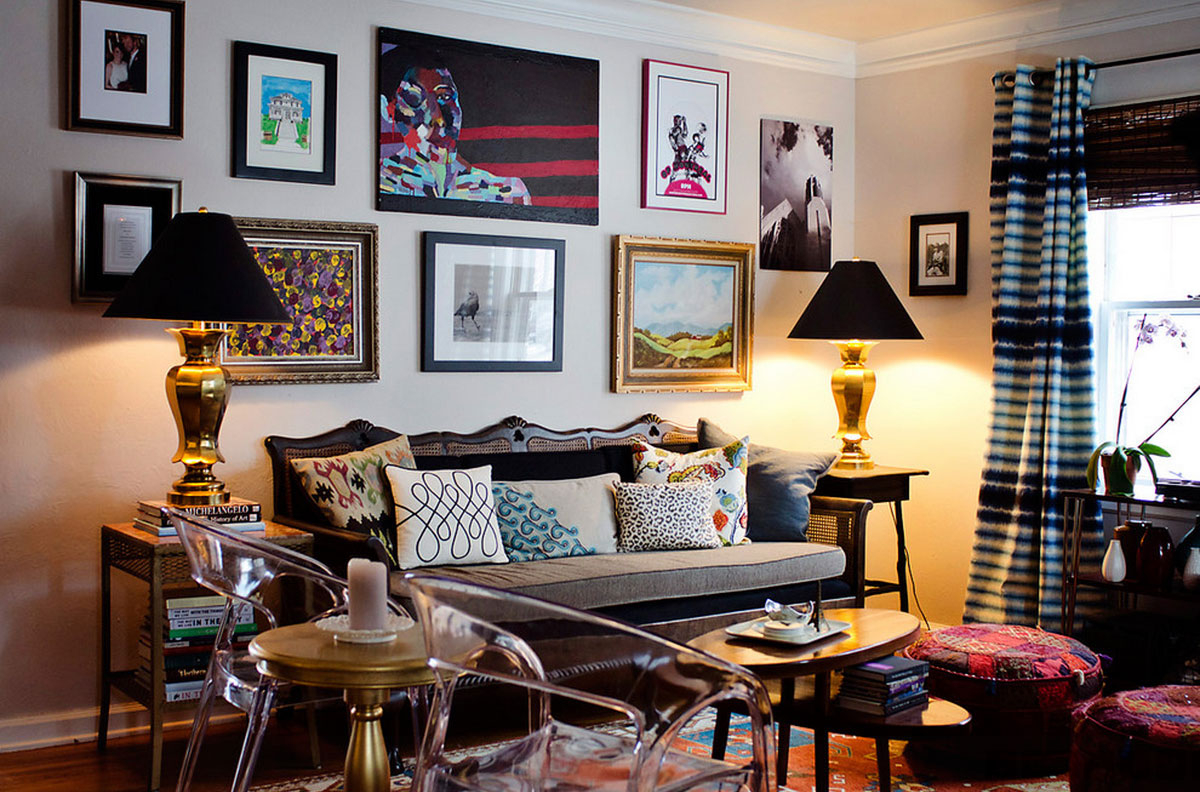
Art is perhaps the most direct way to tell your story. But you don’t need to buy expensive pieces from galleries to make an impact. Personal photography is incredibly powerful. Printing out photos and framing them transforms digital memories into physical artifacts. Create a timeline wall that shows your growth over the years. Or group photos by theme—friends, family, pets. Black and white photos can create a cohesive look even if the subjects are varied. They strip away the distraction of color and focus on emotion and composition. It’s timeless. It feels intentional.
Supporting local artists is another way to weave your community into your home’s narrative. Buying art from a neighbor or a local market connects you to your surroundings. It shows that you value your community. Plus, you often get the story behind the piece directly from the creator. Hang that story card next to the artwork. It adds context. It makes the piece more than just decoration; it becomes a connection. You can also create your own art. Even if you’re not a professional painter, abstract expressions of your feelings can be striking. Frame a child’s drawing. It’s a snapshot of their imagination at a specific moment in time. It’s priceless.
Rotating your art is also a great strategy. Just like your life changes, your home’s story should evolve. Swap out pieces seasonally or as your interests shift. This keeps the space feeling fresh and dynamic. It prevents visual fatigue. It also allows you to highlight different aspects of your story at different times. In the spring, maybe you display brighter, floral-inspired pieces. In the winter, darker, more contemplative works. This fluidity mirrors the natural rhythms of life. It shows that your home is a living entity, growing and changing with you. Don’t let your walls become static. Let them breathe and shift.
Your home needs to support different chapters of your daily life. Some moments are for connection—laughing with friends, sharing meals with family. Others are for solitude—reading, meditating, reflecting. Styling your home to accommodate both is crucial for a balanced narrative. Create distinct zones for these activities. A large dining table with comfortable chairs invites gathering. It says, "Stay awhile. Let’s talk." Add a centerpiece that encourages interaction, like a board game or a bowl of fruit to share. Lighting plays a huge role here. Warm, dimmable lights create intimacy. They soften edges and make people feel relaxed.
For solitude, carve out a quiet corner. A comfortable armchair by a window. A small desk facing a wall with inspiring quotes. This space should feel separate from the hustle and bustle of the rest of the house. Use rugs or screens to define the area. Fill it with items that soothe you. A soft blanket. A candle with your favorite scent. A stack of journals. This zone is your retreat. It’s where you recharge. It’s where you process your day. Styling this space with care shows that you value your own well-being. It’s an act of self-love made visible. It tells the story of your need for peace in a chaotic world.
Flow between these zones is important. Ensure that the transition from social spaces to private ones feels natural. Avoid clutter in pathways. Keep lines of sight open where possible. This creates a sense of ease. It allows energy to move freely through the home. Think about how you move through your day. Where do you naturally gravitate? Enhance those paths. Make them inviting. Add a small table for a cup of tea on the way to your reading nook. Place a mirror in the hallway to catch a glimpse of yourself as you pass. These small details guide the narrative of your daily routine. They make the mundane feel special. They turn a house into a home that supports your life.
As we wrap up this journey through thoughtful home styling, remember that there is no right or wrong way to tell your story. Your home is a canvas, and you are the artist. It doesn’t need to be perfect. It needs to be true. Start small. Pick one object that means something to you and give it a prominent place. See how it feels. Then add another. Layer your memories, your passions, and your heritage slowly. Let the space evolve organically. Don’t rush the process. Good stories take time to unfold.
In 2026, the most beautiful homes are not the ones with the most expensive furniture. They are the ones that feel the most human. They are the ones that welcome you with familiarity and comfort. They are the ones that spark joy and conversation. By focusing on meaning over trends, you create a space that is uniquely yours. A space that reflects your journey. So, look around your home today. What story is it telling? Is it the story you want to live? If not, start changing the narrative. One object at a time. One memory at a time. Your home is waiting to speak. Listen to it.