You know that feeling when you walk through your front door and your shoulders just… drop? It’s like an invisible weight lifts off your chest. The noise of the traffic fades. The urgency of emails dissolves. For a moment, you can just breathe. That isn’t magic. It’s biology meeting design. And honestly, most of us are missing out on it. We treat our living rooms like showrooms or storage units for our lives, forgetting that these four walls have a direct conversation with our nervous systems.
In 2026, we’re finally moving past the era of "fast furniture" and sterile minimalism. People are tired. Burnout is real. And the home has become the primary sanctuary for recovery. But here’s the thing: a pretty room doesn’t always equal a restful one. You can have the most expensive sofa in the world, but if the lighting is harsh and the layout creates subconscious anxiety, your brain won’t let you relax. Neuroarchitecture—the study of how built environments affect our brains—teaches us that every curve, color, and texture sends a signal. Are we sending signals of alarm or signals of safety?
Let’s talk about how to flip the switch. Because creating a restorative living room isn’t about buying new stuff. It’s about understanding what your brain actually needs to heal. It’s about designing for the human animal, not the Instagram feed.
The Biology of Safety: Why Your Brain Scans the Room
Before you pick a paint color, you need to understand the amygdala. It’s this tiny almond-shaped part of your brain that acts like a smoke detector. Its job is to scan for threats. In the wild, a threat was a lion. In your living room, a "threat" might be a sharp corner pointing at your head, a cluttered pile of bills in your peripheral vision, or a light that flickers just enough to be annoying but not enough to fix. When the amygdala is active, your body stays in a low-level state of fight-or-flight. You can’t truly rest if your brain is still on guard duty.
This is why "prospect and refuge" is such a big deal in neurodesign. It’s an evolutionary concept. We feel safest when we have a clear view of our surroundings (prospect) while being protected from behind (refuge). Think about it. Do you prefer sitting with your back to a blank wall or with your back to an open doorway? Most people instinctively choose the wall. It’s not paranoia; it’s primal wisdom. If you arrange your furniture so you’re exposed on all sides, your brain has to work harder to monitor the space. That uses energy. Energy you could be using to relax, read, or connect with family.
So, look at your seating arrangement. Can you see the entrance to the room without turning your head completely? Is there a solid surface behind you? These small adjustments lower cortisol levels. It’s subtle, but the cumulative effect is profound. You’re telling your body, "You are safe here. You can stand down." And when the body stands down, healing begins. It’s kinda wild how much power we have just by moving a couch six inches to the left.
Light as Nutrition: Tuning Your Circadian Rhythm
We often think of light as just a way to see things. But biologically, light is food for our circadian rhythms. It regulates our sleep-wake cycle, our mood, and even our digestion. In 2026, we know more than ever that artificial light can disrupt this delicate balance. Overhead recessed lighting? It’s basically the enemy of relaxation. It casts harsh shadows on faces, creates glare, and mimics the high-noon sun when your brain is trying to wind down for the evening. It’s confusing for your internal clock.
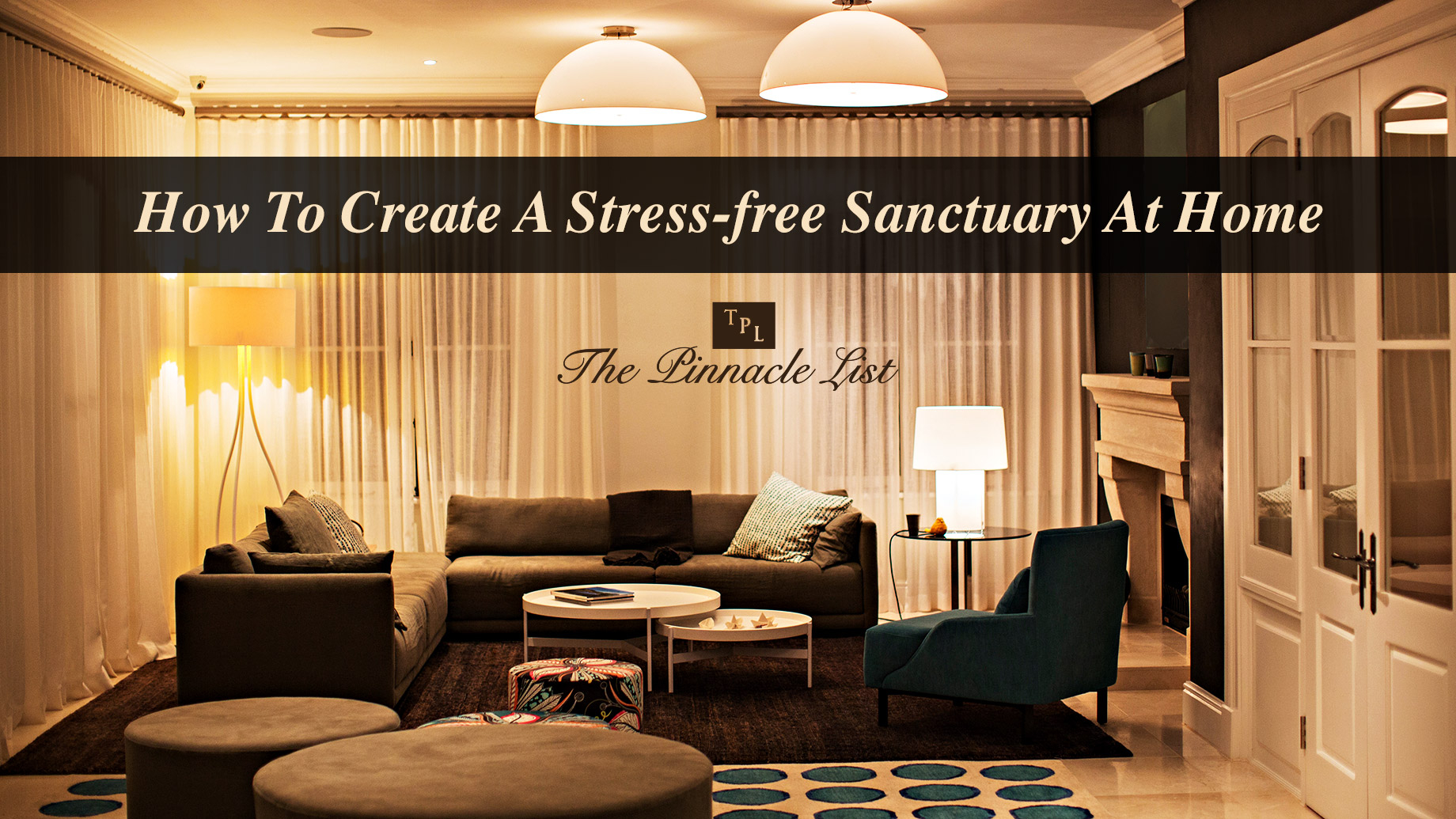
Restorative lighting is layered, warm, and low. Think floor lamps, table lamps, and even wall sconces that bounce light off surfaces rather than blasting it directly into your eyes. The goal is to create pools of light, not a flood. This mimics the natural rhythm of firelight or sunset, which signals to the brain that it’s time to produce melatonin. If you’re using smart bulbs, great. Set them to shift color temperature throughout the day. Cool, blue-enriched light in the morning to wake up; warm, amber tones in the evening to settle down. But if you don’t have smart tech, just use warmer bulbs (2700K or lower) and dimmers.
And don’t forget the windows. Natural light is the gold standard, but it needs to be managed. Blinds or sheer curtains allow you to control the intensity. Too much bright sunlight can cause squinting and tension headaches. Too little can make a space feel cave-like and depressing. The sweet spot is diffused, gentle daylight during the day, and soft, localized artificial light at night. It’s about respecting the rhythm of the planet outside your window. Your brain knows what time it is, even if you’ve forgotten to check your watch.
Biophilia: Bringing the Outside In (For Real)
Biophilic design isn’t just a buzzword anymore; it’s a necessity. Humans spent 99% of our evolutionary history outdoors. Our brains are wired to respond positively to nature. But putting a plastic plant in the corner doesn’t cut it. Research shows that real, living elements reduce stress and improve cognitive function. Even looking at images of nature helps, but nothing beats the real thing. The scent of soil, the movement of leaves, the irregular patterns of wood grain. These things engage our senses in a way that synthetic materials simply can’t.
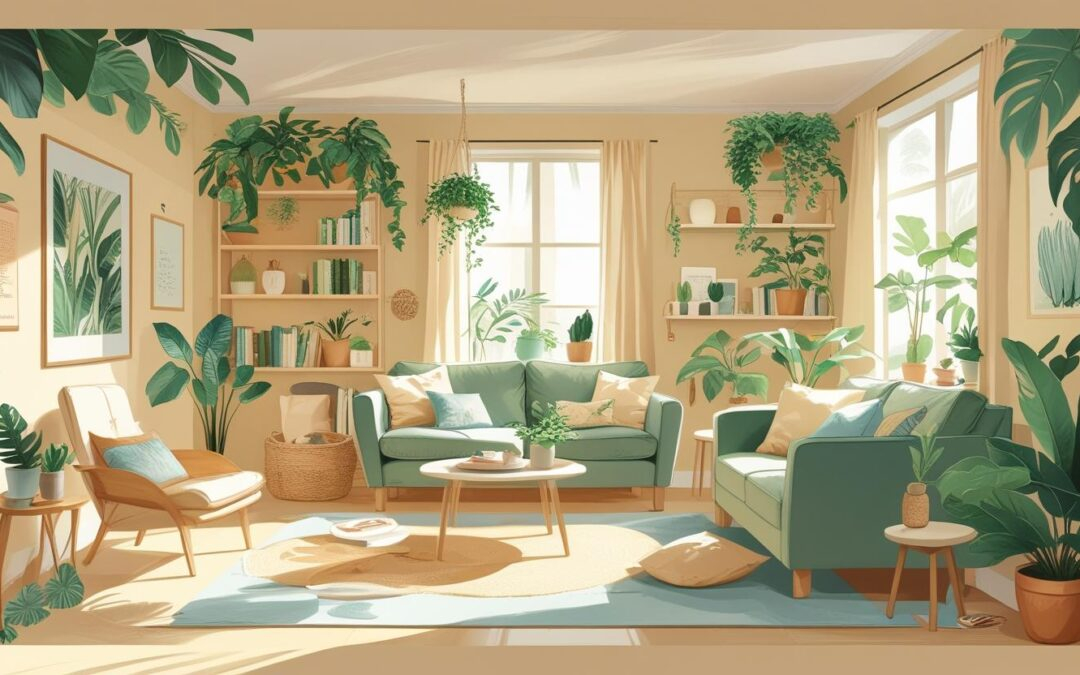
Start with plants. Not just any plants, but ones that thrive in your specific light conditions. A struggling, brown-edged fern adds visual clutter and subconscious stress. Choose hardy varieties like snake plants, pothos, or ZZ plants if you’re not a green thumb. Place them where you can see them from your main seating area. The fractal patterns in leaves are naturally soothing to the human eye. They’re complex but ordered, which helps restore attention fatigue. It’s called "soft fascination." Your brain can rest while still being engaged.
Beyond plants, incorporate natural materials. Wood, stone, cotton, wool, linen. These textures have micro-variations that catch the light differently and feel good to the touch. Synthetic carpets and plastic laminates are visually flat and tactilely dead. They don’t invite interaction. A wooden coffee table with visible grain tells a story. A wool throw rug invites you to kick off your shoes. These connections ground us. They remind us that we are part of the natural world, not separate from it. In a digital age, this grounding is essential for mental stability.
The Psychology of Color and Texture
Color is emotional. It’s not just aesthetic. While personal preference plays a huge role, there are general principles that hold true for most people. High-saturation, bright colors like red or neon yellow stimulate the nervous system. They’re great for a gym or a creative studio, but terrible for a restorative living room. They keep the heart rate up. Instead, lean into earth tones, soft greens, muted blues, and warm neutrals. These colors are associated with sky, water, sand, and foliage. They signal calm.
But it’s not just about hue. It’s about value and saturation. A dark, moody blue can be cozy if the lighting is right. A pale, washed-out beige can feel sterile if there’s no contrast. The key is balance. You want enough contrast to define the space, but not so much that it creates visual vibration. Visual vibration happens when high-contrast patterns clash, causing eye strain. Keep large surfaces (walls, floors, big sofas) in quieter tones. Use accent pieces for pops of color or pattern.
Texture is the unsung hero of comfort. A room with all smooth surfaces feels cold and clinical. A room with varied textures feels rich and inviting. Mix rough with smooth. Hard with soft. A leather chair next to a chunky knit blanket. A sleek metal lamp base on a rustic wood table. This variety engages the tactile sense, even if you’re not touching everything. It adds depth and warmth. And warmth is crucial for restoration. We associate physical warmth with emotional safety. So, layer those rugs. Add those pillows. Make it feel like a hug.
Curating Clutter: The Cognitive Load of Stuff
Clutter is visual noise. Every object in your field of vision demands a tiny bit of attention. Your brain has to process it, categorize it, and decide if it’s important. When you have too much stuff, this process becomes overwhelming. It leads to cognitive overload. You might not consciously notice the pile of magazines or the tangle of cords, but your brain does. It’s working overtime just to ignore the mess. This drains the mental energy you need for relaxation.
Decluttering isn’t about having an empty house. It’s about intentionality. Keep only what serves a purpose or brings joy. And here’s the trick: store the rest. Closed storage is your friend. Cabinets, baskets, drawers. Hide the remote controls, the chargers, the kids’ toys, the mail. Out of sight, out of mind. Literally. When surfaces are clear, the eye can rest. The mind can settle. It creates a sense of order and control, which is deeply comforting in a chaotic world.
Think about your entryway too. The transition from the outside world to your inner sanctum matters. Have a place to drop your keys, bag, and coat immediately. Don’t let the chaos of the day follow you into the living room. Create a buffer zone. This simple habit helps compartmentalize stress. You leave the world at the door. Inside, it’s just you and your peace. It’s a small ritual, but it reinforces the boundary between "work mode" and "rest mode."
We often focus on what we see, but hearing is equally important. Noise pollution is a major stressor. Traffic hum, neighbors talking, the buzz of appliances. These sounds raise blood pressure and irritate the nervous system. A restorative living room needs to manage sound. If you can’t eliminate external noise, mask it. White noise machines, fans, or even a small indoor fountain can create a consistent, soothing background hum. This masks the irregular, jarring noises that trigger startle responses.
Soft furnishings also act as sound absorbers. Rugs, curtains, upholstered furniture, and bookshelves filled with books all help dampen echoes. A room with hard floors and bare walls sounds harsh and reverberant. It feels unsettled. Adding textiles softens the acoustics, making the space feel quieter and more intimate. It’s like putting a mute button on the world.
And consider the sounds you want to hear. Music, obviously. But also the crackle of a fireplace (real or simulated), the rustle of leaves from an open window, or the silence itself. Silence is rare and valuable. Don’t feel pressured to fill every moment with audio. Allow for pauses. Let the room breathe. Sensory harmony means balancing all inputs—sight, sound, touch, smell—to create a cohesive experience. When everything works together, the result is greater than the sum of its parts. It’s a symphony of calm.
Creating a restorative living room isn’t a one-time project. It’s an ongoing practice. It requires paying attention to how you feel in the space. Does your jaw clench when you sit down? Do your eyes dart around anxiously? Or do you exhale deeply and sink into the cushions? Trust those signals. Your body knows what it needs. By applying these neuroarchitectural principles, you’re not just decorating. You’re nurturing. You’re building a habitat that supports your well-being, day after day. And in 2026, that’s the most luxurious thing you can own.