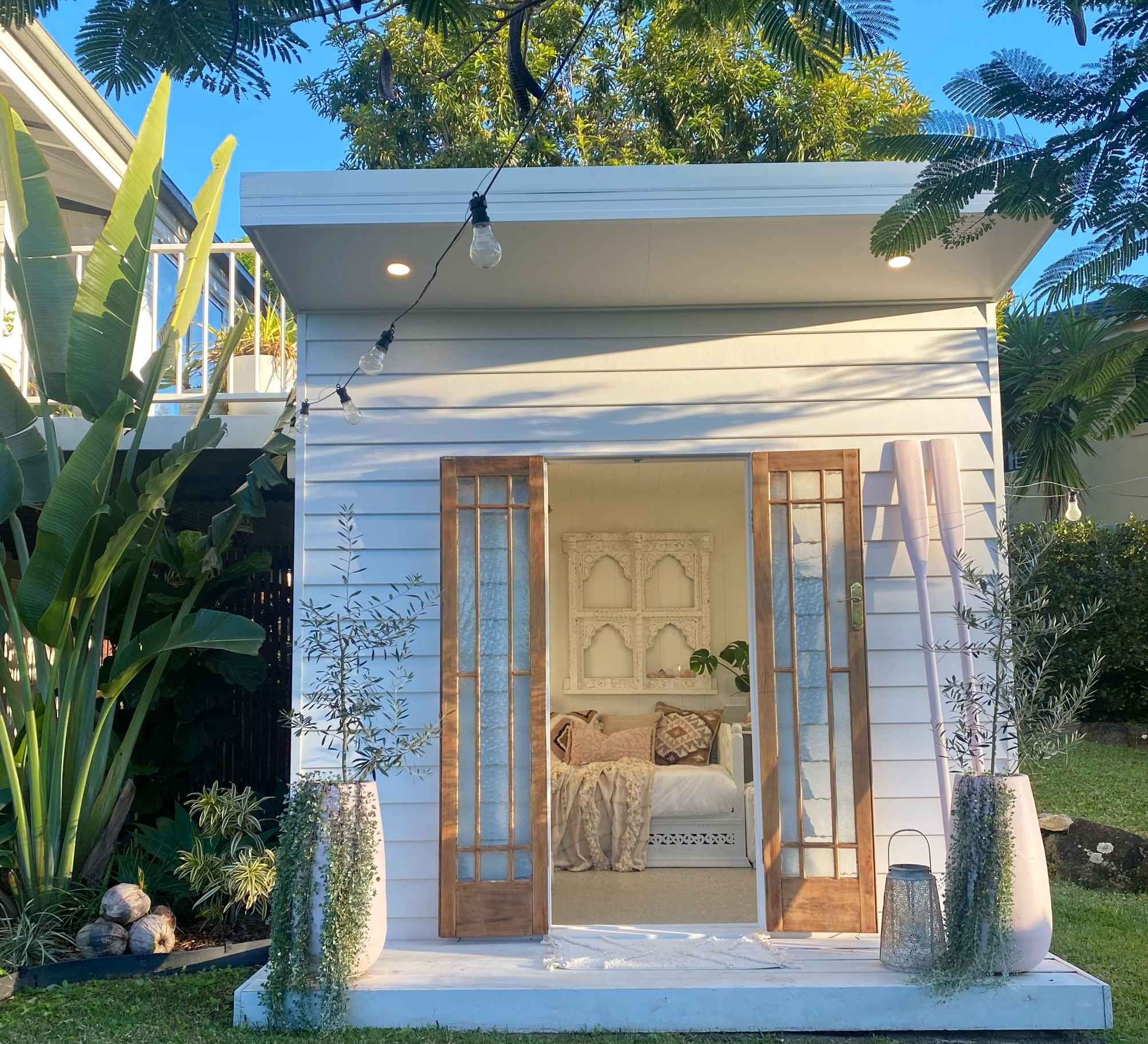
We’ve all been there. You step into that little wooden box in the backyard, expecting inspiration to strike, and instead, you’re hit with a wave of gloom. It’s dark. It smells a bit like old lumber and damp earth. The single, dusty window lets in a sliver of light that barely reaches the floor. Suddenly, the dream of painting, writing, or just thinking clearly feels impossible. We spend thousands on insulation, flooring, and fancy desks, yet we often forget the one thing that costs nothing but changes everything: sunlight.
It’s strange, isn’t it? We treat our studio sheds like storage units for our hobbies, forgetting they are actually extensions of our homes and our minds. In 2026, the trend has shifted dramatically. People aren’t just building sheds to hide lawnmowers; they are crafting sanctuaries. And the difference between a cramped closet and a breathable, inspiring studio usually comes down to how well you’ve invited the outside in. Light isn’t just about seeing your work; it’s about feeling alive while you do it.
Let’s talk about why this matters so much. When you get the lighting right, the space expands. Shadows soften. Colors pop. Your brain wakes up. It’s not magic, though it feels like it. It’s physics mixed with a little bit of soul. If you are planning a build or renovating an existing structure, ignoring natural light is like buying a sports car and never taking it out of the garage. You have the potential, but you aren’t using it. This guide will walk you through how to fix that, simply and effectively.
The Psychology of Brightness: More Than Just Visibility
Light affects us in ways we don’t always notice until it’s gone. Think about the last time you spent an entire day indoors with only artificial bulbs humming overhead. By evening, you probably felt drained, maybe even a bit foggy. That’s because our circadian rhythms—the internal clocks that regulate sleep and energy—are tied to the sun. When you work in a shed flooded with natural daylight, your body knows it’s time to be alert. It boosts serotonin, which helps keep you calm and focused.
For artists, writers, or anyone doing detailed work, this biological boost is crucial. Artificial light, no matter how expensive the bulb, creates a flat, static environment. Sunlight moves. It shifts from the cool, crisp blue of morning to the warm, golden haze of late afternoon. This dynamic quality helps your eyes adjust and keeps your mind engaged. Research consistently shows that workers in naturally lit environments report higher satisfaction and lower stress levels. In a small space like a shed, where you might feel confined, this psychological lift is even more potent.
Consider the texture of your work, too. If you are painting, sewing, or woodworking, shadows can lie to you. Harsh overhead LEDs create glare and deep shadows that distort colors and depth. Natural light, especially when diffused through a north-facing window or a sheer curtain, provides an even, true representation of your materials. You see the red as red, not as a muddy orange under a warm bulb. This accuracy saves time and frustration. It allows you to trust what you see, which is half the battle in any creative pursuit.
Strategic Window Placement: The Art of Direction
So, how do you actually get this light inside? It starts with where you put the windows. Many people make the mistake of sticking a window wherever there is wall space, or worse, buying a prefab shed with fixed, tiny windows that offer zero flexibility. Don’t do that. Think about the path of the sun. In the Northern Hemisphere, north-facing windows provide consistent, indirect light that doesn’t change much throughout the day. This is the gold standard for artists because it prevents harsh shadows and glare on your canvas or screen.
South-facing windows, on the other hand, bring in intense, direct sunlight. This can be beautiful, but it can also turn your shed into a greenhouse by noon. If you go this route, you need a plan for shading. Overhangs, exterior awnings, or interior blinds are non-negotiable. East-facing windows catch the morning sun, which is great for early risers who want an energizing start. West-facing windows get the hot afternoon sun, which can be distracting and cause overheating. Knowing your orientation is the first step in designing a comfortable space.
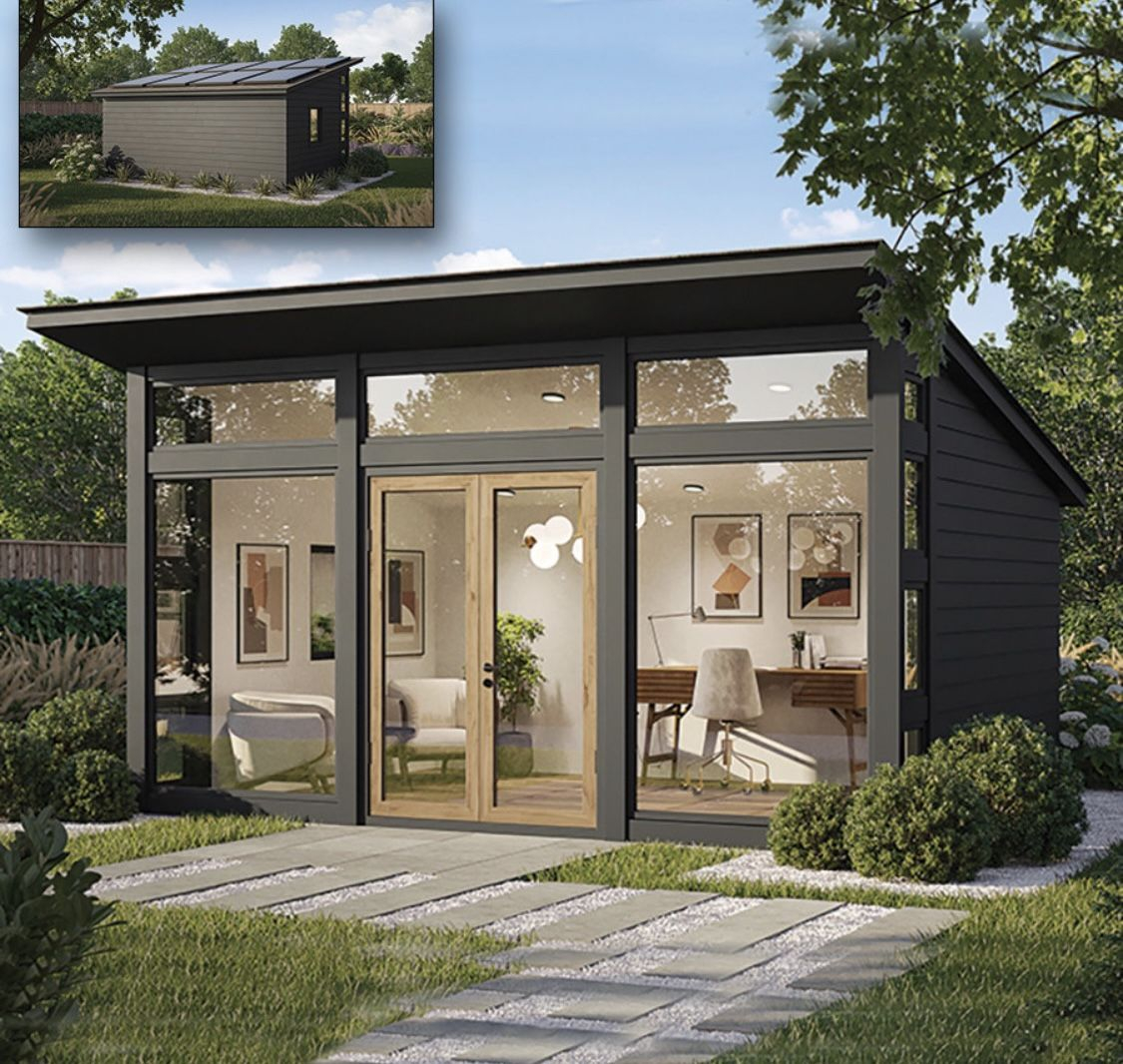
Privacy is another factor that often clashes with light needs. You want brightness, but you don’t necessarily want the neighbors watching you scratch your nose while you work. High-placed clerestory windows are a brilliant solution here. They sit near the roofline, letting in sky light without exposing your interior to street-level views. You can also use frosted glass or textured acrylics. These materials scatter the light, softening it and adding a layer of seclusion. It’s a balance, but one that pays off. You get the glow without the gaze.
Skylights and Roof Windows: Letting the Sky In
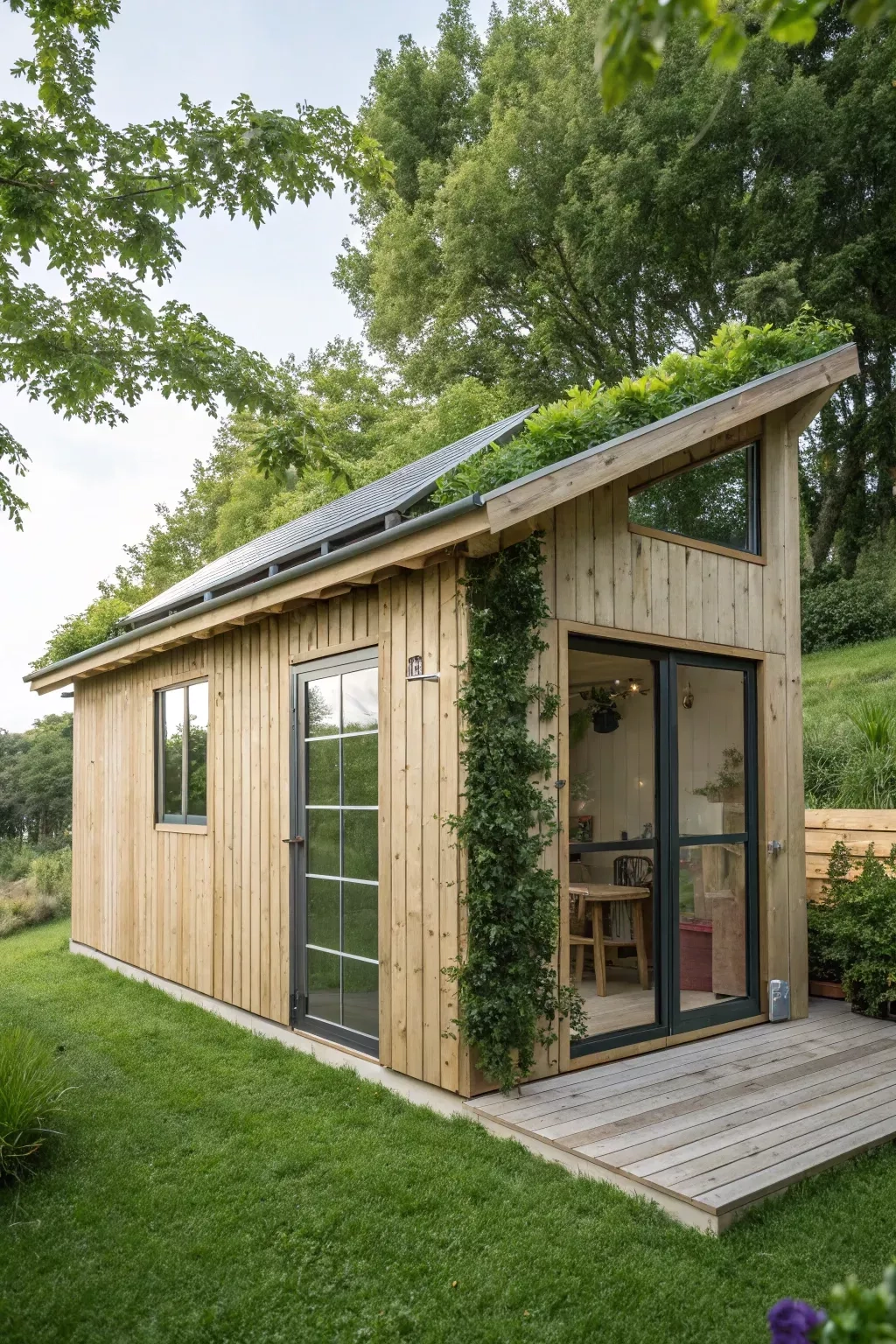
Sometimes, walls just aren’t enough. If your shed is surrounded by trees or fences, vertical windows might not capture as much light as you’d hope. This is where looking up becomes essential. Skylights and roof windows are arguably the most underrated tools in shed design. They pull light from the widest part of the sky, illuminating the center of the room that wall windows often miss. In a small 8×10 or 10×12 shed, a single well-placed skylight can make the space feel twice as large.
Modern skylights aren’t just holes in the roof with plastic covers. Today’s options are sleek, insulated, and often come with remote-controlled shades. This is important because, let’s be honest, a skylight can leak heat in the winter and bake you in the summer if it’s not properly glazed. Look for double-paned, low-emissivity (Low-E) glass. It blocks UV rays that fade your furniture and art supplies while still letting in visible light. Tubular skylights are another option for smaller roofs; they use a reflective tube to channel light down, causing less structural impact than a traditional frame.
Placement matters here, too. Avoid putting skylights directly over your main workspace if you are sensitive to glare. Instead, position them over walkways or secondary areas to bounce light off the walls and ceiling. This creates a ambient, washed-out brightness that feels natural and easy on the eyes. If you have a vaulted or high-pitched roof, you have more flexibility. A row of small skylights along the ridge can create a stunning architectural feature that draws the eye upward, making the ceiling feel higher and the air feel fresher.
Interior Choices: Amplifying Every Ray
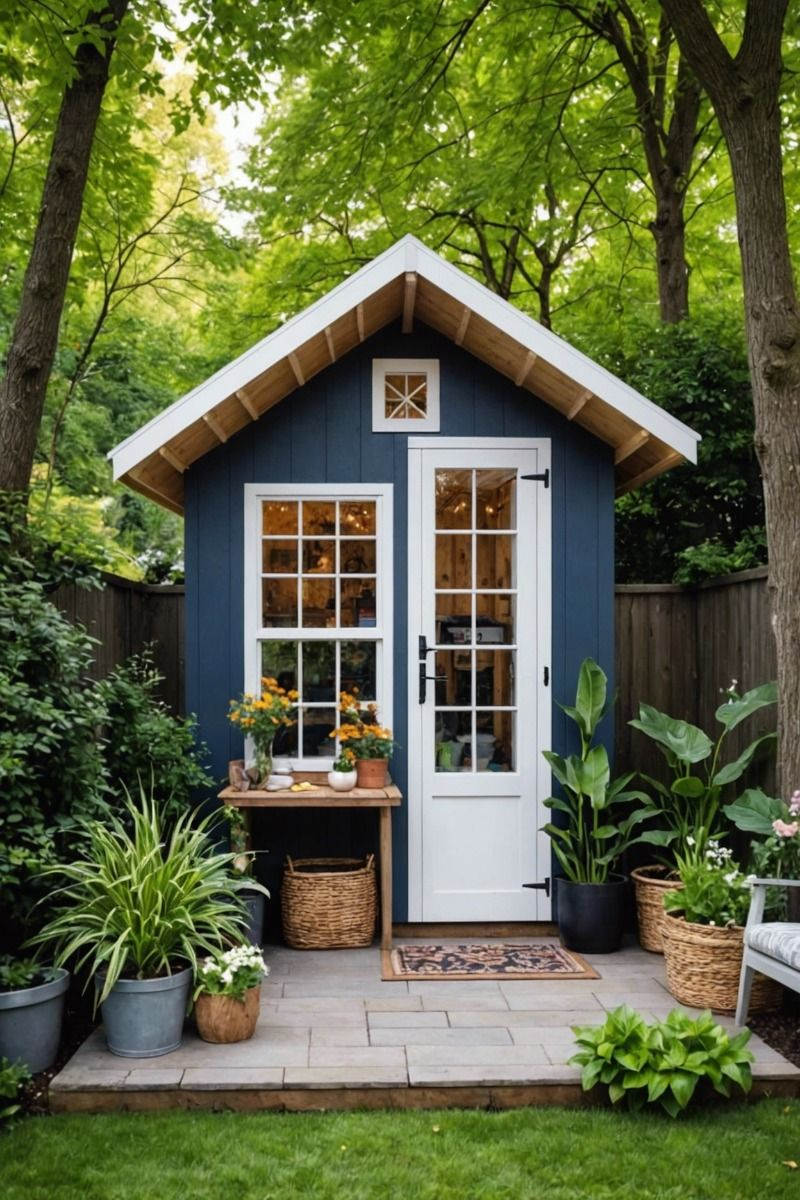
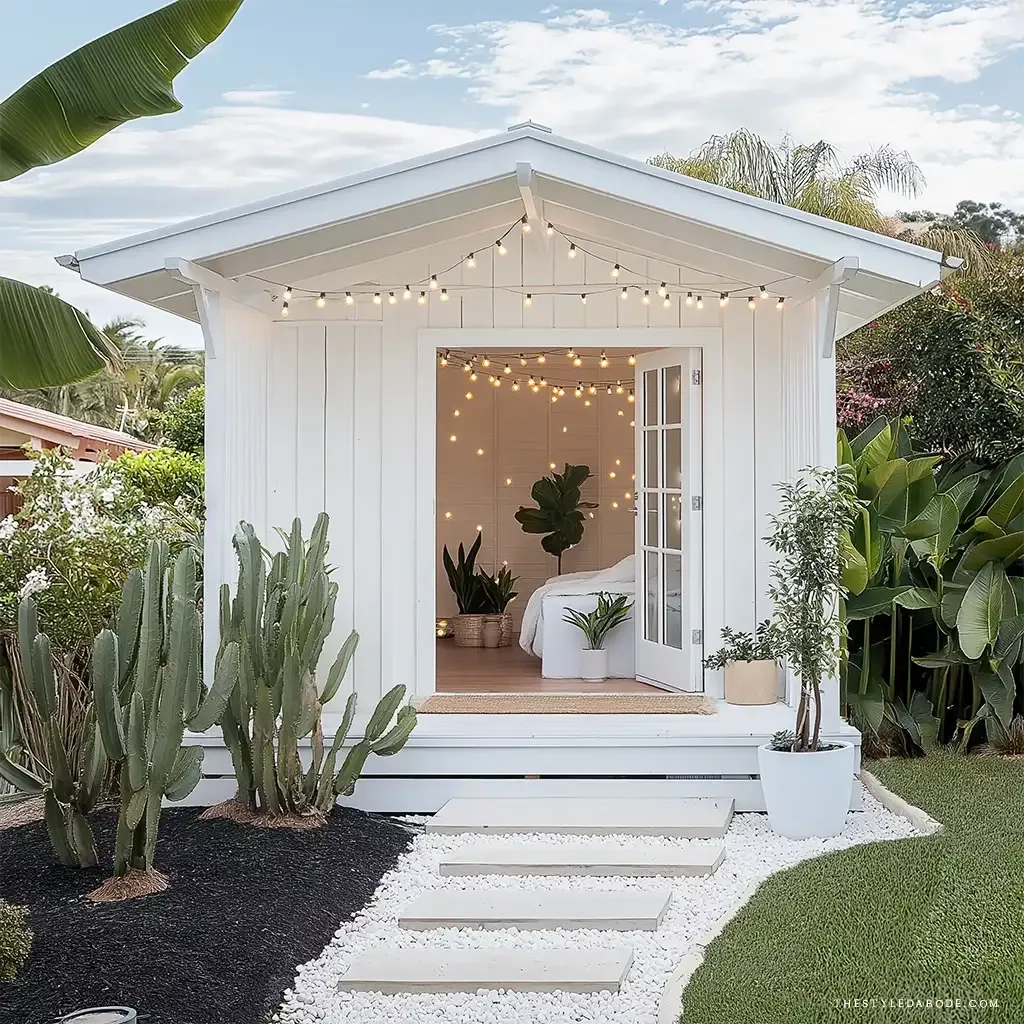
You’ve installed the windows. You’ve added a skylight. But if you paint the interior dark navy blue, you’ve basically thrown away your hard work. Dark colors absorb light. Light colors reflect it. This is basic physics, but it’s easy to forget when you’re trying to create a "moody" or "cozy" vibe. For a studio shed, you want bounce. You want every photon that enters to dance around the room before fading. Start with white or off-white walls. It doesn’t have to be sterile clinical white; try warm whites, soft creams, or pale grays.
Ceilings are critical. They should always be the lightest surface in the room. A white ceiling acts like a giant reflector, pushing light back down into the space. If you have exposed beams, consider painting them white too, or at least a very light tone. Glossy or semi-gloss paint finishes reflect more light than flat matte finishes. However, be careful with glare. A high-gloss wall might create hot spots. Eggshell or satin is usually a good middle ground—durable, washable, and reflective enough to help without blinding you.
Flooring plays a role, too. Light wood floors, like maple or ash, or light-colored laminate, will help keep the room bright. If you love rugs, choose lighter tones or patterns with plenty of white space. Mirrors are another secret weapon. Placing a large mirror opposite a window doubles the light intake and adds depth. It’s a cheap trick that works wonders in tight spaces. Just ensure the mirror reflects something pleasant—like a plant or a piece of art—rather than a cluttered corner. The goal is to curate the reflection, not just amplify the mess.
Balancing Light with Climate Control
Here is the catch: more light often means more heat. And in a small, poorly insulated shed, that heat can become unbearable. In 2026, energy efficiency is not just a buzzword; it’s a necessity. You can’t just punch holes in your shed and expect it to stay comfortable. You need to think about ventilation alongside illumination. Windows that open are key. Cross-ventilation—having windows on opposite walls—allows air to flow through, carrying away excess heat and stale air. This keeps the space fresh and prevents that stuffy, stagnant feeling.
Insulation is your best friend here. Properly insulated walls and roofs keep the heat out in summer and in during winter. This allows you to keep your windows closed when the weather is extreme, relying on the light without suffering the temperature swing. Consider Low-E coatings on your glass again; they help regulate thermal transfer. If you live in a particularly hot climate, external shading devices like shutters or awnings are more effective than internal blinds because they stop the heat before it hits the glass.
Don’t forget about humidity. Sheds are prone to moisture, which can lead to mold and mildew, especially if they are tightly sealed for energy efficiency. Natural light helps dry out damp surfaces, but active ventilation is needed too. Solar-powered vent fans can be installed on the roof to pull hot, moist air out without using electricity. These small additions ensure that your bright, beautiful studio remains a healthy place to spend time. It’s about creating a system where light and air work together, not against each other.
Even with the best intentions, things can go wrong. One of the most common errors is overcrowding the walls with windows. It seems logical—more glass, more light, right? But too many windows can compromise structural integrity and leave you with nowhere to hang art or place shelves. Balance is key. Aim for quality over quantity. One large, well-placed window is often better than three small, awkward ones. Think about the wall space you need for your specific craft. Do you need long stretches of blank wall for canvases? Keep those areas solid.
Another mistake is ignoring the view. Windows are not just light sources; they are frames for the outdoors. If your window looks directly at a compost bin or an AC unit, you’re going to feel distracted and enclosed. Try to orient your primary viewing windows toward greenery, sky, or open space. If that’s not possible, use landscaping to create a buffer. Plant tall grasses or shrubs outside the window to soften the view and add a sense of privacy and nature. This connection to the outdoors reduces mental fatigue and boosts creativity.
Finally, don’t neglect the transition between inside and outside. A stark threshold can make the shed feel disconnected. Use similar flooring materials on a small deck or patio outside the door to blur the line. Large glass doors that fold or slide open can completely remove the barrier, turning your shed into an open-air pavilion on nice days. This flexibility is invaluable. It allows you to expand your workspace physically and mentally. Remember, the shed is not a bunker; it’s a bridge to your garden and your thoughts. Treat it with that level of care.
Getting the light right in your studio shed isn’t about following a rigid set of rules. It’s about observing how the sun moves across your specific patch of earth and responding with intention. It’s about choosing materials that sing in the daylight and arranging your space to welcome the morning glow. When you prioritize natural light, you aren’t just building a room; you’re cultivating an atmosphere. An atmosphere where ideas can breathe, where colors tell the truth, and where you actually want to spend your time.
Take a moment to stand in your current space, or visualize your future one. Where does the light fall? Where are the shadows hiding? What changes could you make today? Maybe it’s swapping a dark curtain for a sheer one. Maybe it’s adding a mirror. Or maybe it’s planning that skylight you’ve been dreaming of. Small shifts can have massive impacts. Don’t underestimate the power of the sun. It’s the oldest, most reliable tool we have. Use it well, and your shed will become more than just a structure. It will become a source of energy.
In the end, a well-lit shed is a happy shed. It invites you in. It holds you gently. It supports your work without demanding attention. As we move further into 2026, the line between indoor and outdoor living continues to blur. Our backyards are becoming our offices, our studios, our retreats. Letting natural light lead the way in these designs is not just a aesthetic choice; it’s a commitment to well-being. So, open up those walls. Let the sky in. Your creativity—and your sanity—will thank you.