You pull into your driveway after a long day. The tires crunch. Maybe it’s gravel. Maybe it’s smooth, cool stone. But what you don’t hear is the splash of rainwater hitting an impermeable slab of gray concrete, running off into the street, carrying with it a cocktail of oil, brake dust, and lawn chemicals. For decades, we’ve treated our driveways like parking lots—hard, fast, and unyielding. But in 2026, the conversation has shifted. It’s not just about where you park your car. It’s about where the water goes. And more importantly, what happens to the planet when we stop sealing every inch of ground beneath our feet.
Think about the last heavy storm you experienced. Did your yard flood? Did the street turn into a river? Chances are, your traditional driveway played a part in that chaos. Conventional asphalt and concrete are essentially waterproof shields. They force nature’s rainfall to go somewhere else, usually overwhelming local sewer systems or polluting nearby creeks. But there’s a different way. A softer way. One that lets the earth breathe again. This isn’t just about being "green" for the sake of it. It’s about practical, durable, and often cheaper solutions that look great and work with nature, not against it. Let’s dig into what lies beyond the slab.
The Hidden Cost of Hard Surfaces
When rain falls on a standard concrete or asphalt driveway, almost 100% of it runs off. It doesn’t soak in. It doesn’t recharge the groundwater. It just slides away. According to data from the U.S. Geological Survey, as our neighborhoods become more urbanized with these impervious surfaces, the health of our local watersheds takes a hit. That runoff isn’t clean water, either. It picks up motor oil dripping from your engine, bits of tire rubber, fertilizer from the lawn, and pesticides. All of that gets flushed directly into storm drains and then into local rivers and lakes. It’s a silent pollution stream that most of us never see, but it’s there.
Beyond the environmental toll, there’s the heat. Have you ever walked barefoot across a blacktop driveway in July? It’s brutal. Traditional dark surfaces absorb solar radiation and re-radiate it as heat, contributing to the "urban heat island" effect. This makes your home hotter, your AC work harder, and your neighborhood uncomfortable. In contrast, eco-friendly surfaces often reflect more light or allow for vegetation, which cools the air through evapotranspiration. It’s a small change at the individual level, but if thousands of homes make the switch, the cumulative cooling effect can be significant. We are literally baking our cities, one driveway at a time.
Then there’s the issue of durability and maintenance. Concrete cracks. Asphalt softens in extreme heat and becomes brittle in cold. Fixing them is energy-intensive and expensive. You’re essentially pouring more carbon-heavy material onto a broken surface. Eco-friendly alternatives, like permeable pavers or stabilized gravel, often handle freeze-thaw cycles better because they flex with the ground rather than resisting it. They don’t crack in the same way. If a section settles, you can often just lift the paver or add more gravel. It’s a modular approach to landscaping that feels less permanent and more adaptable. Which, let’s be honest, is how life actually works.
Gravel and Crushed Stone: The Affordable Classic
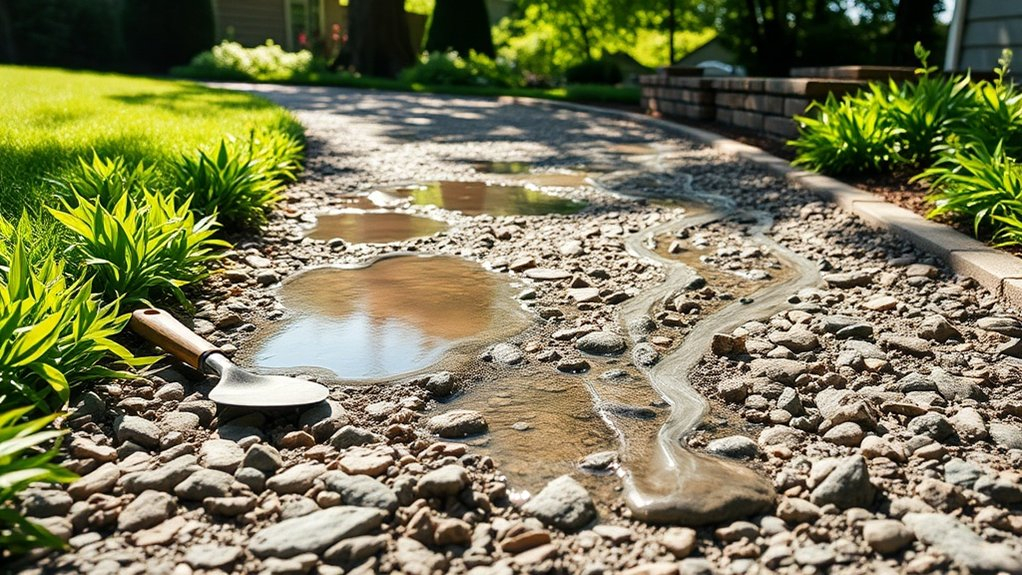
Let’s start with the most accessible option: gravel. It’s been around forever for a reason. It’s cheap, it’s effective, and it looks rustic and charming. In 2026, a basic gravel driveway still costs between $1 and $3 per square foot, making it the most budget-friendly sustainable option on the market. But it’s not just about tossing some rocks down. To make it truly eco-friendly and functional, you need a good base. Usually, this involves layers of larger crushed stone at the bottom for drainage, topped with smaller, angular gravel that locks together. Angular is key here. Round pea gravel rolls around under your tires and ends up in your flower beds. Nobody wants that.
The downside? Maintenance. Gravel moves. Cars turn, tires spin, and rain washes things away. You’ll likely need to top it off with fresh gravel once or twice a year. It’s a trade-off. You save money upfront and help the environment, but you pay with a bit of labor. However, modern stabilization techniques are changing this game. Grid systems made from recycled plastic or honeycomb structures can be filled with gravel. These grids hold the stones in place, preventing ruts and reducing the need for constant replenishment. It’s a hybrid approach that gives you the look of loose stone with the stability of a paved surface.
Aesthetically, gravel offers a natural, textured look that blends seamlessly with gardens and wooded areas. It doesn’t have the stark, industrial feel of concrete. You can choose colors too—gray, tan, reddish-brown—to match your home’s exterior. Just be mindful of dust. In dry climates, gravel can kick up a cloud when you drive in. Some homeowners use a light spray of water or a non-toxic dust suppressant to keep it down. It’s a small inconvenience for a big environmental win. And if you ever decide to change your driveway style, removing gravel is infinitely easier than jackhammering concrete.
Permeable Pavers: Style Meets Function
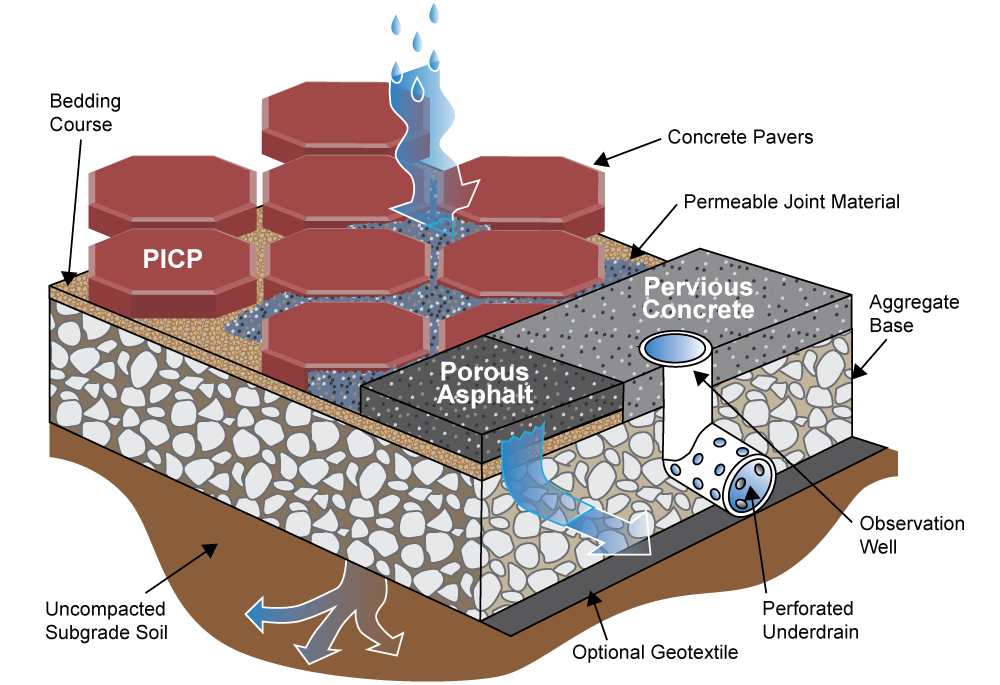
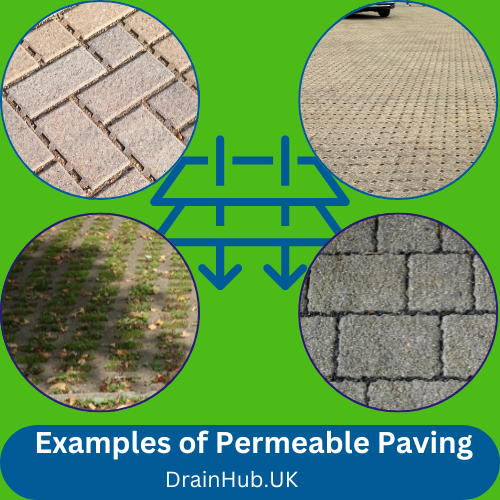
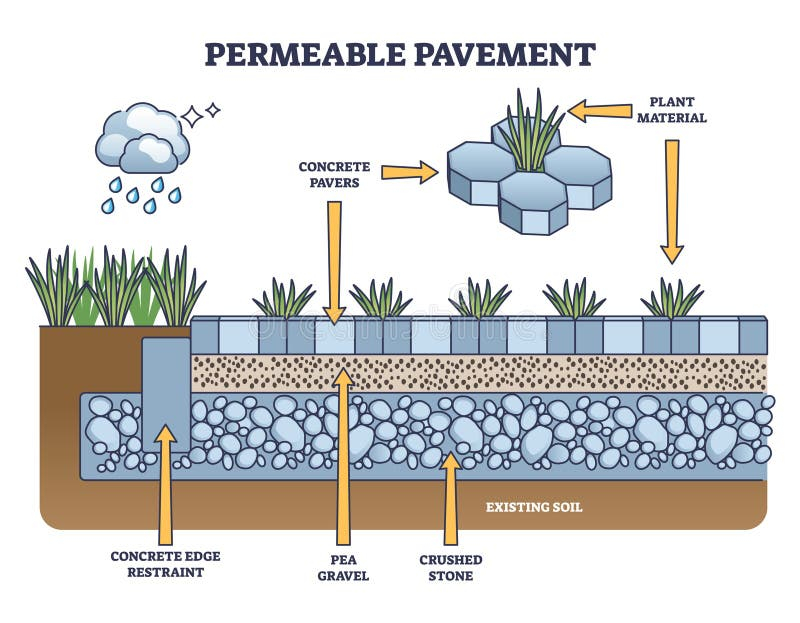
If gravel feels too rustic for your taste, permeable pavers might be the sweet spot. These aren’t your grandma’s brick patio stones. Modern permeable pavers are engineered specifically to let water pass through them. They come in various materials—concrete, clay, even recycled plastic—and styles, from sleek modern squares to classic cobblestone looks. The magic isn’t just in the paver itself, but in the installation. They are laid with small gaps between them, filled with porous aggregate like small stones or sand. Beneath them lies a deep bed of crushed stone that acts as a reservoir, holding rainwater temporarily before it slowly infiltrates the soil below.
This system is incredibly effective at managing stormwater. Instead of rushing into the street, rain soaks into the ground right where it falls. This reduces the burden on municipal sewer systems and helps prevent localized flooding. In many cities across the US and Europe, installing permeable pavers can even qualify you for tax credits or rebates, as municipalities recognize the public benefit of private stormwater management. It’s a win-win. You get a beautiful, high-end looking driveway, and the city gets less water to treat. The cost is higher than gravel—often $10 to $20 per square foot installed—but the longevity and low maintenance often justify the price tag over time.
Durability is another strong suit. Because the load is distributed across many individual units, permeable pavers can handle heavy vehicles without cracking. If one paver does break or stain, you can simply lift it out and replace it. No patching, no mismatched concrete pours. It’s modular repair at its finest. Plus, they don’t suffer from the same heat absorption issues as black asphalt. Lighter-colored pavers reflect sunlight, keeping your driveway cooler. For homeowners who want a polished, curated look without the environmental guilt, permeable pavers are arguably the best all-around choice available today.
Grass and Turf Grids: The Living Driveway
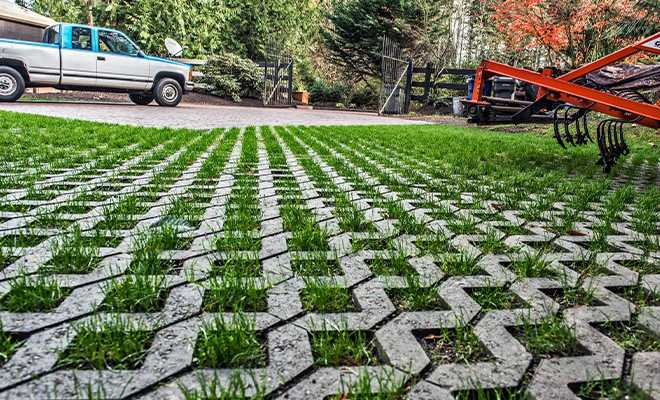
Imagine driving onto a green lawn. Sounds impossible, right? Not anymore. Grass paver systems, also known as turf grids, allow you to have a living, breathing driveway. These are typically plastic or concrete grid structures that you lay on the ground and fill with soil and grass seed (or sometimes a synthetic turf). The grid protects the grass roots from being crushed by tires while providing a stable surface for your car. When it rains, the water goes straight through the grass and soil, filtering naturally as it enters the groundwater. It’s the ultimate in permeability.
This option is fantastic for secondary driveways, overflow parking, or homes with large lots where the driveway isn’t used heavily every single day. It blends beautifully into the landscape, effectively disappearing into the yard. From an environmental standpoint, it’s unbeatable. You’re adding green space, reducing heat, and managing water all at once. Birds and insects benefit from the habitat, and you get a cooler microclimate around your home. However, it does require maintenance. You need to mow it. You need to water it during droughts. And if you live in a very snowy climate, salt and plowing can damage the grass, though some hardy varieties hold up surprisingly well.
There’s also the aesthetic consideration. A grass driveway looks soft and inviting, but it can look muddy if not maintained properly. It’s not the best choice if you have a steep slope, as erosion can be an issue despite the grids. But for flat or gently sloping yards, it creates a stunning visual effect. It challenges the notion that a driveway has to be hardscape. It suggests that our infrastructure can be alive. In 2026, as biodiversity becomes a bigger priority for homeowners, choosing a surface that supports plant life is a powerful statement. It says you value nature enough to let it grow under your wheels.
Recycled and Composite Materials
Why buy new when you can reuse? Recycled materials are gaining massive traction in the driveway world. Crushed concrete, reclaimed asphalt pavement (RAP), and even recycled glass or rubber are being repurposed into durable driveway surfaces. Crushed concrete, for instance, is often sourced from old demolition sites. It’s broken down, screened, and used as a base or top layer. It’s incredibly strong, drains well, and keeps tons of waste out of landfills. It has a rugged, industrial chic look that appeals to many modern homeowners. Plus, it’s usually cheaper than virgin aggregate because you’re saving on disposal fees for the supplier.
Recycled rubber pavers, made from old tires, are another innovative option. They are flexible, durable, and provide excellent traction. They’re also permeable if installed correctly. While the aesthetic is distinct—often black or dark gray—they are incredibly resilient to weather extremes. They don’t crack in the cold or soften in the heat. Some people worry about leaching chemicals from rubber, but studies in recent years have shown that modern recycled rubber products are stable and safe for residential use, especially when sealed or bound with eco-friendly resins. It’s a way to give a second life to millions of discarded tires.
Composite materials, which blend plastics, wood fibers, and binders, are also entering the market. These can be molded into paver shapes that mimic stone or wood but offer superior resistance to rot, insects, and weathering. They often contain a high percentage of post-consumer recycled content. The key here is to look for certifications. Not all "recycled" products are created equal. Look for materials that are locally sourced to reduce transportation emissions, and check for third-party environmental certifications. By choosing recycled, you’re not just building a driveway; you’re participating in a circular economy. You’re closing the loop. And that feels pretty good.
Resin-Bound Aggregates: The Seamless Solution
For those who love the look of loose stone but hate the maintenance, resin-bound surfacing is a compelling alternative. This involves mixing natural aggregates (like gravel, quartz, or recycled glass) with a clear, permeable resin binder. The mixture is then troweled onto a prepared base. The result is a smooth, seamless surface that looks like scattered stones but is solid underfoot. Crucially, if installed with a permeable base, the resin-bound layer itself is porous. Water flows right through the tiny gaps between the stones. It’s elegant, modern, and highly customizable. You can choose any color or stone type you like.
One of the biggest advantages of resin-bound driveways is their durability and low maintenance. Unlike loose gravel, the stones won’t scatter. You can sweep them, jet wash them, and they stay put. They’re also resistant to weeds and moss, provided the base is properly prepared. In terms of aesthetics, they offer a high-end, bespoke look that can significantly boost curb appeal. They’re popular in contemporary architecture for their clean lines and ability to blend with both modern and traditional homes. However, they do require professional installation. It’s not a DIY project. The mixing and laying process needs precision to ensure proper permeability and adhesion.
Cost-wise, resin-bound surfaces sit in the mid-to-high range, comparable to high-end pavers. But the lifespan is long, often 15-20 years or more with minimal care. They don’t fade easily, and the resin is UV stable. It’s a "set it and forget it" option for those who value convenience and style. Just be aware that in very hot climates, darker resins can absorb heat, so opting for lighter-colored aggregates can help mitigate this. It’s a sophisticated choice that bridges the gap between the natural look of gravel and the solidity of concrete, without the environmental downsides of either.
So, you’re ready to ditch the concrete. Where do you start? First, assess your site. Not every driveway is suitable for every material. Check your soil type. Clay soils drain poorly, so you might need a deeper stone base or a drainage pipe system underneath your permeable surface. Sandy soils drain naturally, making them ideal for infiltration. Also, consider your local climate. If you get heavy snow, you’ll need a material that can withstand plowing and salt. Permeable pavers and resin-bound surfaces handle this well; grass grids do not. Talk to local landscapers who have experience with eco-friendly installs. Don’t just hire anyone; ask for references and photos of past projects.
Budget is obviously a major factor. While gravel is cheap upfront, consider the long-term costs of maintenance. Pavers cost more initially but last longer with less effort. Look for local incentives. Many municipalities in 2026 offer rebates for installing permeable surfaces because it reduces their stormwater management costs. It’s worth calling your local public works department or checking their website. You might find free money waiting for you. Also, think about the scope. You don’t have to replace the whole driveway at once. Maybe start with the apron or a parking strip. Small steps count.
Finally, think about the whole picture. An eco-friendly driveway works best when paired with other sustainable practices. Plant native shrubs along the edges to filter runoff further. Install a rain garden at the end of the driveway to catch any excess water. Use organic lawn care to minimize chemical runoff. It’s all connected. Your driveway is just one piece of your home’s ecological footprint. By choosing wisely, you’re not just improving your property; you’re contributing to a healthier community. It’s a choice that feels good every time you pull in. And really, isn’t that what home is all about? Comfort, beauty, and peace of mind.