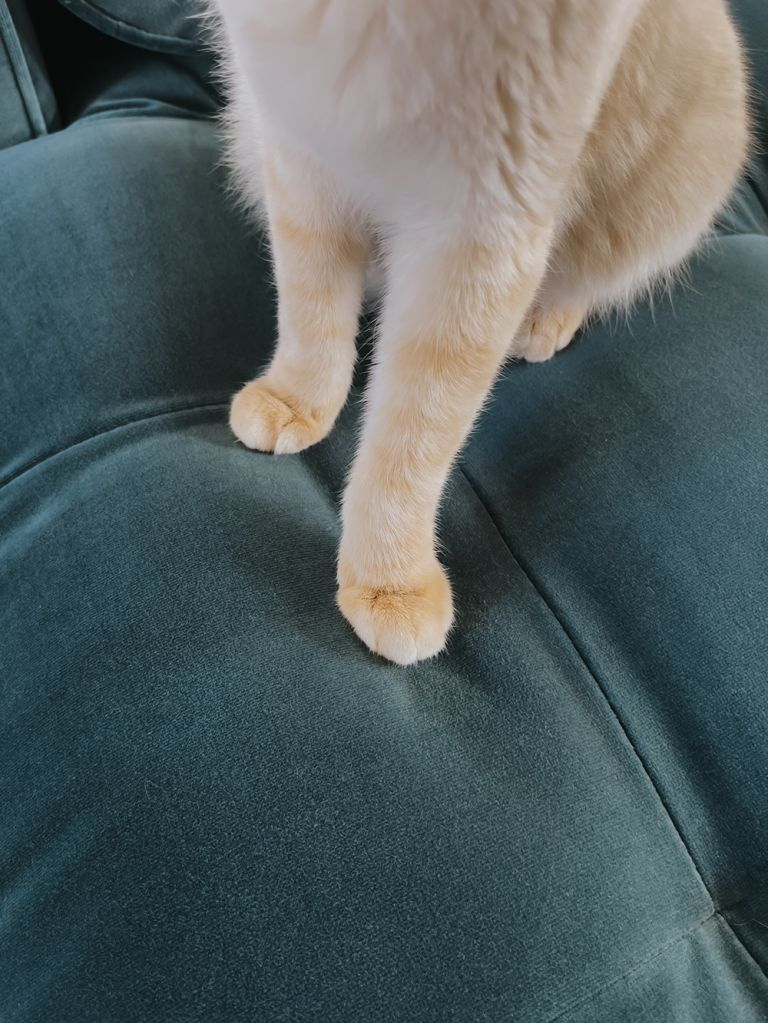
Let’s be real for a second. You love your dog. Or your cat. Maybe both. They are family. But have you ever looked at your beautiful, cream-colored linen sofa and felt a tiny pang of anxiety when Fido jumps up with muddy paws? It happens. We’ve all been there. For years, the advice was basically: hide the nice stuff, buy cheap furniture, or accept that your home will look like a tornado hit it. But that’s old news. In 2026, we know better.
The gap between "durable" and "beautiful" has closed. Actually, it’s gone. Interior designers aren’t telling clients to banish pets from the living room anymore. Instead, they’re sharing a secret toolkit of fabrics and finishes that laugh in the face of claw marks and drool. It’s not about sacrifice. It’s about smart choices. You can have the chic, inviting home you dream of, and you can still let your furry friends lounge like kings and queens. It just takes knowing what to look for. And maybe unlearning a few myths along the way.
The Great Fabric Myth-Busting Session
First things first. Let’s talk about what doesn’t work. Because honestly, avoiding disaster is half the battle. You might think leather is the ultimate pet-proof material. It’s smooth, right? Wipes clean? Well, yes and no. While leather is easy to wipe down, it’s a magnet for scratches. One playful swipe from a cat, and you’ve got permanent scars. Plus, if your pet has accidents, urine can soak into the seams and cause odors that are nearly impossible to remove. So, unless you’re going for a rugged, distressed look on purpose, maybe skip the pure leather.
Then there’s silk. Or velvet. Or any loose-weave fabric. These are beautiful, sure. But they are basically invitations for disaster. Cats love to snag their claws in loose threads. Dogs shed fur that gets woven into the texture, becoming part of the fabric forever. It’s a nightmare to clean. I’ve seen people try to shave fur out of a bouclé chair with a razor. Don’t do that. It ruins the pile. The key isn’t just durability; it’s resistance. You want fibers that repel rather than absorb.
So, what’s the alternative? Synthetic blends. I know, I know. "Synthetic" sounds cheap. But technology has changed the game. Modern performance fabrics are engineered at a molecular level to resist staining and abrasion. They aren’t just plastic-y covers; they feel soft, look luxurious, and act like armor. The myth that natural fibers are always better is just that—a myth. In a house with pets, natural fibers like cotton or wool often stain easily and hold onto smells. Synthetics, when done right, are your best friend. They dry faster, clean easier, and don’t hold onto dander as much. It’s a small shift in thinking, but it makes a huge difference.
The Heavy Hitters: Performance Fabrics Explained
If you’ve heard of Crypton or Sunbrella, you’re already ahead of the curve. These aren’t just brand names; they’re categories of survival. Crypton, for instance, is a fabric that has a moisture barrier built right into the backing. Nothing gets through. Not wine, not mud, not… well, you know. It’s breathable, so it doesn’t feel like sitting on a raincoat, but it blocks liquids completely. For homes with pets who might have occasional accidents, this is gold. You can literally hose it down if you need to. Okay, maybe not hose it down inside, but you get the idea.
Sunbrella is another big player. Originally designed for outdoor furniture, it’s made from solution-dyed acrylic. What does that mean? It means the color is baked into the fiber, not just printed on top. So, if your dog scratches it, the thread underneath is the same color. No white scars. No fading spots. It’s incredibly tough. And in 2026, these fabrics come in textures that mimic linen, wool, and even velvet. You don’t have to choose between function and form. You can have a navy blue sofa that looks like high-end wool but acts like a tank.
But it’s not just about the big brands. Look for terms like "high rub count." This measures how much friction a fabric can take before it wears out. For pets, you want a double rub count of at least 15,000, but ideally 30,000 or more. Also, check for "olefin" or "polyester" blends. Olefin is resistant to static, which means less fur sticking to your couch. That’s a huge win for anyone who spends hours lint-rolling their clothes. These fabrics are often treated with nano-coatings that repel liquids, causing spills to bead up on the surface instead of soaking in. It buys you time. And in a house with pets, time is everything.
Texture and Pattern: The Camouflage Strategy
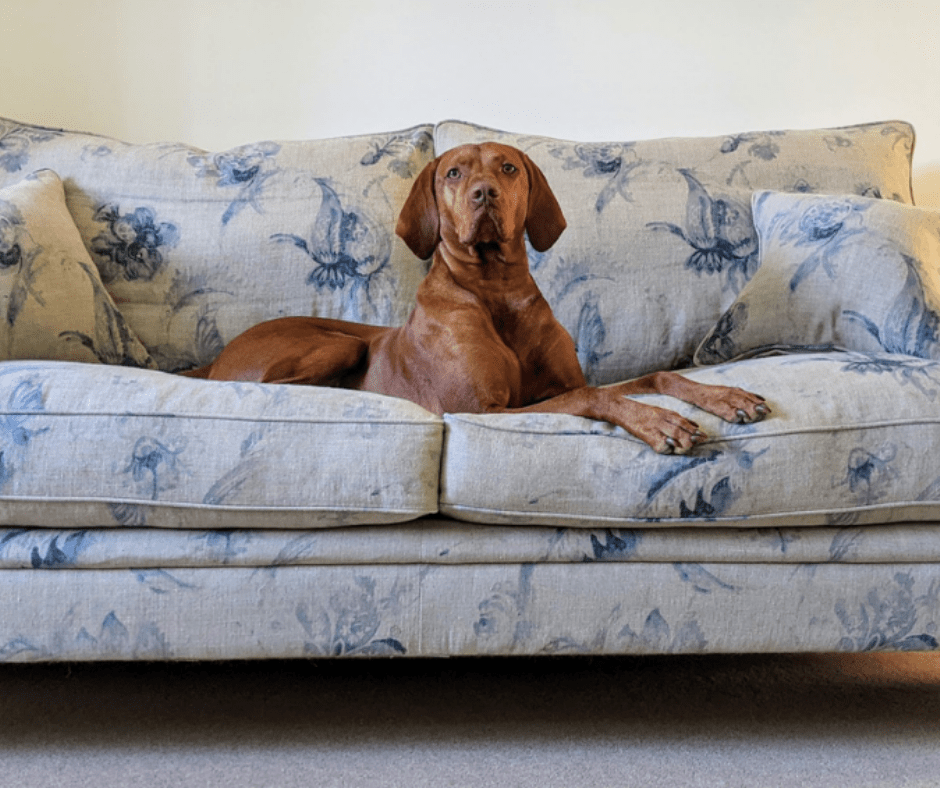
Here’s a trick designers use all the time: pattern hides sins. A solid white sofa is a brave choice. A patterned one is a smart choice. When you have pets, hair is inevitable. No matter how much you brush them, fur finds its way onto furniture. If you have a black dog and a black couch, you’ll see every single white hair. If you have a golden retriever and a beige couch, same thing. But if you choose a fabric with a subtle tweed, herringbone, or multi-tonal weave, the fur blends in. It’s visual camouflage. You might still have to vacuum, but it won’t look like a disaster zone five minutes after you clean it.
Texture matters too. Avoid flat, smooth surfaces if you have cats. They provide too much traction for climbing and scratching. Instead, go for tight weaves. Microfiber is a classic example. It’s tightly woven, so claws can’t easily catch on it. Plus, it’s soft and durable. Another option is a low-pile velvet. Wait, didn’t I say avoid velvet? Not all velvet. Traditional velvet crushes and shows marks. But modern performance velvets are dense and resilient. They actually repel hair quite well because the fibers are so short and tight. Fur sits on top rather than getting embedded. A quick swipe with a rubber glove removes it instantly.
Color selection is also part of this strategy. Earth tones, greys, and taupes are forgiving. They match most pet coat colors. Bright whites are risky, but not impossible if the fabric is high-performance. Dark colors show dust and dander more than you’d think. So, mid-tones are often the sweet spot. Think of it like choosing a car color. You wouldn’t buy a black car if you hate washing it, right? Same logic applies to your sofa. Choose a color that works with your pet’s shedding cycle, not against it. It’s a small detail, but it saves your sanity.
The Weave Matters More Than You Think
Let’s get technical for a minute, but keep it simple. The way a fabric is put together—its weave—determines how well it holds up to claws. A loose weave, like a chunky knit or a open-linen look, is dangerous. Claws slip into the gaps and pull threads. Once a thread is pulled, the whole structure can start to unravel. It’s like a sweater snagging on a nail. You want a tight, plain weave or a twill weave. These are dense. There are no gaps for claws to exploit. The surface is uniform and strong.
Twill is great because it has a diagonal pattern that adds strength. Denim is a twill, and you know how tough jeans are. Imagine that durability on your couch. Canvas is another good option, provided it’s treated for stain resistance. It’s heavy-duty and stands up to roughhousing. If you’re looking at samples, try the "pinch test." Pinch the fabric between your fingers and twist slightly. If you can see the backing or if the threads separate easily, it’s too loose. You want something that feels solid, almost stiff at first. It will soften with use, but it needs that initial density to resist damage.
Also, consider the backing. Some upholstery fabrics have a latex or acrylic backing applied to stabilize the weave. This prevents stretching and sagging, which is common when pets jump on and off furniture repeatedly. A stabilized fabric keeps its shape longer. It doesn’t bag out in the seat cushions after a year of heavy use. This is especially important for larger dogs. A 70-pound Labrador jumping on a weak weave will distort the frame and fabric over time. A backed, tight-weave fabric distributes that weight and impact much better. It’s an invisible feature, but it makes your furniture last years longer.
Cleaning and Maintenance: The Real World Test
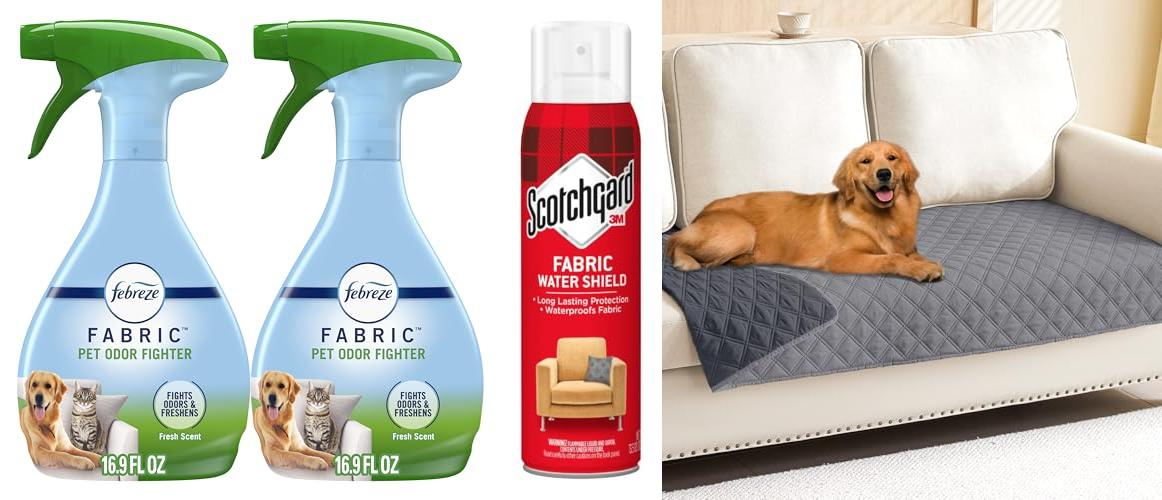
Buying the right fabric is only half the job. How you care for it determines its lifespan. Even the most durable fabric needs help. The good news? Modern pet-friendly fabrics are low maintenance. Most are spot-clean friendly. You don’t need to rent a steam cleaner every month. For daily messes, a damp cloth and mild soap usually do the trick. Because the fibers are hydrophobic (water-repelling), stains don’t set in quickly. You have a window of opportunity to clean up accidents before they become permanent.
Vacuuming is your best friend. Use a brush attachment to remove fur and dander weekly. This prevents the buildup of oils and dirt that can break down fibers over time. For deeper cleans, check the manufacturer’s code. Most performance fabrics allow for water-based cleaning agents. Avoid harsh chemicals like bleach or ammonia, which can break down the protective coatings. Stick to pH-neutral cleaners. They are gentle on the fabric and safe for pets. Remember, your pets lick the furniture. You don’t want toxic residues lingering on their favorite nap spot.
Another tip: rotate cushions if possible. This ensures even wear. Pets often favor one spot on the couch. Over time, that area gets more compressed and worn. Rotating cushions spreads the load. It’s a simple habit that extends the life of your upholstery significantly. Also, keep a lint roller or a rubber squeegee handy. A quick swipe with a rubber squeegee gathers fur into clumps that are easy to pick up. It’s faster than vacuuming and surprisingly effective. These small habits keep your furniture looking fresh without requiring hours of labor.
Finally, think about your pet’s behavior. Do they sleep on the back of the couch? Do they scratch the arms when they wake up? Do they dig at the cushions before lying down? Design around these habits. If your cat loves to perch on the backrest, consider a sofa with a lower back or one that has a removable, washable cover for that area. If your dog digs, avoid loose pillows. Opt for attached backs and seats. Customization is key. Many designers now offer modular pieces where you can replace individual sections if they get damaged. It’s cheaper than replacing the whole sofa.
Placement matters too. Don’t put your most expensive piece in the high-traffic zone if you can help it. Create a dedicated pet zone with a durable, easy-to-clean bed nearby. Often, pets just want to be near you. If they have a comfortable alternative, they might spare the sofa. But let’s be honest, they’ll probably still jump up. So, make sure the sofa can handle it. Use throws and slipscovers strategically. A stylish, durable throw can protect the seat cushion from direct contact with claws and fur. It’s easier to wash a throw than a whole couch.
In 2026, the mindset is about integration, not separation. We aren’t hiding our pets; we’re designing for them. This means choosing materials that are tough but tactile. Colors that hide hair but brighten the room. Patterns that distract the eye from minor messes. It’s a holistic approach. When you stop fighting against your pets’ nature and start working with it, your home becomes more relaxed. You stop worrying about every little scratch. You enjoy your space. And isn’t that what home is supposed to be? A place where everyone, including the four-legged members, feels comfortable.
So, next time you’re shopping for furniture, don’t just look at the color. Ask about the weave. Check the rub count. Feel the texture. Bring a swatch home and let your pet sniff it. See how it handles a little test spill. Do your homework. The right choice will save you money, stress, and heartache in the long run. You deserve a home that looks good and lives well. And so do your pets. They’re not guests; they’re residents. Treat your furniture like it belongs to them too, because in a way, it does. With the right knowledge, you can have it all. Style, comfort, and peace of mind.