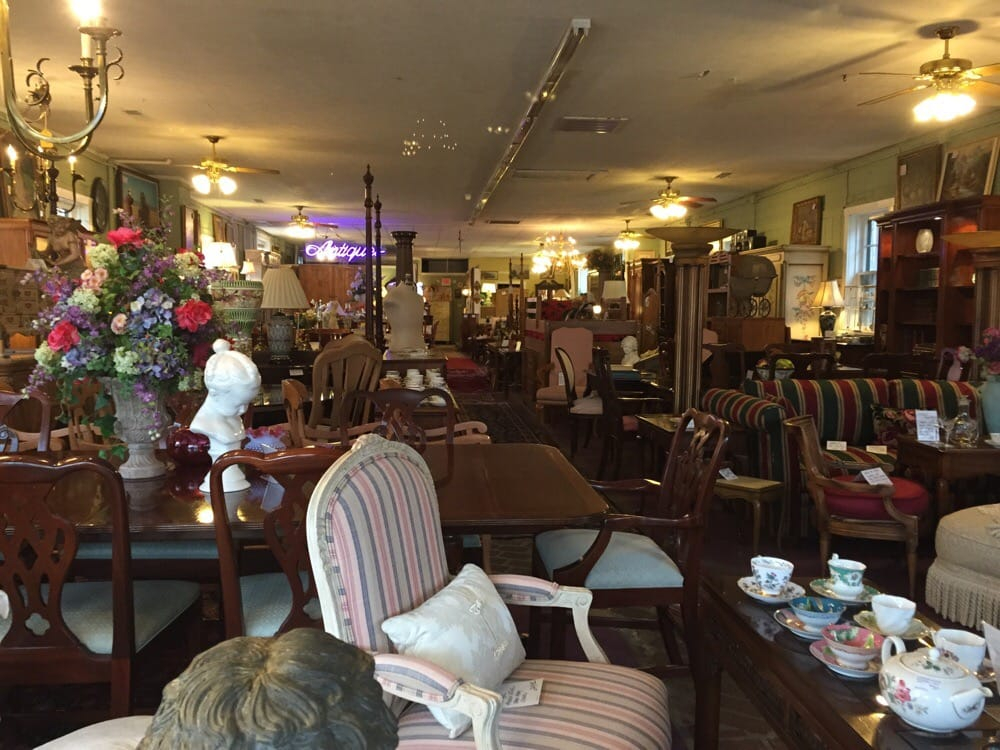
You walk into a thrift store or scroll through a local marketplace listing, and your nose wrinkles. Maybe it’s the smell of old dust. Maybe it’s the sight of a scratched table leg. Your first instinct is to turn around and head straight for the shiny, plastic-wrapped aisles of a big-box retailer. It’s easier, right? You know what you’re getting. But here’s the thing: you’re missing out on something special. Something with soul. And honestly, usually better bones too.
We live in a world that’s obsessed with the new. In 2026, the pressure to have the latest aesthetic is louder than ever, driven by algorithms that feed us endless streams of perfect, sterile interiors. But there’s a quiet rebellion happening. People are waking up to the fact that the best stuff—the stuff that lasts, the stuff that tells a story—is often already out there, waiting for a second chance. It’s not just about saving money, though let’s be real, that’s a huge perk. It’s about connecting with history, craftsmanship, and a level of quality that’s hard to find in modern mass production.
So, how do you sift through the junk to find the gems? How do you look at a wobbly chair and see a potential heirloom instead of a firewood candidate? It takes a bit of knowledge, a keen eye, and a willingness to get your hands dirty. Let’s dive into the hidden world of pre-owned furniture and uncover the secrets that dealers, designers, and savvy shoppers have known for years.
The Craftsmanship Gap: Why Old Really Is Gold
Let’s talk about wood. Not the particleboard or MDF (medium-density fiberboard) that makes up most of today’s flat-pack furniture, but real, solid wood. Back in the day—say, before the 1990s boom of fast furniture—makers used hardwoods like oak, maple, cherry, and walnut. These trees grow slow. They’re dense. They can take a beating and keep standing. When you run your hand along a vintage dresser, you’re feeling material that was selected for durability, not just cost-efficiency.
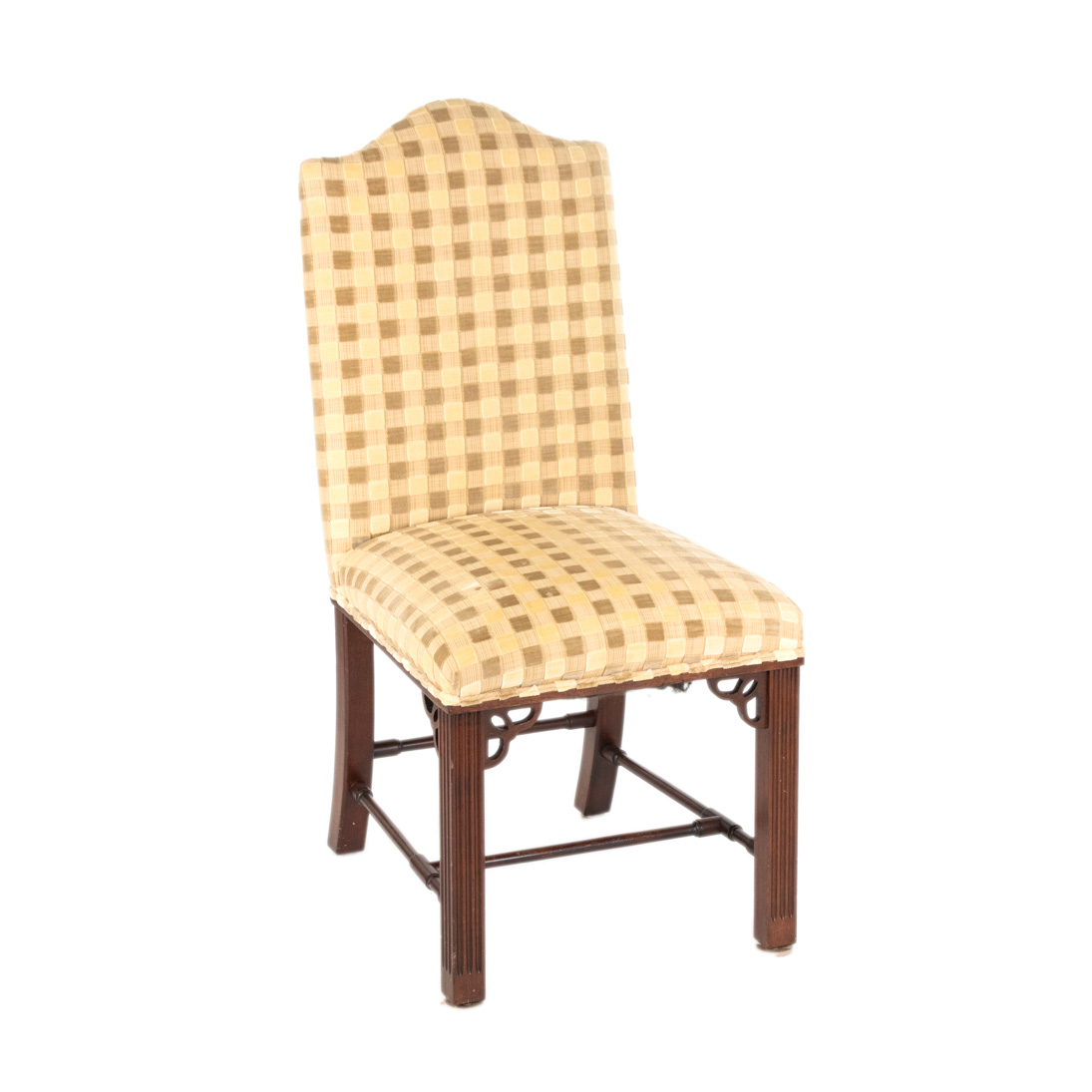
Modern manufacturing has changed the game, and not always for the better. To keep prices low and production speeds high, many manufacturers now use engineered woods held together by glue and staples. Sure, it looks fine in the showroom photo. But move it three times, and those joints start to scream. Pre-owned pieces, especially those from mid-century or earlier, were often built with joinery techniques that have stood the test of time. Think dovetail joints in drawers, mortise-and-tenon connections in chairs, and tongue-and-groove paneling. These aren’t just fancy terms; they’re engineering solutions that allow wood to expand and contract with humidity changes without falling apart.
This doesn’t mean every old piece is a masterpiece. There’s plenty of junk from every era. But the baseline quality of average furniture was simply higher in previous decades. A $500 sofa today might last five years. A $500 sofa from the 1970s, if it was well-made to begin with, has already lasted fifty and could go for another fifty. That’s the value proposition. You’re buying longevity. You’re buying the kind of structural integrity that companies don’t bother with anymore because it doesn’t fit their quarterly profit margins.
Reading the Signs: What to Look For in Wood and Joints
Okay, so you’re standing in front of a wooden table. It looks nice. Now what? Don’t just look at the finish. Look underneath. Flip it over. Open the drawers. This is where the truth hides. If you’re looking at a chest of drawers, pull one out completely. Look at the corners where the sides meet the front. Do you see interlocking fingers of wood? Those are dovetails. Hand-cut dovetails are irregular and slightly uneven, which is actually a sign of high-end, pre-industrial craftsmanship. Machine-cut dovetails are uniform and precise, which is still good, but less valuable than the hand-cut variety.
Check the weight. Good wood is heavy. If a solid oak bookshelf feels light as a feather, something’s wrong. It might be veneer over a cheaper core, or worse, it might be damaged internally by rot or insects. Tap on the surface. A solid, dull thud is good. A hollow sound might indicate thin materials or delamination. Also, look for signs of repair. A little glue residue or a replaced screw isn’t a dealbreaker; it shows someone cared enough to fix it. But avoid pieces with major structural cracks, especially in load-bearing areas like chair legs or table aprons.
Another pro tip? Check for "breathing room." Wood moves. It swells in summer and shrinks in winter. Older, well-made furniture accounts for this. Look for small gaps around panels or drawer fronts. If a drawer is stuck tight because it was painted shut or swollen beyond repair, that’s a red flag. But if it slides smoothly with just a tiny bit of wiggle room, that’s a sign of thoughtful construction. And don’t ignore the back of the piece. Is it finished nicely, or is it rough, splintered plywood? The back tells you how much the original maker cared about the details. If they skimped on the back, they probably skimped elsewhere too.
Upholstery Secrets: Beyond the Fabric Surface
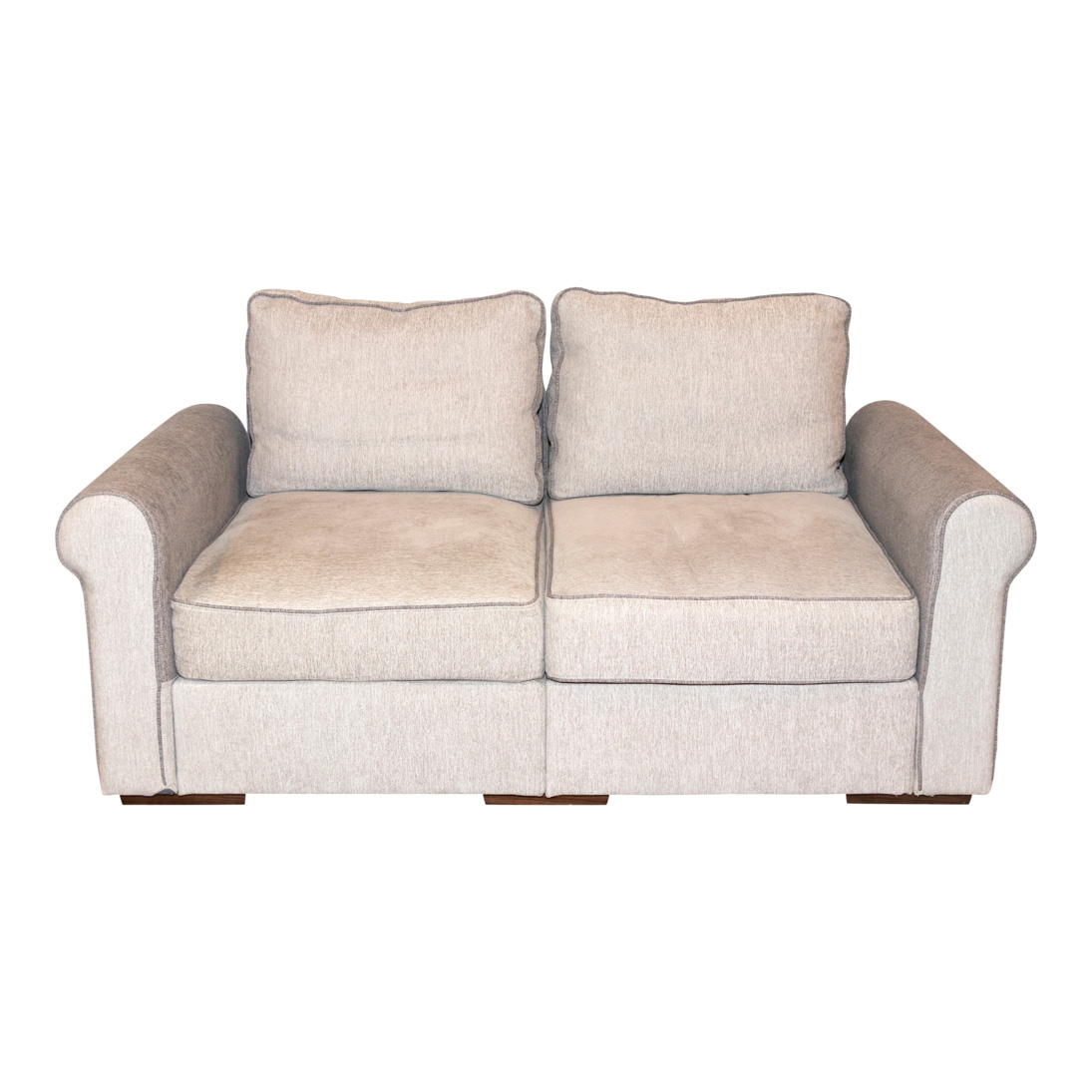
Fabric is easy to change. That’s the beauty of it. But the stuff underneath? That’s the hard part. When you’re eyeing a used sofa or armchair, ignore the pattern or the color for a moment. Those are superficial. Press down on the cushions. Do they bounce back quickly, or do they stay squished? High-resilience foam or down-filled cushions will recover. Cheap foam turns into a pancake and stays there. If the seat feels like you’re sitting on a bag of rocks, the springs might be broken or sagging.
Flip the piece over if you can. Look at the underside. You want to see eight-way hand-tied springs if you’re looking at a high-end antique or vintage piece. This is the gold standard of sofa construction. It’s labor-intensive and expensive, but it provides unparalleled support and comfort. Even if it’s not hand-tied, look for sinuous springs (those S-shaped metal wires) that are securely clipped in place. If you see loose springs hanging down or poking through the fabric, walk away. That’s a major repair job.
Also, sniff it. Seriously. Musty smells can sometimes be aired out, but if it smells like smoke, pet urine, or mildew deep in the padding, it’s likely a lost cause. These odors embed themselves in the foam and wood frame, and no amount of cleaning will fully remove them. Check for stains on the underside of the cushions or the skirt of the sofa. Small spots can be cleaned, but large, set-in stains might indicate deeper issues. Remember, reupholstering is an art form, and it’s pricey. Factor that cost into your decision. If the frame is solid wood and the springs are good, paying a professional to recover it might still be cheaper than buying a new high-quality sofa. And you’ll end up with something unique.
The Era Effect: Knowing What’s Worth Saving
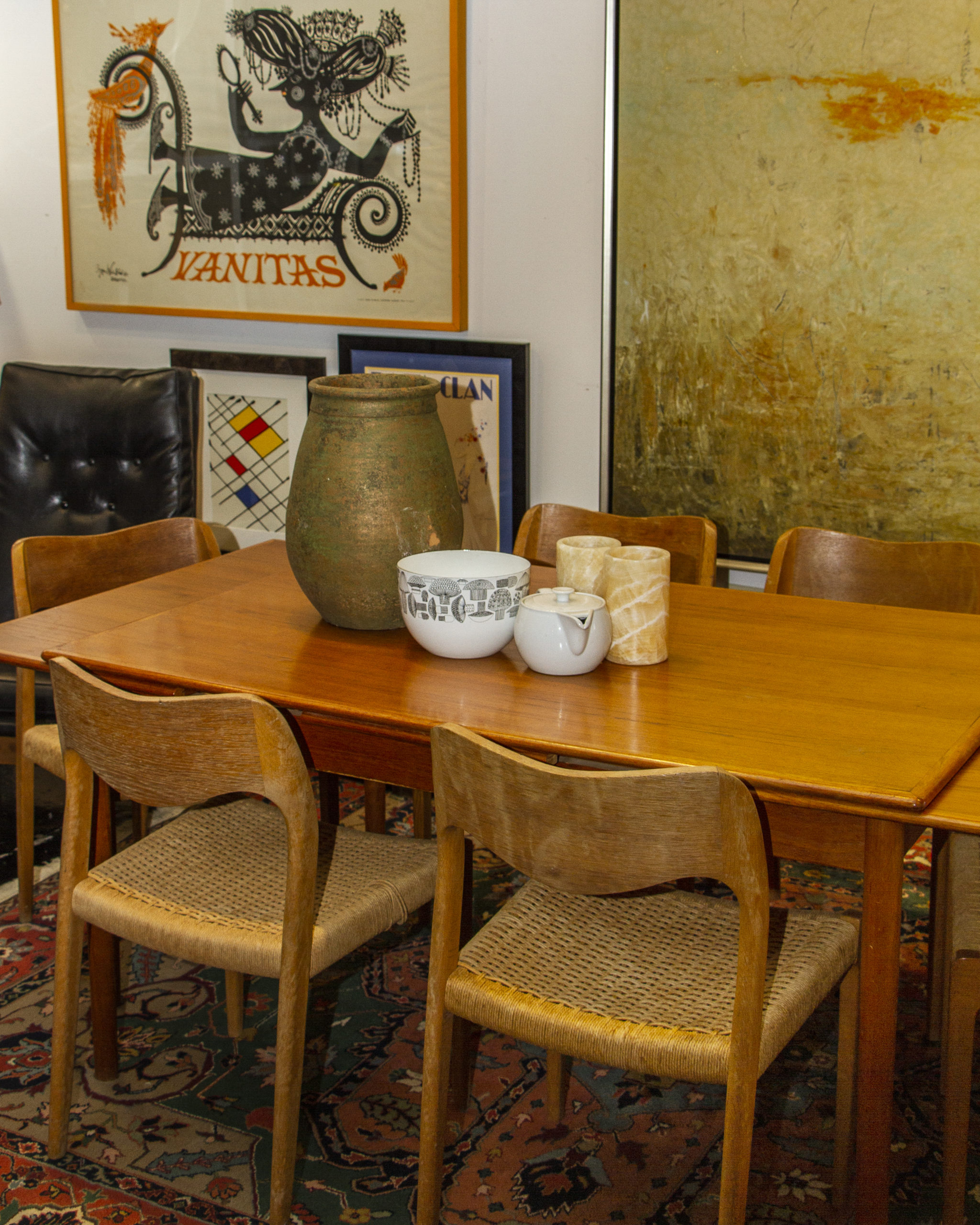
Not all old furniture is created equal. Certain periods and styles hold their value better than others. Mid-Century Modern (MCM), roughly from the 1940s to the 1960s, remains incredibly popular in 2026. Designers like Eames, Noguchi, and Wegner defined an era of clean lines and functional beauty. Pieces from this time are sought after not just for their looks but for their innovative use of materials like molded plywood and fiberglass. If you spot a chair with a label from a known manufacturer, you might have a winner.
But don’t sleep on other eras. Victorian furniture, often mocked for being too ornate, is making a comeback. The carving detail on a late 19th-century sideboard can be exquisite. Arts and Crafts movement pieces, with their emphasis on handcrafted simplicity and natural materials, are also highly collectible. Even 1980s postmodern designs, with their bold colors and geometric shapes, are seeing a resurgence among younger buyers who appreciate the irony and flair.
The key is to learn the markers of authenticity. For MCM, look for stamps or labels on the underside of chairs or inside drawers. For older antiques, look for signs of age that are consistent across the piece. Uniform wear on feet, slight discoloration in areas exposed to light, and patina on brass hardware all suggest genuine age. Beware of reproductions. If a piece looks too perfect, too symmetrical, or uses modern hardware on an "antique" frame, it’s probably a fake. Do a quick search on your phone while you’re shopping. A little research can save you from overpaying for a reproduction sold as an original.
The Sustainability Angle: Why Buying Used Is the New Luxury
Let’s face it: the furniture industry has a massive environmental footprint. From deforestation to the carbon emissions generated by shipping bulky items across the globe, the cost of new furniture is high. In 2026, consumers are more aware of this than ever. Buying pre-owned is one of the most impactful things you can do to reduce your personal waste stream. It keeps perfectly good items out of landfills, where they would sit for decades, releasing methane and leaching chemicals into the soil.
But it’s not just about guilt. It’s about quality of life. There’s a certain satisfaction in knowing your dining table has hosted dozens of family dinners before it reached your home. It has history. It has character. New furniture often feels sterile, like it’s waiting to be lived in. Pre-owned furniture feels like it’s already part of the family. It invites you to add your own layer to its story. This emotional connection is something you can’t buy off a showroom floor.
Plus, think about the uniqueness factor. When you buy mass-produced furniture, you’re getting the same item as thousands of other people. Your living room looks like a catalog page. When you buy vintage or secondhand, you’re curating a space that is distinctly yours. You’re mixing eras, textures, and stories. It creates a layered, interesting aesthetic that reflects your personality. In a world of homogenized design, individuality is the ultimate luxury. And it’s sustainable. It’s a win-win that feels good both ethically and aesthetically.
So you’ve found a piece with great bones. The wood is solid, the joints are tight, but the finish is scratched, and the fabric is torn. Now what? This is where many people get scared off. They think restoration is too hard or too expensive. But here’s the secret: some fixes are easy and cheap. Others are best left to pros. Knowing the difference is crucial.
Cosmetic issues are usually fair game. Scratches on wood can often be minimized with wax sticks or touch-up markers. Dull finishes can be revived with a good cleaning and a coat of paste wax. Loose handles can be tightened or replaced. These are weekend projects that require minimal skill. If the structure is sound, don’t let a ugly finish stop you. Paint is a powerful tool, though purists might argue against painting solid wood antiques. For a modern twist, though, a fresh coat of paint on a sturdy dresser can transform it completely.
Structural issues are trickier. Broken legs, wobbly frames, or snapped springs require woodworking skills or specialized tools. If you’re not handy, factor in the cost of hiring a professional restorer. Get a quote before you buy. Sometimes, the cost of repair plus the purchase price exceeds the value of the piece or the cost of a new equivalent. Be realistic. Also, consider the sentimental value. If you love the piece, maybe the cost doesn’t matter. But if you’re buying strictly for investment or utility, do the math. Don’t fall in love with a project that’s going to drain your bank account.
And remember, imperfection is okay. Wabi-sabi, the Japanese aesthetic of finding beauty in imperfection, applies here. A small chip or a faint water ring adds character. It proves the piece is real. It’s been used. It’s lived. Don’t strive for museum-perfect condition unless you’re a collector. For everyday life, a little wear and tear is part of the charm. It makes the furniture feel approachable and warm. Embrace the flaws. They’re part of the story.
Finding value in pre-owned furniture isn’t just about scoring a deal. It’s about shifting your perspective. It’s about slowing down and looking closer. It’s about appreciating the skill of makers past and present. It’s about making choices that are better for your wallet, your home, and the planet. So next time you’re tempted by the convenience of click-to-buy new, pause. Check out that estate sale. Scroll past the first page of listings. Look under the table. You might just find something that lasts a lifetime.