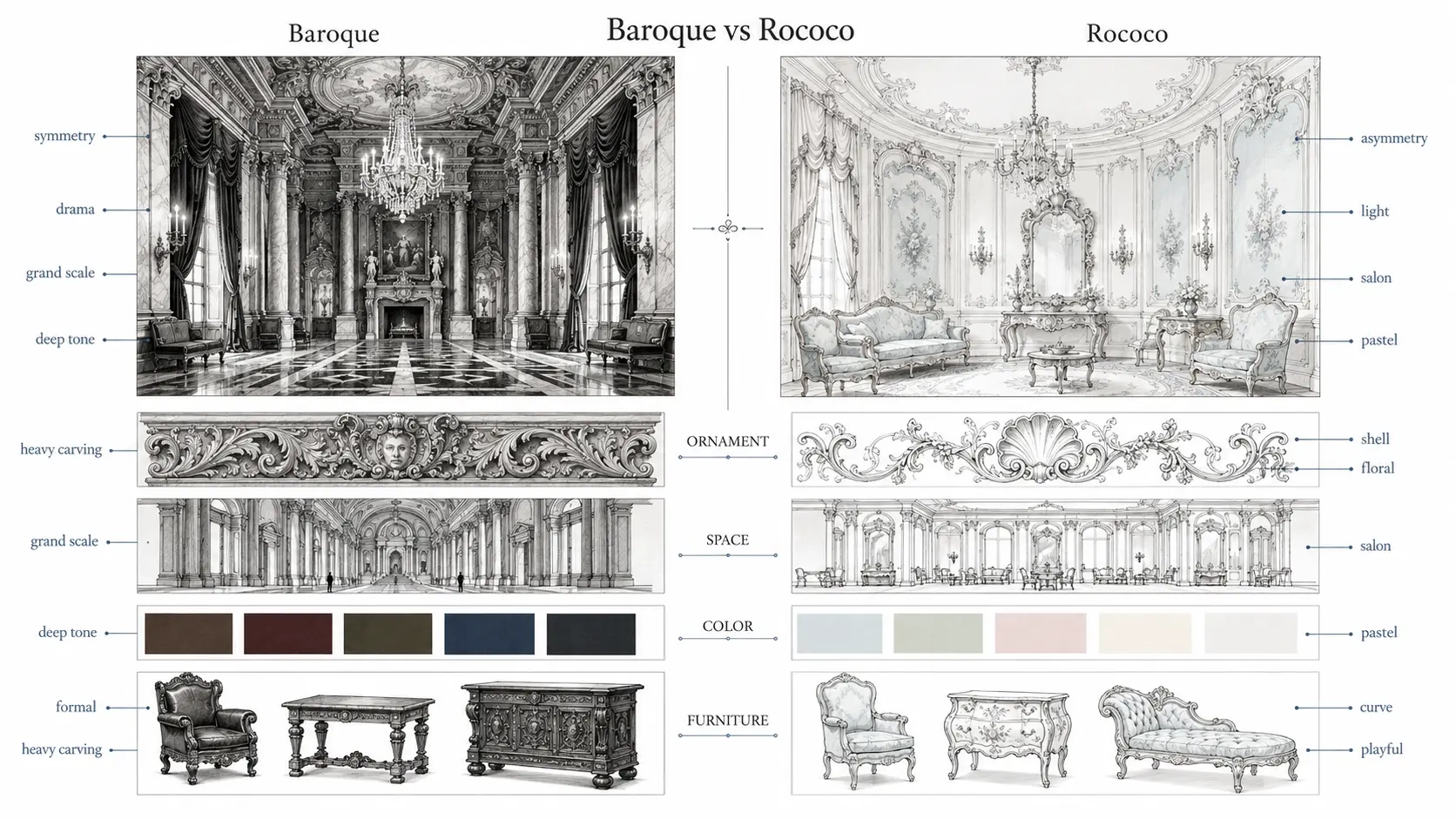
We’ve all seen it. That heavy, gilded mirror hanging in a hotel lobby or perhaps a friend’s dining room that feels just a little too… loud. It’s shiny. It’s ornate. But it’s empty. For decades, "Baroque" became a shorthand for excess, a lazy label slapped onto anything with a curly cue or a coat of metallic paint. We confused the decoration with the soul. We mistook the gold leaf for the gold standard.
But something has shifted. If you walk into the most exciting interiors of 2026, from high-rise apartments in Hong Kong to renovated townhouses in London, you’ll notice a change. The gold is still there, sometimes, but it’s quieter. It’s earned. The real magic isn’t in the shine; it’s in the shadow. It’s in the deep, carved wood that catches the light just so. It’s in the drama of a space that makes you feel something visceral when you walk in. We are finally moving past the costume party version of Baroque and getting back to its true pulse: emotion, movement, and undeniable human craft.
The Myth of the Surface
Let’s clear up a common misunderstanding right away. When we think of Baroque, we usually picture gold. Lots of it. But true Baroque gilding was never just about slapping some yellow paint on a chair leg. It was a metallurgical process, a serious craft. Master craftsmen didn’t just decorate; they built. They applied genuine 23-karat gold leaf over a substrate of gesso—a mix of plaster and glue—that was built up in dozens of thin, painstaking layers.
This matters because it changes how we look at authenticity. Today, we’re flooded with "faux" Baroque items that are essentially plastic molds dipped in metallic spray. They lack weight. They lack history. Experts can spot the difference instantly because real Baroque furniture has depth. The gold sits on top of texture, of labor, of time. When we strip away the cheap imitations, we find that the value wasn’t in the precious metal itself, but in the incalculable effort required to put it there.
In 2026, this distinction is becoming a major talking point in luxury design. People are tired of the disposable. They want pieces that have a backbone. A hand-carved sofa isn’t valuable just because it looks old; it’s valuable because every curve was decided by a human hand, not a machine stamp. This return to appreciating the "how" rather than just the "what" is the first step in finding the soul of the style. It’s about respecting the sweat equity behind the beauty.
Drama as an Emotional Language
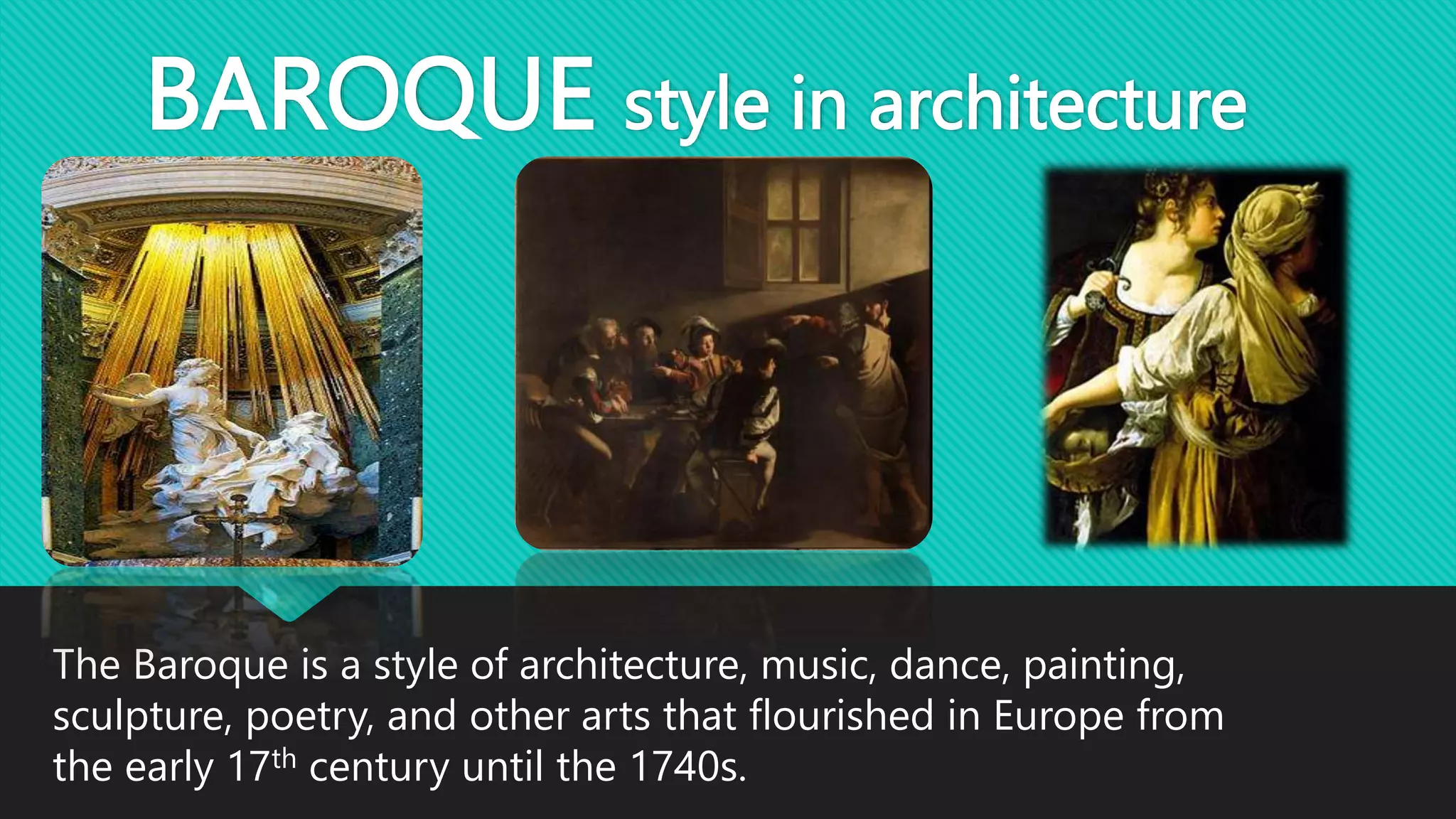
If the Renaissance was about balance, reason, and keeping your cool, the Baroque era was about losing your mind in the best way possible. It was born from faith and drama. It wanted to grab you by the collar and shake you until you felt awe. Art historians often point out that Baroque spaces were designed as divine theatrical spectacles. They weren’t meant to be looked at passively; they were meant to be experienced.
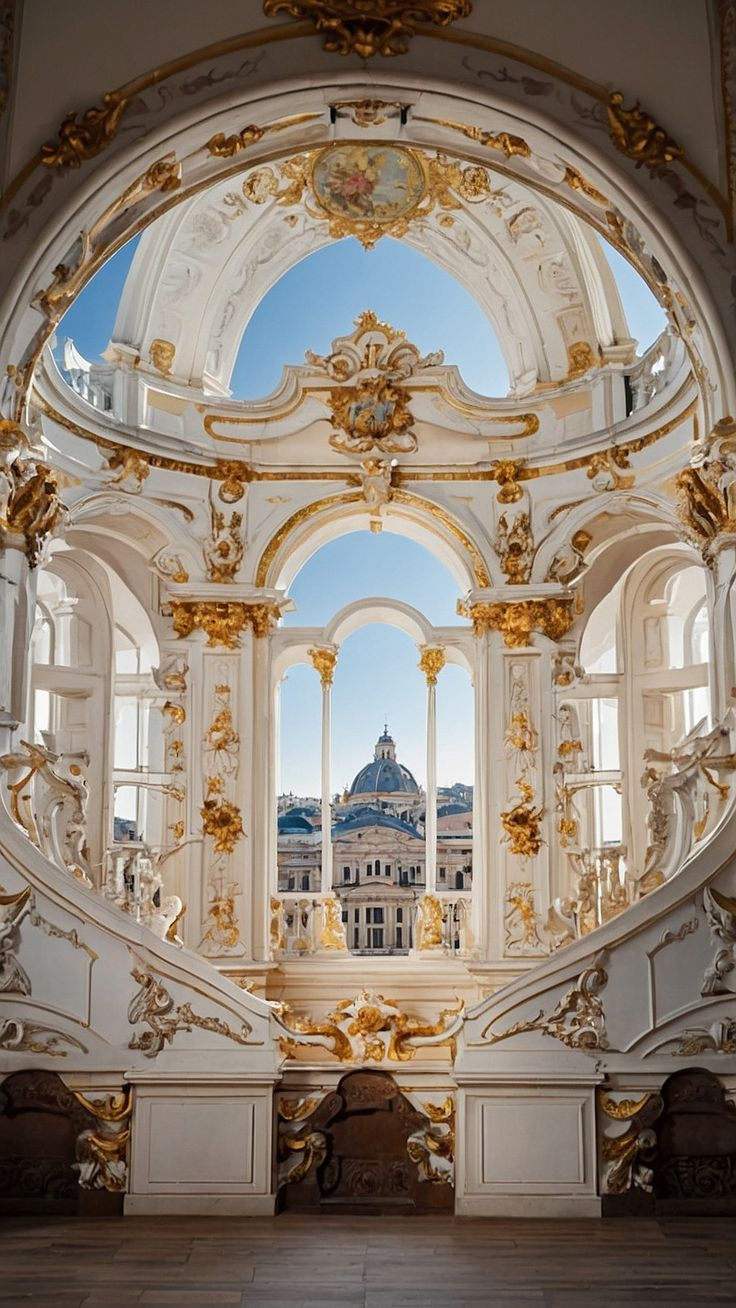
Think about the architecture. Ceilings didn’t just end; they opened up into the heavens. Walls disappeared into mirrored reflections that tricked the eye and expanded the sense of space. This wasn’t just showing off. It was an attempt to evoke emotion. To elevate the viewer’s soul. Every statue, every carving, every fresco had a job to do: make you feel small, or big, or holy, or alive.
Today, we see this same desire for emotional impact in modern culture. It’s why movie soundtracks swell with orchestral intensity. It’s why festival fashion embraces the bold and the bizarre. We are craving that same hit of dopamine, that sense of spectacle. When we bring Baroque aesthetics into our homes now, we aren’t trying to recreate a church. We’re trying to recapture that feeling of being moved. We’re using light and shadow, bold forms and deep textures, to create spaces that don’t just house us, but affect us.
The Global Refraction
For a long time, the story of Baroque was told as a strictly European affair. Italy, France, Spain. The big powers. But that’s a narrow view that misses the richness of what actually happened. As the style spread, it didn’t just copy-paste. It transformed. In Latin America, Asia, and beyond, local artisans took the emotive power of the Baroque and tweaked it. They integrated pre-colonial symbols. They used available materials.
This "Global Baroque" was deeply inventive. It was syncretic, sometimes even subversive. It wasn’t just about reflecting the power of a king; it was about expressing local identity through a new visual language. A church in Mexico might look Baroque from the outside, but inside, the details tell a different story, one woven with indigenous motifs and meanings. This refracted version of the style is arguably more interesting than the original because it’s alive. It’s adapting.
In our current moment, this global perspective is more relevant than ever. We’re seeing a resurgence of interest in these hybrid styles. Designers are looking beyond the European canon to find inspiration in how different cultures interpreted drama and ornamentation. It reminds us that Baroque isn’t a rigid set of rules. It’s a flexible approach to making things feel grand and meaningful. By embracing this wider history, we free ourselves from the stiff, formal constraints of traditional European design and allow for more personal, diverse expressions of luxury.
Craftsmanship in the Age of AI
Here’s a weird thing about 2026: the more artificial intelligence takes over our daily tasks, the more we crave the handmade. There’s a growing fatigue with the perfect, the smooth, the algorithmically generated. In this context, the rough-hewn edge of a hand-carved Baroque sofa feels like an act of rebellion. It’s proof of life.
Recent trends in ultra-luxury markets, particularly in places like Hong Kong, show a fascinating juxtaposition. You’ll see a heavily carved, historic-style piece paired with stark, contemporary art and neutral silks. It creates a high-contrast atmosphere that feels both historic and fresh. Why does this work? Because the handmade masterpiece anchors the space. It provides a tactile reality that digital perfection can’t match.
The value here isn’t just aesthetic; it’s philosophical. Owning a piece of true craftsmanship is a way of connecting to a lineage of human skill. It’s a reminder that someone spent hours, maybe weeks, shaping that wood. That intentionality resonates with us now more than ever. We’re moving away from mass-produced opulence toward curated, meaningful objects. The "soul" of Baroque today is found in this resistance to the disposable. It’s in the choice to invest in something that bears the marks of its maker.
Modern Spaces, Ancient Sensibilities
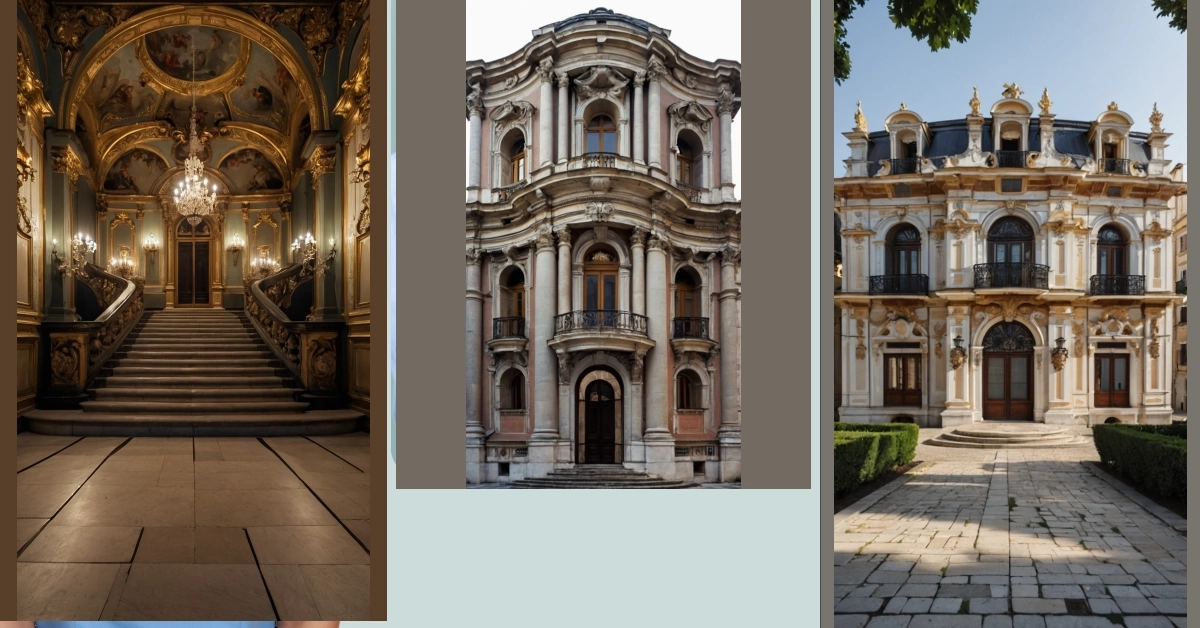
So, how do you actually live with this? You don’t need a palace. In fact, trying to cram full-blown 17th-century grandeur into a modern apartment usually ends in disaster. It feels costumey. The key is to borrow the sensibility, not the entire inventory. Baroque architecture taught us about the power of fat columns, dramatic entrances, and bold interiors. These ideas have slipped into modern design in subtle ways.
Look at contemporary city halls or even trendy boutiques. You’ll see echoes of Baroque boldness. Thick, substantial forms. Interiors that play with light and depth. The goal is to create a sense of movement and captivate the senses without overwhelming them. It’s about using ornamentation with purpose. Every detail should earn its place.
Practical tips for 2026? Start with lighting. Baroque was obsessed with light as a tool for drama. Use focused lighting to highlight textures and create shadows. Don’t flood the room with uniform brightness. Let there be corners of mystery. Next, consider scale. One significant, well-crafted piece is better than ten small, fussy ones. Let a single hand-carved chair or a large, textured rug anchor the room. Finally, embrace contrast. Pair the ornate with the simple. Let the drama breathe.
Why does this matter? Why are we still talking about a style from four hundred years ago? Because the human need for drama, for beauty, for something that lifts us out of the mundane, hasn’t changed. The Baroque era understood that our environments shape our emotions. It understood that art isn’t just decoration; it’s communication.
Today, as we navigate a world that can often feel flat and digital, the Baroque sensibility offers a corrective. It invites us to engage with our surroundings intellectually and emotionally. It asks us to look closer, to feel deeper. Whether it’s in the sweep of a building’s facade or the curve of a chair arm, that dynamic energy is still there. It’s still relevant.
The Neo-Baroque trend in contemporary art continues to prove this. Artists are using ornate, intricate compositions to stimulate viewers, to challenge them, to delight them. It’s not a nostalgia trip. It’s a continuation of a conversation about how we experience the world. By moving beyond the superficial gold leaf, we find that the soul of Baroque is actually quite modern. It’s about authenticity. It’s about impact. It’s about being fully, vividly present.
In the end, finding the true soul of Baroque aesthetics today isn’t about buying antiques. It’s about adopting an attitude. It’s about choosing depth over shine. It’s about valuing the hand that made the object and the emotion it evokes. It’s about letting your space tell a story that’s dramatic, yes, but also deeply, unmistakably human. And honestly? That’s a style that never goes out of fashion.