You walk down the stairs. The air feels cool. Maybe a bit stale. You’re grabbing laundry or checking on stored boxes. It’s just the basement, right? A utility space. A place for things you don’t need every day. But what if I told you that this quiet corner of your home might be holding a secret? One that you can’t see. Can’t smell. Can’t taste. Yet it’s there. Breathing with you.
It sounds like a plot from a spooky movie. But it’s real. And it’s happening in millions of homes right now. In 2026, we have more tools than ever to find it. But many people still don’t look. They assume their home is safe because it looks fine. Because the walls aren’t crumbling. Because there’s no weird smell. That assumption? It’s dangerous.
This isn’t about fear-mongering. It’s about awareness. It’s about knowing what’s under your feet. Literally. The ground beneath your foundation holds elements that decay naturally. Uranium breaks down. It creates a gas. That gas seeps up. Through cracks. Through pores in the concrete. Into the air you breathe. This is radon. And ignoring it is a gamble nobody should take.
What Exactly Is This Invisible Intruder?
Radon isn’t man-made. It’s not a chemical spill or a leaky pipe. It’s natural. It comes from the earth. Specifically, from the breakdown of uranium in soil, rock, and water. Uranium is everywhere. It’s in the ground beneath almost every home in the country. As it decays, it turns into radium, and then into radon gas. This gas is radioactive. That’s the key part. It’s not just a bad smell; it’s emitting energy that can damage living tissue.
Because it’s a gas, it moves. It seeks out paths of least resistance. Your basement is the perfect entry point. It’s the lowest level of your house. It’s in direct contact with the soil. Cracks in the foundation, gaps around pipes, sump pits, even the pores in concrete blocks—these are all open doors for radon. Once it’s inside, it gets trapped. Modern homes are built to be energy-efficient. They’re tight. Sealed. That keeps heat in, but it also keeps radon in. The concentration builds up.
You might think, "My basement is dry, so I’m fine." That’s a common myth. Radon doesn’t care about moisture. It doesn’t need dampness to travel. A bone-dry basement can have sky-high radon levels. Another myth? That insulation stops it. Fiberglass batts in your walls won’t block gas. If there are gaps, if the air sealing isn’t perfect, radon sneaks through. It’s persistent. It’s silent. And it’s odorless. You literally cannot detect it with your senses.
Why Should You Care About Radon in 2026?
Health risks. That’s the bottom line. Radon is the second leading cause of lung cancer. Smoking is number one. But radon is a close second. And here’s the kicker: it affects non-smokers too. In fact, radon is the leading cause of lung cancer among people who have never smoked. When you breathe in radon, radioactive particles get trapped in your lungs. Over time, these particles damage the cells lining your lungs. This damage can lead to cancer. It’s not immediate. It takes years. But the risk is real.
The EPA says any level above 4 picoCuries per liter (pCi/L) is hazardous. But here’s the thing: there is no "safe" level. Even below 4 pCi/L, there is some risk. The lower you can get it, the better. In 2026, health guidelines are stricter than ever. We know more about long-term exposure. We know that low-level exposure over decades adds up. It’s not just about hitting a magic number. It’s about minimizing risk wherever possible.
Think about your family. Kids spend time playing in the basement. Maybe you’ve finished it into a rec room. A home office. A guest suite. If radon is present, everyone breathing that air is at risk. It’s an invisible intruder, silently seeping into your home, posing a profound threat to your family’s health. This isn’t a scene from a thriller; it’s the stark reality. Ignoring it doesn’t make it go away. It just lets the clock tick.
How Radon Sneaks Into Your Home
So, how does it get in? It’s all about pressure. Your home has air pressure. The soil beneath it has air pressure. Usually, the pressure inside your home is slightly lower than the pressure in the soil. This creates a vacuum effect. Your house acts like a giant straw, sucking air from the ground up through the foundation. This is called the "stack effect." Warm air rises and escapes through the upper levels, pulling fresh air (and radon) in from below.
Common entry points include cracks in concrete slabs. Construction joints where walls meet floors. Gaps around service pipes. Sump pumps. Crawl spaces. Even well water can bring radon into your home, though this is less common than soil gas. If you see soil or dust appearing inside your basement, that’s a sign of a breach. If material can get in, gas definitely can. These visible leaks make it simple for invisible gases to flow in freely.
It’s not just old houses. New constructions can have high radon too. In fact, sometimes newer homes are tighter, meaning less natural ventilation. Without proper mitigation systems installed during building, radon can accumulate quickly. It doesn’t discriminate based on age, style, or value of the home. It’s purely geological. If the soil under your house has uranium, you have potential for radon. Period.
The Only Way to Know: Testing in 2026
You can’t guess. You can’t look. You must test. This is the only definitive indicator of high radon. In 2026, testing is easier and cheaper than ever before. You have options. Short-term tests. Long-term tests. Digital monitors. Professional services.
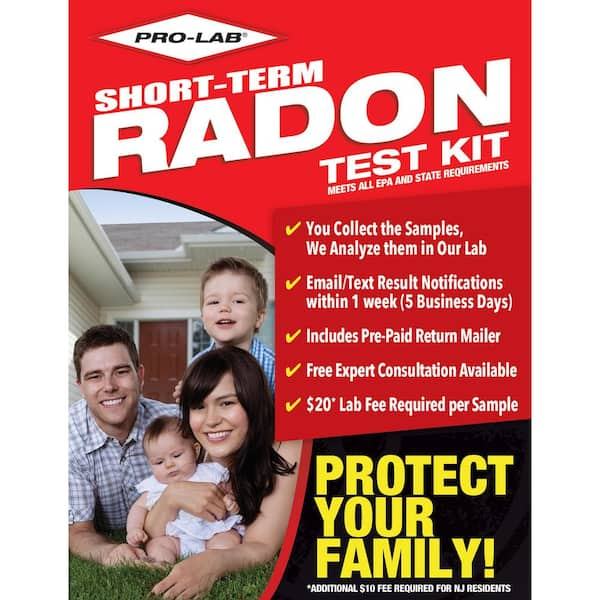
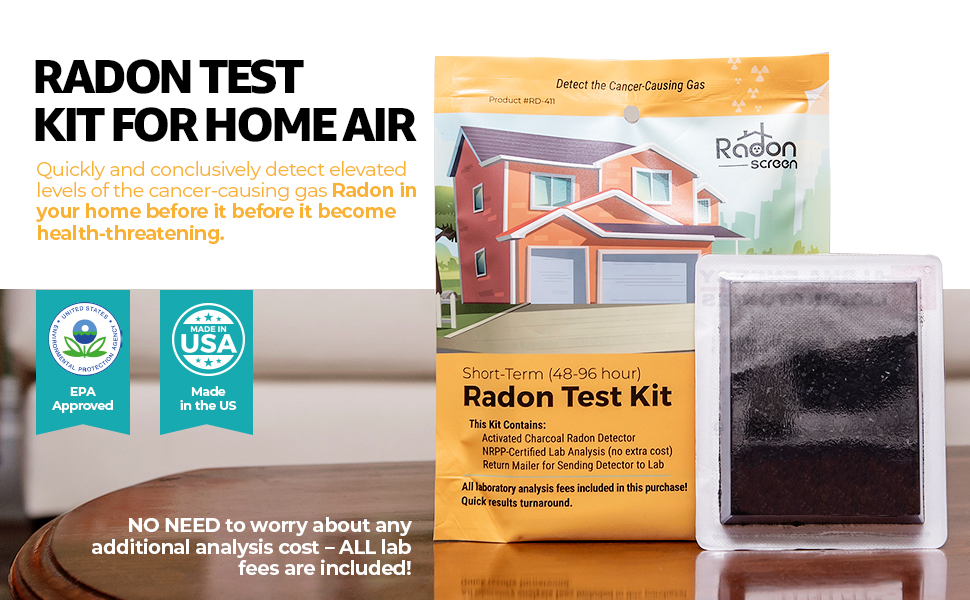
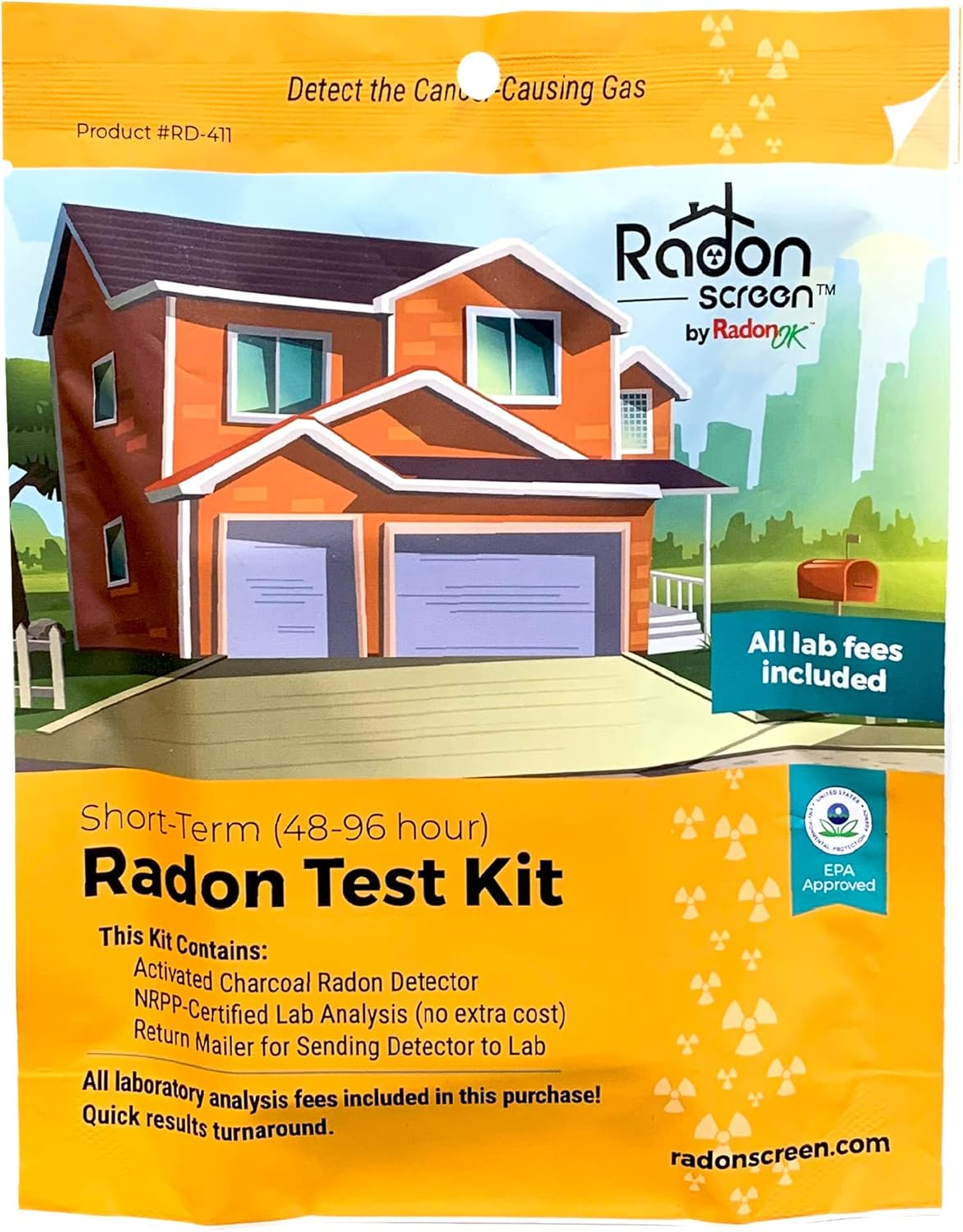
Short-term tests usually last 2 to 7 days. They give you a quick snapshot. They’re good for initial screening. You can buy these kits at hardware stores or online. They’re simple. You place the detector in the lowest lived-in level of your home. Keep windows closed. Follow the instructions. Send it back to the lab. Wait for results.
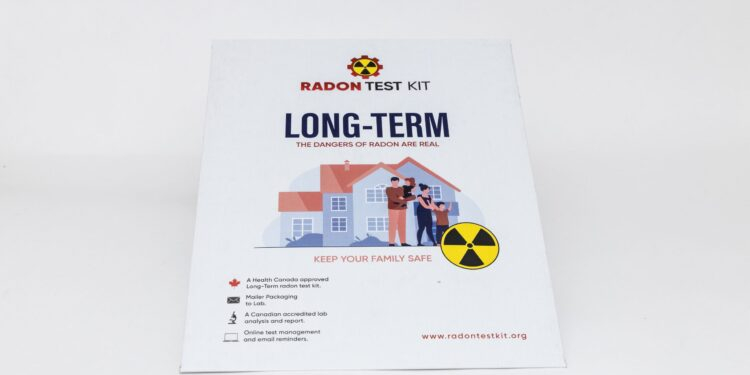
Long-term tests stay in your home for more than 90 days. They give a more accurate picture of your year-round average. Radon levels fluctuate. They change with the seasons. Weather. Barometric pressure. A long-term test smooths out these variations. It tells you the true story. Many experts recommend starting with a short-term test. If it’s high, follow up with a long-term one or a mitigation system.
Digital radon monitors are gaining popularity in 2026. They provide real-time data. You can see levels change hour by hour. Some connect to your phone. They alert you if levels spike. These are pricier upfront but offer peace of mind. No waiting for labs. No guessing. Just data. Whatever method you choose, test. Don’t skip this step. It’s the only way to know if you’re safe.
What To Do If Levels Are High
So, you tested. The results came back. Above 4 pCi/L. Don’t panic. This is fixable. Radon mitigation is highly effective. It’s not a demolition project. It’s a systematic approach to venting the gas away from your home. The most common method is active soil depressurization. A pipe is installed through the foundation slab. A fan pulls radon from beneath the house and vents it above the roofline. It’s simple. It works. It reduces levels by up to 99%.
Sealing cracks helps, but it’s not enough on its own. You can’t seal every tiny pore in concrete. Mitigation systems address the pressure difference. They stop the suction. By depressurizing the soil under your home, you stop the radon from being pulled in. It’s redirected safely outside. These systems are quiet. Energy-efficient. They run continuously. Once installed, you rarely notice them. But they’re working hard.
After mitigation, test again. Make sure the system is working. Retest every two years. Or if you renovate. Or if you notice changes in your home. Maintenance is key. Check the fan. Ensure the pipe isn’t blocked. Keep the system running. It’s a small investment for huge health benefits. Remember, ignoring this invisible threat can compromise your well-being. Knowledge and action are crucial. Take the step. Fix it. Breathe easy.
Myths vs Facts: Clearing the Confusion
There’s a lot of misinformation out there. Let’s clear it up. Myth: "Radon only happens in certain states." Fact: Radon is found in every state. Some areas have higher averages, but high levels can occur anywhere. Don’t assume you’re safe because your neighbor is. Soil conditions vary block by block.
Myth: "If I don’t smell anything, I’m fine." Fact: Radon is odorless. You will never smell it. Relying on your nose is useless. Testing is the only way. Myth: "Radon problems are only in basements." Fact: Radon can rise to upper floors. While levels are highest in the basement, they can be significant on the first and second floors too. Especially in tightly sealed homes.
Myth: "Mitigation is too expensive." Fact: The cost is comparable to other common home repairs. Think of it like replacing a water heater or fixing a roof. It’s a one-time cost for lifelong protection. Compared to medical bills from lung cancer? It’s a bargain. Myth: "I’ll wait until I sell my house to test." Fact: Why risk your health now? Test today. Fix it if needed. Protect your family immediately. Don’t wait for a real estate transaction to prioritize your health.
We worry about so many things. Locking doors. Installing alarms. Checking smoke detectors. But radon? It’s often overlooked. It’s invisible. It’s easy to ignore. But in 2026, we have no excuse. We know the risks. We have the tools. Testing is simple. Mitigation is effective. The power is in your hands.
Start today. Buy a test kit. Or hire a pro. Get the numbers. If they’re high, act. Don’t delay. Your lungs will thank you. Your family will thank you. It’s not about fear. It’s about responsibility. It’s about making your home truly safe. Not just structurally sound. But healthy.
Think of your home as a sanctuary. A place of rest. Of comfort. Of safety. Ensure it’s free from hidden dangers. Radon is a solvable problem. It’s not a life sentence. It’s a fix. A simple, straightforward fix. So go ahead. Check your basement. Test the air. Take control. Because the only thing worse than knowing is not knowing. And once you know, you can protect what matters most.