You know that feeling when you’re halfway through a movie, the scene gets dark and intense, and then… it buffers. The spinning wheel of doom. It ruins the mood instantly. We’ve all been there. You built a server a few years ago, thought it was enough, and now it’s choking on the new high-bitrate 4K remuxes everyone is sharing. It’s frustrating. But here’s the good news: building a media server in 2026 is actually easier and cheaper than it’s ever been, if you know where to look.
The landscape has shifted. A couple of years ago, you needed a pricey dedicated graphics card just to handle a few streams. Today? You can get incredible performance from hardware that sips power and costs less than a nice dinner out. Whether you are hoarding every episode of a show since 2005 or just want to stream your family videos to grandma’s house, the right rig makes all the difference. Let’s cut through the noise and figure out what you actually need, not what the marketing guys want you to buy.
The Brain of the Operation: CPU Choices That Don’t Break the Bank
Let’s talk about the processor. For years, Intel has been the king of Plex transcoding, and in 2026, that crown isn’t slipping anytime soon. Why? Because of QuickSync. If you aren’t familiar, QuickSync is Intel’s built-in media engine that handles video decoding and encoding without taxing the main CPU cores. It’s magic. For most home users, you don’t need a top-tier i9 or Ryzen 9. Those are overkill. What you need is a modern chip with a robust media engine.
Look at the Intel Core i3-14100 or even the older 12th-gen i3-12100. These chips are absolute workhorses for media serving. They can handle multiple 4K transcodes simultaneously thanks to their integrated graphics. AMD has caught up somewhat with their newer APUs, but Intel’s driver support and consistency in Plex still give them the edge for pure media serving duties. If you are building from scratch in 2026, an i3 or i5 from the 13th or 14th gen is the sweet spot. It’s cheap, runs cool, and gets the job done.
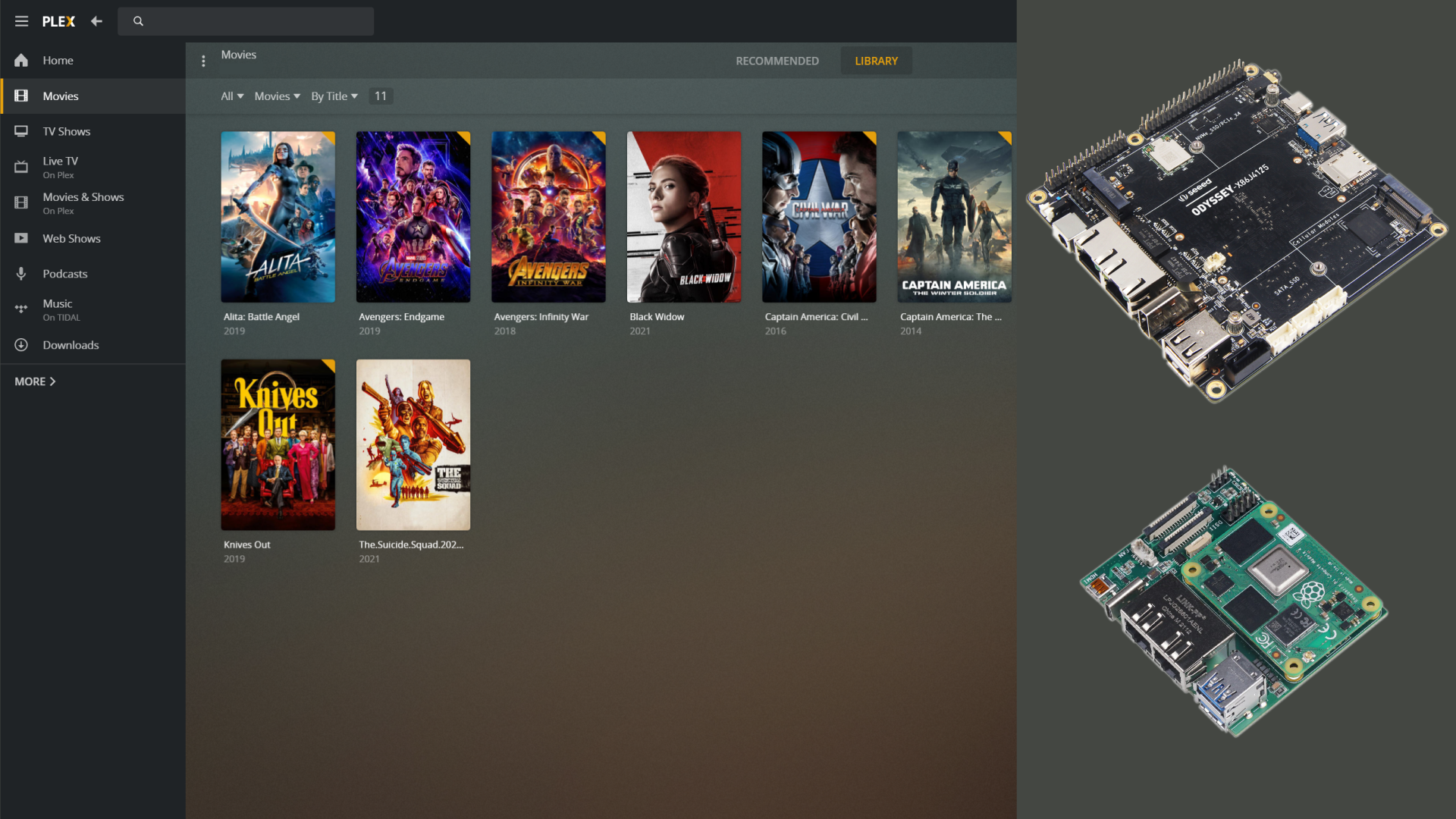
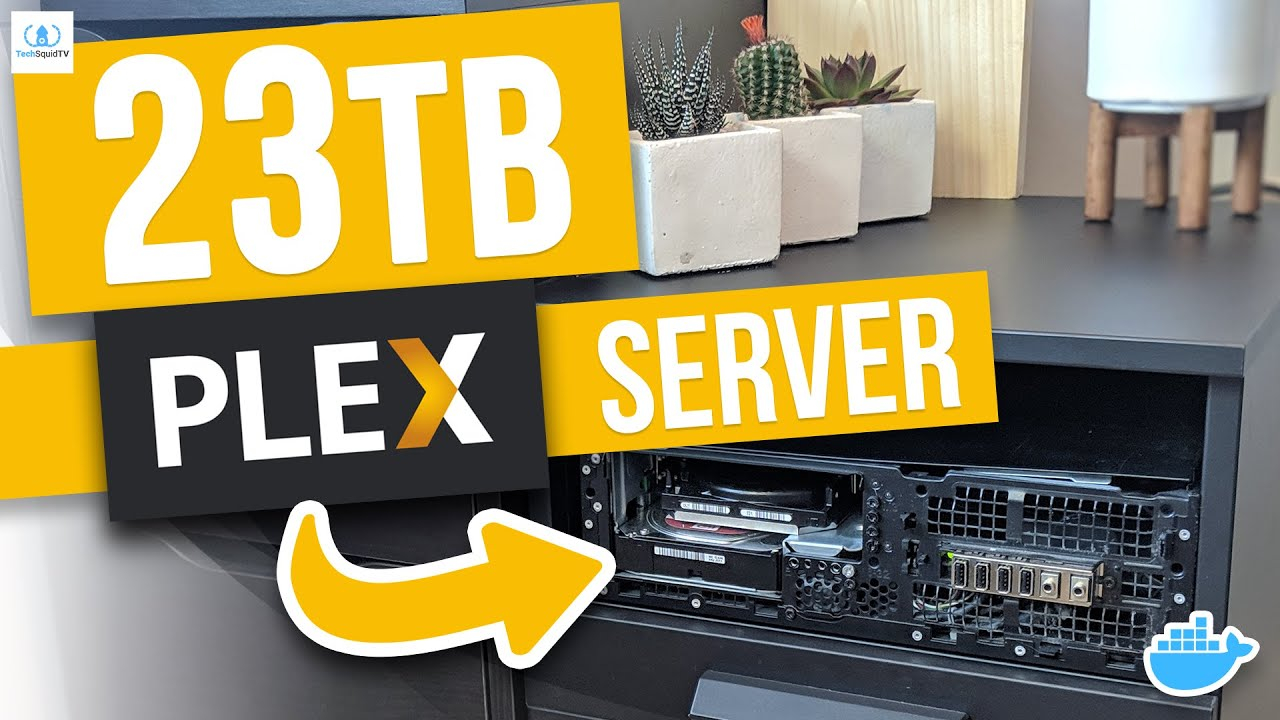
Don’t forget about the "scavenger" route either. The used market is flooded with off-lease enterprise mini PCs like the Lenovo ThinkCentre or Dell OptiPlex models from three or four years ago. You can often find these for under $150. They come with capable Intel CPUs that support QuickSync. For a single-family household with maybe two or three streams going at once, these tiny boxes are perfect. They sip electricity, which matters when the server is running 24/7. Save your pennies on the CPU so you can spend them where it counts: storage.
The Secret Weapon: Why GPUs Still Matter in 2026
You might be thinking, "Wait, didn’t you just say the CPU handles everything?" Mostly, yes. But there’s a catch. As libraries grow and users demand higher quality, or if you have friends outside your house streaming your content, the integrated graphics can hit a ceiling. This is where a discrete GPU comes in. In 2026, the standout champion isn’t an NVIDIA RTX 4090. It’s the Intel Arc A310.
Sounds weird, right? An entry-level Intel card beating out the giants? Here’s why. The Arc A310 supports AV1 encoding. AV1 is the new standard for efficient video compression. It looks better at lower bitrates, saving you bandwidth and storage space. The A310 handles this effortlessly while consuming only about 50 watts of power. Recent tests show it can handle over ten simultaneous 1080p streams or several heavy 4K transcodes without breaking a sweat. And the price? Around $109. It’s unbeatable value.
NVIDIA cards are still great, don’t get me wrong. If you already have an older GTX 1650 or RTX 3050 lying around, use it. They work fine. But buying new? The power efficiency and AV1 support of the Intel Arc series make it the smart play for a dedicated media box. Just remember, if you go the GPU route, you need to make sure your motherboard has a PCIe slot and your power supply can handle it. Also, setting up GPU passthrough in Linux or virtual machines can be a headache, so if you’re running Windows, it’s plug-and-play. If you’re into Linux, be prepared to tinker.
Storage Strategy: Speed vs. Capacity vs. Paranoia
Here is where people mess up. They buy fast NVMe drives for storing movies. Stop doing that. Movies don’t need speed; they need capacity. An HDD (Hard Disk Drive) is perfectly fine for storing your 50GB 4K movie files. The read speeds of a modern 7200RPM drive are more than enough to stream even the highest bitrate content to multiple devices. Save the expensive NVMe SSDs for your operating system and your Plex database. This makes the interface snappy and metadata loading instant.
But what about data safety? If you have thousands of hours of content, losing it hurts. Really hurts. This is where RAID or ZFS comes in. If you are building a serious NAS (Network Attached Storage), look into TrueNAS Scale or Unraid. Unraid is fantastic for home users because it lets you mix and match drive sizes. You can add a 4TB drive today, an 8TB next year, and a 16TB later. It’s flexible. RAID, on the other hand, usually requires matching drives. For a Plex library, flexibility often wins.
Don’t skimp on the power supply for your storage rig. Hard drives are mechanical. They fail. It’s not a matter of if, but when. Use a reliable PSU with enough headroom. And please, for the love of data, have a backup strategy. RAID is not a backup. It’s for uptime. If your house floods or a thief takes the whole server, RAID won’t save you. Keep a copy of your irreplaceable home videos on a cloud service or an offline drive stored at a friend’s house. It’s paranoid, sure, but you’ll thank yourself later.
The Network Bottleneck Nobody Talks About
You can have the fastest server in the world, but if your network is clogged, it’s useless. In 2026, Wi-Fi 6E and Wi-Fi 7 are common, but for a server, wired is still king. Always, always connect your Plex server via Ethernet cable. Cat5e is technically enough for gigabit speeds, but why not run Cat6? It’s future-proof and costs almost the same. This ensures that when you’re transferring huge files to the server or streaming locally, you aren’t fighting with interference from your neighbor’s microwave.
If you are streaming to devices outside your home, your upload speed from your ISP is the limiting factor. Most residential connections have terrible upload speeds. If you have 10 Mbps upload, you can’t stream three 4K movies at once. You’ll need to transcode them down to 1080p or 720p, which brings us back to needing a good CPU or GPU. Check your internet plan. If you’re serious about sharing your library, you might need to upgrade to a fiber connection with symmetric speeds. It’s worth it for the peace of mind.
Also, consider your router. Cheap ISP-provided routers often struggle with multiple high-bandwidth connections. A decent mid-range router with good QoS (Quality of Service) settings can help prioritize your media traffic. You don’t need a $500 enterprise router, but don’t stick with the free one from 2018 either. A smooth network experience is invisible. You only notice it when it’s broken. Make it invisible.
Operating System: The Soul of the Machine
Hardware is just metal and silicon without software. Choosing the right OS depends on your comfort level. If you are new to this, Windows 11 Pro is the easiest path. It recognizes hardware instantly, drivers are easy to install, and Plex runs natively. The downside? Windows updates can force restarts, and it uses more resources in the background. It’s not as efficient as Linux, but for a beginner, it’s less frustrating.
For those willing to learn, Linux is the superior choice. Ubuntu Server or Debian are solid bases. But the real stars are specialized distros like Unraid or TrueNAS Scale. Unraid costs money, but it’s incredibly user-friendly for managing drives and Docker containers. You can run Plex, Jellyfin, and downloaders all in isolated containers. It keeps things clean. TrueNAS Scale is free and uses ZFS, which is amazing for data integrity, but it’s stricter about hardware requirements.
Virtualization is another angle. If you have a powerful server, you might run Proxmox. This lets you create virtual machines for different tasks. You can have one VM for Plex, one for Home Assistant, and one for gaming. It’s complex to set up, especially passing through the GPU to the Plex VM, but it offers ultimate control. In 2026, tools have made this easier, but it’s still not for the faint of heart. Pick the OS that matches your patience level, not just your technical ambition.
Power, Noise, and The Human Factor
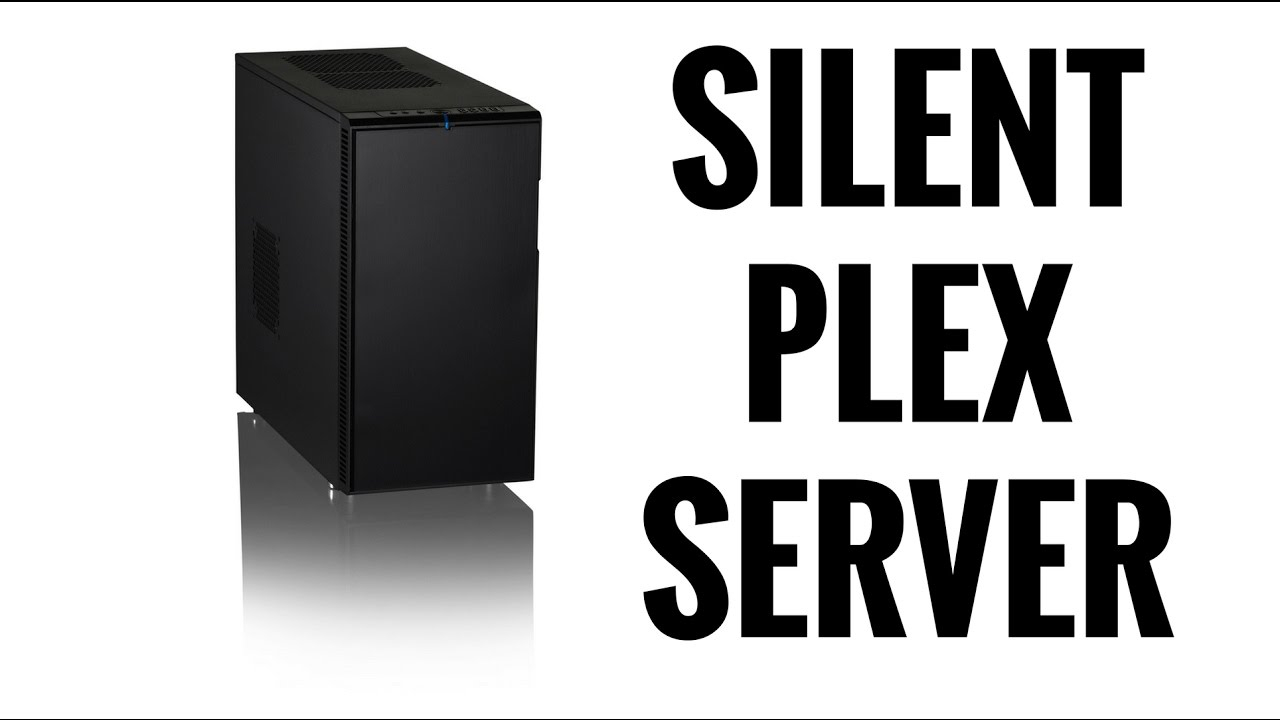
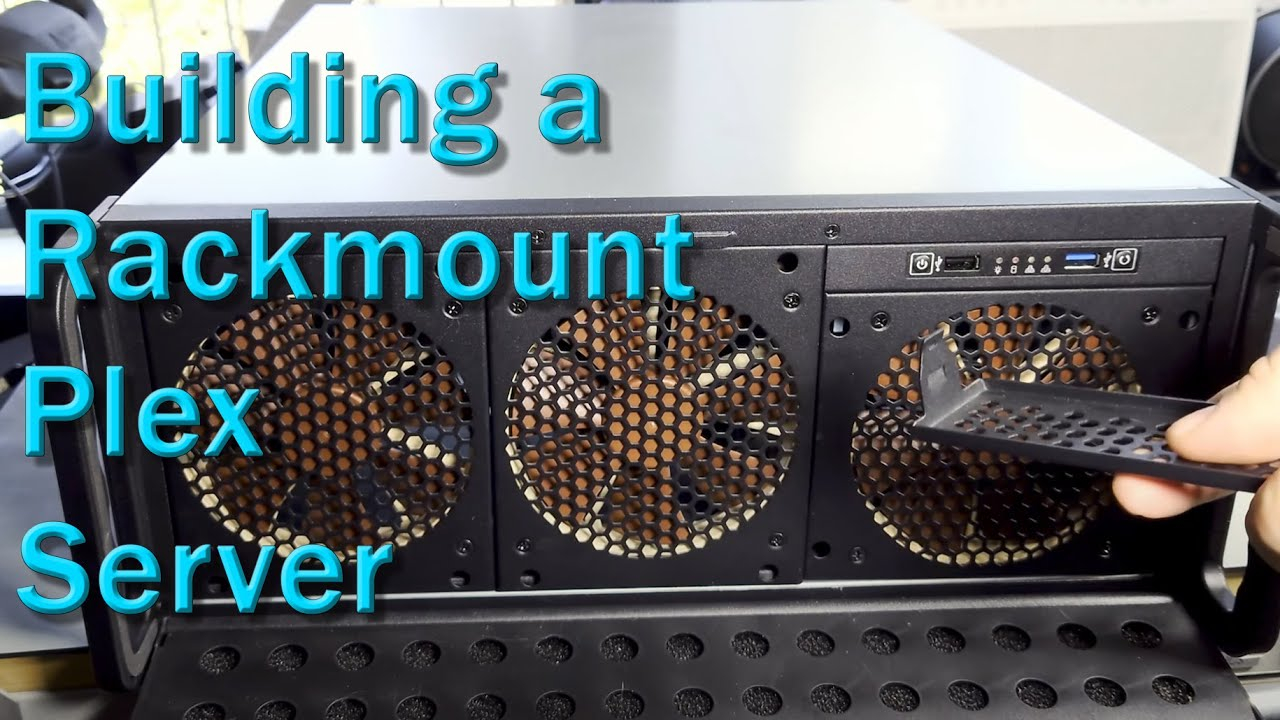
Let’s get real for a second. This server is going to live in your house. Maybe in the living room, maybe in a closet. If it sounds like a jet engine, you’re going to hate it. Noise matters. When choosing a case, look for one with good airflow but sound dampening. Fractal Design and Node cases are popular for a reason. They are quiet. Also, pay attention to fan curves. You can usually adjust them in the BIOS to keep fans slow and quiet until the CPU actually gets hot. Since media serving is rarely 100% load, your fans should barely spin.
Power consumption adds up. A server running 24/7 draws electricity every hour of every day. A inefficient build might cost you $150 a year in power. An efficient one might cost $40. Over five years, that’s a huge difference. This is why we recommended low-power CPUs and efficient GPUs like the Arc A310. Every watt counts. Use a kill-a-watt meter to check your draw after building. You might be surprised.
Finally, think about accessibility. Can you easily swap a drive if it fails? Do you have USB ports on the front for quick transfers? These small quality-of-life features make maintaining the server less of a chore. Building a Plex server isn’t a one-and-done project. It’s a living thing. It grows. Make sure the physical box allows for that growth without requiring a screwdriver and an hour of frustration every time you add a movie.
So, what’s the verdict? For most people in 2026, the perfect Plex server isn’t a supercomputer. It’s a modest Intel i3 or i5 paired with plenty of hard drive storage and maybe an Intel Arc A310 if you have heavy transcoding needs. It’s about balance. Don’t overspend on speed you won’t use. Don’t underspend on reliability you’ll regret.
Start with what you have. Got an old laptop? Try it. Got an old desktop? Throw an SSD in it. See how it performs. Only upgrade when you hit a wall. That’s the beauty of digital media. It’s flexible. And remember, the goal isn’t to have the most powerful server on the block. The goal is to press play and watch your movie without thinking about the technology behind it. That’s the win.
Take your time. Read the forums. Ask questions. The community is vast and helpful. And when you finally sit down, popcorn in hand, and the movie starts instantly in crisp 4K, you’ll know it was worth the effort. Happy building.