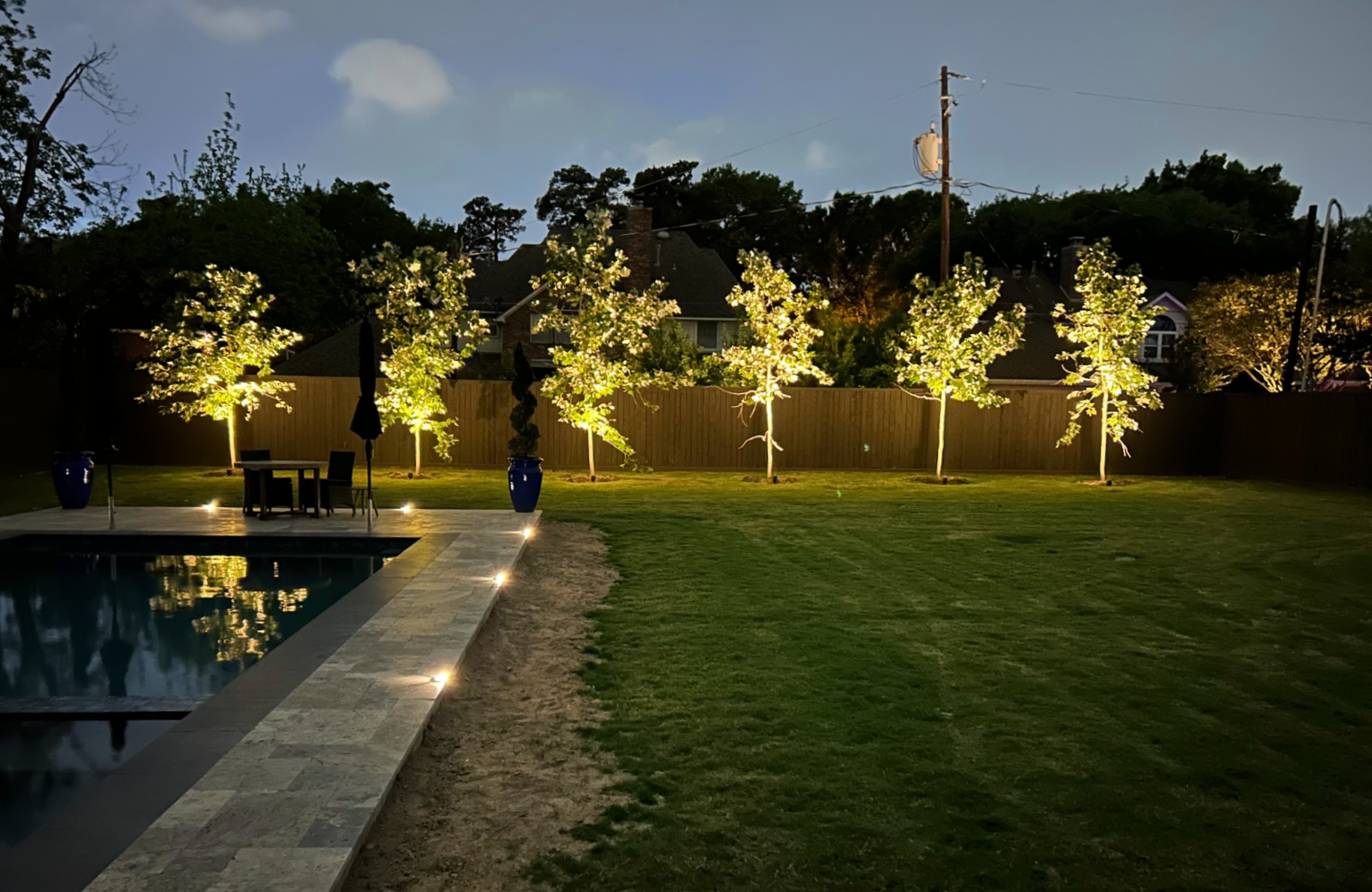
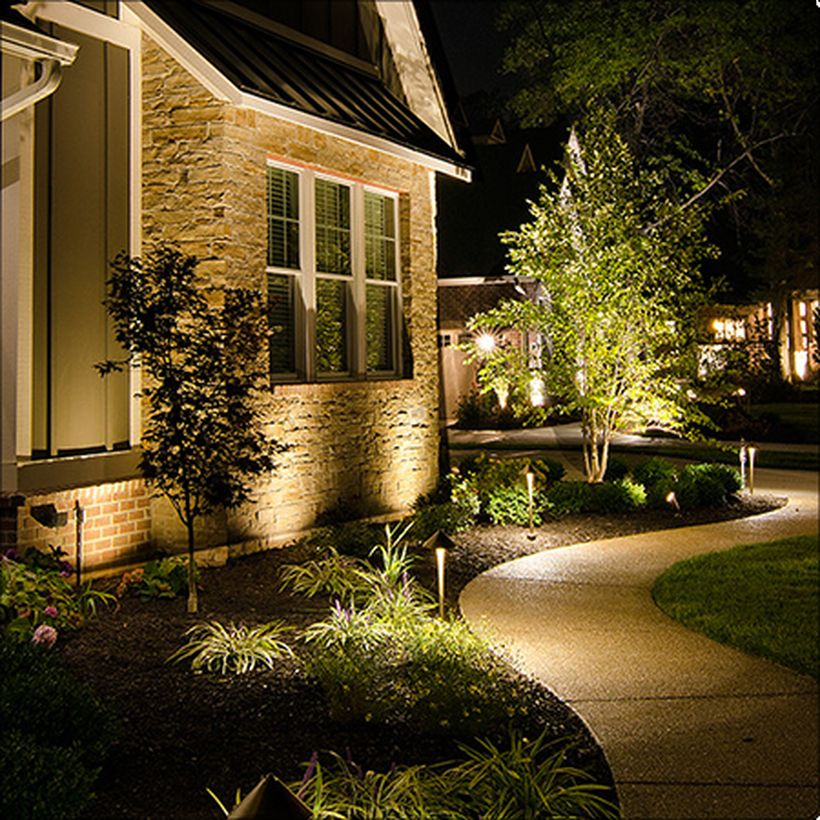
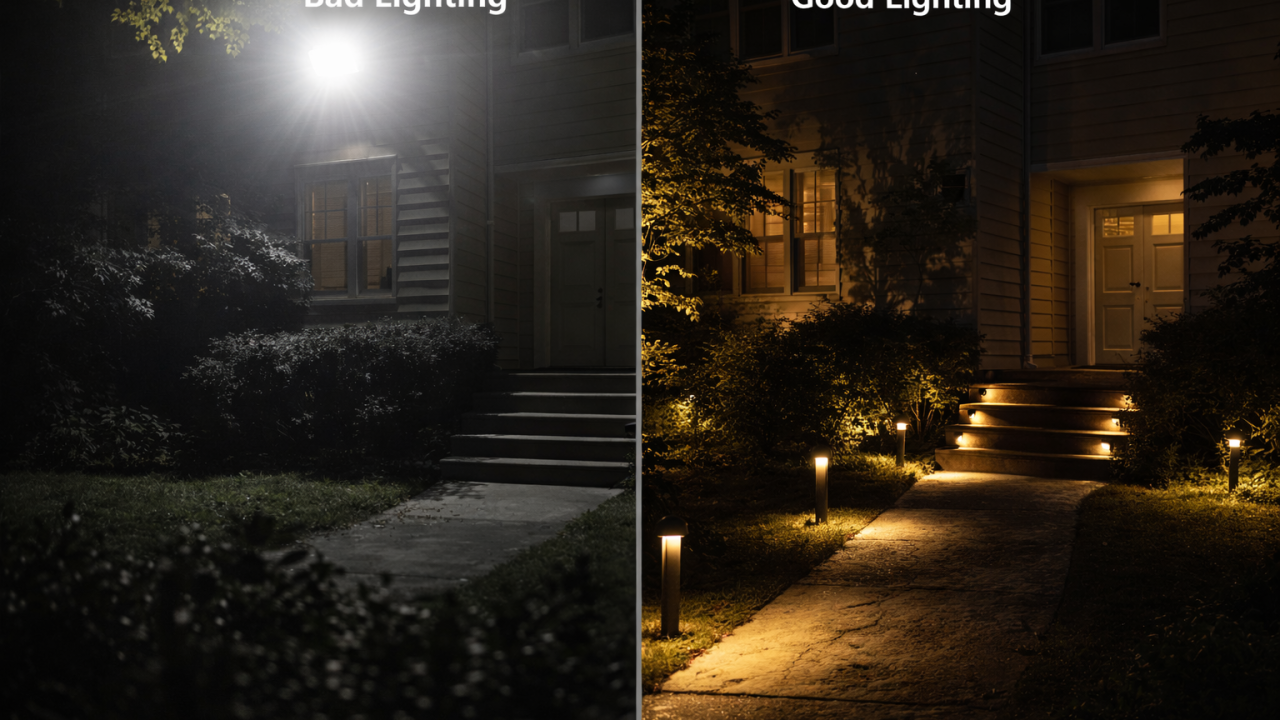
You know that feeling when you walk up to a house at night, and the path just… glows? It’s not blinding. It’s not those harsh, blue-tinted LEDs that make your yard look like a parking lot. It’s warm. Inviting. Safe. But here’s the thing nobody tells you when you’re standing in the big-box store aisle: most of those lights will be junk in three years. The plastic cracks. The aluminum corrodes into white powder. The lens fogs up. You’re left with a graveyard of dead fixtures stuck in your mulch.
It’s frustrating, right? You paid good money. You dug the holes. You ran the wire. And now you’re doing it all again. That’s why, in 2026, we are seeing a massive shift back to basics. Solid brass. Pure copper. These aren’t just materials; they’re investments. They’re the difference between buying a light every few years and buying one that outlasts your mortgage. If you’re tired of the cycle of replace-and-regret, you’ve come to the right place. Let’s talk about how to get it right this time.
Why Material Matters More Than Style
Let’s be honest. We all pick lights based on how they look first. That’s human nature. You see a sleek modern cylinder or a classic lantern shape, and you imagine it in your garden. But style is fleeting. Material is forever. In the world of landscape lighting, the housing—the actual body of the light—is the only thing that matters for longevity. Everything else, like the bulb or the lens, can be swapped out. But if the housing fails, the game is over.
Aluminum has been the go-to for budget-conscious homeowners for decades. It’s light, cheap, and looks okay when new. But aluminum is reactive. When it meets moisture and salt in the air, it oxidizes. Fast. By 2026, we’ve seen countless reports from coastal areas where aluminum fixtures literally disintegrate within five years. They become brittle. They snap off at the stake. Plastic is even worse. UV rays from the sun break down the molecular bonds, causing cracking and fading. You might save twenty dollars upfront, but you’ll spend hundreds replacing them.
Brass and copper are different beasts entirely. They are noble metals. This means they don’t rust like iron or corrode away like aluminum. Instead, they react with the environment in a way that actually protects them. Think of it like a shield. Over time, they develop a patina—a surface layer that seals the metal underneath from further damage. This isn’t a defect; it’s a feature. It’s why you see centuries-old copper roofs still keeping rain out. When you choose solid brass or copper, you aren’t just buying a light. You’re buying a piece of hardware that understands how to survive the outdoors.
The Case for Solid Brass: Strength and Stability
So, why brass? Brass is an alloy, mostly copper and zinc. This mix makes it harder and more durable than pure copper. If you live in an area with high winds, heavy snow, or where kids (or dogs) might kick a fixture accidentally, brass is your best friend. It doesn’t dent easily. It holds its shape. In 2026, manufacturers are focusing on "solid cast brass" rather than spun brass sheets. Cast brass is thicker, heavier, and feels substantial in your hand. It screams quality.
One of the biggest advantages of brass is its consistency. While it does change color over time, it tends to do so more slowly and uniformly than copper. Many people love the look of aged brass—it turns a deep, rich brown or a muted gold tone before settling into a darker bronze. It’s subtle. It blends well with stone pathways, brick walls, and traditional architecture. If you want your lighting to feel established and permanent, brass delivers that vibe effortlessly.
However, there’s a catch. Not all brass is created equal. You need to watch out for "brass-plated" fixtures. These are usually made of cheap steel or aluminum with a thin layer of brass sprayed on top. Once that layer chips—and it will—you’re back to square one with rusting metal underneath. Always check the product specs for "solid brass" or "cast brass." If the price seems too good to be true, it probably is. Real brass is heavy. If you pick up a light and it feels like a toy, put it back. You want weight. Weight means density. Density means durability.
The Allure of Copper: Living Beauty
Copper is the romantic choice. There’s no other way to say it. Pure copper has a warmth that brass just can’t match. When you first install copper path lights, they shine with a bright, penny-like glow. It’s stunning against green foliage. But the real magic happens over time. Copper reacts with oxygen and moisture to create verdigris—that famous green-blue patina you see on old statues and historic buildings. Some people hate this change. Most people who choose copper absolutely love it. It’s living art.
In recent years, specifically leading up to 2026, copper has become increasingly popular for modern and minimalist landscapes. Why? Because the contrast between the sleek, geometric shapes of modern fixtures and the organic, weathered look of aged copper is visually striking. It softens the hard lines of contemporary design. Plus, copper is naturally antimicrobial. While this doesn’t matter much for a path light, it speaks to the purity of the material. It’s clean. It’s simple. It’s just copper.
But copper is softer than brass. It dents easier. If you have a lawn mower that likes to spit rocks, or if you live in a hail-prone area, copper might show battle scars more quickly. These dents don’t affect performance, but they do affect aesthetics. Some folks argue that these imperfections add character. Others prefer a pristine look. Also, copper is generally more expensive than brass due to raw material costs. It’s a premium product. You’re paying for the beauty and the tradition. It’s a choice driven by heart as much as head.
Coastal and Harsh Climate Considerations
If you live near the ocean, you know the struggle. Salt air eats everything. It’s corrosive, relentless, and unforgiving. Standard stainless steel can even pit in these conditions. Aluminum stands no chance. This is where brass and copper truly shine—pun intended. Both metals have excellent resistance to salt corrosion. However, there are nuances. Copper tends to handle coastal environments slightly better because its patina forms a very tight, protective seal against salt spray. The green layer that forms is essentially a barrier that stops the salt from reaching the metal beneath.
Brass is also great for coastal homes, but you need to be careful with the specific alloy. Some brass mixes contain higher levels of zinc, which can be susceptible to "dezincification" in very salty, wet conditions. This is where the zinc leaches out, leaving behind a porous, weak copper structure. To avoid this, look for "naval brass" or alloys specifically rated for marine environments. In 2026, many top-tier lighting brands are explicitly labeling their fixtures as "coastal rated" or "marine grade." This isn’t just marketing fluff; it’s a crucial distinction for anyone within five miles of the shore.
For those in extreme cold or hot climates, both metals perform admirably. They don’t become brittle in freezing temperatures like plastic does. They don’t warp in intense heat. Thermal expansion is minimal compared to other materials. This means the seals around the lens stay tight. Water doesn’t get in. Fogging doesn’t happen. Whether you’re in snowy Maine or scorching Arizona, solid brass and copper are the only materials that can guarantee a lifetime of service without failing structurally. It’s peace of mind, buried in your garden beds.
Maintenance Myths and Realities
Here’s a secret: the best maintenance for brass and copper path lights is doing nothing. Seriously. Let them be. The idea that you need to polish your outdoor lights to keep them shining is a myth perpetuated by people who don’t understand outdoor dynamics. If you polish them, you strip away the protective patina. You expose fresh metal to the elements, starting the cycle all over again. You’re fighting nature, and nature always wins. Embrace the aging process. It’s part of the charm.
That said, "low maintenance" doesn’t mean "no maintenance." You still need to keep the lenses clean. Dirt, pollen, and spider webs can block up to 50% of the light output. A simple wipe-down with a damp cloth twice a year is usually enough. Check the bulbs, too. Even though LED technology in 2026 is incredibly long-lasting, drivers can fail, or connections can loosen. Since brass and copper fixtures are designed to be opened easily (unlike glued-shut plastic ones), swapping a bulb or tightening a wire is a five-minute job. This repairability is a huge part of their lifetime value.
Some people prefer the look of shiny new metal. If that’s you, you can apply a clear lacquer coat to your brass or copper fixtures. This seals the metal in its current state and prevents patina formation. However, lacquer eventually breaks down under UV exposure. It might peel or crack after a few years, requiring you to strip it and reapply. It’s more work. Most experts recommend letting the metal breathe. If you want a specific finish, buy a fixture that comes with a factory-applied chemical patina. These are stable and designed to look aged from day one, saving you the wait and the worry.
So, how do you actually choose? It comes down to three things: your environment, your aesthetic, and your budget. If you live in a rough climate, have active pets, or want a fixture that disappears into the background with a dark, bronze tone, go with solid brass. It’s tough, understated, and reliable. It’s the workhorse of landscape lighting. It doesn’t demand attention; it just does its job, year after year. It pairs beautifully with traditional homes, stone masonry, and dense plantings.
If you live in a coastal area, love the idea of your lights evolving over time, or have a modern design scheme, choose copper. It’s vibrant. It’s expressive. It tells a story of time and weather. Yes, it costs more. Yes, it’s softer. But the visual payoff is unmatched. The warm glow of light filtering through an aged copper hood is something special. It creates an atmosphere that feels curated and thoughtful. It’s for the homeowner who sees their garden as a sanctuary, not just a yard.
Don’t forget to check the warranty. In 2026, reputable manufacturers of solid brass and copper lights offer lifetime warranties. Not "limited" warranties with asterisks. Real, no-nonsense guarantees. If a company won’t stand behind their material for life, they don’t believe in it either. Look for brands that use standard LED modules, so you aren’t locked into proprietary bulbs that disappear in two years. Invest in the housing. Save on the tech. That’s the smart play. Buy once, cry once, and then enjoy your evenings for the rest of your life.
At the end of the day, your path lights are the handshake of your home. They greet your guests. They guide your family. They define the edge between the wild and the tame. Choosing brass or copper isn’t just about durability; it’s about respect for your space. It’s about saying, "This matters." And when you walk out your front door tonight, and see that steady, warm glow reflecting off a fixture that’s been there for decades, you’ll know you made the right call. No regrets. Just light.