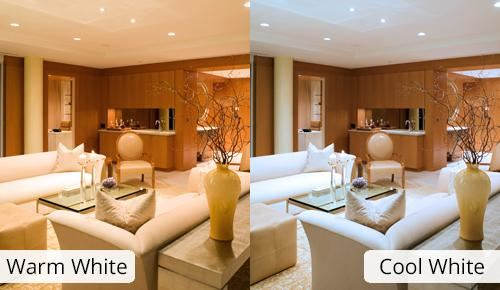
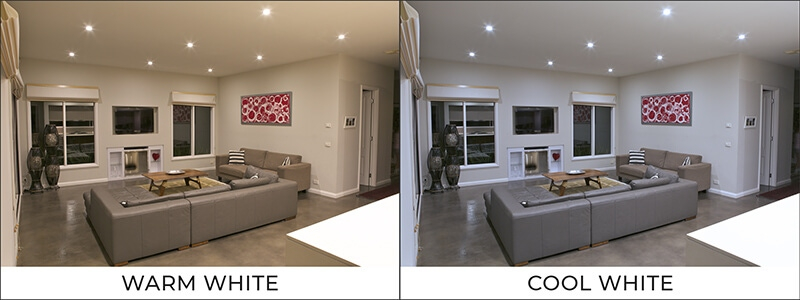
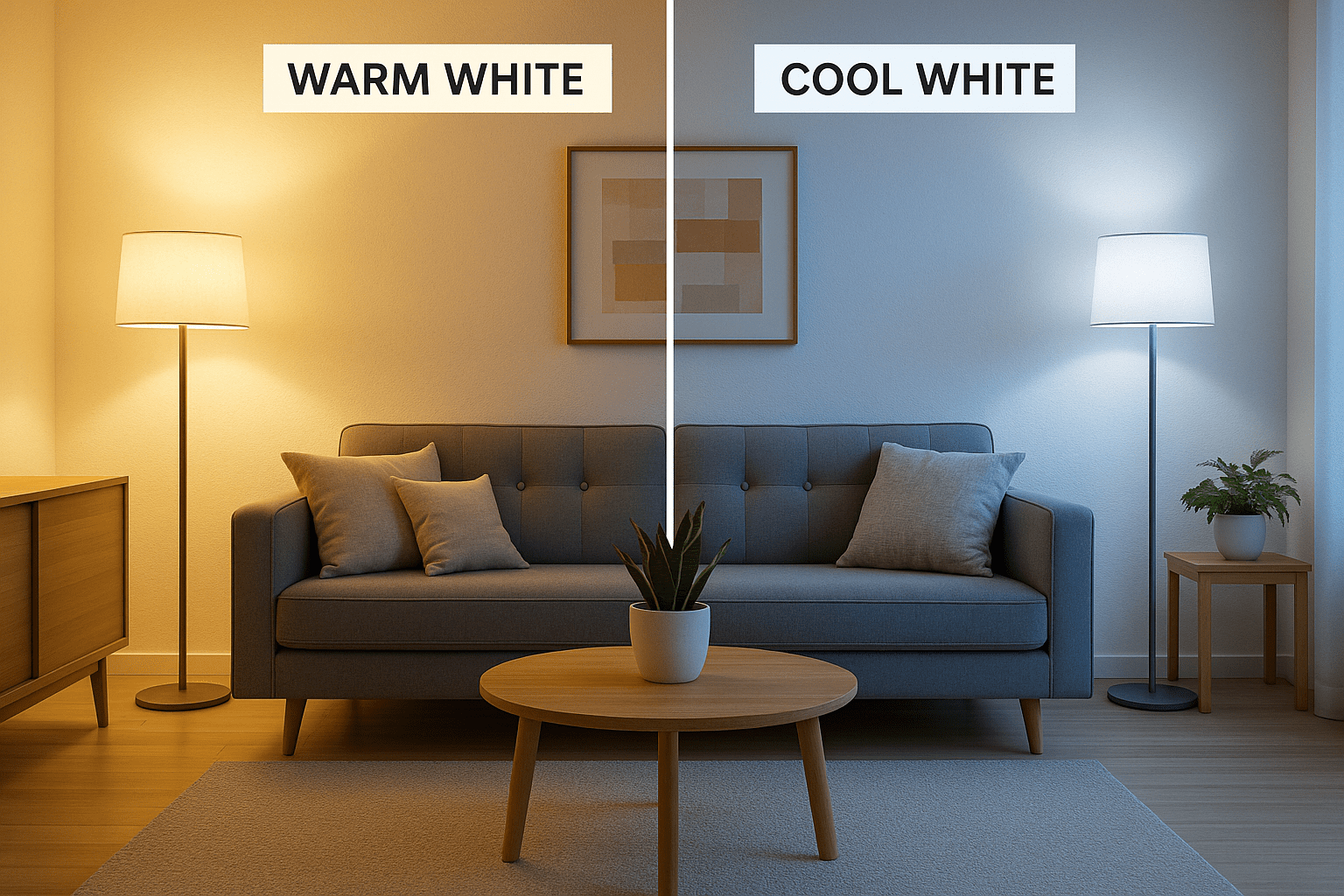
You know that feeling. You walk into a room, maybe your own kitchen or bathroom, and you instantly feel… exposed. The light is bright, sure. But it’s also cold. Sterile. It feels less like a home and more like a dentist’s office waiting room. You squint. You feel a low-level hum of anxiety behind your eyes. That, my friends, is not just "bright" light. That is bad lighting design. And it’s probably because someone told you that "Daylight" bulbs are the best choice for visibility. They lied. Well, they didn’t lie exactly. They just forgot to mention that visibility without comfort is torture.
I’ve spent years watching people buy the wrong bulbs. They see a box labeled "Daylight" and think, "Great, I want my house to feel sunny!" So they screw in a 5000K or 6000K LED bulb. The result? A harsh, blue-white glare that bounces off every surface, highlighting dust motes and wrinkles while draining the warmth out of the space. It’s aggressive. In 2026, we have better options. We understand light differently now. We know that light isn’t just about seeing; it’s about feeling. It’s about biology. It’s about mood. If you hate that harsh, hospital-grade glare as much as I do, you need to understand the quiet power of Soft White and the specific, limited role of true Daylight. Let’s clear up the confusion, once and for all.
The Kelvin Scale Isn’t Just Numbers, It’s Mood
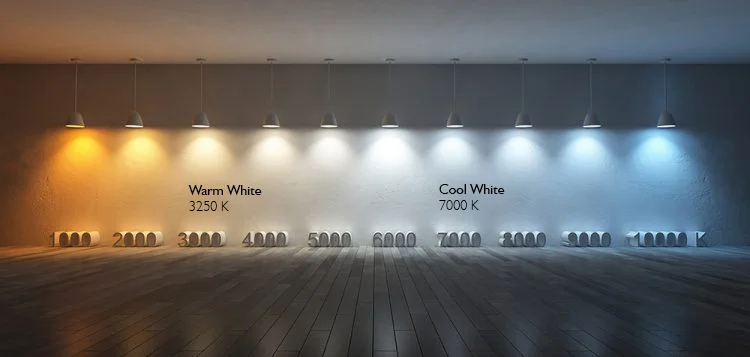
To pick the right bulb, you have to speak the language of light. That language is Kelvin (K). It’s a scale that measures color temperature. Low numbers mean warm, orange-yellow light. High numbers mean cool, blue-white light. Simple, right? But here is where it gets messy. Most people think higher Kelvin means "better" or "brighter." It doesn’t. It just means bluer. And blue light scatters more in the eye. That scattering is what causes glare. That’s the technical term for that uncomfortable squinting sensation. It’s called disability glare, and it reduces contrast. So ironically, by trying to see "better" with high-Kelvin daylight bulbs, you’re actually making it harder for your eyes to process details comfortably.
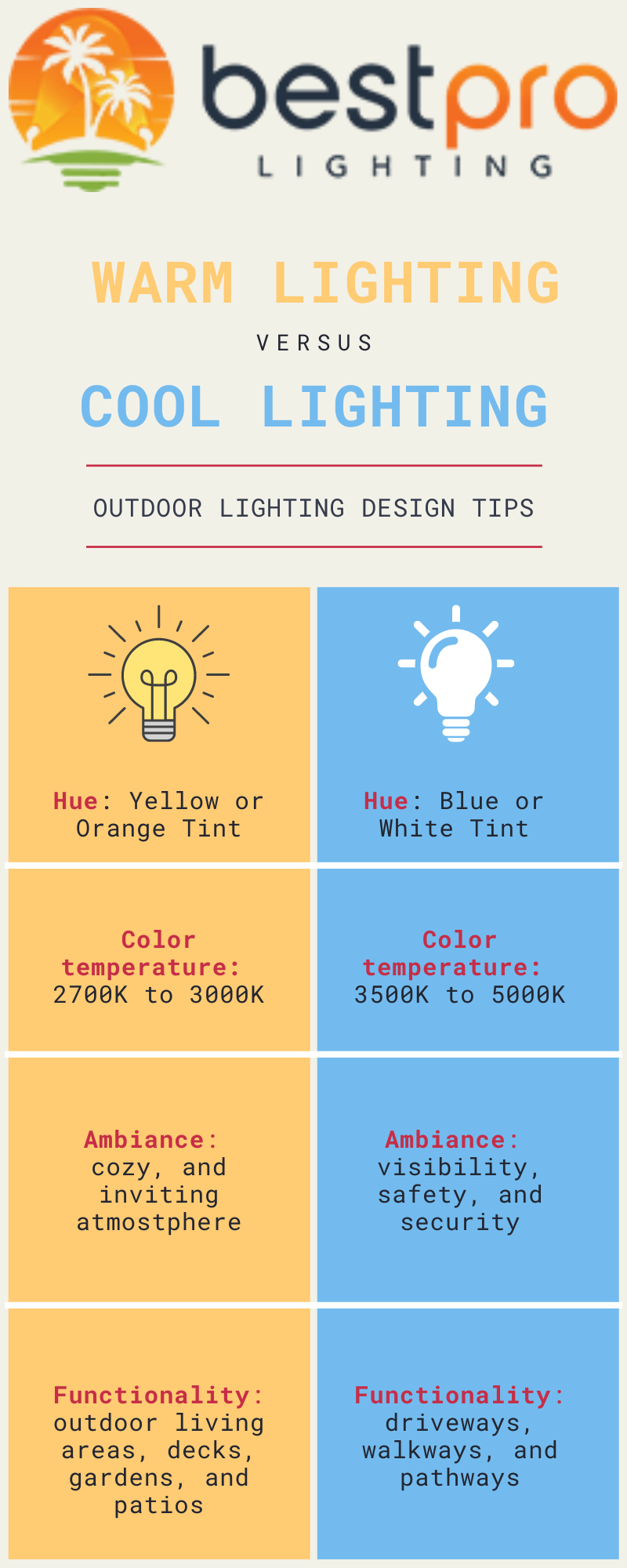
Soft White usually sits between 2700K and 3000K. This range mimics the warm glow of incandescent bulbs or the setting sun. It’s forgiving. It makes skin tones look healthy. It makes wood furniture look rich. Daylight bulbs, on the other hand, typically range from 5000K to 6500K. This mimics noon on a clear day. It’s intense. It’s high-contrast. In a warehouse, this is great. In your living room? It’s brutal. There is a middle ground, often called "Bright White" or "Cool White" (3500K-4100K), but even that can lean too clinical for cozy spaces. The key takeaway? Lower Kelvin equals relaxation. Higher Kelvin equals alertness. Neither is inherently "bad," but using them in the wrong context is a disaster for your comfort.
Think about the last time you felt truly relaxed. Was it under a fluorescent office light? Probably not. You were likely near a fireplace, or outside at dusk, or in a room with lamps casting a golden hue. That’s 2700K territory. Now think about when you need to be sharp. Maybe you’re reading fine print on a medicine bottle or threading a needle. That’s when you might crave the clarity of 5000K. But do you want that intensity blasting you while you’re trying to unwind with a book? No way. The mistake most homeowners make is treating all rooms the same. They buy a 12-pack of 5000K bulbs because they were on sale, and then wonder why their home feels cold and uninviting. Don’t be that person. Respect the Kelvin.
Why Soft White Is the Hero of Home Comfort
Let’s talk about Soft White. Specifically, the 2700K to 3000K range. This is the gold standard for residential lighting. Why? Because humans evolved around fire and sunset. Our brains associate this warm spectrum with safety, rest, and community. When you use Soft White bulbs in your living room, bedroom, or dining area, you are signaling to your nervous system that it’s time to chill out. It reduces eye strain significantly. The lower color temperature produces less scatter in the lens of the eye, which means less glare. You can look at a lamp shade or a lit fixture without flinching. That’s a huge deal for daily comfort.
In 2026, LED technology has made Soft White incredibly efficient and accurate. Old LEDs used to have a weird greenish tint at low temperatures. Not anymore. Modern high-CRI (Color Rendering Index) Soft White LEDs render colors beautifully. Red looks red, not muddy. Skin looks natural, not gray. This is crucial for spaces where you socialize. Imagine having friends over for dinner. Under 5000K Daylight bulbs, everyone looks a bit washed out, maybe even sickly. Under 2700K Soft White, the ambiance is warm, inviting, and flattering. The food looks appetizing. The wine looks deep and rich. Lighting sets the stage for connection.
But it’s not just about aesthetics. It’s about biology. Exposure to blue-rich light (like Daylight bulbs) in the evening suppresses melatonin, the hormone that helps you sleep. If you have Daylight bulbs in your bedside lamps or living room fixtures, you are essentially tricking your body into thinking it’s noon at 9 PM. This disrupts your circadian rhythm. Switching to Soft White in the evening helps your body transition into sleep mode naturally. It’s a small change with a massive impact on your health. So, if you take one thing away from this, let it be this: Soft White is not just a style choice. It’s a wellness choice. Embrace the warm glow.
The Trap of "Daylight" Bulbs in Residential Spaces
Now, let’s address the elephant in the room. Daylight bulbs. Marketing teams love this term. It sounds fresh. Clean. Energetic. And for some tasks, it is. But in a home environment, it is often misused. The primary issue is glare. Daylight bulbs (5000K+) emit a high amount of blue light. Blue light has a shorter wavelength, which means it scatters more easily when it hits surfaces and enters your eye. This scattering creates visual noise. It reduces contrast sensitivity. So, while the room is "brighter" in terms of lumens, your ability to see distinct objects clearly can actually decrease because of the haze of scattered light. It’s exhausting.
Where do people go wrong? They put Daylight bulbs in ceiling fixtures. Ceiling lights shine down on you. If that light is harsh and blue, it creates strong shadows under your eyes and highlights every imperfection on your face. It’s unflattering and stressful. They also use them in living rooms and bedrooms. As mentioned, this wreaks havoc on sleep cycles. Even in kitchens, where task lighting is important, overhead Daylight bulbs can create a sterile, commercial vibe that kills the homely feel. You don’t cook dinner in a laboratory. You cook in a home. The light should reflect that.
There is also a misconception that Daylight bulbs are "whiter" and therefore cleaner. Sure, they remove the amber cast of Soft White. But they often replace it with a clinical blue cast. In 2026, we know that "clean" doesn’t have to mean "cold." You can have a clean, well-lit space with 3000K or 3500K bulbs that still feel welcoming. The harshness of 5000K+ is unnecessary for 90% of residential applications. Save the Daylight bulbs for the garage, the basement workshop, or maybe a utility closet where you need to read tiny serial numbers on appliances. Keep them out of your life spaces. Your eyes will thank you.
Where Daylight Actually Belongs (And How to Use It Right)
Okay, so I hate harsh glare. Does that mean Daylight bulbs are evil? No. They are tools. And like any tool, they have a place. The key is intentionality. Daylight bulbs (5000K-6500K) are excellent for task-oriented spaces where accuracy and alertness are paramount. Think about your home office, but only if you are doing detailed work like graphic design, accounting, or crafting. The high contrast can help you spot errors. Think about your garage or workshop. If you are working on a car engine or building a bookshelf, you want to see true colors and fine details without the yellow tint of Soft White masking them.
Another valid use case is bathrooms, but with a caveat. Many people prefer Daylight bulbs in the bathroom for applying makeup or shaving because it mimics outdoor light. However, this can be too harsh for morning routines. A better approach? Use 3500K-4000K (Neutral White) for general bathroom lighting. It’s a compromise. It’s whiter than Soft White but not as brutal as full Daylight. If you must use Daylight bulbs in the bathroom, ensure they are not directly in your line of sight. Use sconces on the sides of the mirror rather than overhead recessed lights. This reduces direct glare on your face.
Also, consider the time of day. Some smart lighting systems in 2026 allow you to tune the color temperature throughout the day. This is called circadian lighting. You can have your kitchen lights start at a cooler 4000K in the morning to help you wake up and feel alert. Then, as the day progresses, the lights automatically shift warmer, ending at 2700K in the evening. This gives you the benefits of Daylight-like alertness when you need it, without the evening glare and sleep disruption. If you can’t afford smart bulbs, just stick to manual switches. Use cooler temps for morning tasks, warmer temps for evening relaxation. Context is everything.
The Secret Weapon: Layering and Dimming
Here is the truth that bulb boxes don’t tell you: One big light source is almost always a bad idea. Whether it’s Soft White or Daylight, a single bright ceiling fixture creates shadows and glare. The solution is layering. Combine ambient lighting (general room light), task lighting (for specific activities), and accent lighting (for mood). Use Soft White for your ambient and accent layers. Use slightly cooler light (maybe 3500K) for task layers if needed. By spreading the light out, you reduce the intensity of any single source. This eliminates harsh shadows and reduces overall glare. It makes the room feel larger and more comfortable.
Dimmers are non-negotiable. If you are not using dimmer switches in 2026, you are missing out on the most important feature of modern lighting. A 2700K bulb at 100% brightness is nice. At 50% brightness, it’s magical. It becomes candle-like. Intimate. Glare is directly related to brightness. By dimming your lights, you physically reduce the amount of light entering your eye, which reduces scatter and discomfort. Plus, it saves energy. Install dimmers in every room except maybe the pantry. Your quality of life will improve instantly.
Also, pay attention to the fixture itself. A bare bulb is a glare machine. Always use shades, diffusers, or opaque fixtures that hide the light source. You want to see the effect of the light, not the source of the light. If you can see the actual LED chip or filament, it’s too exposed. Use frosted bulbs instead of clear ones if the fixture is open. Frosted glass diffuses the light, softening the edges and reducing hot spots. These small tweaks—layering, dimming, diffusing—transform harsh lighting into a comfortable, human-centric experience. It’s not about the bulb alone. It’s about how the bulb interacts with the space.
So, how do you fix your home? Start by auditing your current bulbs. Walk through each room. What color temperature are you using? If you see "5000K" or "Daylight" in your living room or bedroom, swap them out. Replace them with 2700K or 3000K Soft White LEDs. Look for bulbs with a high CRI (90+). This ensures colors look natural. Next, check your kitchen. If it feels too clinical, try swapping the overheads to 3000K. Keep under-cabinet task lighting slightly cooler if you prefer, maybe 3500K, but avoid going above 4000K unless you have a specific reason.
For bathrooms, aim for 3000K-3500K. It’s a safe middle ground. For home offices, try 3500K-4000K. It’s neutral enough for focus but not so blue that it causes eye strain after eight hours. For garages and workshops, keep the 5000K Daylight bulbs. That’s their happy place. And please, invest in dimmers. If you rent, use plug-in dimmer modules for your lamps. It’s a cheap upgrade with a huge payoff. Finally, consider smart bulbs for key areas. Being able to shift from "Focus" mode to "Relax" mode with a voice command or app is a luxury that quickly becomes a necessity.
Don’t forget to recycle your old bulbs properly. LEDs contain electronics and should not go in the regular trash. Many hardware stores in 2026 have recycling bins for LEDs and CFLs. Do the right thing. And remember, lighting is personal. These are guidelines, not rigid rules. If you love the crispness of 4000K in your bedroom, go for it. But if you find yourself squinting, feeling tired, or disliking the vibe of a room, look at the light first. It’s often the culprit. Tweak the temperature. Add a dimmer. Hide the source. Small changes, big impact.
Lighting shapes our days. It influences how we sleep, how we work, and how we connect with each other. By choosing Soft White for comfort and reserving Daylight for specific tasks, you create a home that supports your well-being rather than fighting against it. Stop tolerating harsh glare. You deserve better. You deserve light that feels good. So go ahead. Swap those bulbs. Dim the lights. Breathe a sigh of relief. Your eyes—and your soul—will notice the difference immediately. It’s time to bring the warmth back home.