Ever look at that pile of dead branches in the corner of your yard and just sigh? You know the one. It’s been there since last winter, maybe longer. It’s ugly, it takes up space, and hauling it to the curb feels like a waste of gas and energy. But what if I told you that pile isn’t trash? What if it’s actually the foundation for the most productive garden bed you’ll ever have?
That’s the magic of hugelkultur. It sounds fancy, like some high-tech agricultural science, but it’s really just an old-school way of working with nature instead of against it. The word comes from German, roughly translating to "mound culture." And honestly, it’s exactly what it sounds like. You build a mound. You fill it with wood. You cover it with dirt. And then, you let nature do the heavy lifting.
In 2026, with water bills climbing and summers getting hotter, this method isn’t just a quirky gardening trend. It’s a survival tactic. It’s about resilience. It’s about taking the stuff we usually throw away and turning it into a sponge that holds water and feeds plants for years. No tilling. No constant watering. Just rich, dark soil that seems to grow things all by itself. Let’s dig in.
The Ancient Roots of a Modern Solution
Hugelkultur isn’t new. In fact, it’s been around for centuries in parts of Eastern Europe and Germany. Farmers and gardeners there didn’t have access to synthetic fertilizers or endless supplies of cheap water. They had forests. They had fallen trees. And they had a problem: how to grow food on poor, rocky, or dry land. So, they started burying wood.
They noticed something interesting. When they piled up rotting logs and covered them with earth, the plants growing on top didn’t just survive. They thrived. The mounds stayed moist even during dry spells. The soil got darker and richer over time. It was a slow composting process happening right under their feet. This traditional wisdom has recently surged in popularity among permaculture enthusiasts who are looking for sustainable ways to garden in a changing climate.
Today, we’re rediscovering these benefits for different reasons. We aren’t just trying to survive; we’re trying to reduce our carbon footprint. By burying wood instead of burning it or letting it rot in a landfill where it produces methane, we’re sequestering carbon in the ground. It’s a small act, sure. But when thousands of gardeners do it, it adds up. It’s a way to heal the soil while feeding our families. That’s a pretty powerful combination.
Why Your Yard Waste is Actually Liquid Gold
Most of us treat yard waste like a nuisance. Grass clippings, fallen leaves, pruned branches—we bag them up and send them away. But in the world of hugelkultur, this "waste" is the primary ingredient. Think of it as free fertilizer. The core of a hugelkultur bed is wood. Lots of it. Old logs, tree limbs, sticks, even cardboard.
As this wood breaks down, it does two critical things. First, it acts like a giant sponge. Wood can hold a tremendous amount of water. As it decomposes, it creates air pockets and channels in the soil. This means rainwater soaks in deeply instead of running off. In the heat of July, when your neighbor’s raised beds are cracking and dry, your hugelkultur mound is still holding moisture deep in its core. Your plants tap into that reserve, staying green and productive without you lifting a hose.
Second, the decay process releases nutrients. Nitrogen, potassium, phosphorus—all the good stuff plants crave. But it happens slowly. Unlike chemical fertilizers that give a quick burst and then wash away, the wood feeds the soil over five, ten, even twenty years. It’s a long-term investment. You’re building a living battery of fertility that recharges itself every time it rains. Plus, you’re clearing out your yard. That messy pile of branches? It’s gone. Transformed into something beautiful and useful.
Step-by-Step: Building Your First Mound
Ready to build one? It’s easier than you think. You don’t need perfect tools or a degree in engineering. You just need some muscle and some materials. Start by choosing a spot. It should be level and get good sunlight. Mark out your area. A typical bed might be four feet wide and however long you like. Remember, you’ll be building up, so think about accessibility. You want to be able to reach the middle from the sides.
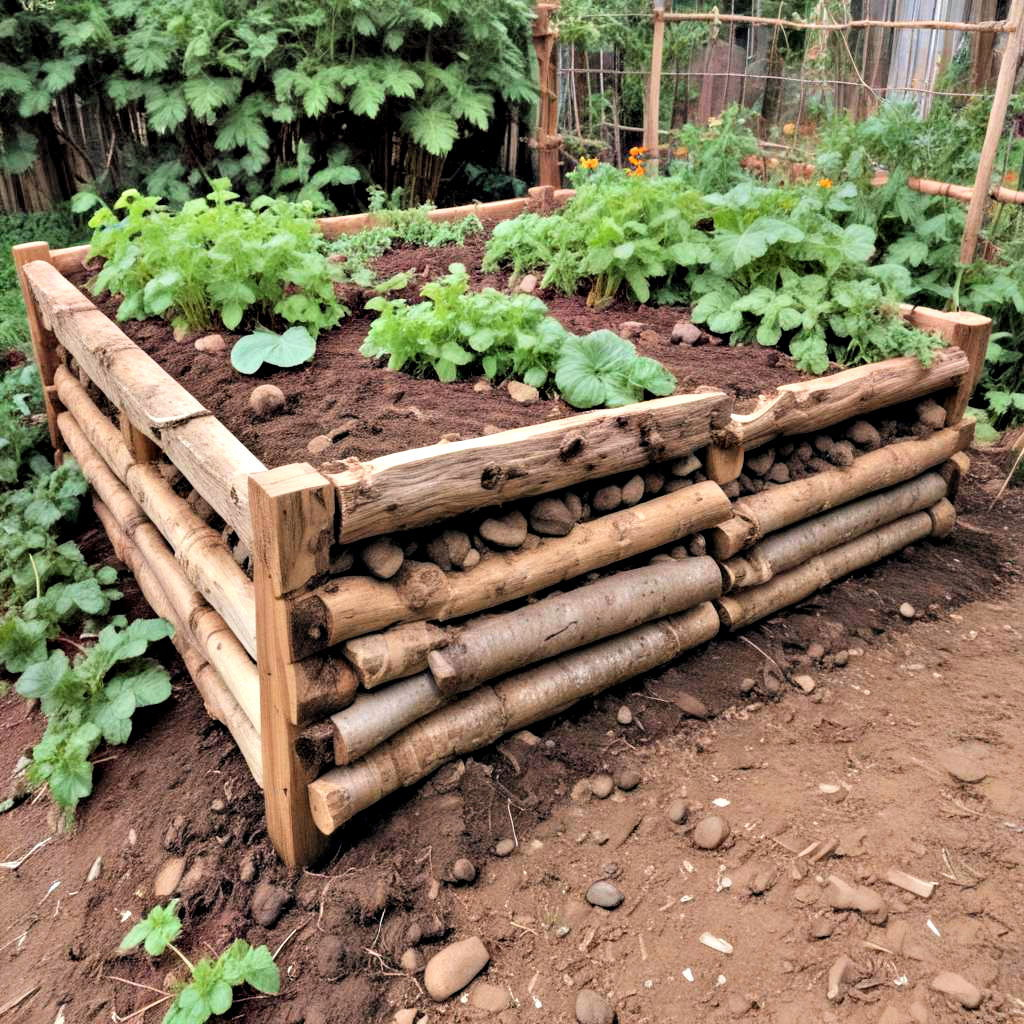
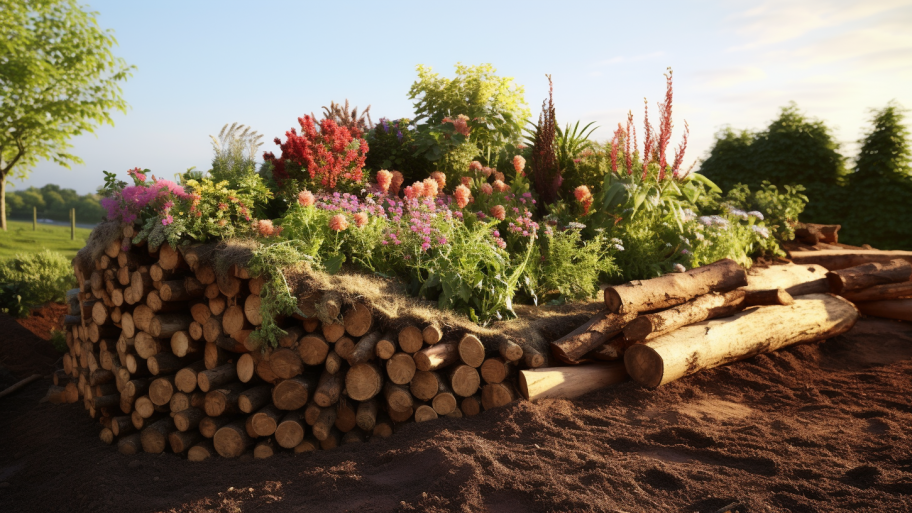
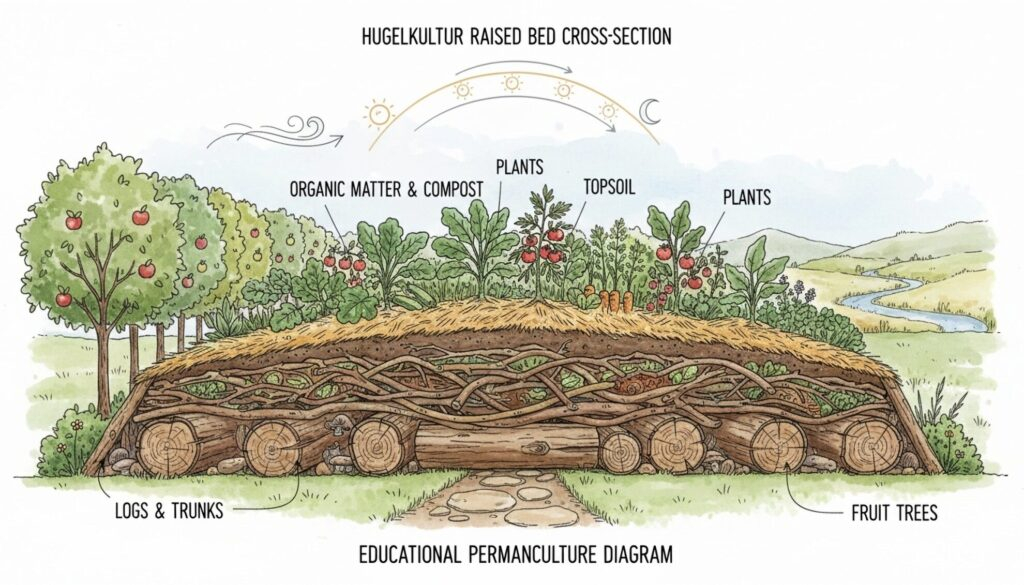
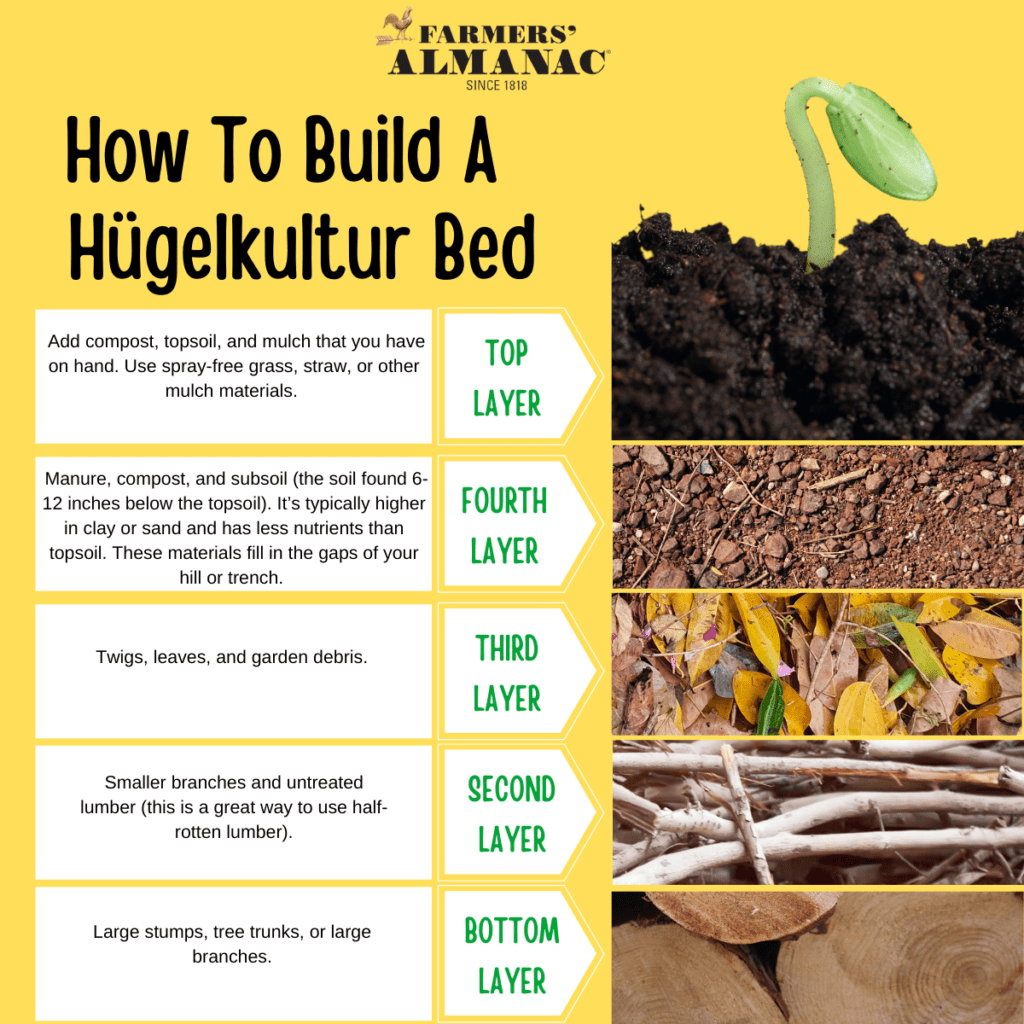
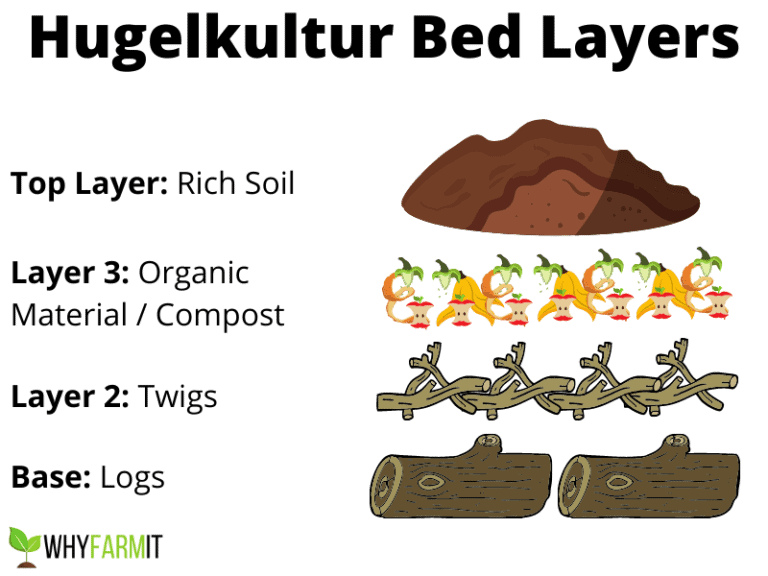
Next, gather your wood. This is the fun part. Drag those logs and branches to the site. Lay the largest, rottest logs on the bottom. They form the foundation. Fill in the gaps with smaller sticks, twigs, and even shredded paper or cardboard. You’re aiming for a dense base, but not so tight that air can’t circulate. The goal is decomposition, and decomposition needs oxygen. Once your wood layer is about two to three feet high, you’re ready for the next step.
Now, cover the wood. This is crucial. You need to seal in the moisture and provide a medium for roots. Use whatever organic matter you have. Grass clippings, straw, leaves, manure, compost. Layer it like a lasagna. Top it all off with a good six to twelve inches of quality topsoil. This is where your plants will live initially. As the wood below settles and breaks down, the mound will shrink a bit, so build it higher than you think you need. It might look like a chaotic hill at first, but give it a week. It’ll settle into a nice, rounded bed.
Choosing the Right Plants for Success
Not all plants love a fresh hugelkultur bed equally. In the first year or two, the decomposition process is vigorous. This can tie up nitrogen temporarily as microbes work to break down the carbon-rich wood. It’s a natural part of the cycle, but it means you should choose your crops wisely. Heavy feeders like corn or tomatoes might struggle a bit at first unless you add extra compost or aged manure to the top layer.
Instead, start with plants that are less demanding or actually benefit from the loose, warm soil. Squash, zucchini, and pumpkins are fantastic choices. Their large leaves shade the mound, keeping moisture in, and their roots spread easily through the loose structure. Herbs like rosemary, thyme, and oregano love the excellent drainage. Root vegetables like carrots and radishes can also do well because the soil is so loose and free of rocks.
As the bed matures—usually after the second or third year—it becomes a powerhouse for almost anything. The nitrogen balance stabilizes. The soil becomes incredibly rich and crumbly. At this stage, you can grow heavy feeders like broccoli, kale, and peppers with amazing results. Many gardeners report that their hugelkultur beds produce larger, more flavorful vegetables than their traditional plots. It’s like the plants are drinking from a nutrient-rich smoothie all season long.
The Long-Term Payoff: Less Work, More Harvest
One of the biggest misconceptions about gardening is that it requires constant toil. We imagine weekends spent tilling, weeding, and watering. Hugelkultur flips that script. Once your bed is built, the maintenance drops significantly. Because the mound retains water so effectively, you’ll find yourself watering far less often. In many climates, once the bed is established, you might only need to water during extreme droughts.
The structure also suppresses weeds. The depth of the soil and the density of the plantings make it hard for weeds to take hold. And if they do pop up, the soil is so loose that they pull out easily. No more fighting with compacted clay or rocky ground. The bed essentially tills itself as the wood decomposes and earthworms move in. You’re working with a living system, not a static box of dirt.
Over time, the bed will settle. This is normal. You might need to add a little more compost or soil on top every few years to keep the height up. But that’s it. There’s no need to rebuild it every season. In fact, many hugelkultur beds remain productive for decades. The initial effort pays off year after year. It’s a gift to your future self. Imagine stepping out in five years, picking fresh beans from a bed you built today, and knowing you haven’t had to haul a hose out there all summer. That’s the dream.
Even with the best intentions, things can go wrong. Don’t worry. It’s part of the learning process. One common issue is using the wrong kind of wood. Avoid black walnut, as it releases chemicals that can inhibit plant growth. Also, steer clear of treated lumber or painted wood. You want natural, untreated organic material. If you’re using fresh green wood, it’s fine, but it will take longer to break down than rotting wood. Mixing both is ideal.
Another mistake is building the mound too steep. If the sides are too vertical, the soil will erode when it rains. Aim for gentle slopes, like a soft hill rather than a pyramid. This helps hold the soil in place and makes planting easier. If you live in a very wet climate, ensure your base has good drainage. While hugelkultur is great for retaining moisture, you don’t want your roots sitting in stagnant water. Adding some gravel or larger rocks at the very bottom can help in these cases.
Finally, be patient. Gardening is a practice in delayed gratification. Your first harvest might not be record-breaking. The bed needs time to wake up. The microbes need time to colonize. The worms need time to move in. Don’t judge the system by the first season. Give it two or three years to find its rhythm. You’ll likely find that each year is better than the last. And if you make a mistake? Just cover it with more compost. Nature is forgiving. She always finds a way to heal.
So, what are you waiting for? That pile of branches isn’t going to turn itself into soil. Grab a shovel. Call a friend to help lift the heavy logs. Get your hands dirty. There’s a profound satisfaction in building something that lasts, something that gives back more than it takes. Hugelkultur isn’t just a gardening method. It’s a mindset. It’s a belief that waste is just a resource in the wrong place. Move it. Bury it. Watch it grow. Your garden—and the planet—will thank you.