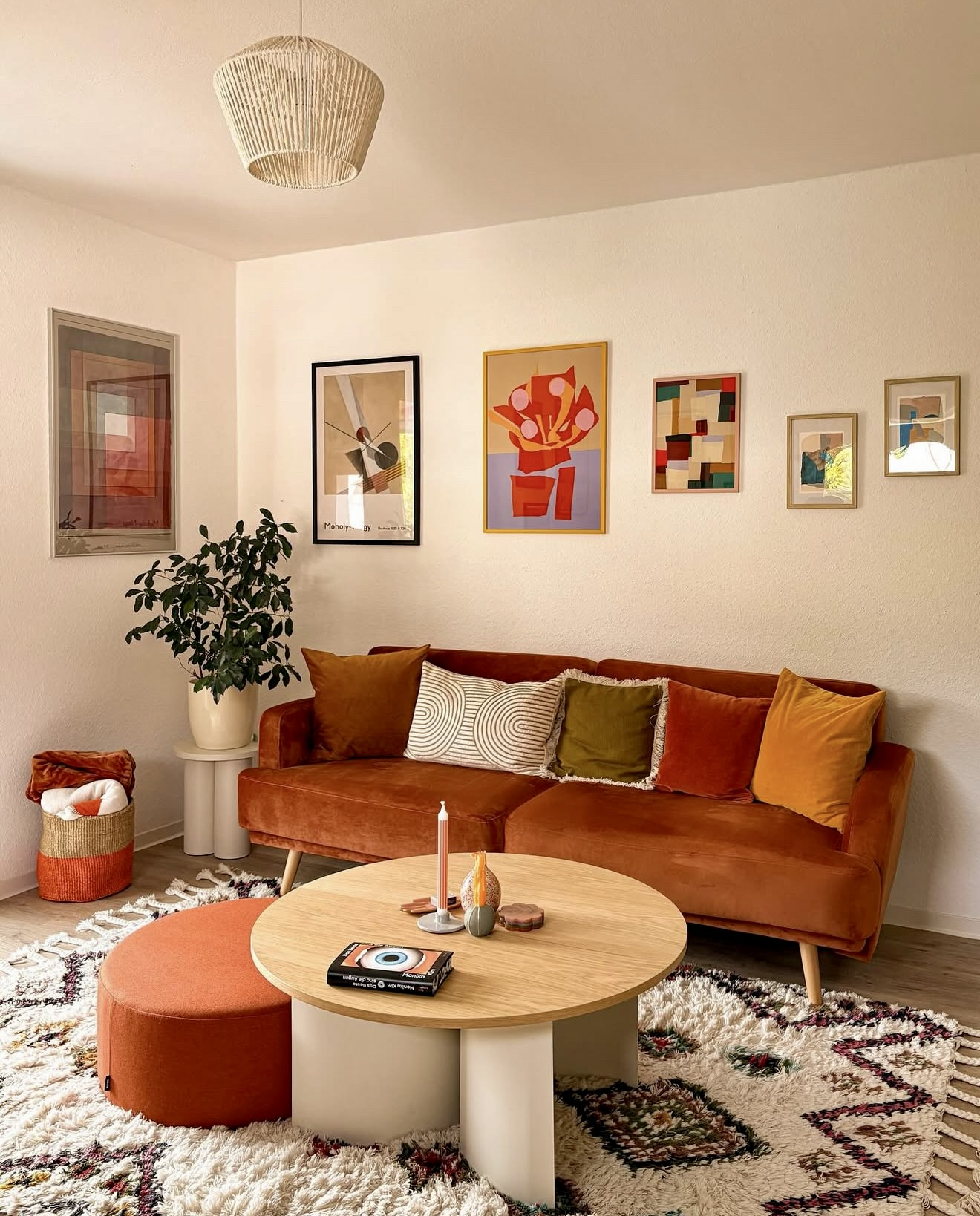
We’ve all been there. You walk into a room, and it feels… off. Maybe it’s too sleek. Too quiet. Like a showroom for a spaceship rather than a place where humans actually live. For years, the trend leaned hard into what we might call the "Black Mirror" aesthetic—glass, steel, hidden screens, and that eerie, sterile perfection that looks great on Instagram but feels cold when you’re trying to relax on a Tuesday night. It’s not just about the show, though the production designers certainly nailed that vibe of complicated relationships with technology. It’s about how we let those digital-first ideals creep into our physical sanctuaries.
But here’s the thing. We are craving connection. In 2026, after years of living through screens, the home has become more than just a backdrop for Zoom calls or a charging station for our devices. It’s a refuge. And the heart of that refuge? The living room. It’s time to stop letting the black void of a turned-off TV dominate the space. It’s time to look beyond the mirror. By shifting our focus to art and architecture, we can create focal points that don’t just reflect our image, but reflect our humanity.
So, how do we do it? How do we take a room that feels like it belongs in a dystopian future and warm it up with soul? It starts with understanding what a focal point really is. It’s not just the biggest thing in the room. It’s the thing your eyes land on when you walk in. It’s the anchor. And if that anchor is a dark, reflective surface that reminds you of work emails, you’re never really going to feel at rest. Let’s talk about changing that narrative. Let’s talk about bringing the warmth back in.
The Psychology of the Void vs. The Warmth of Art
Think about why the "black mirror" look became so popular in the first place. It was clean. It was modern. It signaled status. But psychologically, staring into a black void is unsettling. It’s passive. It demands nothing from you except your attention when it’s on, and your neglect when it’s off. Designers have noted that these spaces speak volumes about our anxiety regarding technology. We hide it behind glass, hoping it disappears. But it doesn’t. It looms.
Art, on the other hand, is active. Even a still painting or a sculpture engages the brain differently. It invites interpretation. It asks questions. When you place a large, textured piece above your sofa or fireplace, you aren’t just decorating a wall; you’re creating a conversation partner. Research into interior psychology suggests that spaces with organic elements and artistic expression lower cortisol levels. It’s not just about aesthetics; it’s about biology. Your body knows the difference between a cold screen and a warm canvas.
Consider the shift we’ve seen since the early 2020s. People started moving away from the ultra-minimalist, tech-hidden homes toward spaces that felt "lived in." This wasn’t just a style choice; it was a survival mechanism. We needed our homes to hold us. A focal point made of art does exactly that. It provides a visual rest stop. Instead of reflecting your tired face back at you, it offers a landscape, a portrait, or an abstract burst of color that lifts your mood. It’s a small change, but the impact on how a room feels is massive.
Architectural Bones: Building Character Without Screens
Before you even hang a picture, look at the bones of your room. Architecture itself can be the star. Too often, we treat walls as blank slates to be covered up. But what if the wall was the feature? In recent years, there’s been a resurgence in appreciating structural details. Think exposed brick, wooden beams, or even just the way light hits a curved corner. These are permanent fixtures that add depth without adding clutter.
If your living room feels flat, it’s probably because it lacks architectural interest. You don’t need to knock down walls to fix this. Simple additions like wainscoting, archways, or built-in shelving can break up the monotony. These elements create shadows and highlights that change throughout the day. Unlike a static screen, architectural features interact with natural light. They breathe. They make the space feel dynamic even when no one is talking.
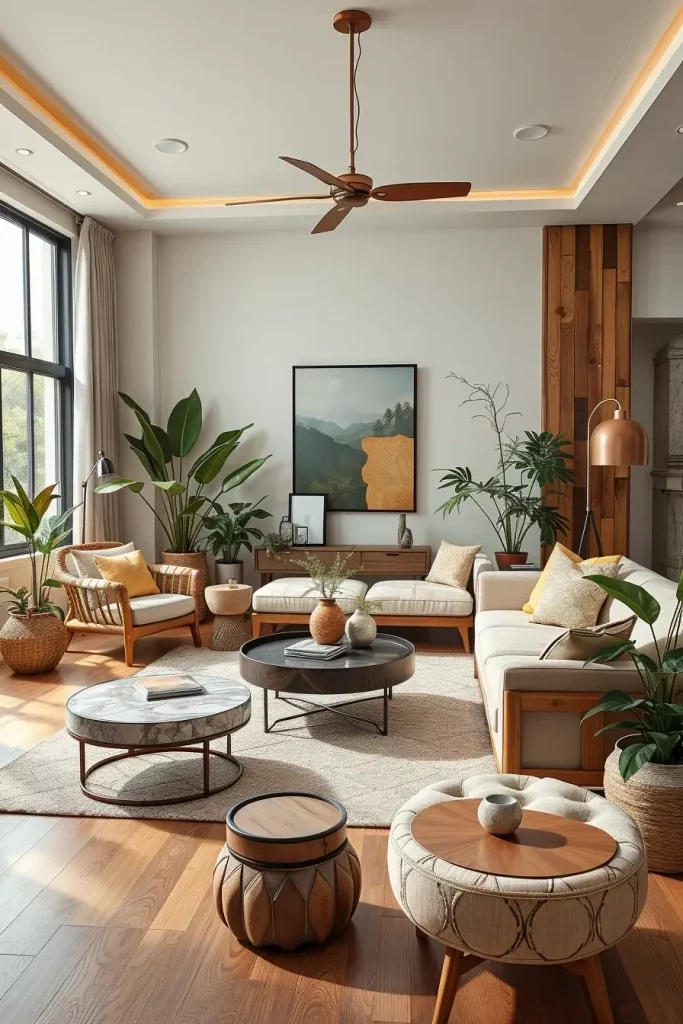
Take the concept of the "feature wall." It doesn’t have to be a TV unit backdrop. In fact, some of the most stunning living rooms in 2026 use texture instead of technology. Imagine a wall clad in warm wood slats or a plaster finish with subtle imperfections. This approach draws the eye naturally. It grounds the room. It says, "This is a solid, safe place." By letting the architecture speak, you reduce the need for excessive decor. The structure becomes the art. And honestly? It’s a lot harder to get bored of good bones than it is to get bored of a trendy gadget.
Curating Your Centerpiece: Size, Scale, and Soul
Okay, so you’re ready to bring in art. But where do you start? The biggest mistake people make is going too small. A tiny print above a massive sofa gets lost. It looks like an afterthought. To create a true focal point, you need scale. The artwork should command attention. It should feel intentional. If you have a large wall, go big. One large piece is often more powerful than a gallery wall of ten small ones, especially if you’re trying to counteract the visual noise of daily life.
Placement matters too. The classic spot is above the sofa or the fireplace. This establishes a clear hierarchy in the room. When you walk in, your eye goes there first. But don’t be afraid to experiment. Maybe the focal point is a sculptural floor lamp in the corner. Maybe it’s a large tapestry hanging from the ceiling. The goal is to disrupt the expected grid of the room. You want to surprise the viewer, even if the viewer is just you, coming home from work.
And let’s talk about soul. Don’t just buy art because it matches the curtains. Buy it because it moves you. In a world dominated by algorithms telling us what we should like, choosing art that resonates personally is an act of rebellion. Does it make you feel calm? Energized? Curious? That emotional response is what turns a decoration into a focal point. It’s the difference between a hotel room and a home. One is designed for everyone; the other is designed for you. Make sure your centerpiece reflects the latter.
Lighting: The Invisible Architect
You can have the most beautiful painting in the world, but if the lighting is wrong, it’s invisible. Lighting is the unsung hero of interior design. It’s the invisible architect that shapes how we perceive space. In the "Black Mirror" aesthetic, lighting is often cool, flat, and functional. It’s designed to illuminate tasks, not moods. To break free from that, you need to layer your light.
Start with ambient light, but keep it soft. Then, add accent lighting specifically for your focal point. If it’s a piece of art, use picture lights or adjustable track lighting to highlight the textures. If it’s an architectural feature, use grazing light to emphasize the texture of the stone or wood. This creates depth. It makes the room feel three-dimensional. Shadows are just as important as light. They add mystery. They add warmth.
In 2026, smart lighting has become incredibly sophisticated, but the key is to use it subtly. Avoid the harsh, clinical white light that mimics office fluorescents. Go for warmer tones, around 2700K to 3000K. These temperatures mimic the glow of sunset or candlelight. They signal to your brain that it’s time to wind down. When you light your art or architectural features with this warmth, they glow. They become inviting. It’s a simple tweak, but it transforms the entire atmosphere of the room from sterile to sanctuary.
Integrating Tech Without Letting It Take Over
Let’s be real. We aren’t going to throw away our TVs. Technology is part of our lives. The goal isn’t to eliminate it, but to integrate it so it doesn’t dominate. The "Black Mirror" fear comes from tech being the only thing we see. So, how do we hide it in plain sight? There are clever ways to do this that don’t involve expensive motorized panels.
One approach is the "art mode" on modern displays, but even better is framing the tech within a larger artistic context. Surround your screen with bookshelves filled with colorful books and objects. When the TV is off, it becomes just one small black rectangle in a sea of texture and color. It recedes. Another option is to place the TV in a separate nook or cabinet that can be closed off. Out of sight, out of mind.
Also, consider the sound. Visual clutter is one thing, but audio clutter is another. High-quality speakers that blend into the decor—like fabric-covered units that look like furniture—can provide immersion without the visual bulk of traditional tech stacks. The idea is to make technology a servant, not the master. It should be there when you need it, and invisible when you don’t. This balance allows your art and architecture to remain the stars of the show. It keeps the room feeling human, not automated.
The Human Touch: Textiles and Organic Materials
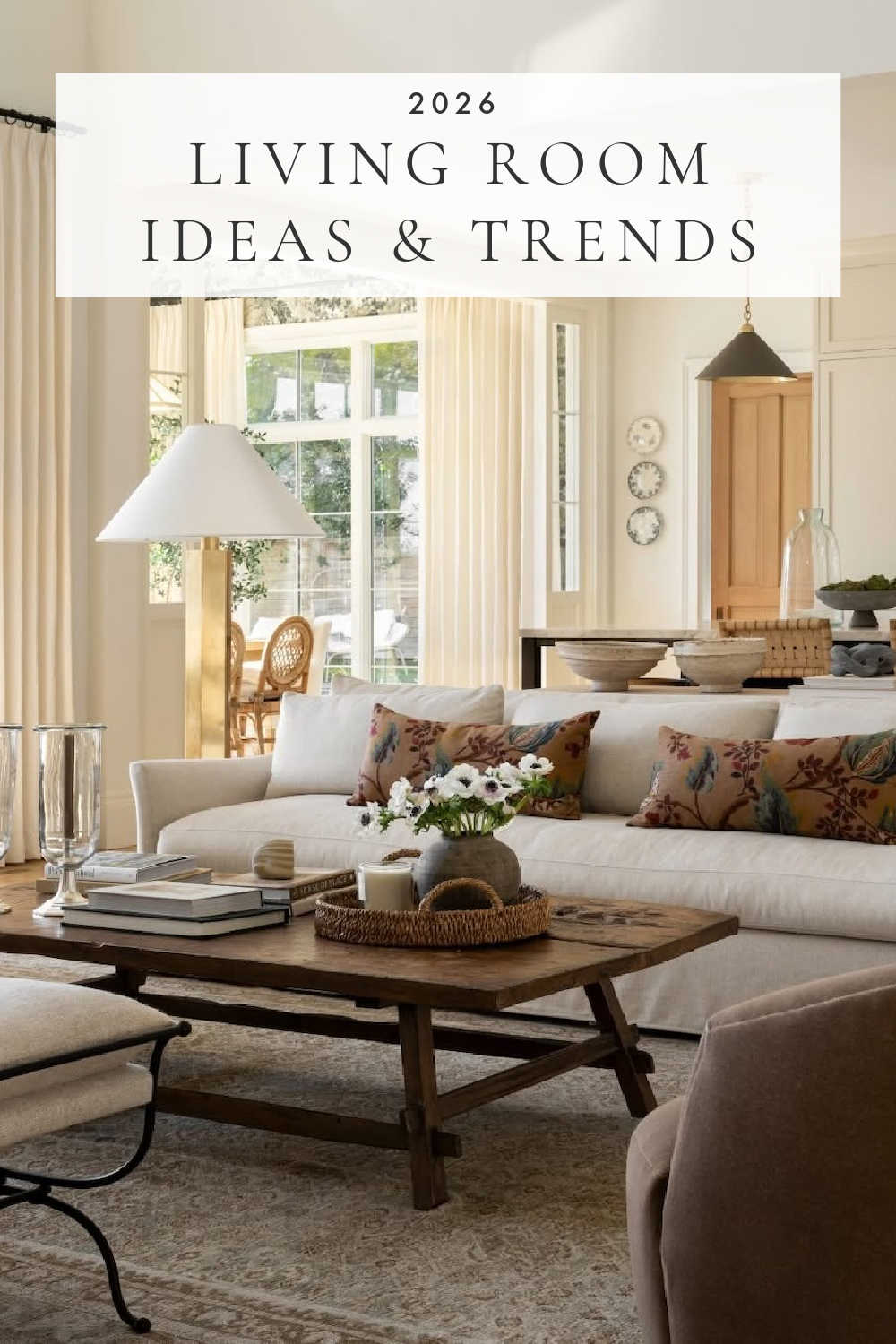
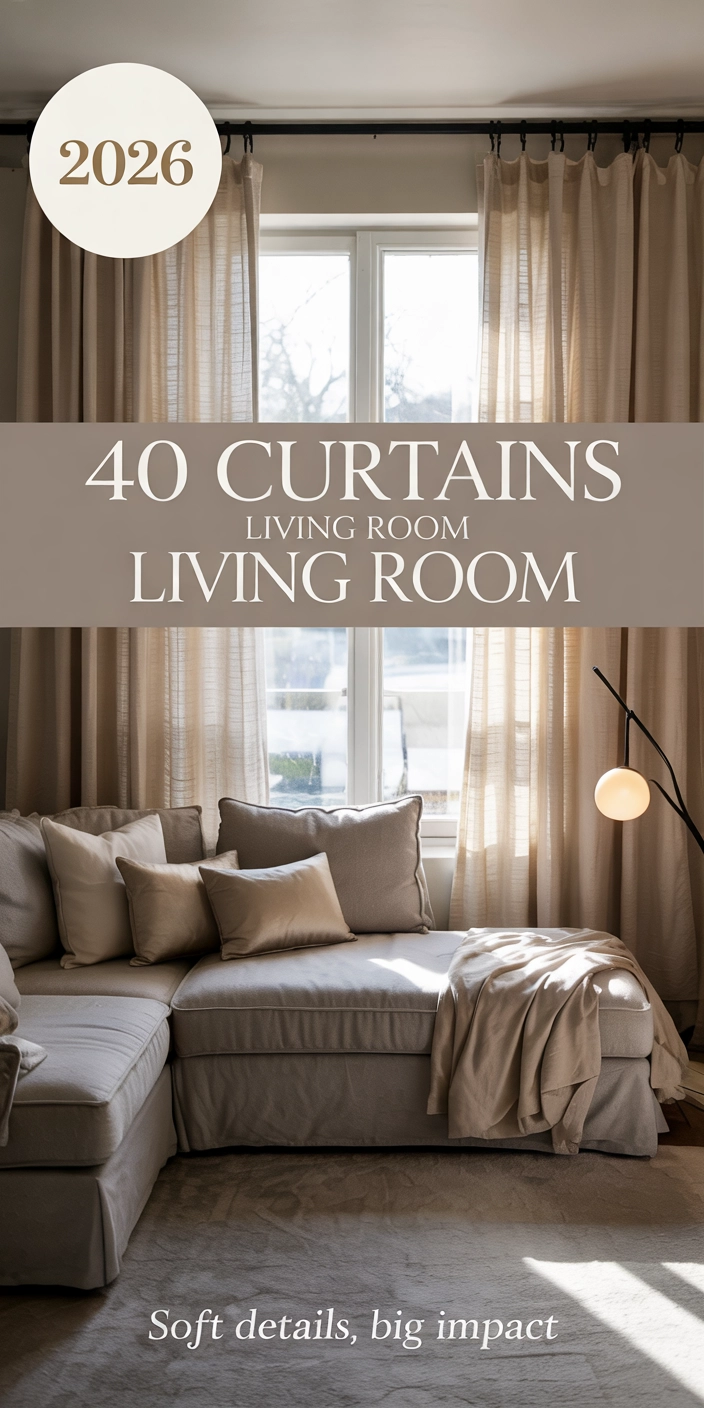
Finally, soften the edges. Architecture and art provide the structure, but textiles provide the comfort. This is where you truly break away from the dystopian vibe. Hard surfaces reflect sound and light in harsh ways. Soft surfaces absorb them. They mute the echo. They invite touch. Think plush rugs, heavy velvet curtains, or chunky knit throws. These elements add a layer of tactile richness that glass and steel simply can’t match.
Incorporate organic materials wherever you can. Wood, stone, cotton, wool, plants. Nature has a way of grounding us. A large fiddle leaf fig in the corner next to your artwork bridges the gap between the indoors and the outdoors. It adds life. Literally. Plants change and grow, unlike a static screen. They remind us of the passage of time in a gentle, natural way.
This mix of hard and soft, artificial and natural, is what creates a balanced room. It prevents the space from feeling too curated or too messy. It feels authentic. And authenticity is the antidote to the "Black Mirror" aesthetic. When you sit on your sofa, surrounded by things that feel good to touch and look at, you’re not just occupying space. You’re inhabiting it. You’re connecting with it. And that’s what a home is supposed to be.
Creating a living room that feels alive rather than automated isn’t about following a strict set of rules. It’s about intention. It’s about deciding what matters to you. Is it the latest gadget? Or is it the feeling of peace when you walk through the door? By choosing art and architecture as your focal points, you’re making a statement. You’re saying that human experience comes first.
Start small if you need to. Swap out a harsh lightbulb. Hang a piece of art that you actually love. Add a plant. Notice how the room changes. Notice how you change in the room. It’s a gradual process, but the rewards are immediate. You’ll find yourself lingering longer in the living room. You’ll feel more relaxed. More connected.
In the end, our homes are the mirrors of our lives. Let’s make sure they reflect the best parts of us. Let’s make sure they’re warm, welcoming, and full of soul. Let’s move beyond the black mirror and into a space that truly feels like home. Because in 2026 and beyond, that’s the ultimate luxury. Not the tech. The tranquility.