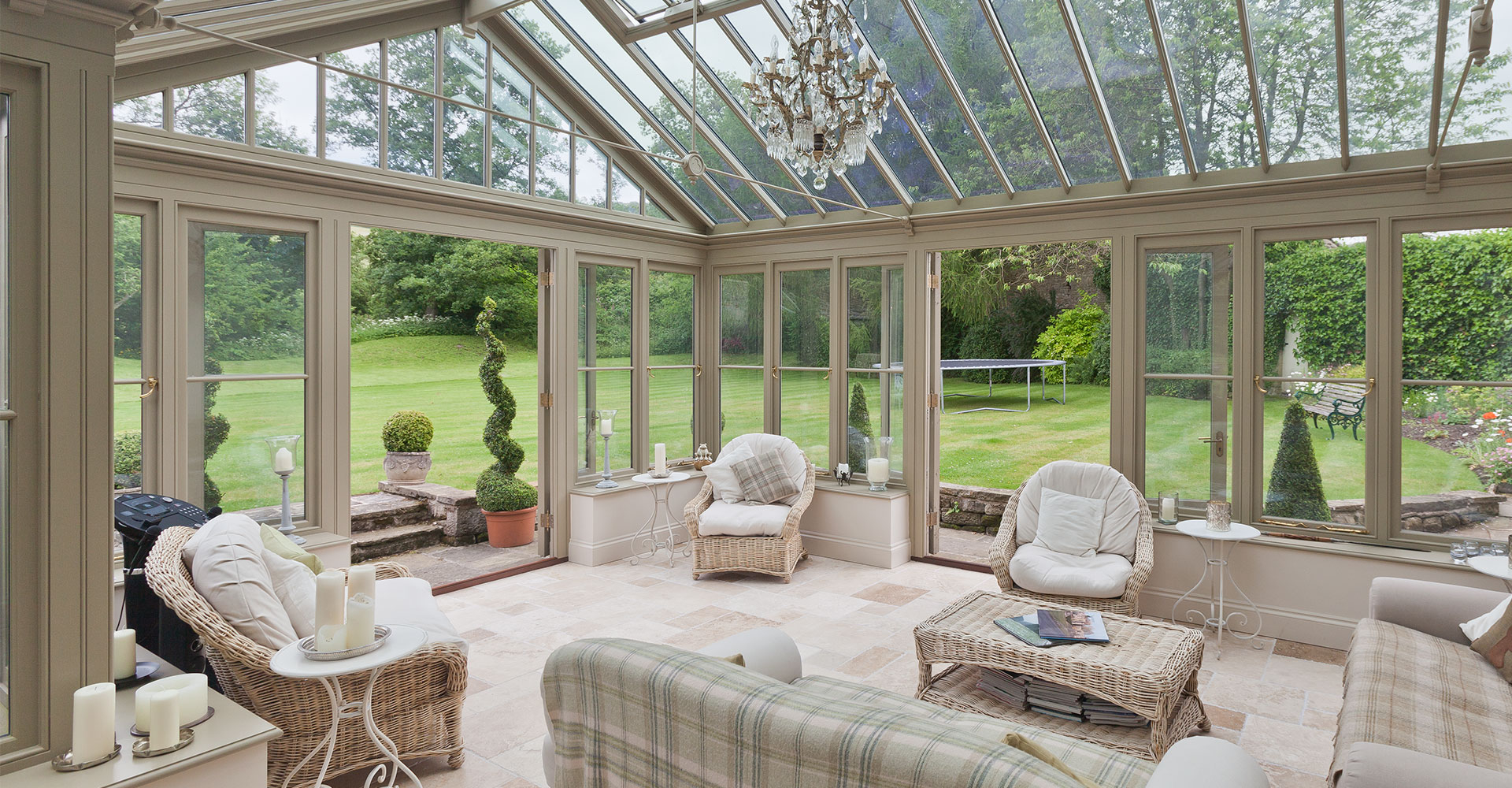
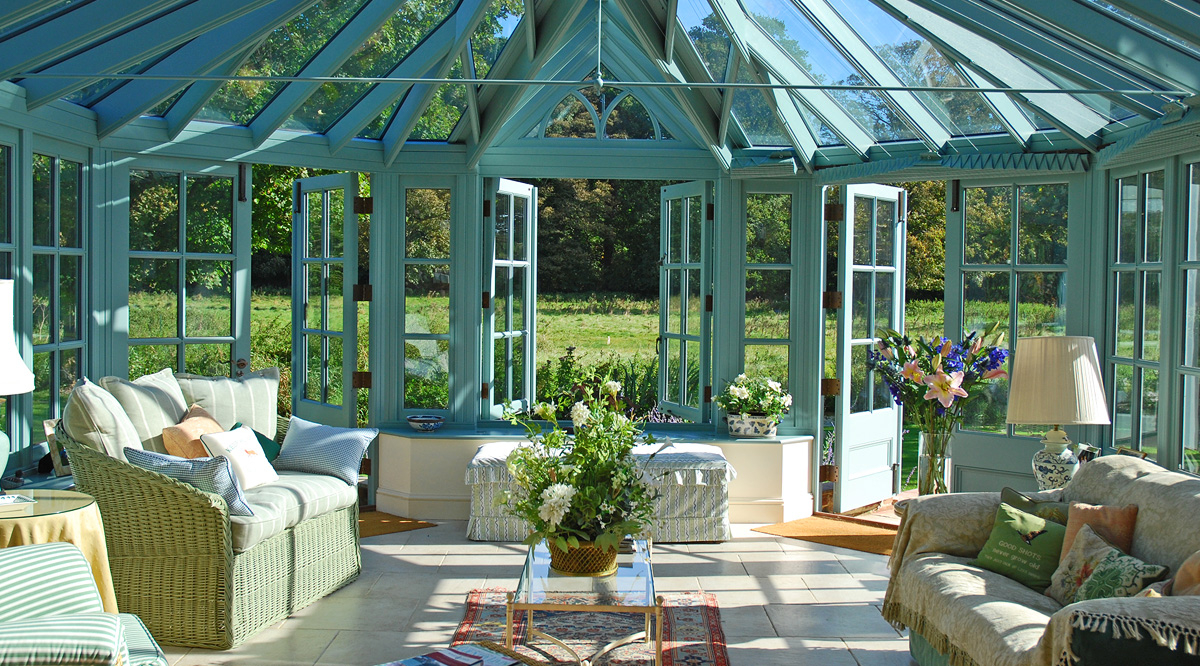
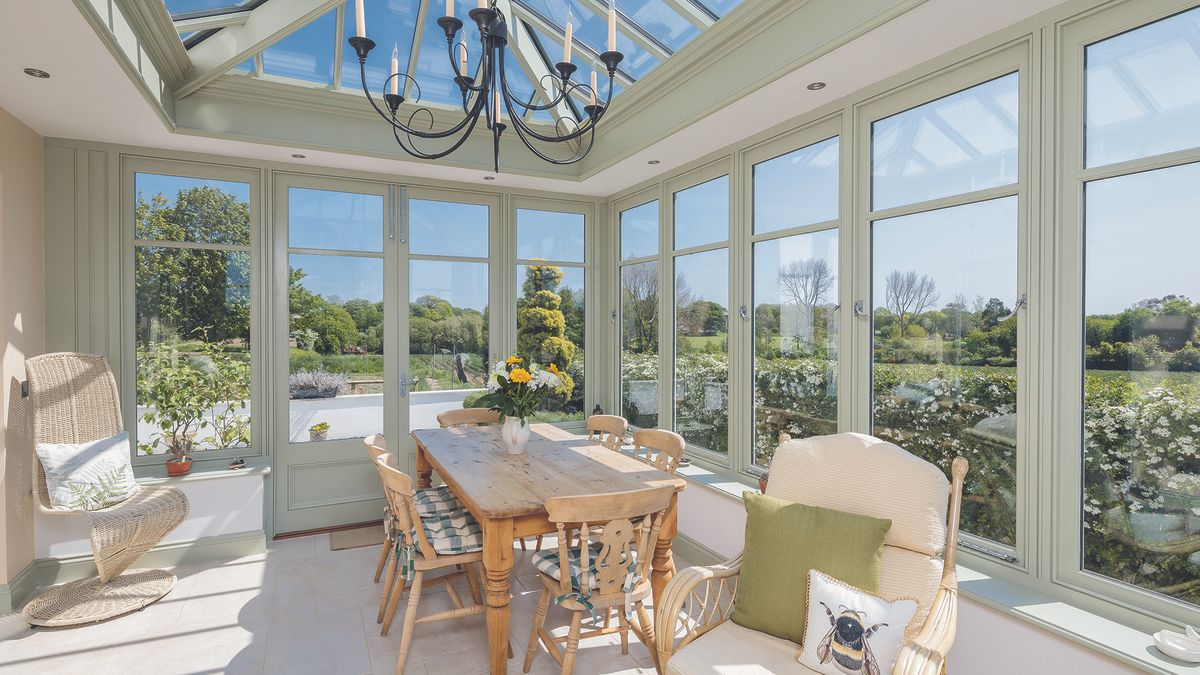
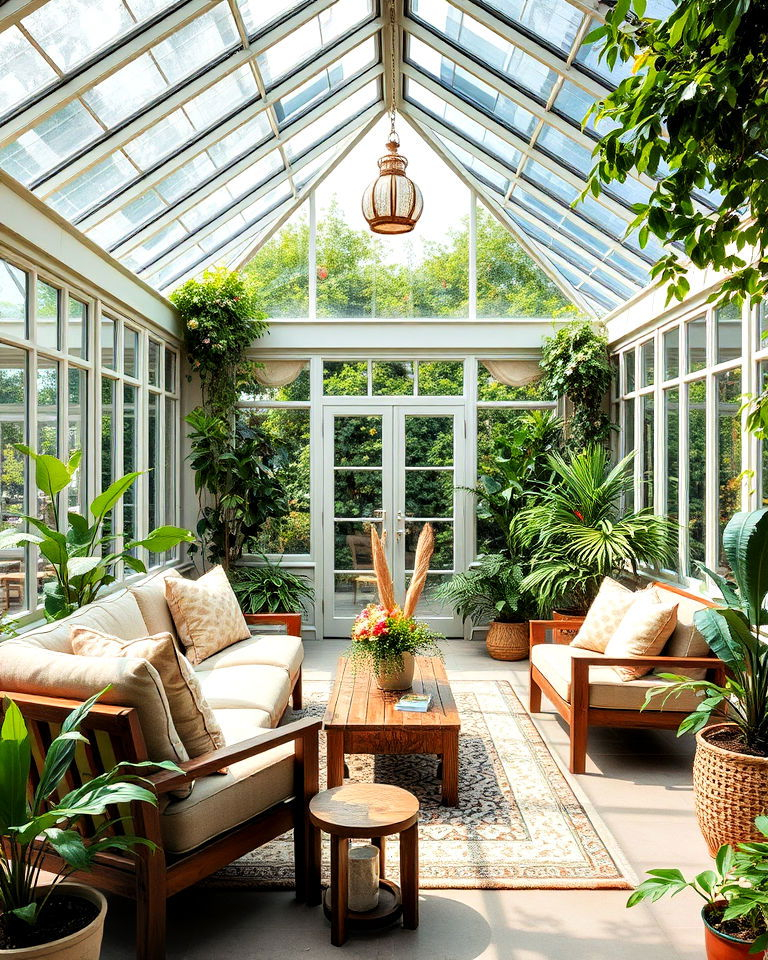
Have you ever stood in a room and felt like the walls just… disappeared? That’s the magic we’re chasing these days. It’s not about building a box to keep the weather out. It’s about inviting the world in. In 2026, the line between our living rooms and our gardens is thinner than ever. Literally.
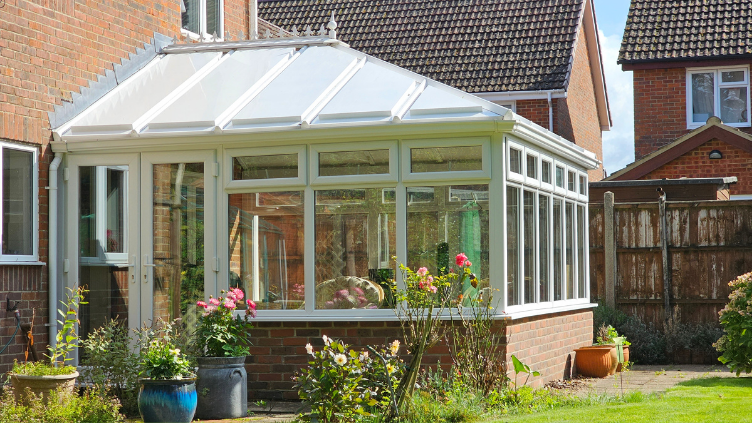
We used to think of conservatories as those stuffy, Victorian-era add-ons with heavy white uPVC frames that trapped heat in summer and cold in winter. But things have changed. Drastically. Today’s homeowners want something different. They want clarity. They want structure that doesn’t shout for attention but quietly supports the view. This is where steel steps in. Not the rusty, industrial kind you might imagine, but sleek, precision-engineered minimalist steel. It’s become the top choice for contemporary design, and honestly? It’s easy to see why.
The Strength to Be Slim
Let’s talk physics for a second, but keep it simple. Why do we use steel? Because it’s incredibly strong. Much stronger than aluminum or plastic. This strength is the secret sauce. Because steel has such high tensile strength, manufacturers can make the frames much thinner. We’re talking sightlines that are barely there.
Think about it. If you use a weaker material, you need a thicker frame to hold up a large pane of glass. That thick frame blocks your view. It cuts up the landscape into little squares. With steel, you can have massive sheets of glass—floor to ceiling, wall to wall—supported by slender profiles that look almost delicate. But don’t be fooled. They are tough. As noted by experts at Conservatory Craftsmen, steel serves as the backbone of these structures, allowing for expansive spaces without compromising safety. You get the openness of a greenhouse with the solidity of a bank vault. It’s a paradox that works beautifully.
This isn’t just about looks, though aesthetics are huge. It’s about structural integrity. In larger builds, where you might want a span of ten feet or more without a vertical post in the middle, steel is often the only viable option. It holds the weight. It resists warping. And in 2026, with engineering standards higher than ever, that reliability is non-negotiable. You aren’t just buying a window; you’re buying peace of mind.
Maximizing Light and Connection
Light is the main ingredient in a conservatory. Without it, it’s just a sunroom. Or a closet. The goal is to capture as much natural light as possible, and minimalist steel frames are the best tool for the job. By reducing the amount of frame material, you increase the glass area. More glass means more light. Simple math, really.
But it’s deeper than just brightness. It’s about the quality of the connection to the outdoors. When the frame is minimal, your eye doesn’t stop at the window. It travels through. You see the tree in the yard, not the border around the view. ArchDaily highlights how these minimum profiles take full advantage of glass transparency, delivering new levels of comfort. It blurs the boundary. One minute you’re inside, sipping coffee; the next, you feel like you’re sitting under the sky.
This seamless flow is what modern architecture is all about. It’s not just a trend; it’s a shift in how we live. We spend so much time indoors, especially after the shifts in work-life balance we’ve seen in recent years. Bringing the outside in helps with mental well-being. It makes small spaces feel bigger and dark corners feel bright. Steel frames facilitate this by getting out of the way. They are the silent partners in your daily life, letting the sun do its work without obstruction.
Durability That Lasts Generations
Here’s a common worry: won’t steel rust? It’s a fair question. After all, it’s metal. But modern steel framing isn’t your grandfather’s ironwork. Today, these frames are treated with advanced coatings. Powder coating is the standard. It’s baked on, creating a hard, durable finish that resists chipping, fading, and yes, corrosion. Some are even galvanized before coating for extra protection.
This means longevity. A well-made steel conservatory can last for decades. Unlike uPVC, which can yellow, warp, or become brittle over time, steel maintains its shape. It doesn’t expand and contract as much with temperature changes. This stability is crucial for the seals around the glass. If the frame moves too much, you get drafts. You get leaks. Steel stays put.
In the UK and other places with unpredictable weather, this durability is key. You need a material that can handle rain, wind, and the occasional hail storm. Steel handles it. It’s robust. And because it’s so strong, the hardware—locks, hinges, handles—lasts longer too. There’s less strain on the moving parts. So, while the initial investment might be higher than some alternatives, the lifecycle cost is often lower. You aren’t replacing it in ten years. You’re enjoying it for thirty. Maybe more.
Thermal Efficiency in a Glass Box
The old stereotype of conservatories being freezing in winter and ovens in summer is dying hard. But minimalist steel designs are helping kill it off. How? Through technology. Modern steel frames are thermally broken. This sounds technical, but it’s simple. It means there’s a barrier inside the frame that stops cold from transferring from the outside to the inside.
Without this break, steel would conduct cold right into your home. It’s a conductor, after all. But with thermal breaks, the efficiency rivals that of high-end aluminum or wood systems. Combined with double or triple glazing, these conservatories are comfortable year-round. You can use them as living rooms, offices, or dining areas without cranking up the heating or AC.
In 2026, energy efficiency isn’t just a nice-to-have; it’s a necessity. Energy costs are high, and environmental concerns are front and center. A well-insulated steel conservatory reduces your carbon footprint. It keeps the heat in when you need it and reflects it when you don’t. Plus, the slim profiles allow for better solar gain in the winter, naturally warming the space. It’s a balance of science and design that makes these spaces practical, not just pretty.
Versatility Across Architectural Styles
You might think minimalist steel is only for ultra-modern, boxy houses. But that’s not true. Steel is a chameleon. It fits everywhere. In a traditional brick home, black steel frames can echo the craftsmanship of the past, adding a touch of elegance without looking out of place. In a mid-century modern build, they complement the clean lines and open plans perfectly.
Maison Janneau points out that steel suits virtually any architectural style, from Gothic revival to contemporary. It’s versatile. You can paint it any color. Black is popular for that sharp, graphic look. White blends in for a softer feel. Bronze or copper tones add warmth. The choice is yours. This flexibility allows homeowners to customize the look to match their existing property or create a striking contrast.
It’s also about scale. Steel works for small balcony enclosures and massive garden pavilions alike. The material doesn’t lose its character whether it’s holding a single pane or a whole wall of glass. This adaptability makes it a favorite among architects and designers. They know they can rely on steel to deliver the aesthetic they want, regardless of the project’s size or style. It’s a universal language in design.
The Investment in Lifestyle
Let’s be real. Steel conservatories aren’t cheap. They are a premium product. The fabrication process is more complex than mass-produced plastic windows. Each piece is often custom-made to fit the specific dimensions of your space. This precision costs money. But what are you actually buying?
You’re buying an experience. You’re buying a space that elevates your daily life. Think about the value of a room that connects you to nature. A place where you can read, work, or relax surrounded by light. That has intrinsic value. It increases the worth of your home, sure. But it also increases the quality of your day-to-day existence.
Plus, the maintenance is low. Once installed, you mostly just clean the glass. The frames don’t need painting every few years. They don’t need sealing. They just stay there, looking good and working well. In a world where we are all busy, having one less thing to worry about is a luxury in itself. It’s an investment in simplicity. And in 2026, simplicity is rare. It’s valuable.
So, is it worth it? For many, the answer is a resounding yes. The combination of beauty, strength, and efficiency creates a package that’s hard to beat. It’s not just a construction choice; it’s a lifestyle choice. It says you value light, view, and longevity. And frankly, who doesn’t?
Minimalist steel frames have earned their spot at the top of contemporary conservatory design. They offer a unique blend of strength and subtlety that other materials just can’t match. By allowing for slimmer profiles, they maximize light and views, creating a seamless connection between indoors and out. They are durable, efficient, and versatile enough to fit any home style.
As we move further into 2026, the demand for these spaces continues to grow. People want homes that feel open, connected, and sustainable. Steel delivers on all those fronts. It’s not just a trend; it’s a evolution in how we build and live. The next time you look at a modern conservatory, notice the frames. Or rather, notice how little you notice them. That’s the power of good design. It disappears, leaving only the light and the view. And that’s exactly where it should be.