Ever walked past a stack of old, weathered wood sitting behind a warehouse and felt a little spark? Maybe it was the way the grain caught the light, or just the sheer potential hiding under layers of dirt and nail holes. For years, that rough-hewn charm has been calling to homeowners who want something real in their spaces. Something with history. In 2026, the trend isn’t just about saving money—though let’s be honest, free wood is hard to beat—it’s about bringing a piece of the outdoors in, with all its imperfections intact.
We’re seeing a massive shift in how people view "trash." What used to be destined for the chipper is now the centerpiece of living rooms across the country. It’s not just a hobby anymore; it’s a lifestyle choice that blends sustainability with style. You don’t need a workshop full of expensive tools or a degree in carpentry to get started. You just need a bit of patience, some elbow grease, and an eye for seeing what could be, rather than what is. Let’s dive into how you can turn those humble skids into treasures that tell a story.
Safety First: Knowing Your Wood Before You Build
Before you even think about dragging a pallet into your living room, you need to play detective. Not all pallets are created equal, and some can actually be dangerous to have indoors. The first thing you’ll want to look for is the stamp. These little marks tell you where the wood came from and how it was treated. If you see "HT," that stands for Heat Treated. This is the gold standard for DIYers. It means the wood was baked to kill off pests, without using harsh chemicals. You can sleep soundly knowing these planks are safe for your family and pets.
On the flip side, steer clear of anything marked "MB." That stands for Methyl Bromide, a potent pesticide that’s been banned in many places but still lingers on older stock or imports from certain regions. You definitely don’t want those fumes off-gassing in your bedroom. Also, watch out for pallets that look stained with oil, chemicals, or strange spills. If it smells funny or looks suspicious, leave it alone. It’s better to spend an extra hour hunting for clean wood than to regret it later. In 2026, sourcing is easier than ever with local community groups often giving away clean, HT-stamped pallets, so there’s no need to gamble on questionable finds.
Once you’ve got your safe wood, the prep work begins. This part isn’t glamorous, but it makes all the difference. You’ll need to pull every single nail. Rusty nails are a tetanus shot waiting to happen, and they’ll wreck your saw blades if you leave them in. Use a cat’s paw or a sturdy pry bar, and take your time. After the nails are out, give the wood a good scrub. A stiff brush and some soapy water can remove years of grime. Let it dry completely—this might take a few days depending on your humidity. Rushing this step leads to warping later, and nobody wants a crooked coffee table.
The Art of Deconstruction and Surface Prep
Taking a pallet apart without splintering the wood is a skill that takes practice. Most pallets are held together with ring-shank nails, which grip the wood tightly. If you just yank at the boards, they’ll likely snap. The trick is to cut through the nails or use a specialized pallet buster tool. If you’re using a reciprocating saw, slide the blade between the board and the stringer (the support beam) and slice through the nails. It’s fast, efficient, and saves your lumber. Just wear safety glasses because metal shards can fly unexpectedly.
After you’ve got your planks separated, it’s time to deal with the surface. Pallet wood is rough. Like, really rough. If you want a piece that feels nice to touch, you’ll need to sand it down. Start with a coarse grit, like 80, to remove the outer layer of weathered wood and any remaining stains. Then move to 120, and finally 150 or 220 for a smooth finish. If you prefer the rugged, splintery look, you can skip the fine sanding, but at least knock off the sharp edges so no one gets scratched. Dust masks are non-negotiable here; old wood dust can contain mold spores or irritants.
Now comes the fun part: deciding on the finish. Do you want to keep that gray, sun-bleached look? Or do you want to bring out the warm honey tones of the pine? A clear matte polyurethane seals the wood without changing its color much, protecting it from spills and dirt. If you want more character, try a wood stain. Dark walnut creates a moody, industrial vibe, while a light oak stain keeps things airy and Scandinavian. Some people even use white wash for a shabby-chic feel. Test your finish on a scrap piece first. Wood absorbs stain differently depending on its age and exposure, so what looks good on one board might look muddy on another.
Statement Furniture Pieces for Living Spaces
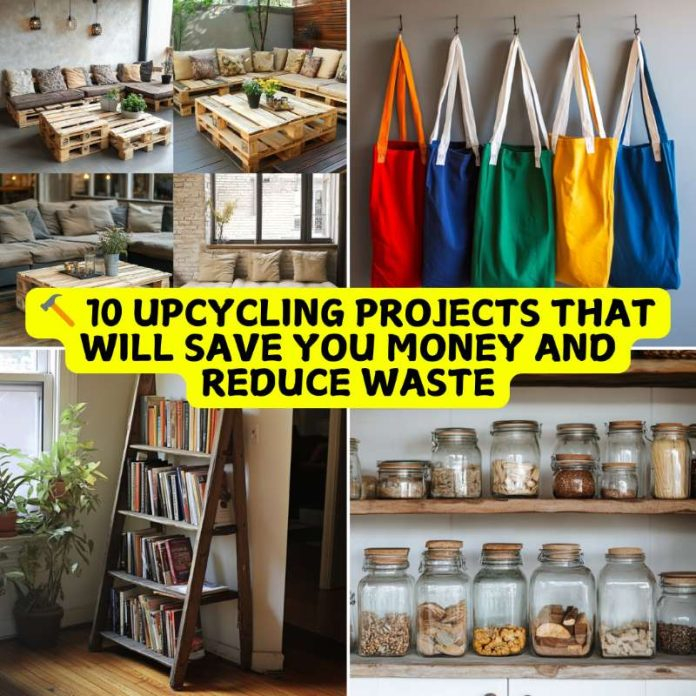
Let’s talk about the heavy hitters: furniture. A pallet coffee table is practically a rite of passage for DIYers, but it doesn’t have to look like a college dorm project. To elevate it, consider adding hairpin legs or casters. This lifts the wood off the floor, giving it a lighter, more modern silhouette. You can stack two pallets for height, or build a frame with glass on top for a mixed-material look. Add some storage underneath with woven baskets, and suddenly you’ve got function meeting form. It’s sturdy, unique, and costs a fraction of what you’d pay at a boutique store.
Bookshelves are another fantastic option. Because pallet slats are narrow, they create natural dividers for books and knick-knacks. You can mount individual slats horizontally on the wall for a floating shelf effect, or stand a whole pallet upright against the wall for a rustic bookcase. Sand them smooth so your books don’t get snagged. You can even paint the backboard a contrasting color to make the items pop. In small apartments, vertical pallet gardens or shelving units save floor space while adding texture to bare walls. It’s a clever way to use vertical real estate without drilling a million holes.
Don’t forget seating. A pallet sofa base is incredibly comfortable when topped with thick, custom-cut cushions. You can build an L-shaped sectional for a corner or a simple loveseat for a balcony. The key here is stability. Make sure you screw the pallets together securely and maybe add some cross-bracing if they feel wobbly. Upholstery can be as simple as outdoor fabric for a casual look or plush velvet for a touch of luxury. The contrast between the rough wood and soft fabric is what makes these pieces so inviting. It’s cozy, durable, and totally customizable to your space.
Wall Accents and Vertical Decor Ideas
Walls are often overlooked, but they’re the perfect canvas for pallet wood. Accent walls made from reclaimed pallet planks add warmth and depth to a room. You can arrange the boards in a herringbone pattern, horizontally, or vertically. Mixing different shades of wood creates a dynamic, textured look that paint just can’t achieve. Install them over drywall using construction adhesive and finish nails. It’s easier than tiling and adds instant architectural interest. In 2026, we’re seeing more people use this technique in entryways and behind beds to create a focal point that grounds the room.
If a whole wall feels like too much commitment, try smaller wall art. Frame a section of pallet wood in an old window frame or a simple wooden border. Hang it above a mantle or console table. You can also create functional art, like a coat rack. Attach sturdy hooks to a horizontal plank and mount it near the door. It’s practical and sets the tone for your home’s aesthetic right from the entrance. Add a small shelf above the hooks for keys and mail, and you’ve got a command center that looks like it came from a high-end catalog.
Mirrors framed in pallet wood are another trending idea. The rustic frame softens the reflection and adds a organic element to bathrooms or bedrooms. You can distress the wood further with a wire brush to enhance the grain before sealing it. This works especially well in farmhouse-style homes, but it also adds a nice counterpoint to modern, minimalist interiors. The imperfection of the wood breaks up the sterility of clean lines and cold surfaces. It’s about balance. Too much rustic can feel cluttered, but just enough adds soul.
Smart Storage Solutions for Every Room
Clutter is the enemy of calm, and pallets offer ingenious ways to keep things organized. In the kitchen, a pallet mounted on the wall becomes a pot rack. Add S-hooks to hang pans, utensils, or even mugs. It frees up cabinet space and keeps your most-used items within reach. You can also build a freestanding spice rack using the gaps between slats. It’s narrow, so it fits in tight corners, and the open design lets you see everything at a glance. Just make sure to seal the wood well in the kitchen to protect it from steam and grease.
Bedrooms benefit from pallet headboards. They’re easy to make and add a huge visual impact. You can integrate lighting into the headboard by running LED strips along the back or embedding small sconces. This creates a soft, ambient glow for reading at night. Below the headboard, you can attach small shelves for phones, glasses, and books. It eliminates the need for nightstands in smaller rooms. Plus, the wood acts as a slight insulator against cold walls, making your sleeping nook feel cozier during those chilly winter nights.
For the garage or mudroom, pallets make excellent tool organizers or shoe racks. Mount them horizontally and use the slats to hold gardening tools, bikes, or helmets. In the mudroom, a vertical pallet can serve as a boot dryer if you angle it slightly, or simply as a rack for wet coats. The durability of pallet wood means it can handle the wear and tear of daily life. Mud, snow, and dirt wipe off easily. It’s utilitarian beauty at its finest. You’re solving a storage problem while adding a design element. Win-win.
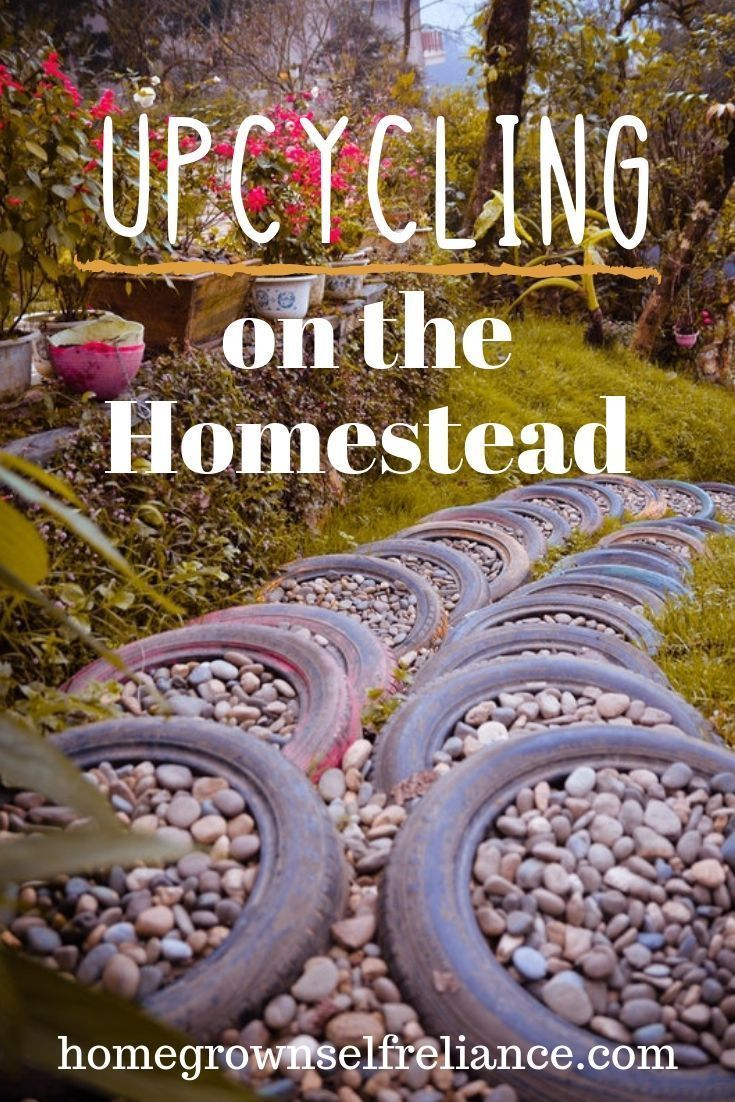
While this article focuses on home accents, the line between inside and outside is blurring. Pallet projects often start outdoors before moving in, or vice versa. Consider a pallet planter box for your patio. Line it with landscape fabric, fill it with soil, and grow herbs or flowers. The wood breathes, which is good for plant roots. You can stack them to create a vertical garden, perfect for small balconies. When the seasons change, you can bring smaller potted plants from these pallet structures indoors, creating a seamless transition of greenery.
Outdoor furniture made from pallets needs extra protection. Use an exterior-grade sealant or spar urethane to guard against rain and UV rays. Even then, it’s wise to bring cushions inside when not in use. A pallet daybed on a covered porch is a summer favorite. Stack two pallets, add a mattress, and pile on pillows. It’s the perfect spot for napping or stargazing. The rustic vibe blends naturally with garden settings, feeling like an extension of the landscape rather than an intrusion.
In 2026, eco-conscious design is huge. Using pallets reduces waste and lowers your carbon footprint. It’s a small act, but it contributes to a larger movement towards sustainable living. When guests ask about your decor, you get to share the story of how you rescued the wood. That connection matters. It turns a piece of furniture into a conversation starter. It shows that you value resourcefulness and creativity. And honestly, there’s a deep satisfaction in looking at a beautiful object and knowing you built it from something others threw away.
So, where do you start? Look around your local area. Check with businesses that receive shipments. Ask friends if they have any lying around. Get your tools ready. Sand, stain, and assemble. Don’t worry about making it perfect. The charm of pallet wood lies in its quirks—the knots, the nail holes, the varying colors. Embrace them. Let them guide your design. You’re not just building a shelf or a table; you’re crafting a piece of your home’s identity. And that’s something truly special.