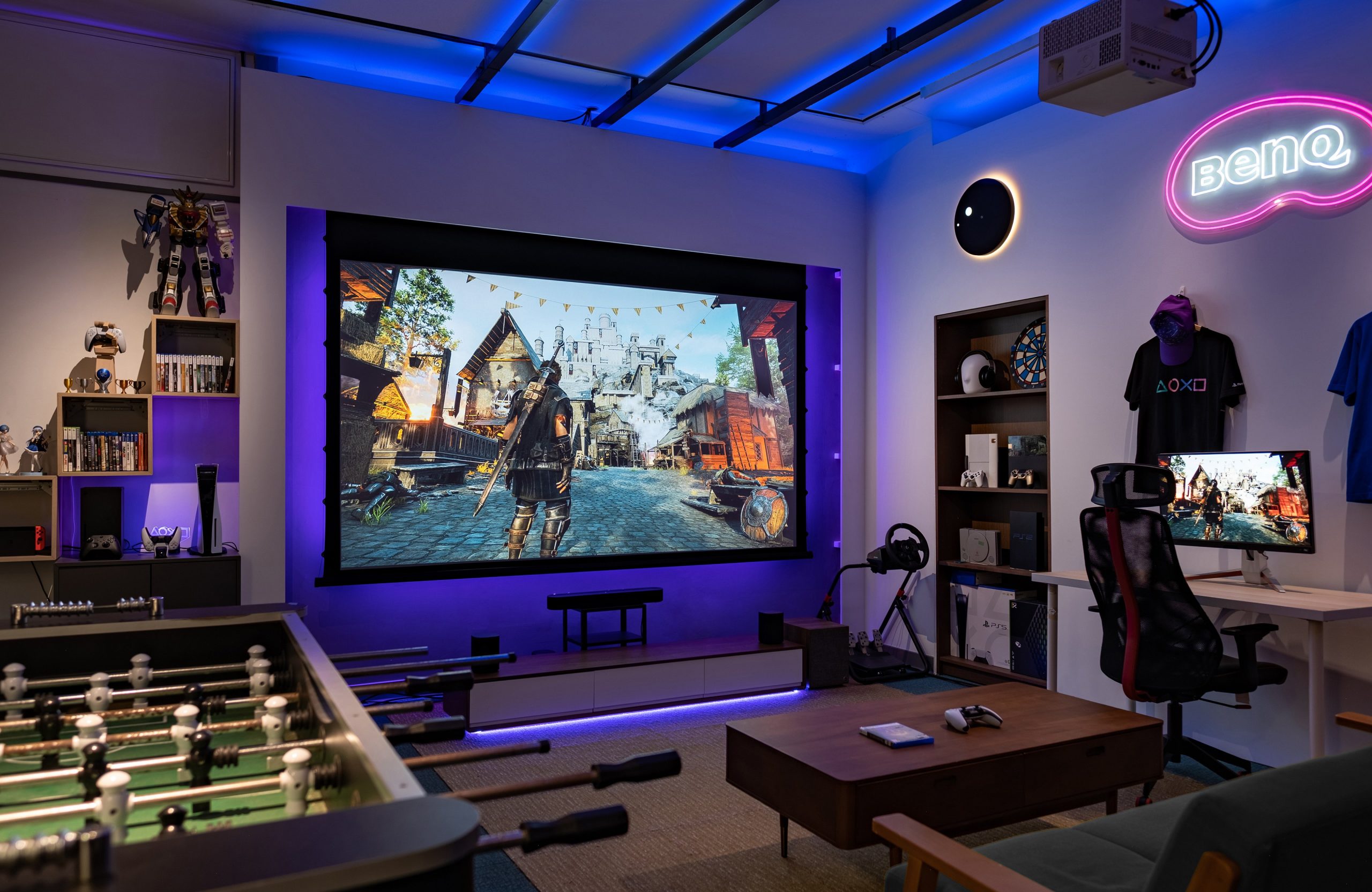
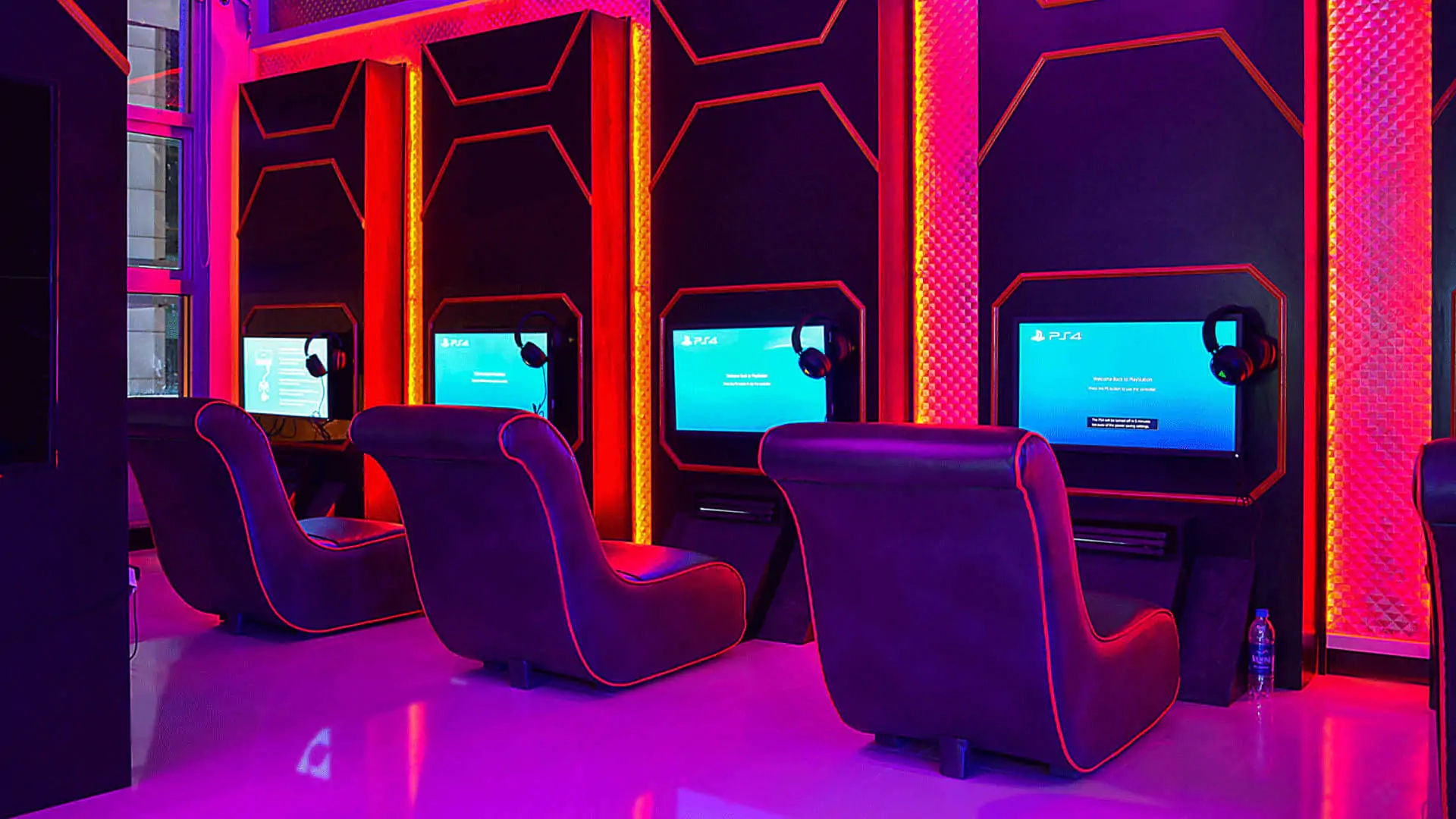
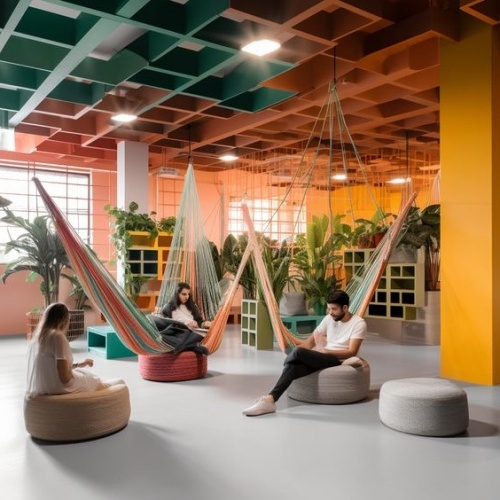
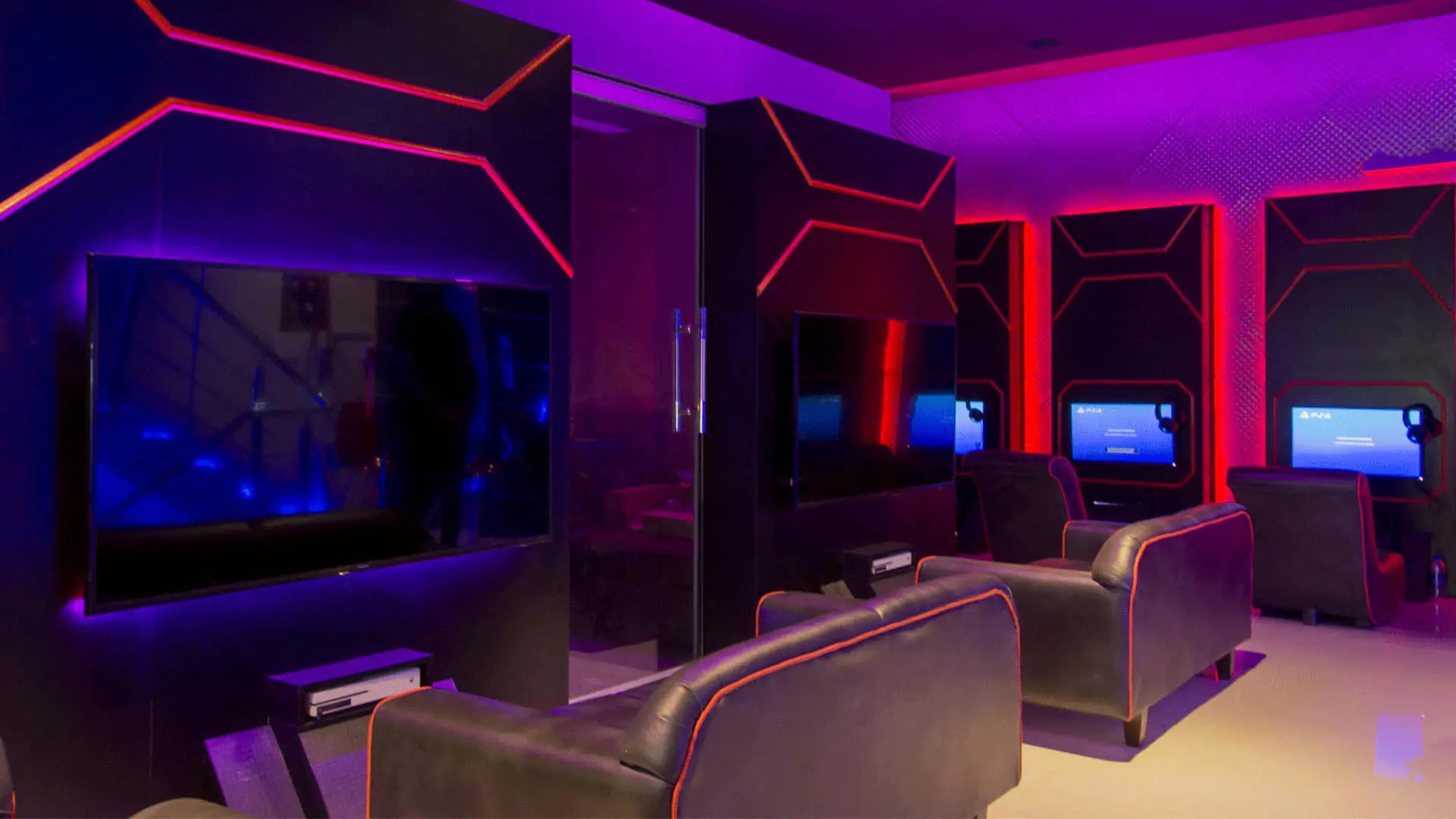
We’ve all been there. You walk into a friend’s "media room" and it feels like entering a dungeon. The windows are boarded up or covered with heavy, dusty drapes that haven’t moved in years. It’s cozy for a horror movie, sure, but try hosting a Sunday brunch or a casual game night in there. It feels claustrophobic. Uninviting. Like the room is holding its breath.
But what if that same space could transform? Imagine pressing a single button and watching heavy blackout shades glide silently down, plunging the room into cinematic darkness. Then, with another tap, they rise to let the morning sun flood in, turning the space into a bright, airy lounge perfect for chatting over coffee. This isn’t science fiction. It’s the new standard for home entertainment spaces in 2026.
The secret isn’t just better screens or louder speakers. It’s the windows. Specifically, how we treat them. Motorized shades have evolved from a luxury novelty into a practical necessity for anyone who wants a room that works as hard as they do. They bridge the gap between the "dark cave" needed for immersive viewing and the "bright hub" desired for daily living. Let’s dive into how you can make this transformation happen in your own home.
The Dual Identity of Modern Media Rooms
Gone are the days when a media room was a dedicated, single-purpose bunker. In 2026, our homes are smaller, more multifunctional, and we demand more from every square foot. A room that sits empty 80% of the time is a wasted opportunity. Today’s media rooms are living rooms first, theaters second. They need to be versatile.
This creates a design conflict. Movie watching requires total light control. Even a small sliver of sunlight can wash out the contrast on a high-end projector or OLED screen, ruining the experience. But socializing? That thrives on natural light. We want to see each other’s faces. We want the space to feel open and connected to the rest of the house. Traditionally, homeowners had to choose one vibe or the other.
Motorized shades solve this dichotomy by offering instant adaptability. They allow the room to shift identities on demand. During the day, the shades are up, hiding away neatly into headrails or valances, leaving the windows clear and the room feeling expansive. At night, or when it’s time for a film, they descend to create a sealed, light-tight environment. It’s about having your cake and eating it too, without the mess.
Think of it as architectural flexibility. You aren’t just installing window coverings; you’re installing a mood switch. This dual identity is crucial for modern lifestyles where a room might host a Zoom call in the morning, a kids’ playdate in the afternoon, and a blockbuster premiere in the evening. The ability to transition seamlessly between these modes is what separates a good media room from a great one.
Choosing the Right Shade Technology
Not all motorized shades are created equal. When you’re aiming for that perfect blackout effect, the type of shade matters immensely. Cellular shades, also known as honeycomb shades, are a top contender for 2026 designs. Why? Because their unique structure traps air, providing excellent insulation and, crucially, sound absorption. In a media room, controlling acoustics is just as important as controlling light.
Dark-colored cellular shades are particularly effective. They don’t just block light; they absorb it. This reduces reflections and glare, boosting the contrast on your screen. Plus, the honeycomb design helps dampen outside noise—traffic, lawn mowers, neighbors—creating a quieter, more immersive audio environment. It’s a two-for-one benefit that static blinds simply can’t match.
For those who prioritize aesthetics alongside function, modern Roman shades are making a huge comeback. But here’s the trick: you need a thick, high-quality blackout liner. Standard liners often let light bleed through the sides or fabric weave. A premium liner ensures that when the shades are down, it’s pitch black. The beauty of Roman shades is that they offer a softer, more sophisticated look than technical roller shades, making the room feel less like a tech lab and more like a elegant sitting area when the movies aren’t playing.
Another option gaining traction is the dual-layer system. These shades feature two distinct fabrics on a single roller or track. One layer is sheer or semi-opaque for daytime privacy and light filtering. The other is a solid blackout material. With motorization, you can stack them independently. Want some light but no glare? Drop the sheer layer. Ready for the movie? Drop the blackout layer behind it. It’s precise control that caters to every lighting condition.
The Magic of Motorization and Integration
Let’s be honest: manual shades in a media room are a hassle. If you have to get up and crank a wand or pull a cord every time you want to watch a movie, you won’t use them. Or worse, you’ll leave them half-open, ruining your viewing experience. Motorization removes the friction. It makes light control effortless.
In 2026, integration is key. Your shades shouldn’t operate in isolation. They should talk to your other smart home systems. Imagine a "Movie Mode" scene. You press one button on your remote, or say "Hey Alexa, start movie night," and the lights dim, the TV turns on, the sound system activates, and the shades glide down simultaneously. It’s seamless. It’s magical. And it encourages you to actually use the features you’ve installed.
Voice control has become standard, not optional. Being able to adjust shades without finding a remote is a game-changer, especially when your hands are full with popcorn or drinks. Most major motorized shade brands now integrate with platforms like Apple HomeKit, Google Home, and Amazon Alexa. This connectivity ensures that your window treatments are part of the broader smart home ecosystem, not an afterthought.
Battery technology has also improved dramatically. Older motorized shades required unsightly power cords running down the wall or complex hardwiring during construction. Today’s high-capacity rechargeable batteries can last months on a single charge, depending on usage. Some even feature solar charging strips that harvest energy from ambient light. This means you can retrofit existing windows without tearing up drywall or hiring an electrician. It’s clean, discreet, and user-friendly.
Designing for Aesthetics and Discretion
A common mistake in media room design is letting the technology overpower the decor. Huge, bulky headrails or visible motors can detract from the room’s elegance. The goal is for the shades to disappear when not in use. This requires thoughtful planning early in the design process.
Concealed mounting is essential. Recessed pockets in the ceiling or custom valances can hide the headrails completely. When the shades are up, you see only the window and the view. This maintains the "bright social hub" feel during the day. It keeps the room feeling open and airy, rather than cluttered with hardware. Sleek AV furniture and concealed wiring complement this approach, ensuring the space functions as a living area first.
Fabric choice plays a huge role in the room’s vibe. While blackouts are functional, they don’t have to be ugly. Many manufacturers now offer blackout fabrics in a variety of textures and colors that match contemporary interior design trends. Neutral tones like charcoal, slate, or warm beige blend seamlessly with most decor schemes. Avoid shiny materials that can reflect screen light back into the room. Matte finishes are your friend here.
Consider the side channels too. Light leakage often happens at the edges of the shade. Side channels or guide rails ensure a tight seal against the window frame, preventing those annoying slivers of light from creeping in during a dark scene. While they add a bit of visual structure, they can be painted to match the trim or wall color, making them nearly invisible. It’s these small details that elevate a DIY project to a professional installation.
Acoustic Benefits and Comfort
We often forget that windows are weak points for sound. Glass vibrates. It lets noise in. In a media room, where audio quality is paramount, this is a problem. Motorized shades, especially cellular or heavy fabric varieties, act as an additional layer of sound insulation. They don’t replace proper acoustic treatment on walls, but they help.
The air pockets in cellular shades trap sound waves, reducing echo and reverberation within the room. This creates a tighter, more controlled audio environment. Dialogue becomes clearer. Explosions feel punchier without lingering ringing. It’s a subtle improvement, but audiophiles and movie buffs will notice it immediately. Plus, it helps keep the noise inside, so you don’t disturb the rest of the house during late-night gaming sessions.
Thermal comfort is another bonus. Large windows can make a room hot in summer and cold in winter. Motorized shades allow you to manage this passively. In summer, you can program them to close during the hottest part of the day, keeping the room cool and reducing AC load. In winter, closing them at night adds an extra layer of insulation, retaining heat. This energy efficiency is increasingly important in 2026, as homeowners look for sustainable ways to manage their living spaces.
Sustainable materials are also trending. Reclaimed wood accents, bamboo shades, and recycled textiles are becoming more common in high-end installations. These materials not only reduce environmental impact but also add warmth and texture to the room. A media room doesn’t have to feel sterile or tech-heavy. It can feel organic and inviting, thanks to thoughtful material choices.
So, how do you actually make this happen? Start by assessing your windows. Measure them accurately. Note any obstructions like handles or trim that might interfere with shade operation. Decide on your primary goal: is it total blackout, or just significant light reduction? This will guide your fabric choice.
Next, think about control. Do you want simple remote controls? Wall switches? Full smart home integration? If you’re building new or renovating, consider hardwiring for reliability. If you’re retrofitting, look for battery-operated systems with strong wireless connectivity. Test the Wi-Fi strength in the room to ensure your smart shades stay connected.
Don’t skimp on the liner. If you’re going for blackout, invest in a premium liner with side tracks. It’s worth the extra cost. Light bleed is the enemy of immersion. Also, consider professional installation. While DIY is tempting, motorized shades require precise alignment to operate smoothly and quietly. A pro can ensure the headrails are level and the motors are calibrated correctly.
Finally, create scenes. Work with your integrator or set up your smart home app to create presets. "Daytime," "Evening Relax," "Movie Night," "Game Mode." Each scene should adjust the shades, lights, and audio to the perfect setting. This automation is what transforms the room from a collection of parts into a cohesive, responsive environment. It’s the difference between having a smart home and living in one.
Transforming your media room from a dark cave to a bright social hub isn’t just about buying expensive gear. It’s about intentionality. It’s about recognizing that our spaces need to serve multiple roles in our lives. Motorized shades are the tool that makes this versatility possible. They offer the darkness we crave for immersion and the light we need for connection.
As we move further into 2026, the line between technology and interior design continues to blur. The best tech is the kind you don’t notice until you need it. Motorized shades fit this bill perfectly. They sit quietly in the background, ready to transform the atmosphere at a moment’s notice. They make the room feel larger, brighter, and more welcoming during the day, and intimate and focused at night.
So, don’t board up your windows. Don’t settle for a room that only works half the time. Embrace the windows. Let the light in. And when it’s time to dim the lights, let the shades do the work. Your media room—and your guests—will thank you. It’s time to stop choosing between function and form. With the right shades, you get both.