You know that smell. It’s sharp, chemical, and oddly sweet. You spray it on your grandmother’s dining table, wipe it with a paper towel, and watch it shine. For a second, it looks beautiful. But have you ever stopped to think about what’s actually happening under that glossy surface? That quick fix isn’t just cleaning; it’s slowly suffocating the wood.
We’ve been sold a lie in a can. For decades, marketing campaigns told us that "shine" equals "clean." But antique furniture doesn’t want to look like a plastic showroom piece. It wants to breathe. It wants to be fed. And right now, in 2026, as we become more aware of what we put in our bodies and homes, it’s time to look at what we’re putting on our history. The truth is, your antique furniture hates those modern sprays. It’s screaming for help. And the answer has been sitting in apiaries for thousands of years: beeswax.
The Chemical Assault in a Can
Let’s talk about what’s in those blue or yellow cans. Most modern furniture sprays are largely made of silicone oils and petroleum distillates. They might smell like lemon, but there’s rarely any actual citrus involved. It’s all synthetic fragrance designed to mask the chemical odor. When you spray this stuff on an old finish—whether it’s shellac, varnish, or oil—the silicone creates a temporary barrier. It fills in scratches and reflects light, giving you that instant gratification of a "clean" look.
But here’s the catch. Silicone is inert. It doesn’t dry. It doesn’t absorb. It just sits there. Over time, it builds up layer upon layer, creating a gummy residue that traps dirt and dust. This buildup is a nightmare for conservators. In fact, recent discussions among restoration experts in early 2026 highlight that removing silicone contamination is one of the most difficult and expensive processes in furniture repair. You can’t just wax over it; the new wax won’t stick. You have to strip the entire piece, which often means removing the original patina—the very thing that gives the piece its value and character.
Think of it like putting plastic wrap on a sandwich. Sure, it keeps it fresh for a bit, but if you leave it on too long, the bread gets soggy and weird. Except with furniture, the "soggy" part is irreversible damage to the finish. The petroleum solvents in these sprays can also soften old shellac, causing it to become tacky or even dissolve slightly. Every time you spray, you’re microscopically altering the surface. It’s death by a thousand cuts. Or rather, a thousand spritzes.
Why Wood Needs to Breathe (Yes, Really)
Wood is not dead material. Well, technically the cells are dead, but the structure is hygroscopic. That’s a fancy word meaning it absorbs and releases moisture from the air. As humidity changes with the seasons, wood expands and contracts. This movement is natural. Antique furniture was built to handle this rhythm. The original finishes—like hand-rubbed oil or thin coats of shellac—were designed to move with the wood, allowing it to breathe while offering some protection.
Modern sprays disrupt this balance. By clogging the pores with silicone and heavy waxes, you prevent the wood from regulating its moisture content properly. This can lead to uneven expansion. Imagine wearing a raincoat that’s glued to your skin. You’d sweat, you’d get uncomfortable, and eventually, your skin would suffer. Wood reacts similarly. When it can’t breathe, it becomes brittle or warps. Cracks start to appear in places they shouldn’t. The joints loosen. The integrity of the piece compromises.
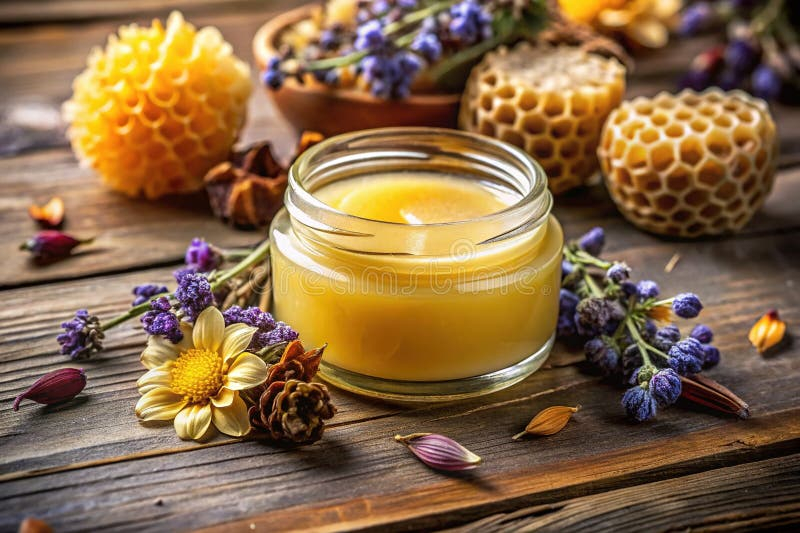
Beeswax, on the other hand, is different. It’s a natural substance produced by honeybees to build their hives. It’s flexible. It’s permeable. When applied correctly, it penetrates slightly into the microscopic pores of the wood without sealing them shut. It allows the wood to continue its natural exchange with the environment. This is crucial for pieces that have survived centuries. They’ve adapted to their environments. Slapping a synthetic sealant on them is like forcing a marathon runner to wear concrete shoes. It stops the natural motion. It breaks the rhythm.
The Magic of Beeswax: More Than Just Shine
So, why beeswax? Why not carnauba? Why not paraffin? Beeswax has a unique molecular structure that makes it ideal for wood care. It contains esters, fatty acids, and hydrocarbons that bond well with wood fibers. But beyond the chemistry, there’s the tactile experience. Beeswax feels warm. It smells faintly of honey and flowers, not chemicals. When you apply it, you’re engaging in a ritual. You’re touching the wood. You’re noticing the grain, the curves, the craftsmanship.
In 2026, we’re seeing a resurgence of "slow living" practices. People are tired of disposable culture. They want things that last. Beeswax fits this philosophy perfectly. It’s biodegradable. It’s renewable. It’s non-toxic. You don’t need a hazmat suit to apply it. You just need a soft cloth and a bit of elbow grease. The shine it produces is deep and lustrous, not superficial and glare-y. It enhances the color of the wood, bringing out the rich reds of mahogany or the golden hues of oak.
There’s also a protective quality that’s often overlooked. Beeswax repels water. If you spill a drop of wine on a beeswaxed surface, it beads up. It gives you time to wipe it away before it stains. It also acts as a barrier against minor abrasions. It’s not a force field, but it’s a gentle shield. And unlike silicone, if you make a mistake or want to change your maintenance routine, beeswax is easy to remove. A little mineral spirits or denatured alcohol will take it off without harming the underlying finish. It’s forgiving. Modern sprays are not.
The Buildup Problem: A Conservator’s Nightmare
Let’s get specific about the damage. Have you ever seen an antique table that looks cloudy or blotchy? That’s often "wax bloom" or silicone buildup. It’s a hazy film that refuses to polish out. Conservators spend hours trying to fix this. They use specialized solvents, careful scraping, and immense patience. But sometimes, the damage is done. The original finish is compromised beyond repair.
A survey of furniture restorers conducted in late 2025 found that nearly 60% of the pieces brought in for "cleaning" had significant silicone contamination from household sprays. This wasn’t just a minor inconvenience; it required full refinishing in many cases. That means stripping the piece down to bare wood. For an 18th-century chest, that’s a tragedy. You lose the patina. You lose the history. You lose the value.
And it’s not just about aesthetics. Silicone can interfere with future repairs. If you ever need to glue a broken leg or tighten a joint, standard wood glues won’t stick to silicone-contaminated wood. You have to use special adhesives or extensively clean the area, which is risky. By using modern sprays, you’re potentially limiting the options for future generations who might want to care for the piece. You’re making their job harder. You’re leaving a toxic legacy in the grain of the wood. Is that really worth the five minutes of convenience?
How to Make the Switch (Without Panic)
Okay, so you’ve been using the spray for years. Don’t panic. Your furniture isn’t doomed. But you do need to stop. Today. Put the can in the recycling bin. Then, assess the situation. If the piece feels sticky or gummy, it has buildup. You’ll need to clean it before applying beeswax. You can use a damp cloth with a tiny bit of mild soap, or for tougher buildup, a cloth dampened with mineral spirits. Test it in an inconspicuous area first. Always test first.
Once the surface is clean and dry, it’s time for the beeswax. You can buy pure beeswax paste, or make your own by mixing beeswax with a little turpentine or orange oil (if you want a softer consistency). Apply a thin layer with a soft cloth. Less is more. You don’t need to glob it on. Let it sit for 15-20 minutes to haze over. Then, buff it with a clean, dry cloth. Use circular motions. Feel the warmth. Watch the shine emerge. It’s satisfying. It’s meditative.
You don’t need to do this every week. In fact, over-waxing is a thing. Once or twice a year is usually enough for most pieces. High-use items like dining tables might need it every few months. Listen to the wood. If it looks dry, feed it. If it shines nicely, leave it alone. This intuitive approach is key. You’re learning the language of your furniture. It’s a conversation, not a chore. And honestly? It smells way better than lemon-scented chemicals.
The Emotional Connection: Caring for History
There’s something profound about caring for an object that has outlived its original owners. When you use beeswax, you’re connecting with a tradition that spans centuries. Our ancestors used beeswax. Craftsmen in the 1700s used beeswax. It’s a timeless method. By adopting it, you’re honoring that lineage. You’re treating the piece with the respect it deserves.
This isn’t just about preservation; it’s about mindfulness. In a world that moves fast, taking twenty minutes to wax a chair is an act of resistance. It’s a moment of stillness. You notice the details. The curve of the leg. The grain pattern. The wear marks that tell stories of meals shared and conversations held. You’re not just maintaining an object; you’re curating a memory.
And let’s be real. It feels good. There’s a pride in seeing a piece glow with a natural luster. It’s not the fake, plastic shine of a showroom. It’s a deep, warm glow that seems to come from within the wood. It invites touch. It invites use. Antique furniture isn’t meant to be behind glass. It’s meant to be lived with. Beeswax protects it while allowing it to remain part of your life. It bridges the gap between past and present. It makes the old feel new, not by changing it, but by revealing its true self.
So, where does this leave us? In 2026, we have more information than ever. We know that simple, natural solutions are often the best. We know that convenience comes at a cost. For your antique furniture, that cost is too high. The modern sprays are a quick fix with long-term consequences. They silence the wood. They hide its beauty under a layer of synthetic noise.
Beeswax is the antidote. It’s simple. It’s effective. It’s kind. It allows the wood to breathe, to move, to be itself. It protects without suffocating. It enhances without masking. By making the switch, you’re not just caring for a piece of furniture; you’re preserving a piece of history. You’re ensuring that it can be passed down, loved, and appreciated for generations to come.
Take a look at that heirloom in the corner. It’s been waiting for you to notice. It’s been waiting for a gentle touch. Ditch the can. Grab the wax. Give it the care it craves. You might just find that in healing the furniture, you heal a little bit of yourself too. It’s a small change, but it matters. After all, these pieces have survived wars, moves, and decades of neglect. They deserve better than a chemical spray. They deserve beeswax. And frankly, so do you.