You’re standing in the hardware store aisle, or maybe just scrolling through your phone at 11 PM, staring at two cans of foam that look identical but cost vastly different amounts. One promises "maximum R-value" and the other says "great for soundproofing." You know your attic is leaking heat like a sieve, and your energy bills are creeping up again. But which one do you actually need? It’s not just about plugging a hole. It’s about the health of your home, your wallet, and frankly, your peace of mind.
Most homeowners get this wrong. They buy the cheap stuff for a damp basement and wonder why it smells funny later. Or they splurge on the heavy-duty foam for an interior wall where it was totally unnecessary. In 2026, the options are better than ever, but the confusion hasn’t gone away. Let’s cut through the marketing noise. We’re going to look at what really matters—climate, budget, and the specific job at hand—so you can make a choice you won’t regret next winter.
The Great Divide: Open-Cell vs. Closed-Cell
At its core, spray foam isn’t just one thing. It falls into two main camps: open-cell and closed-cell. Think of open-cell foam like a sponge. If you were to cut it open under a microscope, you’d see tiny air pockets that aren’t fully sealed. This makes it lighter, softer, and generally cheaper. It’s great at stopping air movement, which is half the battle in insulation, and it has a knack for dampening sound. If you live near a busy street or have a noisy HVAC unit, open-cell is often the go-to for interior walls because it acts like an acoustic buffer.
Closed-cell foam is a different beast entirely. It’s dense, rigid, and as the name suggests, the cells are completely shut tight. This structure gives it a much higher R-value per inch—usually around 6.0 to 7.0, compared to open-cell’s 3.5 to 4.0. Because it’s so dense, it also acts as a vapor barrier, meaning moisture can’t pass through it easily. This makes it ideal for exterior applications, roofs, or areas prone to flooding. But that performance comes at a price. It’s heavier, harder to work with, and significantly more expensive. Choosing between them isn’t about which is "better," but which fits your specific scenario.
Money Matters: Understanding the 2026 Cost Landscape
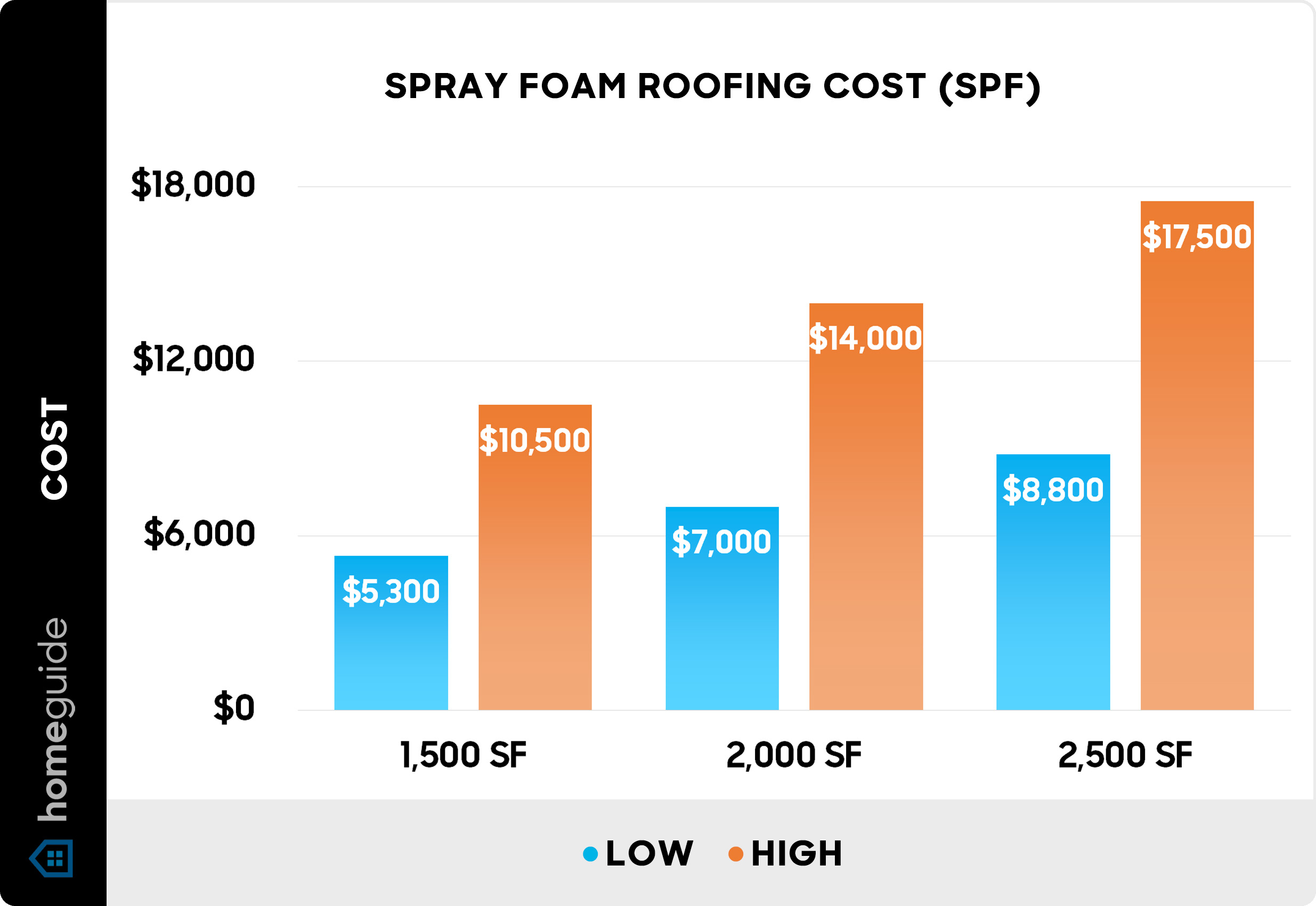
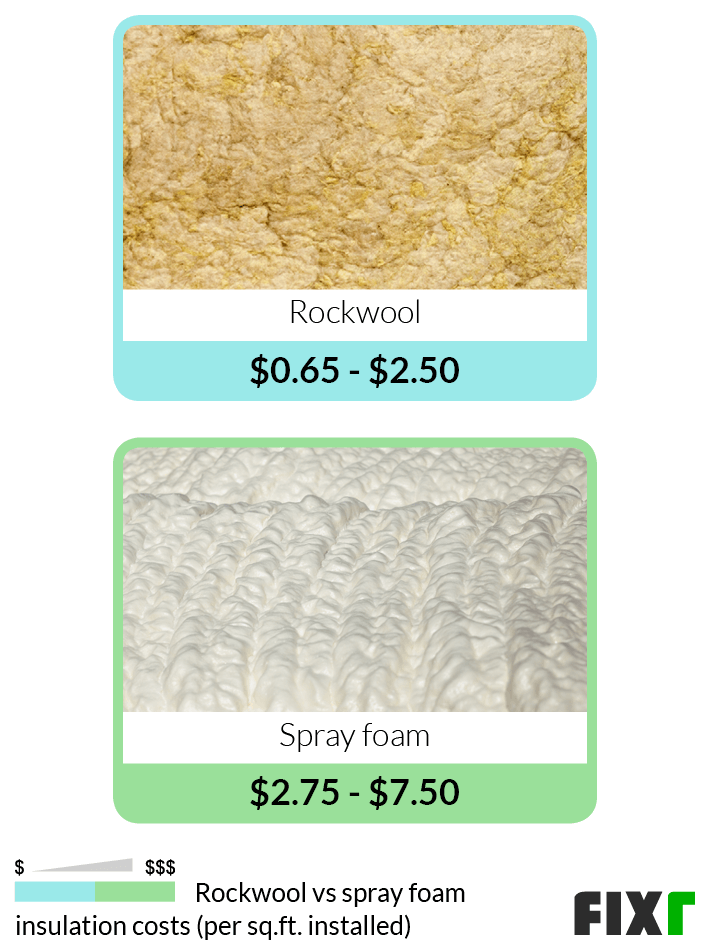
Let’s talk numbers, because this is usually the deciding factor. As of 2026, the cost disparity between the two types is still pretty stark. Generally, you’re looking at spending anywhere from $1 to $5 per square foot, depending on the type and thickness. Open-cell foam tends to sit on the lower end of that spectrum, making it attractive for large projects like finishing a big basement or insulating an entire attic floor. It covers more area for less cash, which is hard to argue with when you’re working with a tight budget.
However, don’t just look at the upfront price tag. Closed-cell foam, while pricier initially, often pays for itself faster in extreme climates. Because it provides a higher R-value in a thinner layer, you might need less of it to meet local building codes. Plus, its ability to seal out moisture can prevent costly mold remediation down the line. If you’re in a humid region like the Southeast or a cold zone like the Northeast, the extra investment in closed-cell might save you thousands in heating and cooling costs over the lifespan of the home. It’s a classic case of pay me now or pay me later.
Climate and Location: Where You Live Dictates What You Buy
You wouldn’t wear a parka to the beach, right? The same logic applies to insulation. Your local climate is the biggest driver in deciding which foam to use. If you’re in a mixed or hot-humid climate, managing moisture is critical. Closed-cell foam is superior here because it stops warm, humid air from hitting cool surfaces inside your walls, which prevents condensation and rot. In these zones, using open-cell foam without a separate vapor barrier can be a recipe for disaster, trapping moisture inside your wall cavities.
On the flip side, if you’re in a drier, moderate climate, open-cell foam is often perfectly adequate and more breathable. It allows the house to "breathe" slightly, which can be beneficial in older homes that weren’t built with modern vapor barriers in mind. Also, consider the specific part of the house. For a roof deck, closed-cell is almost always recommended because it adds structural strength and seals against rain-driven moisture. For interior partition walls where temperature control isn’t the main goal but noise reduction is, open-cell is the clear winner. Context is everything.
The DIY Dilemma: Kits vs. Professional Installation
Here’s where things get tricky. Walk into any home improvement store in 2026, and you’ll see shelves stocked with DIY spray foam kits. Brands have made these easier to use, with better nozzles and clearer instructions. These kits are fantastic for small jobs—sealing around window frames, filling gaps around plumbing penetrations, or insulating a small rim joist. They give you immediate gratification and stop drafts instantly. But there’s a limit to what you should tackle yourself.
Large-scale insulation is not a weekend DIY project. Professional installers have specialized equipment that mixes the chemicals at the exact right temperature and pressure. If the mix is off, the foam might not cure properly, leaving behind a sticky mess or, worse, releasing volatile organic compounds (VOCs) into your home for months. Pros also know how to handle the expansion rates. Closed-cell foam expands less than open-cell, but if you overfill a cavity, you can bow your drywall or warp your studs. Unless you’re doing minor air sealing, calling a pro is usually the safer, more effective bet.
Health, Safety, and Environmental Impact
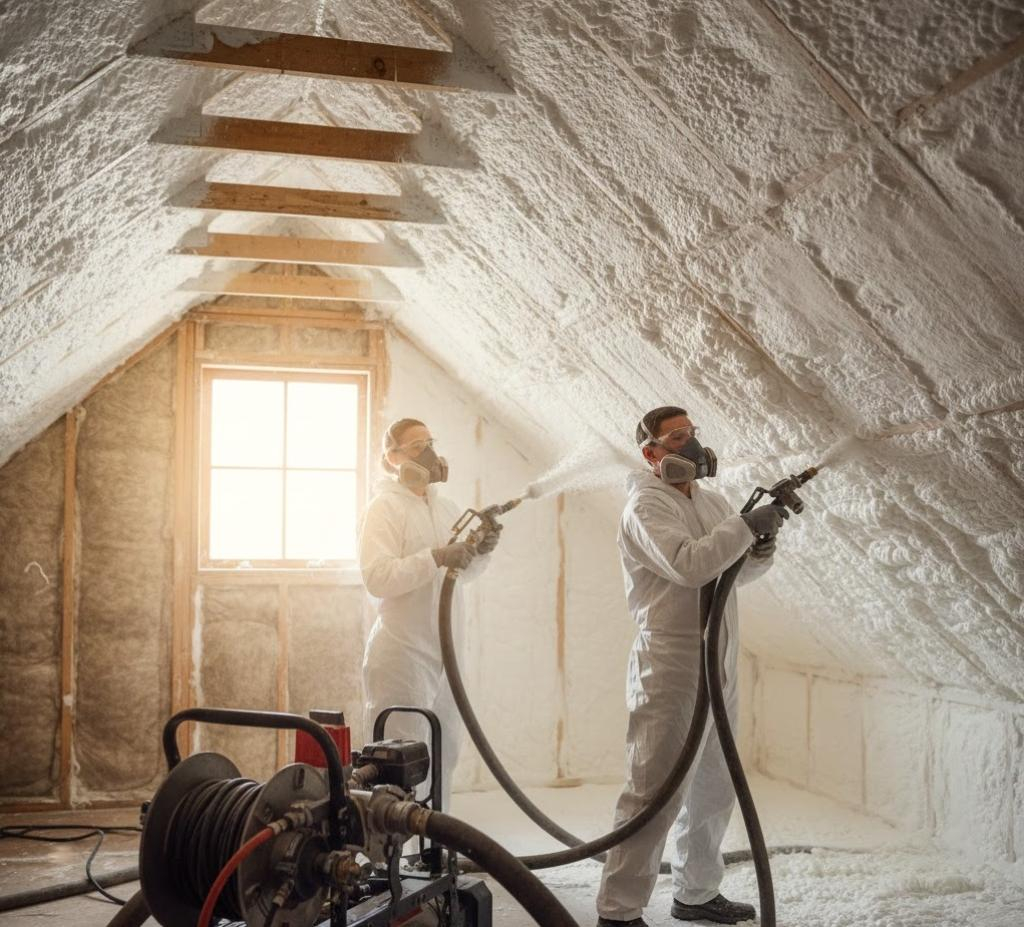
We’re all more aware of what we’re bringing into our homes these days. Spray foam is made from petroleum-based products and involves chemicals that can be hazardous during installation. The key is proper curing. Once fully cured, high-quality spray foam is generally considered inert and safe. However, the installation process requires serious safety gear. Respirators, goggles, and full-body suits are non-negotiable for pros, and you should stay out of the house for at least 24 hours after application to let any off-gassing dissipate.
There’s also the environmental angle. Some newer foams in 2026 use water-blown technologies or have lower global warming potential (GWP) blowing agents. If sustainability is a priority for you, ask your contractor about the specific chemical composition of the foam they use. Look for certifications like GREENGUARD Gold, which ensures low chemical emissions. It’s not just about keeping your house warm; it’s about keeping your indoor air quality healthy. Don’t be afraid to ask questions about the ingredients. A reputable installer will be transparent about what they’re spraying.
Even with the best intentions, people mess this up. One of the most common errors is ignoring air sealing before insulating. Spray foam is an insulator, but it works best when it’s part of a comprehensive air-sealing strategy. If you have huge gaps in your framing, foam alone might not bridge them effectively without shrinking or pulling away over time. Another mistake is using the wrong density for the job. Using lightweight open-cell foam in a crawl space that’s prone to dampness is a classic blunder that leads to mold growth within a year.
Also, don’t skimp on the prep work. Surfaces need to be clean and dry. If you spray foam over dusty or wet wood, it won’t adhere properly. Adhesion is crucial for the foam to perform as an air barrier. And finally, beware of the "more is better" mentality. Over-spraying can lead to excessive pressure on your home’s structure. Trust the recommended thicknesses for your climate zone. More foam doesn’t always mean better performance if it’s installed incorrectly. It’s about precision, not volume.
So, where does that leave you? Stop guessing. Look at your specific problem. Is it noise? Go open-cell. Is it moisture and high R-value in a small space? Go closed-cell. Are you just plugging a few holes? Grab a DIY kit. But for whole-house projects, get a professional assessment. The right choice isn’t about the most expensive product; it’s about the right tool for the job. By understanding the differences and respecting the complexity of your home’s envelope, you can make a decision that keeps you comfortable, saves money, and stands the test of time. It’s not rocket science, but it does require a bit of homework. And honestly, that’s a small price to pay for a cozy, efficient home.