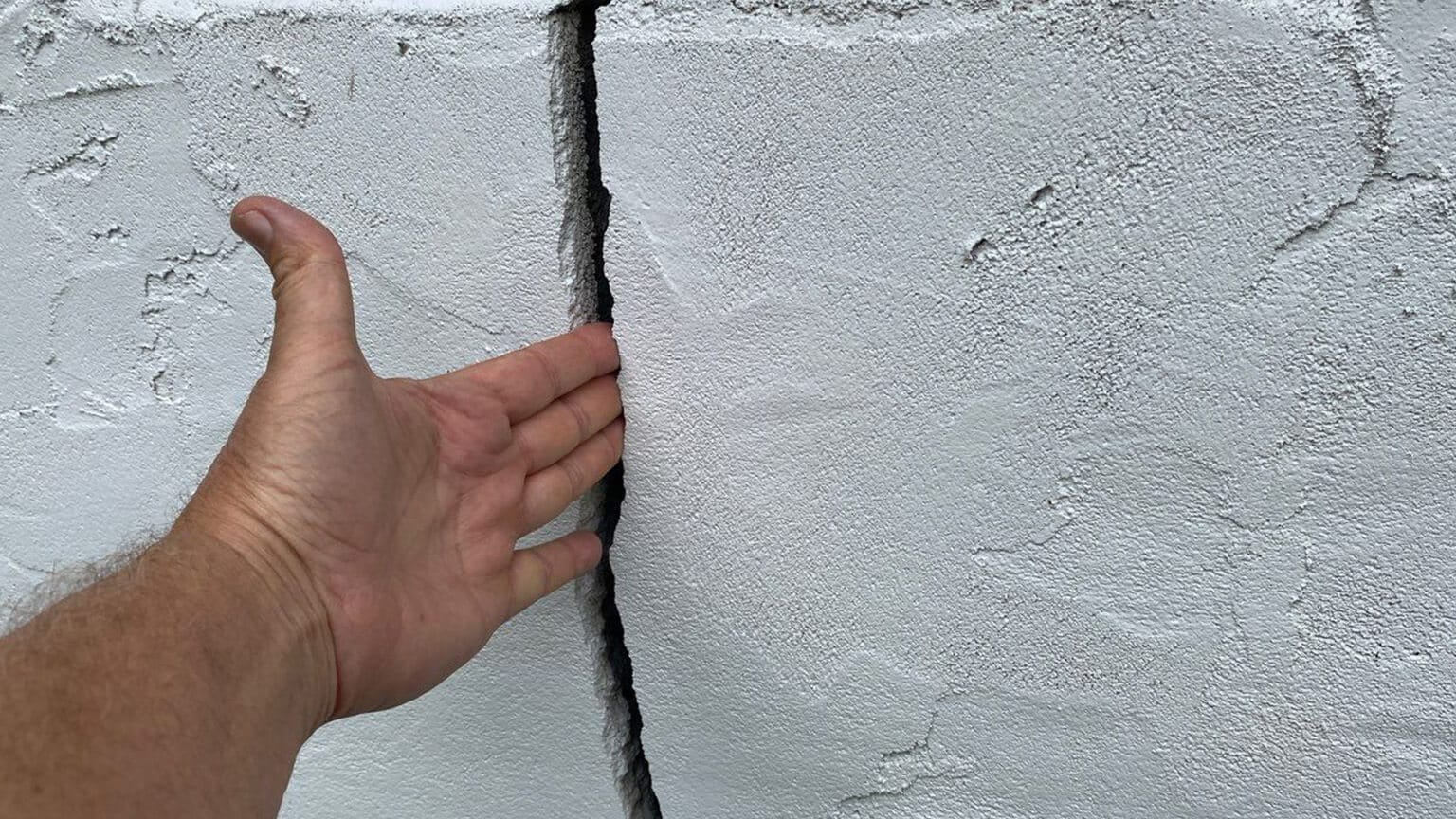
You’re walking through your living room, coffee in hand, when you spot it. A tiny, jagged line running down the wall near the window frame. Your stomach drops. Did the house just shift? Is the foundation failing? Or is this just normal wear and tear? It’s a moment every homeowner dreads. We’ve all been there, staring at a crack and wondering if we need to call an engineer or just grab some spackle.
The truth is, houses breathe. They expand in the summer heat and contract in the winter chill. They settle into the earth beneath them, especially in the first few years after construction. Most of the time, those hairline fractures are nothing more than cosmetic quirks, like wrinkles on a well-loved face. But sometimes, they are screamers for help. Knowing the difference isn’t just about saving money on unnecessary repairs; it’s about peace of mind. In 2026, with changing weather patterns and older housing stocks, understanding these signs is more crucial than ever.
Let’s dive into the nitty-gritty of what’s happening beneath your feet and behind your drywall. We’ll break down the science, the warning signs, and the simple tests you can do yourself before panicking. Because while a crack can be scary, ignorance is usually costlier.
The Anatomy of a Crack: Size Matters
First things first, let’s talk measurements. It sounds tedious, but grabbing a ruler or a coin is the quickest way to gauge severity. Generally, experts agree that hairline cracks are thin, surface-level fissures that are typically less than 1/16 of an inch wide. To put that in perspective, that’s thinner than a standard pencil lead. If you can’t fit the edge of a credit card into it, you’re likely in the safe zone. These are often caused by normal shrinkage as concrete cures or minor settling of the soil.
However, once that gap widens beyond 1/8 of an inch, the conversation changes. This is the critical threshold many professionals use to determine if a structural assessment is needed. A crack wider than a dime suggests that movement is occurring that exceeds normal settling parameters. It doesn’t automatically mean your house is collapsing, but it does mean something is pushing or pulling on your foundation with significant force. In 2026, with more extreme weather events causing soil expansion and contraction, these wider cracks are becoming more common in areas with clay-heavy soils.
Don’t just look at the width, though. Look at the depth. A surface crack in the paint or plaster is vastly different from a crack that goes through the concrete block or poured foundation itself. If you chip away a bit of paint and see the crack continues deep into the material, it’s no longer just a cosmetic issue. It’s a structural one. And remember, any crack wider than 1/8 inch warrants a professional look, regardless of where it is. Better safe than sorry, right?
Location, Location, Location
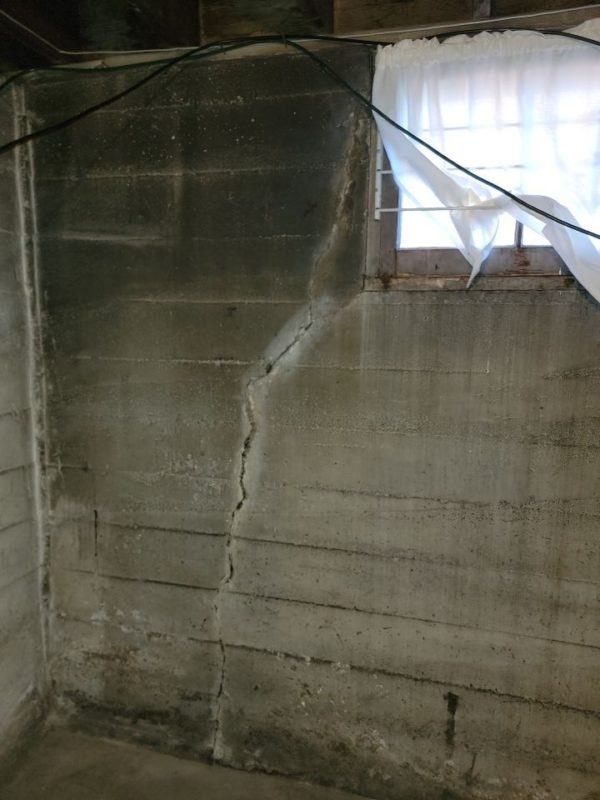
Where the crack appears tells a huge part of the story. Not all walls are created equal. Vertical cracks in the center of a foundation wall are often the least worrisome. They usually result from the natural settling of the house or shrinkage during the concrete drying process. If it’s straight up and down and narrow, it’s likely just the house finding its footing. You can often monitor these with little anxiety.
Horizontal cracks, on the other hand, are the red flags waving frantically. If you see a crack running sideways along your basement wall, stop what you’re doing and take note. This often indicates hydrostatic pressure—water in the soil outside pushing against the wall. In wet seasons or areas with poor drainage, this pressure can bow walls inward and cause serious structural failure over time. It’s not something you want to ignore or patch over with paint. Diagonal cracks are tricky. They often stem from differential settling, where one part of the house sinks faster than another. If the diagonal crack is wider at the top than the bottom, or vice versa, it suggests uneven movement that needs investigation.
Also, pay attention to corners. Cracks around door frames and window corners are super common. These are stress points where the structure naturally flexes. Often, these are just drywall issues, not foundation problems. But if you see cracks radiating from the corners of your windows on the exterior brick or siding, that’s a different ballgame. It could mean the lintel (the support beam above the window) is failing or the framing is shifting. Context is king here. A crack in the garage slab might be normal shrinkage, but the same crack in your living room ceiling could indicate a sagging floor joist.
The Shape and Pattern Clues
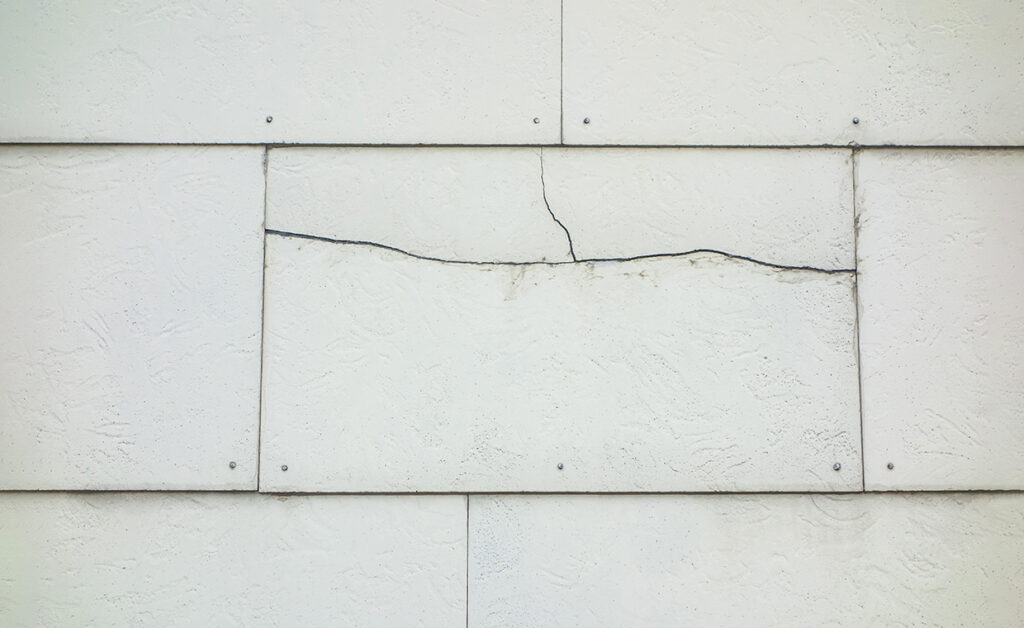
It’s not just about where the crack is, but how it looks. Think of cracks like fingerprints; each has a unique pattern that reveals its origin. Spiderweb cracks, also known as craze cracking, are common in concrete slabs and stucco. They look like a map of tiny, interconnected lines. While they can be ugly, they are rarely structural. They’re usually due to surface drying too quickly or minor temperature changes. You can live with these, aesthetically speaking, for years without issue.
Stair-step cracks are another distinct pattern, especially in brick or concrete block foundations. They follow the mortar joints, moving up and over in a zigzag pattern. Small stair-step cracks might just be settling, but if they are wide or if the blocks themselves are cracked (not just the mortar), you have a problem. This pattern often signals that one side of the foundation is sinking or heaving. In 2026, we’re seeing more of this in older homes where the soil composition has changed due to prolonged droughts or heavy rains, altering the ground’s stability.
Then there are the expanding cracks. This is the most dangerous type because it’s active. If a crack was thin last year and is now wide enough to stick a finger in, the movement is ongoing. Active cracks don’t stop on their own. They grow. Monitoring the growth is key. Some people tape a piece of paper across the crack and date it. If the paper tears, the crack is moving. It’s a low-tech solution, but it works. Don’t rely on guesswork when the shape suggests continuous motion. The pattern tells you the history; the change tells you the future.
Environmental Factors and Soil Health
Your house doesn’t exist in a vacuum. It sits on soil, and that soil is alive with water, roots, and changing densities. In many parts of the country, expansive clay soils are the culprit behind many foundation woes. These soils swell when wet and shrink when dry. Imagine your house sitting on a sponge that keeps changing size. That constant movement creates stress on the foundation, leading to cracks. In recent years, erratic weather patterns have exacerbated this cycle, making previously stable homes develop new issues.
Water drainage is arguably the biggest factor you can control. If your gutters are clogged or your downspouts dump water right next to the foundation, you’re inviting trouble. Saturated soil exerts massive pressure on foundation walls. It can also wash away supporting soil, creating voids underneath your slab. This leads to sinking and cracking. Take a walk around your home after a heavy rain. Do you see pooling water? Is the ground sloping toward the house or away from it? It should always slope away. Fixing grading issues is often cheaper and more effective than repairing the resulting cracks.
Tree roots are another silent saboteur. Large trees planted too close to the house can suck moisture out of the soil, causing it to shrink and pull away from the foundation. Conversely, roots can physically push against foundation walls. If you notice cracks appearing on one side of the house where a large oak or maple stands, consider the tree’s impact. Removing the tree might help, but it can also cause the soil to rehydrate and swell, creating a new set of problems. It’s a delicate balance. Understanding your local soil type and managing water flow is the best defense against environmental cracking.
DIY Monitoring vs. Professional Help
So, you’ve found a crack. It’s small, vertical, and seems stable. Do you need to call a pro? Probably not yet. For minor hairline cracks, DIY monitoring is a smart, cost-effective approach. Start by cleaning the area so you can see the crack clearly. Take a high-resolution photo with a ruler or coin next to it for scale. Date the photo. Check it every few months, especially after seasonal changes. If it looks the same in six months, you’re likely good. You can fill these with caulk or spackle for aesthetic reasons, but know that if the house moves, the filler will just crack again.
However, knowing when to call in the experts is vital. If the crack is wider than 1/8 inch, horizontal, or showing signs of growth, it’s time to bring in a structural engineer or a reputable foundation specialist. Don’t just call a contractor who wants to sell you piers immediately. An engineer provides an unbiased assessment. They can tell you if the movement is active or historical. In 2026, technology has improved this process. Engineers use laser levels and digital monitors to measure minute shifts in your foundation over time, providing data rather than just guesses.
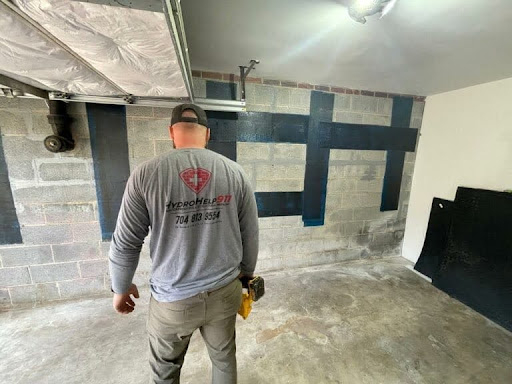
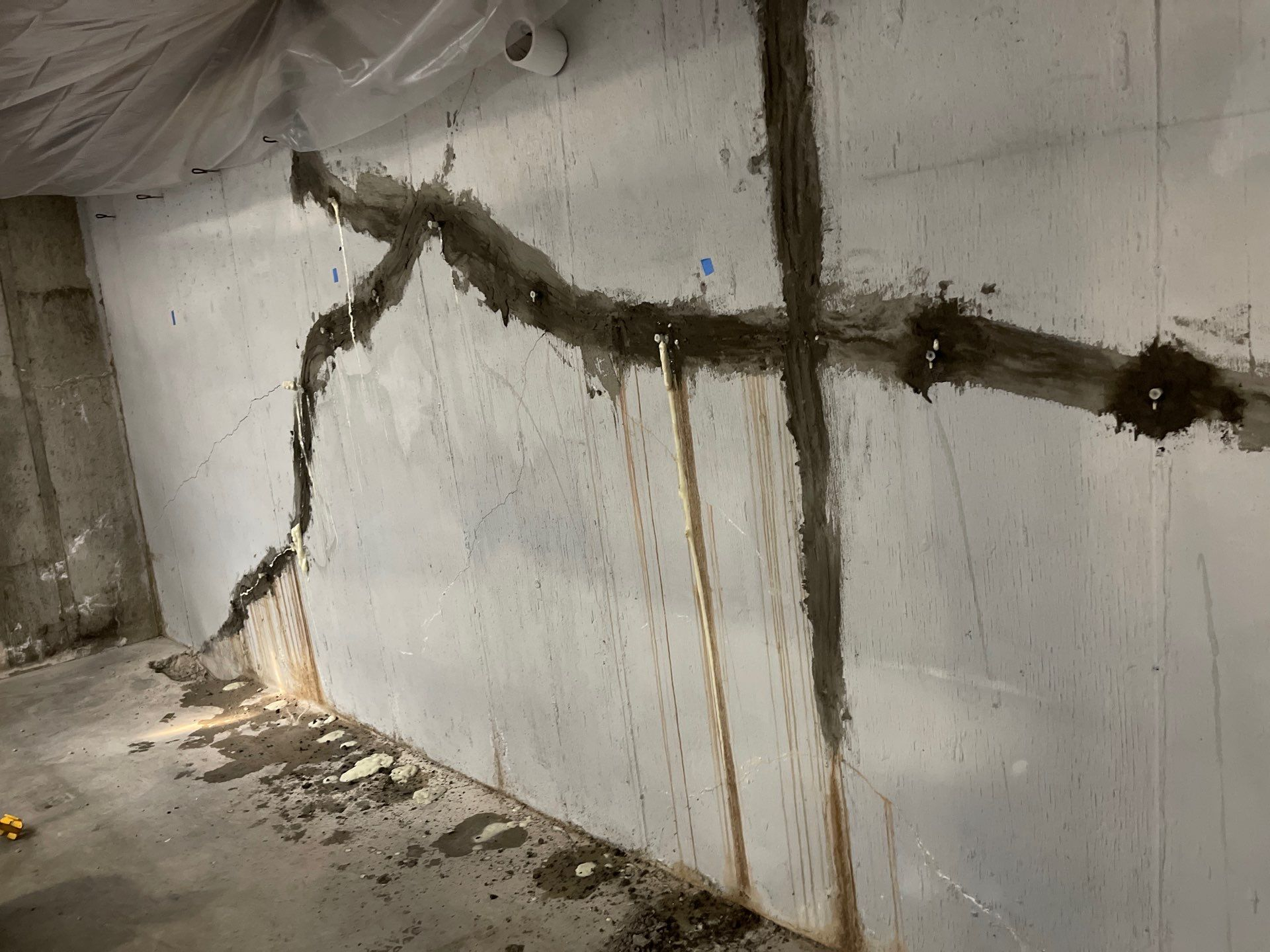
Be wary of quick fixes. Painting over a structural crack doesn’t fix it. Injecting epoxy might seal a leak, but it won’t stop a wall from bowing. If a professional recommends major repairs, get a second opinion. Foundation repair can be expensive, ranging from a few hundred dollars for minor sealing to tens of thousands for underpinning. Ensure the diagnosis matches the prescription. Ask questions. Why is this happening? Is it getting worse? What happens if we do nothing? A good expert will explain the mechanics, not just the price tag.
Prevention is always better than cure, even when it comes to concrete. Maintaining your home’s exterior is the first line of defense. Keep those gutters clean. Extend your downspouts at least five to ten feet away from the foundation. This simple act diverts thousands of gallons of water away from your base every year. Check your grading annually. Soil settles, and that nice slope away from the house can flatten out, creating a basin for water. Add fresh soil if needed to maintain that crucial downward angle.
Inside, control your humidity. Extreme fluctuations in indoor humidity can cause wood framing to expand and contract, leading to drywall cracks. Use humidifiers in the winter and dehumidifiers in the summer to keep levels stable. This won’t fix foundation issues, but it will reduce the number of cosmetic cracks popping up in your living spaces. It also protects your health and comfort. A stable home environment is a happy home environment.
Finally, document everything. Keep a file of photos, repair receipts, and engineering reports. If you ever decide to sell, having a history of monitoring and maintenance can be a huge selling point. It shows potential buyers that you’ve been proactive, not reactive. It turns a potential negative (a crack) into a positive (a well-maintained home). Houses age, and cracks happen. But how you handle them defines the longevity of your investment. Stay vigilant, stay informed, and don’t let a little line on the wall keep you up at night.
Living in a house means accepting its imperfections. Cracks are part of the narrative of your home’s life. Most are benign, mere scratches in the story. But some are plot twists that need attention. By understanding the difference between settling and structural failure, you empower yourself to make smart decisions. You save money, you protect your asset, and you sleep better. So next time you see that hairline fracture, take a breath. Measure it. Photograph it. And then, go enjoy your coffee. You’ve got this.