You’ve probably heard the old saying about real estate wealth being built on leverage. It’s true, but it’s also a bit vague. What does that actually look like on a Tuesday morning when you’re staring at a spreadsheet? For many seasoned landlords, the secret sauce isn’t just buying low and selling high. It’s about keeping what you buy and making it work harder for you.
Imagine having a gold mine in your backyard but no shovel to dig it up. That’s what trapped equity feels like. You own a property, it’s gone up in value, but that money is stuck in the walls. You can’t spend equity at the grocery store. This is where the cash-out refinance steps in. It’s not just a loan; it’s a strategic tool that turns paper gains into liquid power. In 2026, with interest rates fluctuating and markets shifting, this strategy has become even more critical for those looking to grow beyond a single duplex or triplex.
Let’s be honest, selling a property triggers a massive tax bill. Capital gains, depreciation recapture—it adds up fast. A cash-out refinance lets you access that same money without the IRS knocking on your door. It’s clean, it’s efficient, and if done right, it keeps your portfolio growing while your competitors are stuck waiting for the next sale. But it’s not magic. It requires math, timing, and a clear head. If you’re ready to stop letting your equity gather dust, you’re in the right place.
Unlocking the Power of Trapped Equity
Think of your rental property like a savings account that you can’t touch without penalty. Except the penalty isn’t just fees; it’s losing the asset itself. When you first bought that place, maybe you put 20% down. Over the last few years, two things happened: you paid down some of the loan, and hopefully, the property value went up. That difference between what you owe and what it’s worth is your equity.
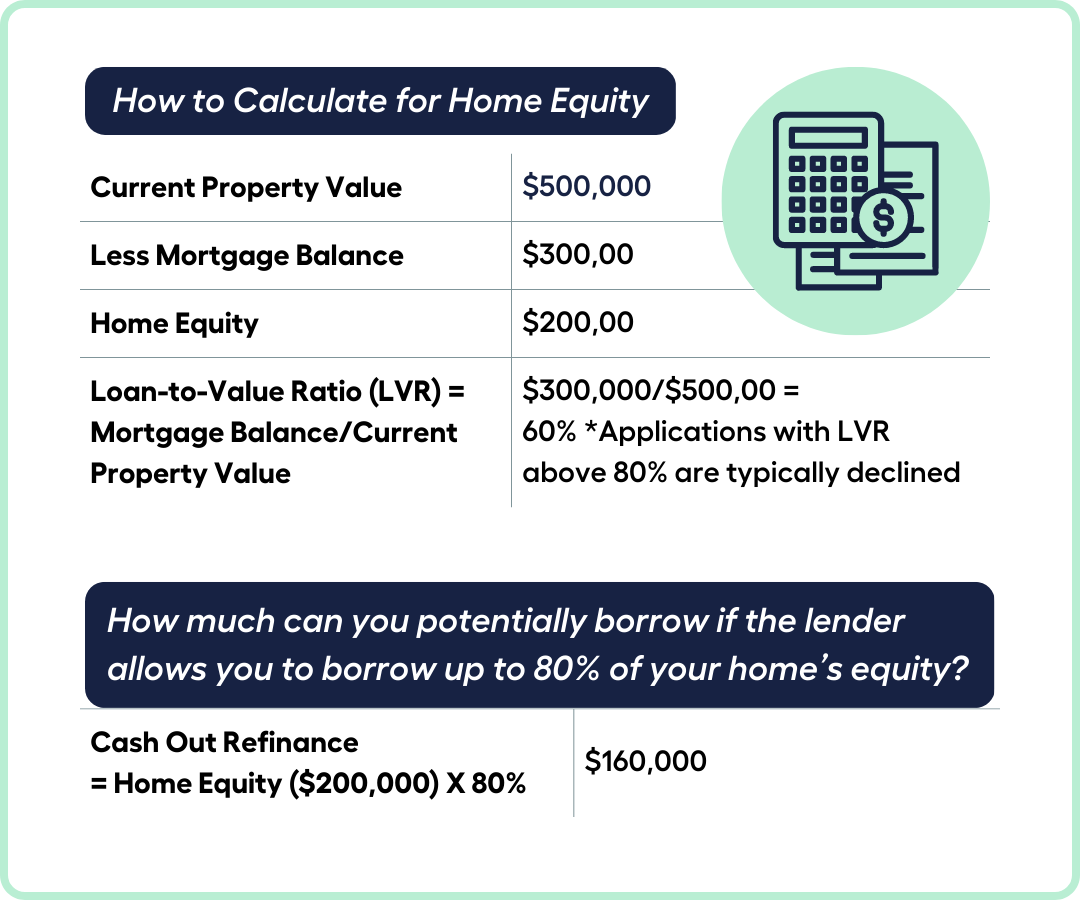
For a long time, that equity just sat there. Dormant. Useless. A cash-out refinance changes the game by replacing your old mortgage with a new, larger one. You take the difference in cash. Say your home is worth $500,000 and you owe $300,000. You could refinance for $400,000. You pay off the old $300k loan, and pocket $100k in cash. Now you have fuel.
This isn’t free money, obviously. You have a bigger mortgage payment now. But if you use that $100k wisely, the return on investment can dwarf the cost of the extra interest. Smart investors don’t see debt as a burden; they see it as a tool. In 2026, with inflation still a concern for many, holding onto tangible assets while leveraging bank money is a classic hedge. The key is recognizing that equity is only potential energy until you convert it.
The Tax Advantage: Keep More of What You Make
Here is the part that makes accountants smile and investors sleep better at night. When you sell a property, you trigger a taxable event. You owe capital gains tax on the profit. If you’ve been depreciating the property (and you should be), you also owe depreciation recapture taxes. These can eat up 20-30% of your gains, sometimes more depending on your bracket.
A cash-out refinance is not a sale. It’s a loan. Loan proceeds are not income. Therefore, they are not taxed. This is a huge deal. It means you get 100% of the cash you pull out, not 70%. You can use that full amount to buy your next property, renovate an existing one, or cover closing costs. There’s no immediate tax bill.
Of course, you have to be careful. The IRS has rules about how you document these loans, especially if you’re mixing personal and business use. But generally, for investment properties, the cash is yours to deploy as you see fit. By avoiding the sale, you also keep the property in your portfolio, continuing to generate cash flow and appreciation. It’s a double win: tax-free capital now, and ongoing income later. Just make sure you talk to a CPA who understands real estate investing, because specifics matter.
Fueling Growth: From One Property to Many
So you have the cash. Now what? This is where the scaling happens. The most common use for cash-out refi funds is buying the next property. Instead of saving up for years to accumulate a down payment, you use the equity from Property A to buy Property B. Then, once Property B appreciates and pays down some principal, you refinance it to buy Property C.
This is the BRRRR method’s cousin, but for long-term holds. You aren’t necessarily fixing and flipping; you’re acquiring and holding. By recycling your capital, you can control more assets with less of your own money. This is the essence of leverage. In a stable or growing market, this accelerates wealth building significantly.
But it’s not just for buying. Maybe you have a property that needs a new roof or updated kitchens to command higher rent. Using cash-out funds for renovations can increase the property’s value and your monthly cash flow. It’s an investment in the asset itself. Some investors even use the funds to consolidate higher-interest debt, like credit cards or hard money loans from previous flips. Lowering your overall interest expense improves your bottom line immediately. The flexibility is the beauty of it.
Navigating the Rules: LTVs and Rates in 2026
It’s not all smooth sailing. Investment property loans are different from primary residence loans. Lenders see them as riskier. Why? Because if you lose your job, you might stop paying your home mortgage. But if a tenant moves out, you might stop paying your rental mortgage. So, lenders protect themselves.
In 2026, expect stricter requirements. Loan-to-Value (LTV) ratios for cash-out refinances on investment properties are often capped at 75% or 80%, compared to 80-90% for primary homes. This means you can’t pull out quite as much equity. You need to have significant equity built up to make it worthwhile. Also, interest rates are typically higher—often 0.5% to 1% higher than primary residence rates.
There are also reserve requirements. Lenders want to know you have cash in the bank to cover several months of mortgage payments in case of vacancy. They might ask for six months of reserves for each property you own. This can be a hurdle for newer investors. Documentation is key too. You’ll need to show lease agreements, proof of income, and sometimes even a history of successful management. It’s more paperwork, but it’s manageable if you’re organized. Don’t let the hurdles scare you; just prepare for them.
The Risks: Don’t Overleverage Yourself
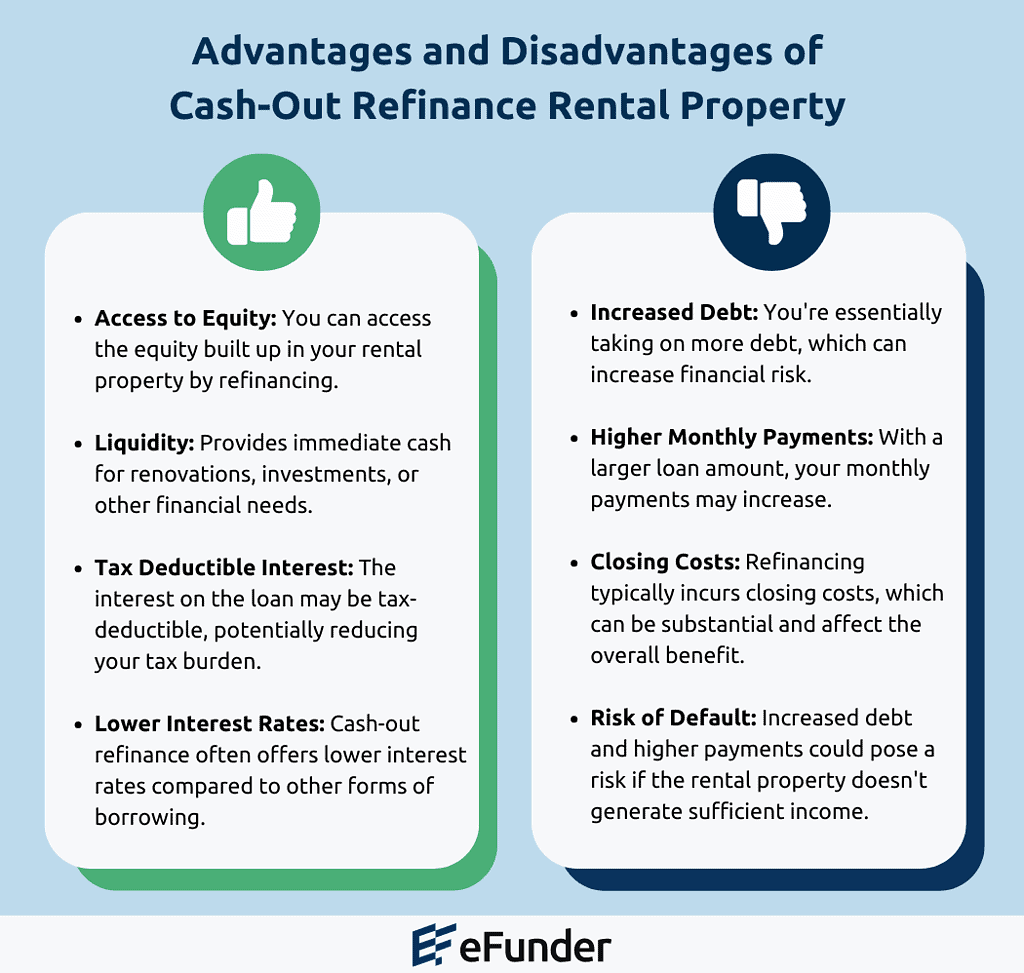
Let’s talk about the dark side. Leverage amplifies gains, but it also amplifies losses. If you refinance every property you own to buy more, you’re increasing your monthly debt service. What happens if the market dips? What if vacancies rise? In 2026, economic conditions can shift quickly. Having high leverage means you have less margin for error.
If your cash flow doesn’t cover the new, higher mortgage payments plus expenses, you’re in trouble. You might have to inject personal cash just to keep the lights on. This is called being "house poor" but on a portfolio scale. It’s stressful and dangerous. Smart investors always run the numbers with a buffer. They assume higher vacancy rates and lower rents than expected.
Another risk is interest rate volatility. If you refinance into an adjustable-rate mortgage (ARM) to get a lower initial rate, your payments could jump if rates rise. Even with fixed rates, refinancing resets the clock on your amortization. You might end up paying more interest over the life of the loan than if you’d kept the original. Always calculate the break-even point. How long will it take for the benefits of the new cash to outweigh the costs of refinancing? If you plan to sell soon, it might not make sense.
Strategic Timing: When to Pull the Trigger
Timing is everything. You shouldn’t refinance just because you can. You need a purpose. The best time to consider a cash-out refi is when you have a clear, high-return use for the money. Maybe you’ve found a great deal on a multi-family unit that needs a quick close. Maybe interest rates have dropped since you bought your current property, allowing you to refinance at a lower rate AND pull out cash. That’s the holy grail.
Also, look at your equity position. Has the property appreciated significantly? Have you paid down enough principal? If you only have 10% equity, a cash-out refi won’t yield much cash after closing costs. You generally want at least 20-25% equity to make the fees worth it. Closing costs on a refi can run 2-5% of the loan amount.
Keep an eye on the broader market too. In 2026, if property values are stabilizing after a period of rapid growth, it might be a good time to lock in gains via refi rather than waiting for further appreciation that might not come. Conversely, if values are dropping, refinancing might be difficult or impossible if you end up underwater. Stay informed, talk to local brokers, and don’t rush. Patience pays.
At the end of the day, real estate investing is a marathon, not a sprint. Cash-out refinancing is a powerful tool in your toolkit, but it’s not the only one. It requires discipline, planning, and a willingness to learn. But for those who master it, the rewards are substantial. You build a portfolio that generates passive income, provides tax advantages, and grows in value over time.
Don’t be afraid to start small. Refinance one property. Buy one more. See how it feels. Learn the ropes. As you gain confidence and equity, you can scale up. Just remember to keep your eyes on the cash flow. Debt is only good if the asset it buys pays for itself. If you stick to that rule, you’ll be well on your way to building the financial freedom you’re looking for.
So, take a look at your portfolio. Where is your equity sitting idle? What opportunities are you missing because you’re waiting for cash that’s already there? The market in 2026 waits for no one. But with the right strategy, you can make it work for you. Go dig up that gold.