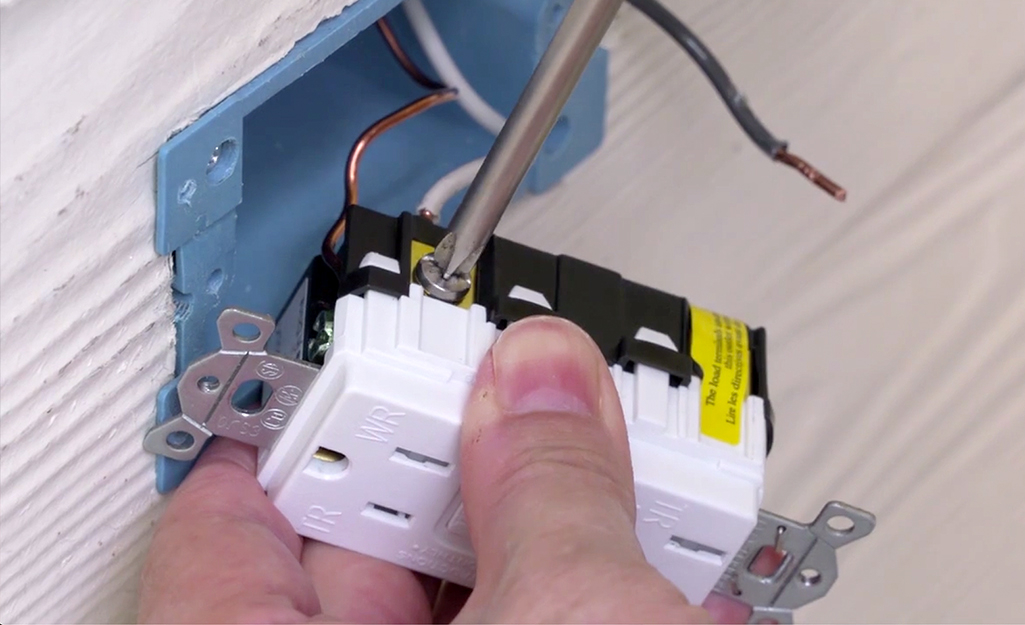
You flip the breaker. You hear that satisfying click. You plug in your hair dryer or maybe a power tool in the garage, expecting safety. But nothing happens. Or worse, everything seems fine until it isn’t. Ground Fault Circuit Interrupter (GFCI) outlets are supposed to be the unsung heroes of home safety, those little devices with the test and reset buttons that save lives every single day. Yet, for a piece of hardware that looks so simple, it causes an incredible amount of headaches for DIYers and even some pros who are rushing through a job.
It’s frustrating, right? You bought the right part. You watched a few videos. You turned off the power (hopefully). But now you’re staring at a tangle of black, white, and bare copper wires, wondering why the light on the outlet won’t turn green or why the whole circuit is dead. The truth is, GFCIs are picky. They don’t just pass electricity along; they monitor it. And if you mess up the installation, even slightly, they either refuse to work or, scarier yet, they pretend to work while offering zero protection. In 2026, with updated electrical codes making these devices mandatory in more areas of the home than ever before, getting it right isn’t just about convenience. It’s about not risking a shock hazard in your bathroom or kitchen.
Let’s be honest. Most of us aren’t electricians. We’re homeowners trying to save a buck or just get a renovation finished. But electricity doesn’t care about your budget or your timeline. It respects only physics and proper connections. This guide isn’t here to judge your skills. It’s here to walk you through the specific, sneaky mistakes that trip people up. We’ll look at why swapping two wires can leave your downstream outlets unprotected, why old wiring systems like knob-and-tube pose unique challenges, and how to actually test the thing once you’re done. Because a GFCI that hasn’t been tested is just a regular outlet with extra plastic.
The Line vs. Load Confusion: The Classic Blunder
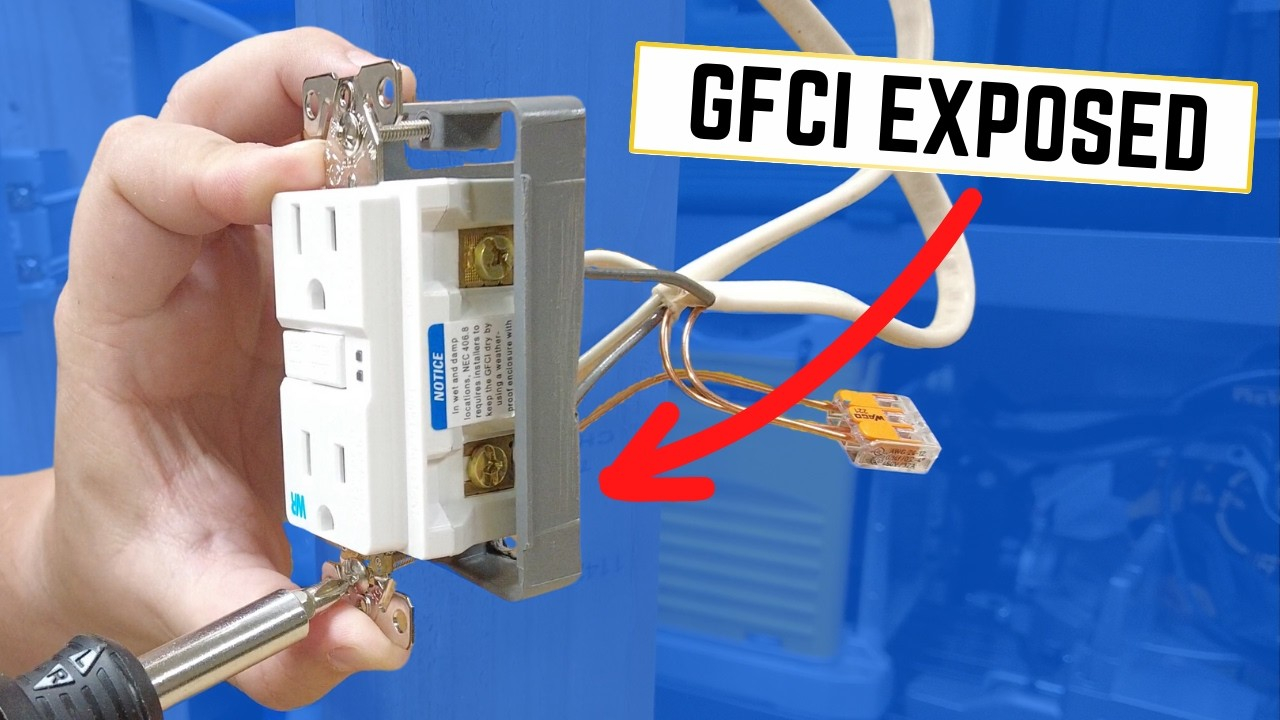
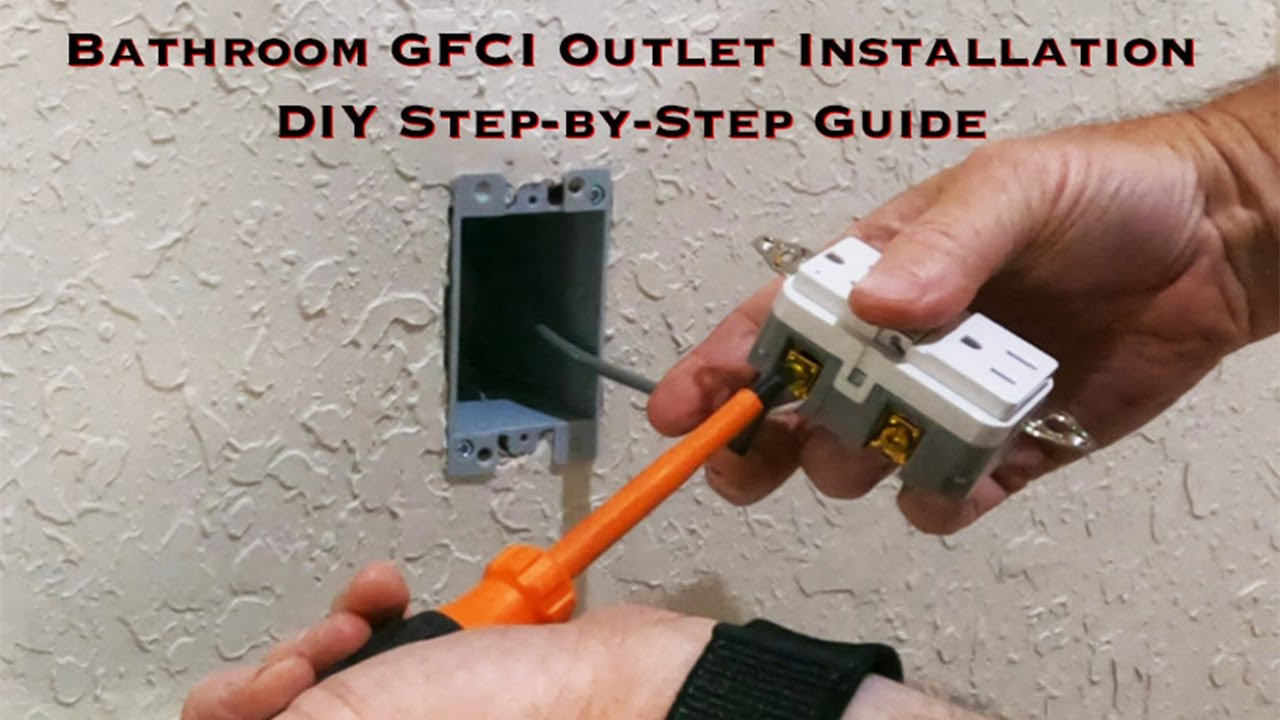
If there is one mistake that tops the list, it’s mixing up the LINE and LOAD terminals. It happens all the time. The back of a GFCI outlet has two sets of screws or push-in holes. One set is marked LINE, and the other is marked LOAD. It seems obvious, but when you’re cramming wires into a tight box, labels get obscured. The LINE side is where the power comes from—the hot wire bringing energy from your breaker panel. The LOAD side is where the power goes to—sending that protected electricity to other outlets further down the chain.
Here is the kicker. If you wire the incoming power to the LOAD terminals, the GFCI will likely not work at all. It won’t reset. It might trip immediately and stay tripped. But the real danger comes when you wire the downstream outlets to the LINE side instead of the LOAD side. In this scenario, the GFCI outlet itself might function perfectly fine. You can plug a lamp into it, and it turns on. But those other outlets in the bathroom or on the patio? They are completely unprotected. You’ve created a false sense of security. Someone could drop a radio in a sink connected to a downstream outlet, and the GFCI on the wall wouldn’t even flinch because it’s not monitoring that current.
To avoid this, take a moment before you disconnect anything. Use a non-contact voltage tester to find which wire is hot. That’s your LINE hot. Mark it with tape if you have to. Then, trace where the other cables go. If a cable runs to another outlet, that’s your LOAD cable. Connect the incoming power to LINE and the outgoing power to LOAD. It’s a simple rule, but skipping this step is the number one reason installations fail inspection or, worse, fail to protect your family. Don’t guess. Verify.
Ignoring the Pigtail: Overloading the Terminals
Another frequent error involves how you handle multiple wires. Sometimes, you open up an outlet box and find not just one set of wires, but two or three cables coming in. Maybe one brings power from the panel, one goes to the next outlet, and another goes to a light fixture. A common shortcut is to try and shove all the black wires into the single LINE hot terminal and all the white wires into the LINE neutral terminal. This is a bad idea. Most GFCI terminals are designed to hold one wire securely, or maybe two if they are rated for it, but stuffing three or four creates a loose connection.
Loose connections lead to arcing. Arcing leads to heat. Heat leads to fires. Instead of cramming them in, you should use pigtails. This means taking a short piece of wire (about six inches), stripping the ends, and connecting it to the group of wires using a wire nut. The other end of that short wire goes into the GFCI terminal. This ensures that only one wire is under the screw or in the push-in hole, creating a solid, reliable connection. It takes an extra minute, but it drastically reduces the risk of the outlet failing or causing a fire hazard down the road.
In 2026, with homes having more high-draw devices than ever, stable connections are critical. A loose neutral wire can cause voltage fluctuations that damage sensitive electronics like smart fridges or computers. By using pigtails, you also make future maintenance easier. If you ever need to replace the GFCI again, you don’t have to untangle a bird’s nest of wires from the terminal. You just undo one screw. It’s cleaner, safer, and frankly, just better craftsmanship. Don’t be lazy with the wire nuts. Twist them on tight and give a gentle tug to make sure nothing slips out.
Forgetting the Ground: A Dangerous Oversight
While GFCIs can technically function without a ground wire—this is known as "ungrounded" protection—ignoring the ground connection when one is available is a major mistake. Older homes often lack a ground wire in the box. In these cases, the GFCI provides a crucial upgrade by detecting imbalances between hot and neutral. However, if your box does have a ground wire (usually bare copper or green), you must connect it to the GFCI’s ground terminal. Some DIYers think, "Well, the GFCI works without it, so I’ll just cap it off and hide it." This is wrong.
The ground wire serves a different purpose than the GFCI mechanism. The GFCI trips when current leaks to ground (like through a person). The physical ground wire provides a low-resistance path for stray voltage to escape safely into the earth, preventing metal appliance casings from becoming electrified. If you have a grounded system and you don’t connect the ground to the outlet, you lose that layer of protection. Plus, many modern appliances and surge protectors rely on a proper ground to function correctly. Without it, your expensive TV or gaming console might be vulnerable to power surges.
Also, check the local code requirements for 2026. Many jurisdictions now require that if a ground is present, it must be utilized. Furthermore, if you are replacing an ungrounded outlet with a GFCI, you are often required to label the faceplate with "No Equipment Ground." This informs future users that while they have shock protection, they don’t have a path for surge protection. It’s a small detail, but it matters for safety transparency. Never assume the ground is unnecessary just because the device powers up. Connect it if it’s there.
Neglecting Box Fill and Wire Management
It’s tempting to just shove the wires back into the electrical box and screw the outlet in place. After all, it fits, right? Wrong. Electrical boxes have a specific volume rating, known as "box fill." Every wire, every wire nut, and the device itself takes up space. If you overstuff the box, you can damage the insulation on the wires. Pinched insulation can lead to short circuits or arcs inside the wall, which are incredibly difficult to detect and dangerous to fix. GFCI outlets are often bulkier than standard receptacles because of the internal electronics, making this issue even more prevalent.
Take your time to fold the wires neatly. Use an accordion-style fold rather than a random ball. Ensure that no bare copper is exposed outside of the terminal connections. If the box feels too tight, don’t force it. Consider upgrading to a deeper box if possible, especially in older homes with shallow metal boxes. In 2026, new construction standards favor larger boxes for this very reason, but retrofitting older homes requires careful attention. If you crush the wires, you compromise the integrity of the entire circuit.
Also, watch out for the tabs on the sides of the GFCI. Some models have break-away tabs that allow you to link multiple devices, but if you aren’t using them, ensure they aren’t touching any metal parts of the box if it’s steel. A metal box must be grounded, and if a live wire touches it due to poor management, the whole box becomes energized. Proper wire management isn’t just about aesthetics; it’s about preventing physical damage to the components that keep you safe. Give the wires room to breathe.
Misunderstanding Old Wiring Systems
Not every home has modern Romex cable. If you live in a house built before the 1950s, you might encounter knob-and-tube wiring or early armored cable. Installing a GFCI in these systems requires extra caution. Knob-and-tube wiring lacks a ground wire entirely and often has degraded insulation. While a GFCI can provide shock protection in an ungrounded knob-and-tube system, the old insulation might crumble when you move the wires. This can expose live conductors and create a fire hazard.
Before installing a GFCI in an older system, inspect the condition of the existing wires. If the insulation is brittle or cracking, do not proceed. Call a professional. Additionally, some insurance companies in 2026 still have strict rules about knob-and-tube wiring. Installing a GFCI might not satisfy their requirements for a full electrical update. Be aware of these external factors. Just because you can wire it doesn’t mean you should without a broader assessment of the home’s electrical health.
Another issue is shared neutrals or multi-wire branch circuits, which were common in older installations. GFCIs can nuisance-trip if the neutral wire is shared with another circuit. If you install a GFCI and it trips randomly with no apparent load, this could be the cause. Tracing these circuits is complex and often requires a multimeter and a good understanding of electrical theory. If you suspect your home has shared neutrals, it’s best to consult an expert. Guessing here can lead to persistent problems that drive you crazy.
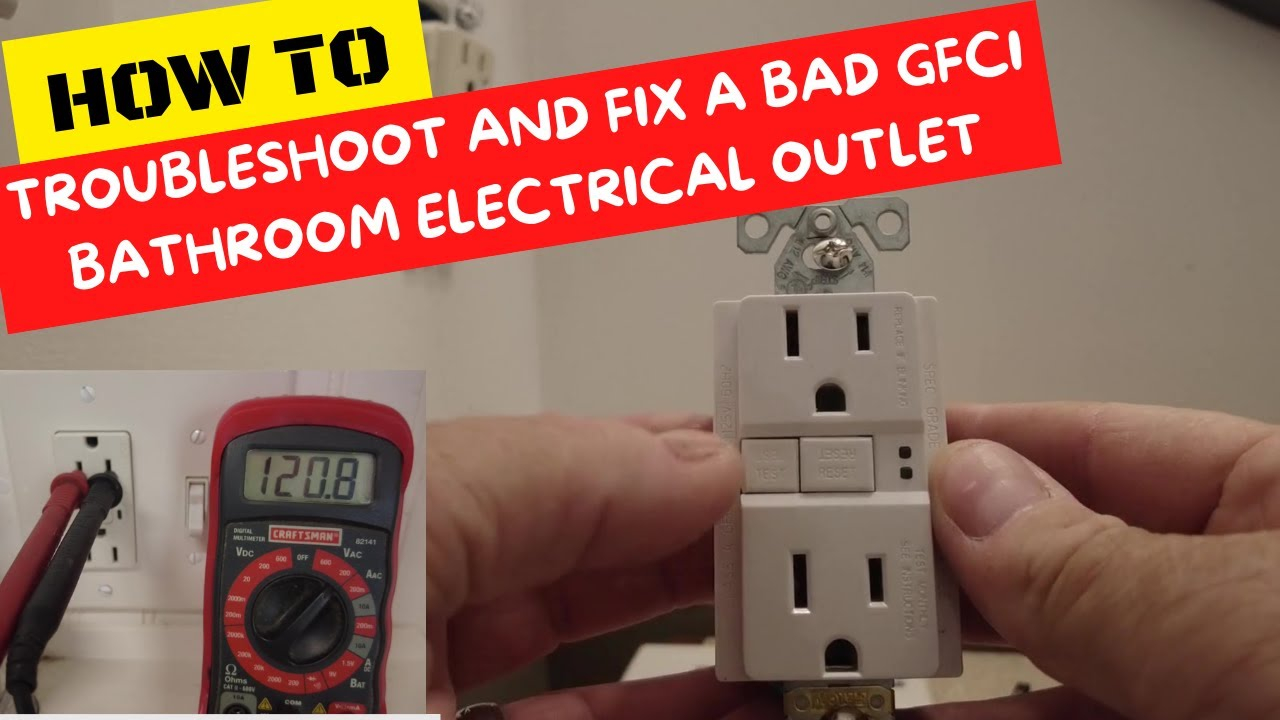
You’ve wired it. You’ve tucked the wires in. You’ve screwed the faceplate on. Are you done? No. Not until you test it. Many people skip this step because they assume if the light comes on, it’s working. But a GFCI needs to be tested to ensure the internal mechanism trips correctly. Use the TEST button on the outlet. It should click and cut power to the outlet and any downstream outlets plugged into it. Plug in a lamp or a voltage tester to confirm the power is off. Then, hit the RESET button to restore power.
But don’t stop there. Use a GFCI tester, those little plug-in devices with three lights. It simulates a ground fault and verifies that the outlet trips within the required milliseconds. This is the only way to be sure the safety feature is active. Also, test any downstream outlets. If you wired the LOAD side correctly, pressing TEST on the first GFCI should kill power to the other outlets in the chain. If it doesn’t, you made a mistake in the LOAD wiring. Go back and check.
Finally, label the circuit breaker. In 2026, clear labeling is more important than ever as homes get smarter and more complex. Write "Kitchen GFCI" or "Bath Outlets" on the panel. This helps anyone in the future understand what that breaker controls. It’s a small act of kindness to your future self or the next homeowner. Don’t leave them guessing. Verify, test, and label. It’s the final seal of approval on a job well done.
So, there you have it. Wiring a GFCI isn’t rocket science, but it demands respect. It’s easy to get complacent, to think, "It’s just an outlet." But it’s a life-saving device. By avoiding these common pitfalls—swapping line and load, ignoring pigtails, skipping the ground, crushing wires, mishandling old systems, and forgetting to test—you ensure that your home is actually safer, not just seemingly so. Take your time. Double-check your work. And if you’re ever unsure, there’s no shame in calling a pro. Electricity is unforgiving, but with the right knowledge, it’s manageable. Stay safe out there.