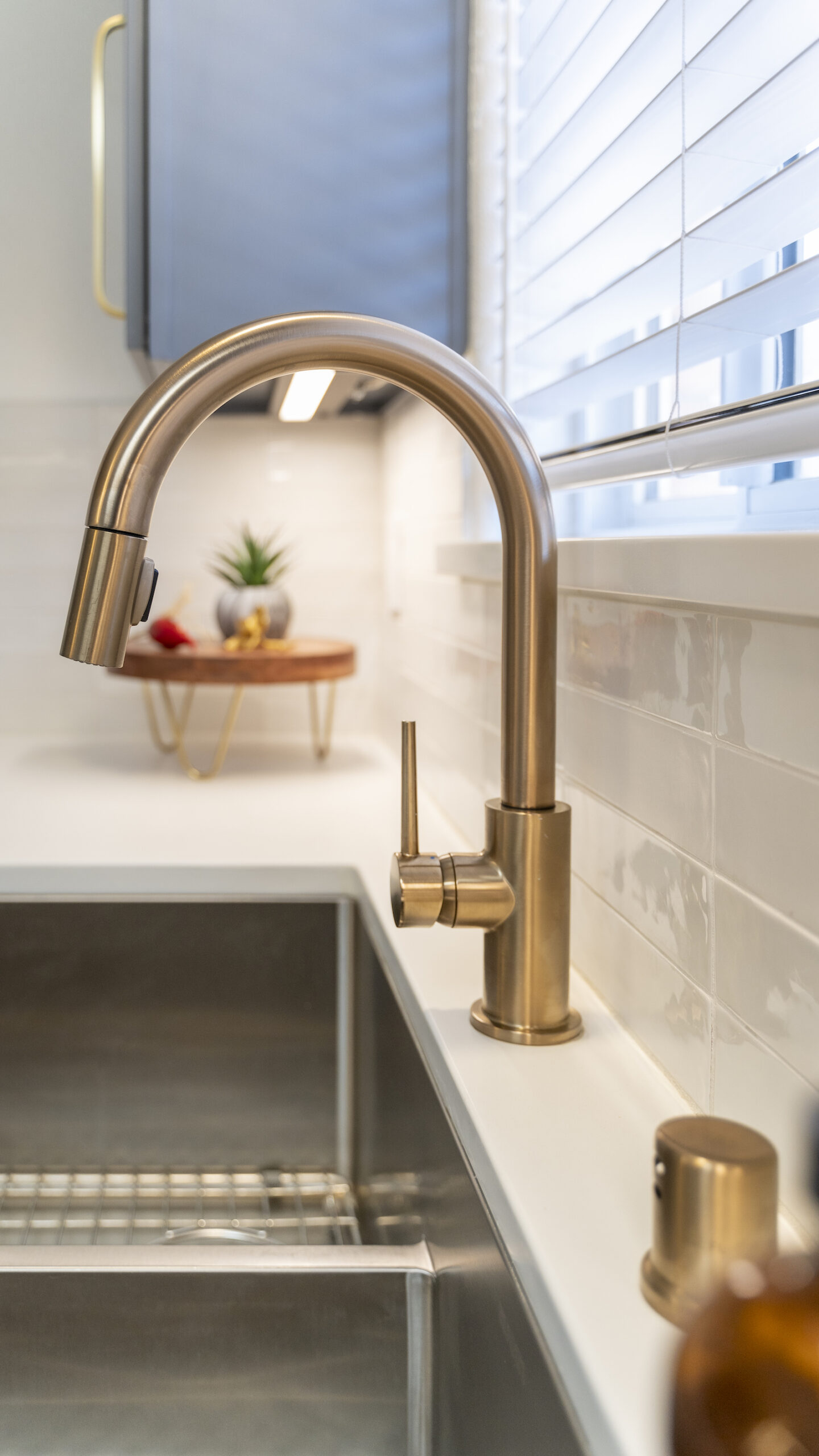
Ever walked into a room and just felt… heavy? You know the feeling. It’s not just about the mess on the floor. It’s a weight in the air. A cluttered space clutters the mind. We’ve all been there, staring at a pile of mail or a closet that won’t close, wondering where it all went wrong. But what if organizing wasn’t about hiding things away? What if it was about designing a life that feels good to live in? That’s the core of Roy Slade’s philosophy. It’s not just storage. It’s art.
In 2026, our homes are doing more work than ever. They are offices, gyms, schools, and sanctuaries. The line between living and working has blurred. So, the need for spaces that breathe is critical. Roy Slade, with his background in fine art and design, offers a unique lens. He doesn’t just see a shelf. He sees a composition. He doesn’t just see a drawer. He sees a rhythm. This approach transforms the mundane task of tidying up into an act of creation. It’s about living beautifully, every single day.
The Foundation: Beauty Meets Function
At the heart of Slade’s method is a simple truth: form and function are not enemies. They are partners. For decades, modern design was often criticized for being cold or sterile. People thought you had to choose between a home that looked like a magazine and a home that felt lived-in. Slade breaks that myth. He argues that true organization enhances beauty. When everything has a purpose and a place, the eye can rest.
Think about your kitchen. If your countertops are covered in appliances you rarely use, the space feels chaotic. But if you curate those items, keeping only the beautiful ones you love to use, the kitchen becomes a stage for cooking. It’s functional because you can find what you need. It’s beautiful because the objects themselves are pleasing. This balance is key. It’s not about minimalism for the sake of less. It’s about intentionality. Every object earns its spot.
This principle applies everywhere. In the bedroom, it means choosing storage that complements the calm vibe you want. Maybe it’s a woven basket for laundry instead of a plastic bin. Maybe it’s open shelving for books you actually read. The goal is to make the act of putting things away feel satisfying. When the solution is beautiful, you’re more likely to use it. That’s the secret. Organization shouldn’t be a chore. It should be a habit that brings joy.
Curating Your Space Like an Art Gallery
Roy Slade’s background in fine art shines through in his advice on curation. Most people hoard because they fear losing a memory or a possibility. But Slade suggests we look at our homes as galleries. Would a museum hang every painting it owned on one wall? No. They select. They rotate. They give each piece space to breathe. Your home deserves the same respect. Start by looking at your shelves and surfaces. What is truly essential? What sparks joy or serves a vital purpose?
Let’s say you have a collection of vintage vases. Instead of cramming them all into a cabinet, pick the three most striking ones. Display them with space around them. Let the light hit them. The others can be stored away, rotated in later. This keeps the space fresh. It also makes you appreciate what you have. When everything is out, nothing stands out. By editing your belongings, you create focal points. You tell a story with your objects.
This mindset shift is powerful. It moves us from passive accumulation to active selection. In 2026, with so much digital noise and physical clutter, this curation is a form of self-care. It allows you to define your environment. You are the curator of your life. Ask yourself: Does this item support the life I want to live? If the answer is no, let it go. It’s not about waste. It’s about making room for what matters. And sometimes, what matters is just empty space.
The Rhythm of Daily Habits
Organization isn’t a one-time event. It’s a rhythm. Slade emphasizes that systems must fit into your natural flow. If a system is too complicated, you won’t stick to it. If it’s too rigid, it will break under pressure. The best organizational habits are small, consistent actions. Think of it like brushing your teeth. You don’t think about it. You just do it. Your home care should feel the same way.
Consider the "landing strip" concept. When you walk in the door, where do your keys, bag, and coat go? If you have a designated spot that is easy to reach and looks nice, you’ll use it. If it’s a hook behind the door that’s hard to see, you’ll drop everything on the table. Design the habit into the space. Make the right choice the easy choice. This reduces decision fatigue. You don’t have to wonder where things go. You just know.
Another key habit is the daily reset. Spend ten minutes each evening returning items to their homes. Wipe down the counter. Fluff the pillows. Put away the dishes. This small act resets the energy of the home. It prepares you for a calm morning. It prevents clutter from snowballing. Slade notes that this ritual is meditative. It’s a way to close the day with intention. It turns cleaning from a punishment into a practice of care. Over time, these small rhythms create a foundation of order that feels effortless.
Color, Light, and Visual Calm
Visual clutter is just as draining as physical clutter. Slade’s principles highlight the role of color and light in organization. A chaotic color palette can make a tidy room feel messy. Conversely, a cohesive palette can make a small space feel expansive. You don’t need to paint everything white. But you do need harmony. Choose a base neutral for large surfaces. Then add accents through textiles, art, and objects. This creates a backdrop that allows your curated items to shine.
Lighting is another crucial tool. Shadows hide dirt and create visual noise. Good lighting reveals the beauty of your space. Layer your light. Use ambient light for overall illumination. Task light for working areas. Accent light to highlight art or architectural features. In 2026, smart lighting systems make this easier than ever. You can adjust the mood of a room with a voice command. Use this technology to enhance your organization. Bright, clear light in the morning helps you stay focused. Warm, dim light in the evening signals rest.
Also, consider the visual weight of your furniture. Heavy, dark pieces can anchor a room. Light, airy pieces can open it up. Balance is key. Don’t push all the big furniture against one wall. Distribute it to create flow. Leave pathways clear. This encourages movement and ease. When your eyes can travel smoothly across a room, your mind follows. Visual calm leads to mental calm. It’s a direct connection. By managing what you see, you manage how you feel.
Personalizing Without Clutter
One common fear is that organization will strip a home of personality. Slade argues the opposite. True organization amplifies who you are. When you remove the junk, your genuine interests and treasures come forward. It’s about repurposing sentimental items in functional ways. An antique trunk isn’t just a relic. It’s a coffee table with storage inside. A beloved ceramic bowl isn’t just decor. It’s a catch-all for your keys. These touches warm the space. They make the organization feel like you.
Incorporating personal history adds depth. Maybe you display photos in a uniform frame style. Or maybe you use family heirlooms as bookends. The key is integration. Don’t let sentimental items take over. Edit them. Choose the most meaningful ones. Give them prominence. This honors their value without letting them dominate. It creates a narrative. Your home becomes a biography of your life, told through objects. But like any good story, it needs editing. Too many characters confuse the plot.
This personalization also extends to your hobbies. If you love painting, don’t hide your supplies. Create a beautiful station for them. Use jars for brushes. Hang your favorite sketches. Make the act of creating part of the decor. If you love reading, build shelves that show off your collection. Organize by color or size for visual impact. Your passions should be visible. They inspire you. They invite conversation. They make your home a reflection of your soul, not just a storage unit.
Our lives in 2026 are different than they were even five years ago. Technology is everywhere. Remote work is standard for many. Sustainability is a priority. Slade’s principles adapt to these shifts. For tech, it means managing cables and devices. Hide the wires. Charge stations should be discreet but accessible. Digital clutter affects physical space too. Regularly delete files and organize digital photos. A clean desktop on your computer mirrors a clean desk in your office.
Sustainability plays a huge role. Modern organization isn’t about buying new plastic bins. It’s about using what you have. Repurpose glass jars. Use wooden crates. Buy second-hand furniture. This approach is kinder to the planet and often more charming. It adds character. In 2026, consumers are more conscious of waste. Slade’s emphasis on curation aligns perfectly with this. Buying less, but better, is the mantra. Invest in quality pieces that last. Repair instead of replace.
Finally, flexibility is essential. Our needs change. A nursery becomes a playroom. A home office might become a gym. Design your organization systems to be adaptable. Use modular shelving. Choose furniture on wheels. Keep some storage empty for future needs. Don’t lock yourself into a rigid structure. Life is fluid. Your home should be too. By staying flexible, you reduce stress when changes happen. You roll with the punches. And you keep living beautifully, no matter what life throws your way.
Living beautifully isn’t about perfection. It’s about presence. It’s about creating a space that supports your best self. Roy Slade’s principles offer a roadmap. They remind us that our homes are canvases. We are the artists. By blending function with beauty, curating with care, and establishing gentle rhythms, we transform our living spaces. We turn houses into homes. And in doing so, we find a deeper sense of peace. So start small. Pick one shelf. One drawer. One habit. And begin.