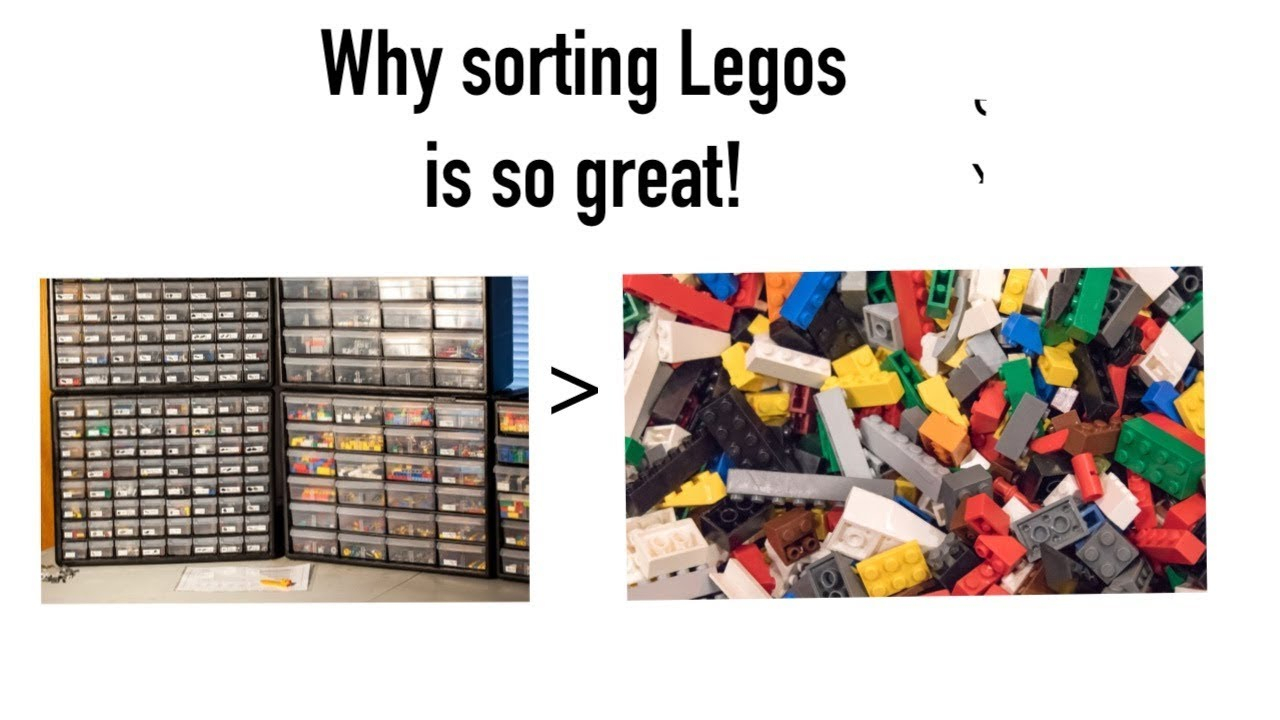
We’ve all been there. You’re knee-deep in a sea of plastic, hunting for that one specific red 2×4 brick to finish your masterpiece. But instead of finding it, you find a blue slope, a yellow plate, and a minifigure head from 1998 staring back at you. It’s frustrating. It’s messy. And honestly? It can make you want to kick the whole bin across the room. Sorting LEGOs by color seems like the obvious, easy fix. After all, our brains are wired to spot patterns and hues quickly. But if you’ve ever tried it, you know it’s not quite that simple. Where do the transparent pieces go? What about those weird tan shades that look kinda beige but aren’t quite? And don’t get me started on the sheer volume of gray bricks that seem to multiply overnight.
The truth is, organizing a LEGO collection is less about perfection and more about finding a system that works for you. In 2026, with collections growing larger and sets becoming more complex, the old "throw it all in a bucket" method just doesn’t cut it anymore. Whether you’re a parent trying to keep the living room from looking like a toy store exploded, or a serious builder looking to speed up your MOC (My Own Creation) process, sorting by color can be a game-changer. But only if you do it right. This guide isn’t about forcing you into a rigid, obsessive-compulsive framework. It’s about giving you the tools to tame the chaos, save your sanity, and maybe even enjoy the process. Let’s dive in.
Why Color Sorting Works (And When It Doesn’t)
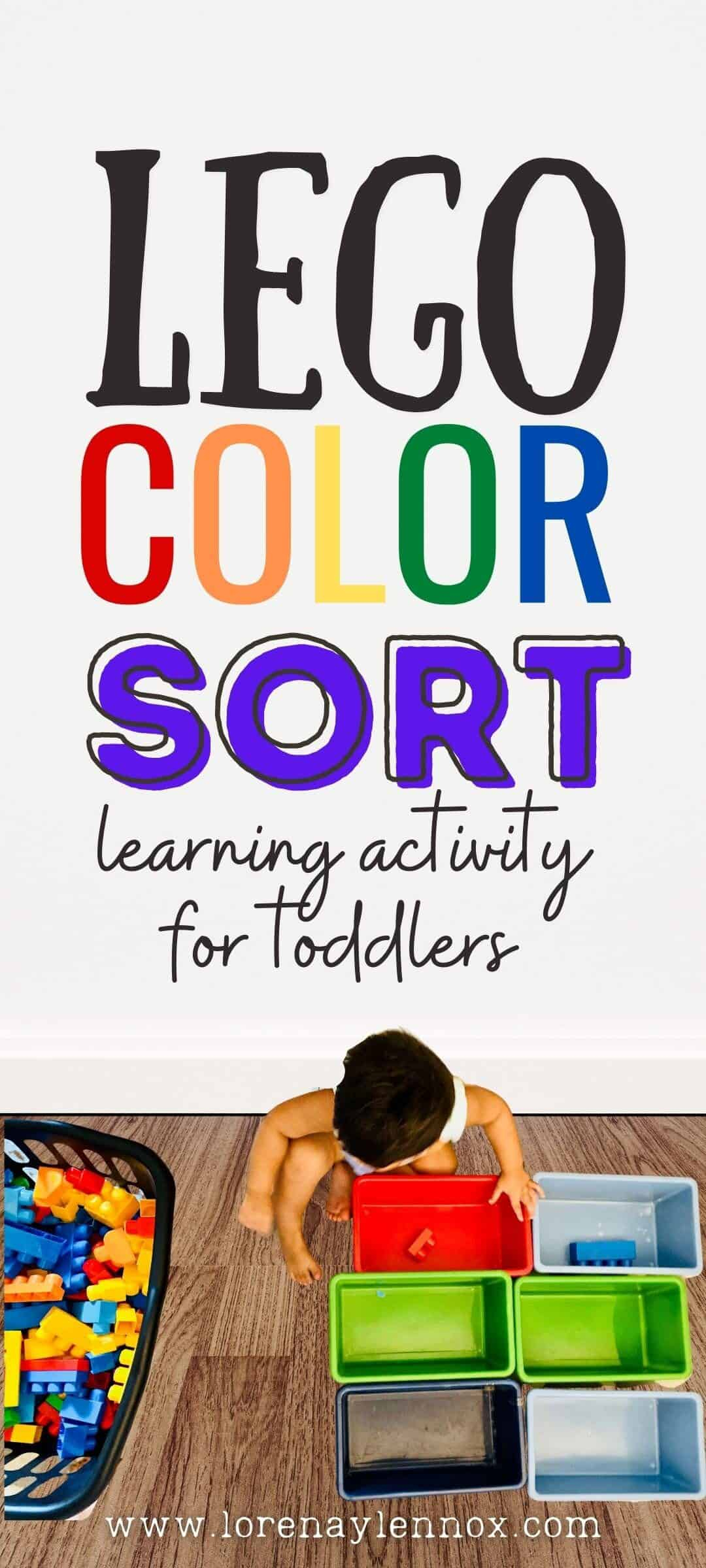
Let’s be real for a second. Sorting by color is intuitive. It’s visual. When you open a bin and see a rainbow of options, your brain processes that information faster than if you were digging through a mixed pile of random shapes. For kids, especially, this is huge. They might not know the difference between a 2×2 brick and a 2×2 plate, but they definitely know what "red" looks like. This makes cleanup easier and playtime more accessible. According to recent discussions in the LEGO community, color sorting is often the first step for new collectors because it requires zero technical knowledge. You don’t need a catalog. You don’t need to memorize part numbers. You just need to know your colors.
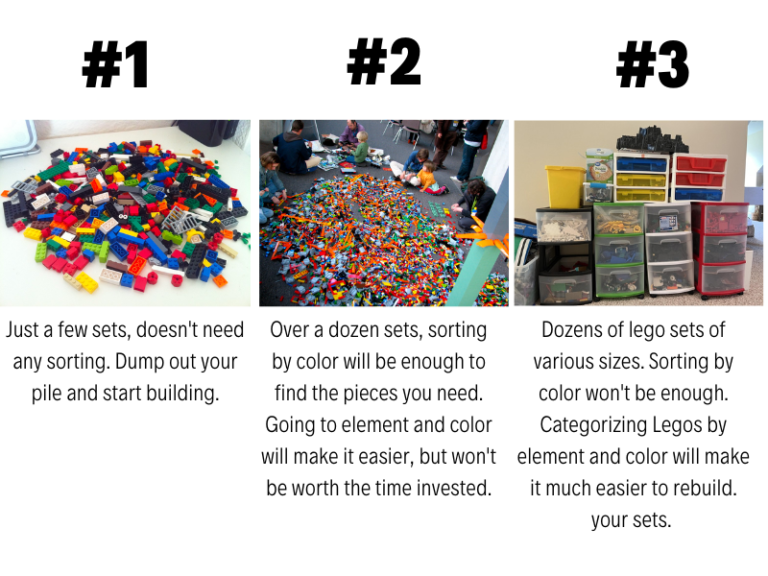
However, there’s a catch. As your collection grows, color sorting alone can become a nightmare. Imagine trying to find a specific hinge piece. If you sort only by color, you’ll have to dig through every single red piece you own—bricks, plates, slopes, tiles, technic pins—to find that one hinge. It’s time-consuming and inefficient. This is why many experienced builders in 2026 recommend a hybrid approach. Color sorting is fantastic for broad strokes, but it needs to be paired with something else, like part type or size, to truly be effective. It’s not an either/or situation. It’s about layering your organization. Think of color as the first filter, not the final destination.
Another thing to consider is the "gray problem." Gray, black, white, and tan are the workhorses of LEGO building. They make up the structural core of most models. If you dump all your gray bricks into one massive bin, you’ll end up with a monolithic block of plastic that’s impossible to sift through. Some builders solve this by sub-sorting these neutral colors by part type, while keeping the vibrant colors (like bright blue or neon green) strictly color-sorted. It’s a compromise. It acknowledges that not all colors are created equal in terms of volume and utility. By recognizing these nuances early on, you can avoid the frustration of realizing your system is broken six months down the line.
The Great Debate: Pure Color vs. Hybrid Systems
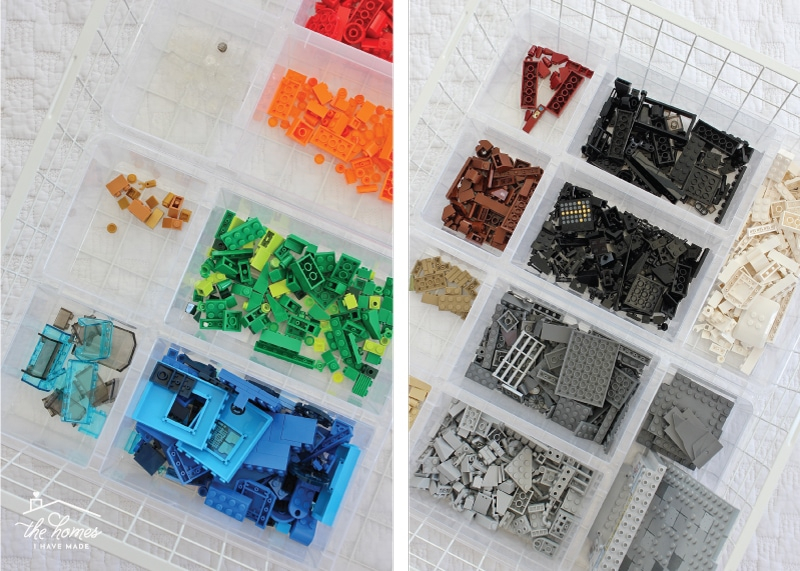
So, should you go full rainbow or mix it up? The answer, as with most things in life, is: it depends. If you’re building primarily from instructions and rebuilding specific sets, sorting by set might actually be better. But if you’re a free-builder, someone who loves to create original designs, then access to individual parts is key. In 2026, the trend among serious AFOLs (Adult Fans of LEGO) is shifting toward hybrid systems. This means sorting by color first, and then by part type within those colors. For example, all your red bricks go in one drawer, but within that drawer, you might have small dividers separating 2x4s from 2x2s.
This hybrid method offers the best of both worlds. You get the visual speed of color sorting, plus the precision of type sorting. It does require more initial effort, though. You’ll need more containers. You’ll need a labeling system. And you’ll need patience. But once it’s set up, it’s incredibly powerful. Imagine building a castle. You grab the "Gray Bricks" bin. Inside, you instantly see your 2x4s, your 2x2s, and your slopes. No digging. No sifting. Just grab and build. It transforms the building experience from a scavenger hunt into a smooth, creative flow.
On the other hand, pure color sorting has its place. It’s ideal for smaller collections, or for households with young children who are still learning to clean up. It’s low-maintenance. If a kid throws a blue brick into the red bin, it’s not a disaster. The system is forgiving. For families, this flexibility is crucial. A rigid, hyper-organized system often fails because it’s too hard to maintain. Life gets busy. Kids get tired. Parents get overwhelmed. A simpler, color-based system might not be perfect, but it’s sustainable. And in the world of LEGO organization, sustainability is everything. If you can’t keep it up, it’s not a good system.
Step-by-Step: The "Slide and Sort" Technique
Ready to start? Don’t just dump your bricks into bins and hope for the best. There’s a smarter way. Experts recommend the "Slide and Sort" technique, popularized by organizers like the Brick Whisperer. Here’s how it works. First, clear off a large, flat surface. A dining table works great. Spread your unsorted LEGO pile out evenly across the table. Don’t stack them. You want to see every piece. Next, grab empty bins or boxes for each major color group. Place them around the edge of the table. Now, here’s the trick: don’t pick up the bricks. Use your hands to slide them into groups based on color. Push all the reds together. Push all the blues together. It’s faster than picking them up one by one, and it keeps your hands from getting cramped.
Once you have decent-sized piles of same-colored bricks, hold a bin under the edge of the table and slide the pile directly into it. This minimizes handling and speeds up the process significantly. It’s a simple mechanical advantage that saves hours over a large collection. While you’re doing this, keep a separate "miscellaneous" bin nearby. You’ll inevitably find minifigures, non-LEGO items (like stray coins or bottle caps), and weird specialized parts that don’t fit neatly into a color category. Toss them in there. Deal with them later. The goal right now is momentum. Don’t let tiny decisions slow you down. Keep the bricks moving.
It’s also important to tackle this in stages. Don’t try to sort your entire lifetime collection in one weekend. You’ll burn out. Start with one box or one shelf. Get that organized. Feel the satisfaction. Then move to the next. This incremental approach makes the task feel manageable. Plus, it allows you to refine your system as you go. Maybe you realize you need more bins for green pieces. Maybe you discover that "dark blue" and "blue" are too similar to keep separate. Adjust as you learn. Organization is an iterative process, not a one-time event. By starting small, you build confidence and avoid the overwhelm that causes so many people to give up halfway through.
Choosing the Right Containers for Your Color Chaos
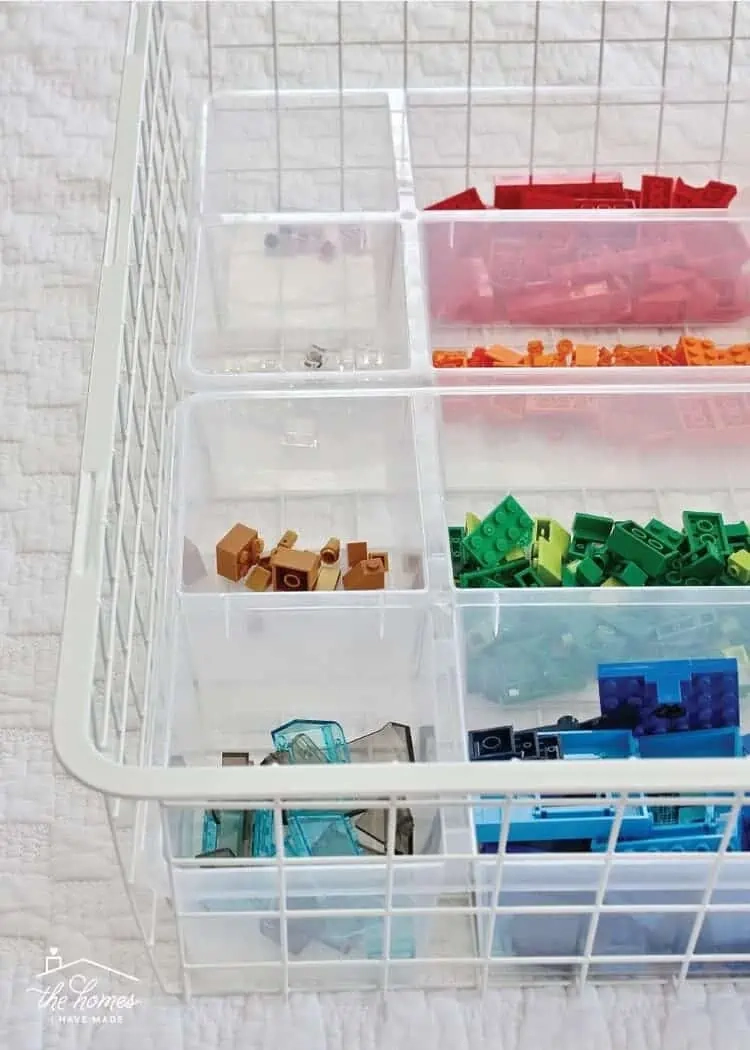
You can have the best sorting method in the world, but if your containers suck, you’re still going to hate your life. The right storage solution is critical. In 2026, there are more options than ever before. Clear plastic bins are the gold standard. Why? Because you can see what’s inside. If you have to open every bin to check if it’s the red one, you’ve already lost. Look for stackable bins with lids. This keeps dust out and allows you to use vertical space efficiently. IKEA’s Kallax series with insert drawers remains a favorite among builders, but don’t overlook cheaper alternatives like under-bed storage boxes or even repurposed food containers.
Size matters too. Don’t put all your yellow bricks in one giant bin. It’ll be too heavy to lift and too deep to dig through. Instead, use multiple smaller bins. One for yellow bricks, one for yellow plates, one for yellow slopes. This distributes the weight and makes accessing pieces easier. Labeling is another key component. Use a label maker or even masking tape and a marker. Clearly mark each bin with its color and, if you’re using a hybrid system, the part type. "Red Bricks," "Blue Plates," "Gray Slopes." Simple, clear labels prevent confusion and help other family members put things back in the right place.
Consider accessibility. If you’re building at a desk, keep your most-used colors within arm’s reach. Less common colors can go on higher shelves or in deeper storage. Think about your workflow. Where do you sit? What colors do you use most? Arrange your bins to match your natural movements. This ergonomic approach reduces fatigue and makes building more enjoyable. And don’t forget about portability. If you like to build in different rooms or take your LEGOs on trips, invest in some sturdy carrying cases with compartments. These can serve as mini-sorting systems on the go, keeping your color groups intact even when you’re away from your main storage area.
Handling the Tricky Bits: Transparencies, Neutrals, and Minifigures
Not all LEGO pieces play nice with color sorting. Transparent pieces, for instance, can be a headache. Do you sort clear red with solid red? Or do you give transparencies their own category? Most builders in 2026 agree that transparencies should be grouped separately. A bin for "Transparent Reds," another for "Transparent Blues," and so on. This keeps them distinct and prevents them from getting lost among the opaque bricks. It also makes it easier to find them when you’re building windows, lights, or water effects. If you mix them in, they tend to disappear visually, making them hard to spot in a hurry.
Then there are the neutrals: white, black, gray, and tan. As mentioned earlier, these colors often dominate a collection. Sorting them purely by color creates unwieldy, massive piles. The best approach here is to sub-sort by part type. Keep all your white bricks together, but separate them from your white plates. Same for black and gray. Tan can be tricky because there are so many shades (tan, dark tan, medium nougat, etc.). Decide how strict you want to be. For most builders, grouping all "skin tones" or "earth tones" together is sufficient. Don’t drive yourself crazy trying to distinguish between two nearly identical shades of beige unless you’re doing highly detailed mosaic work.
Minifigures are a whole other beast. Never, ever mix minifigures with loose bricks. They’ll get lost, broken, or stepped on (ouch). Give them their own dedicated storage. Many builders use egg cartons, tackle boxes, or specialized minifigure display cases. Sort them by theme, color, or character type, depending on your preference. Accessories like swords, hats, and tools should also be kept separate, perhaps in small divided trays. Treating minifigures as a distinct category protects your investment and keeps your building area clutter-free. It’s a small step that makes a big difference in the overall organization of your collection.
Sorting is just the beginning. Maintaining your system is the real challenge. Life happens. Kids grow. Collections expand. If your system is too rigid, it will break. The key to long-term success is flexibility. Build in "overflow" bins. These are catch-all containers for pieces that don’t have a home yet, or for when you’re too tired to sort properly. Once a month, or whenever the overflow bin gets full, take ten minutes to sort it into the proper places. This prevents the backlog from becoming overwhelming. It’s like doing laundry. You don’t wait until you have no clean socks. You do a little bit regularly.
Involve the whole family. If you’re not the only one using the LEGOs, make sure everyone understands the system. Create simple visual guides. Take photos of the bins and tape them to the shelves. Show kids where the red bricks go. Make it a game. Reward consistency. When everyone is on board, maintenance becomes a shared responsibility rather than a burden on one person. And remember, it’s okay to tweak the system. If you find that you’re constantly misplacing a certain type of piece, move it. Change the label. Split the bin. Your organization should evolve with your habits. Don’t stick to a method that isn’t working just because you spent hours setting it up.
Finally, give yourself grace. You won’t be perfect. Sometimes a blue brick will end up in the green bin. Sometimes you’ll just dump everything in one box because you’re exhausted. That’s fine. The goal isn’t perfection. The goal is functionality. Does your system help you find what you need? Does it make cleanup easier? Does it bring you joy when you build? If the answer is yes, you’re doing it right. Don’t let the pursuit of the "perfect" organization steal the fun of playing with LEGOs. Keep it simple, keep it flexible, and keep building.
Sorting LEGOs by color doesn’t have to be a chore. With the right approach, it can be a satisfying, even meditative process. By understanding the pros and cons, choosing the right containers, and maintaining a flexible system, you can create a workspace that inspires creativity rather than stifling it. So grab those bins, clear off that table, and start sliding. Your future self—and your feet—will thank you.